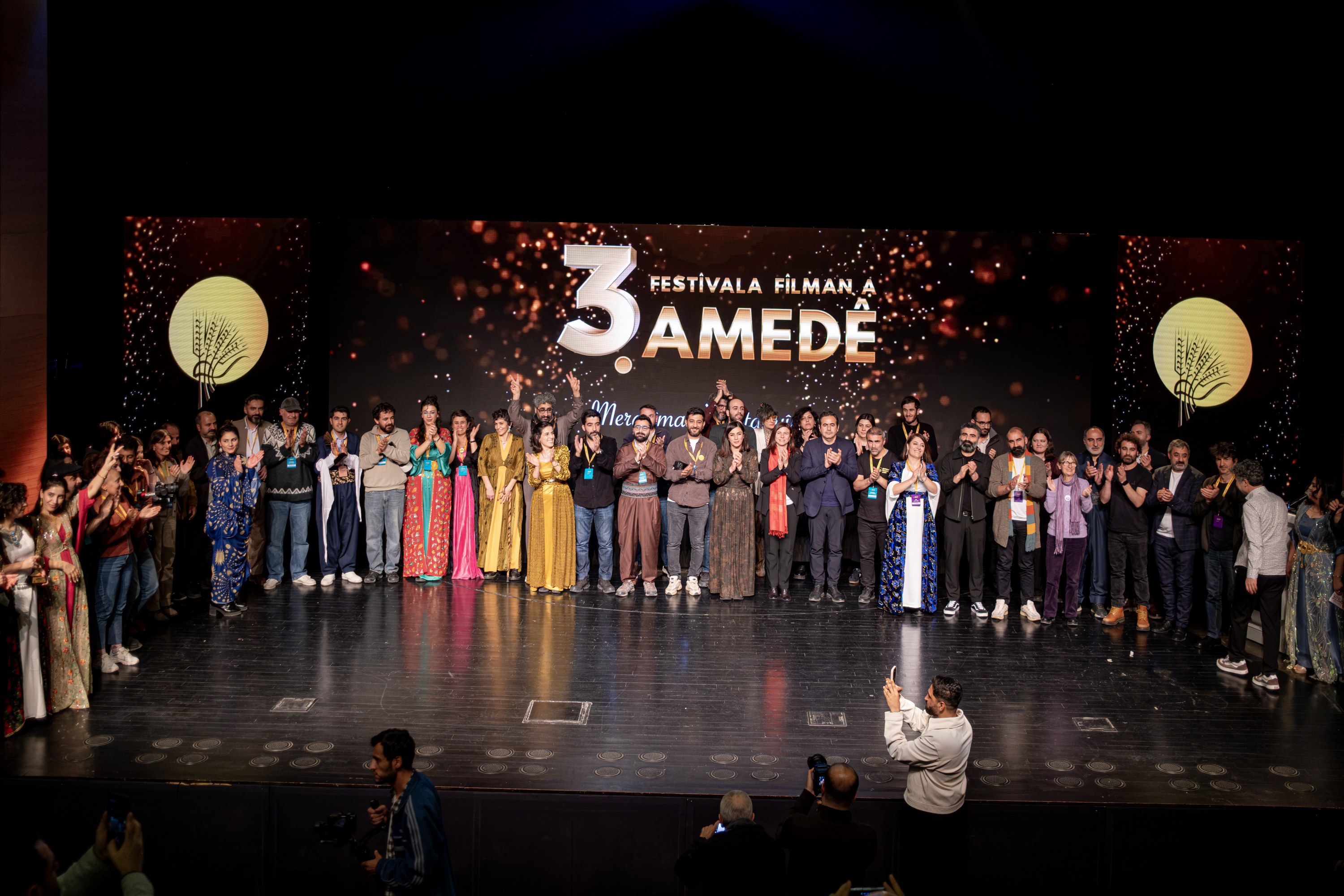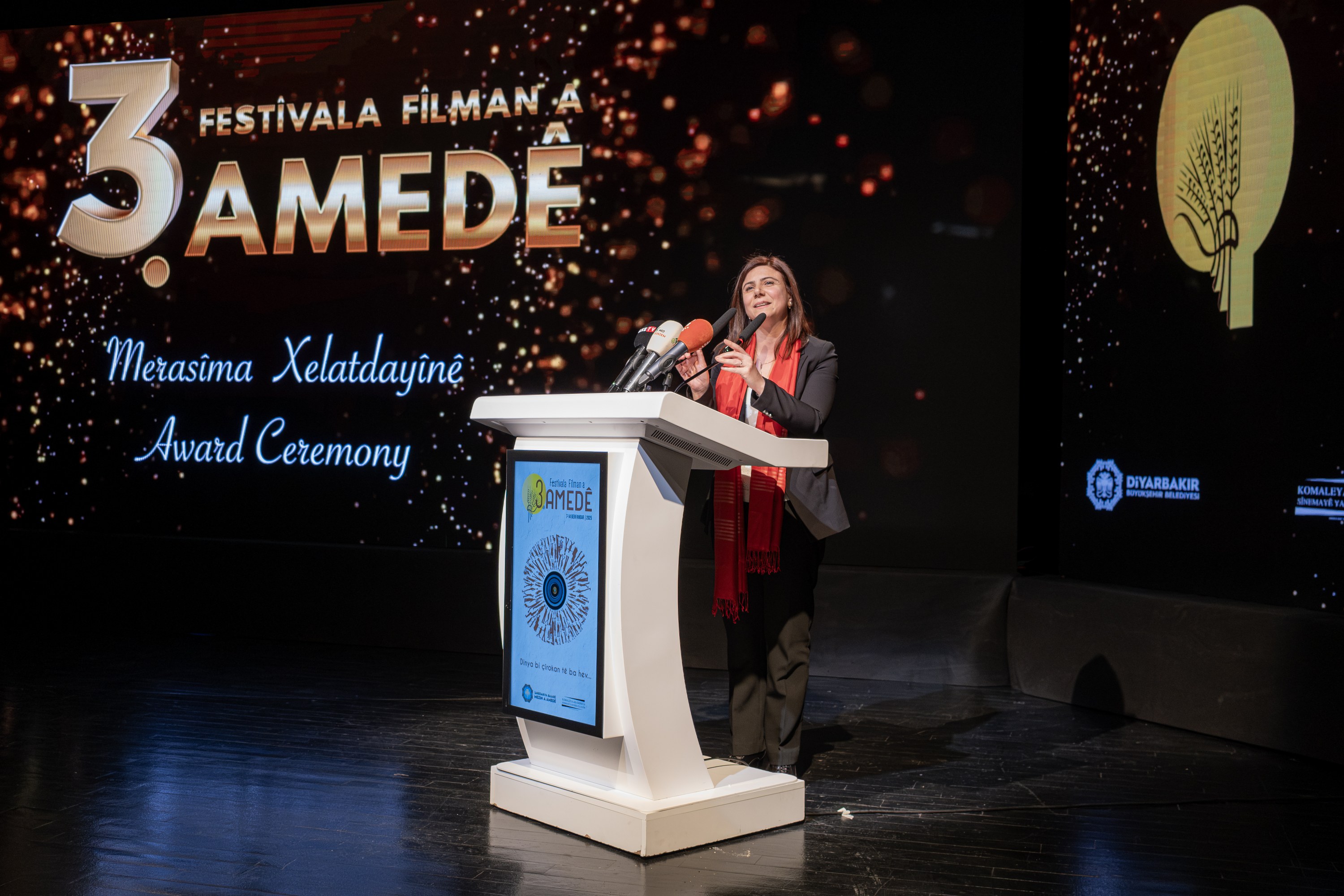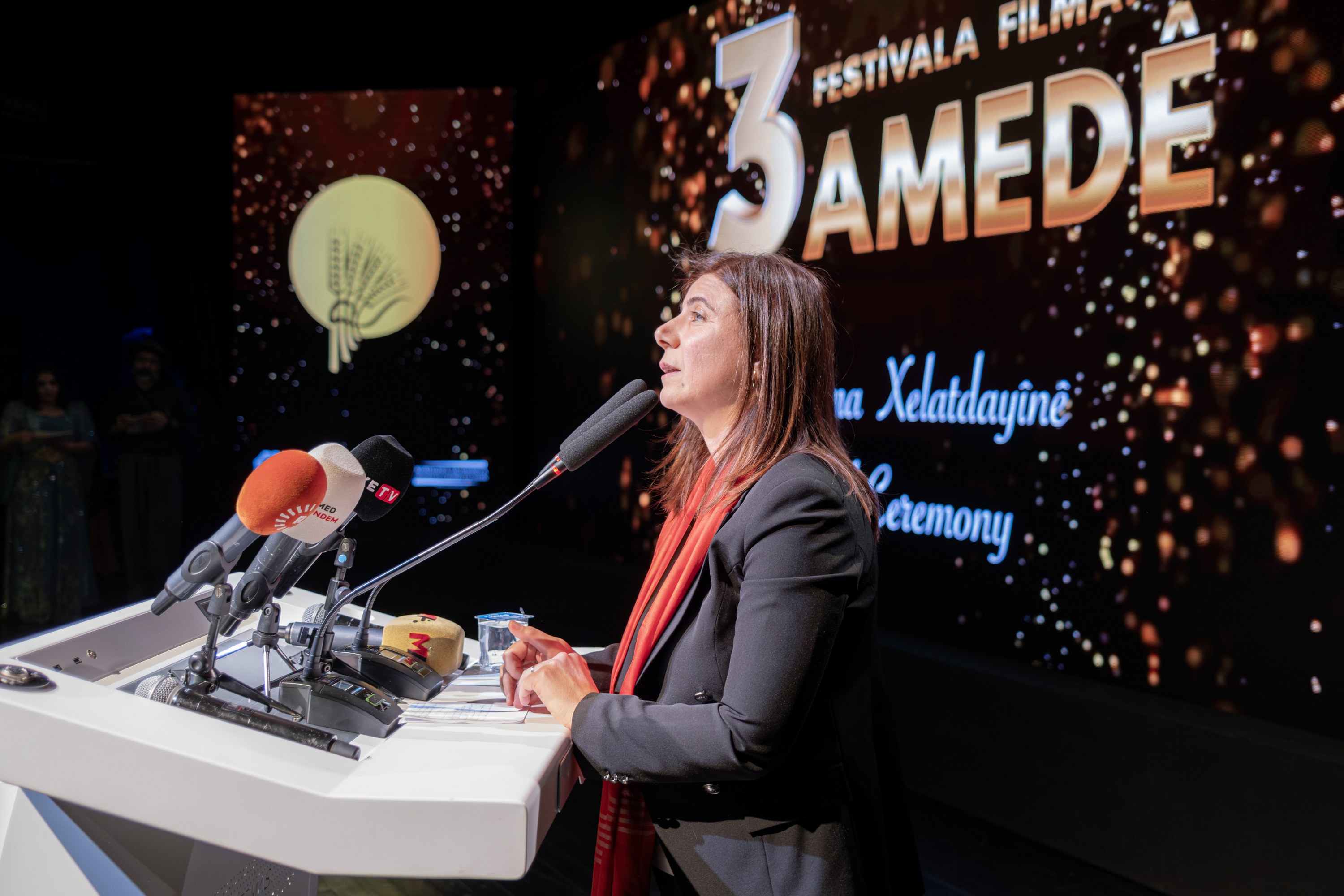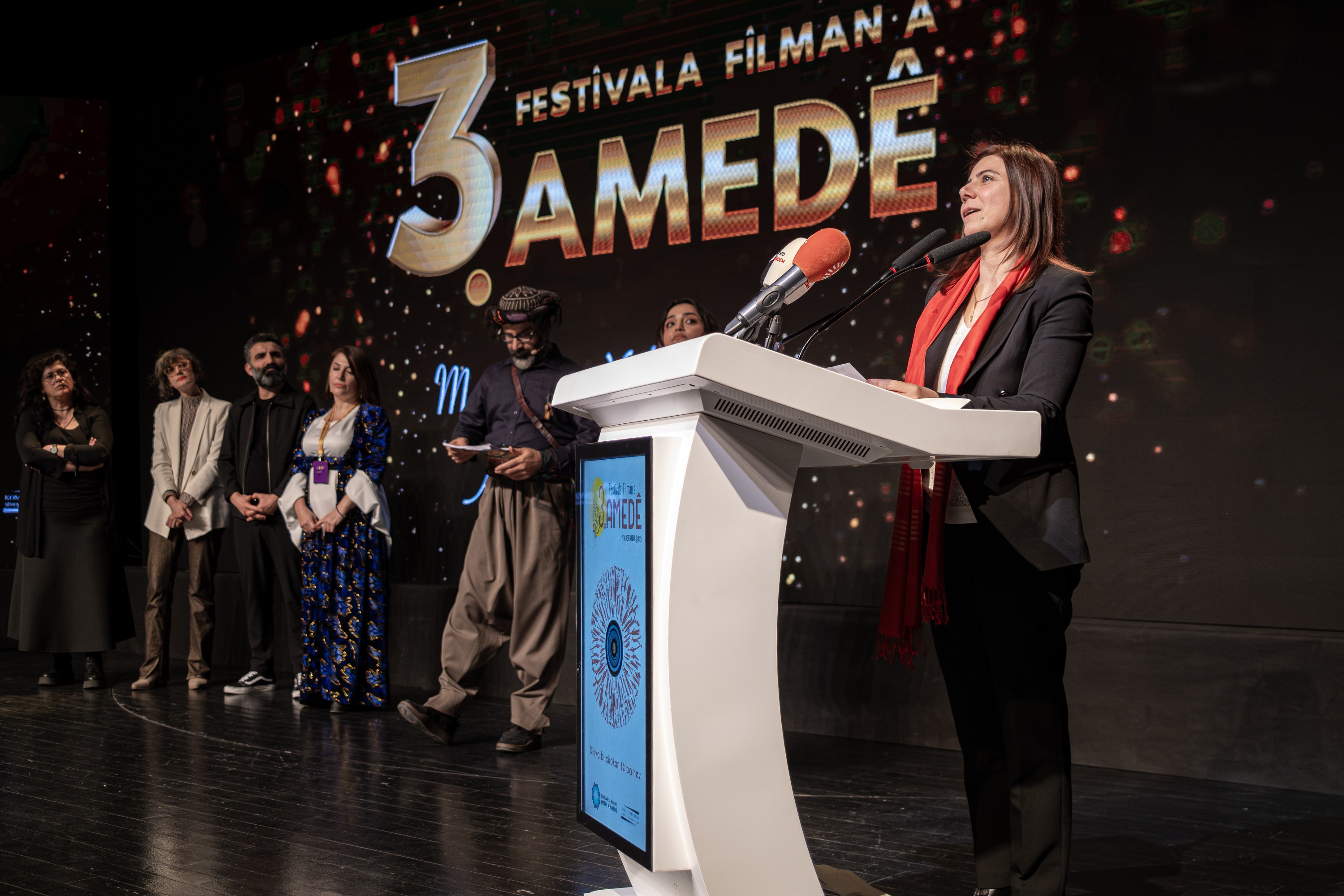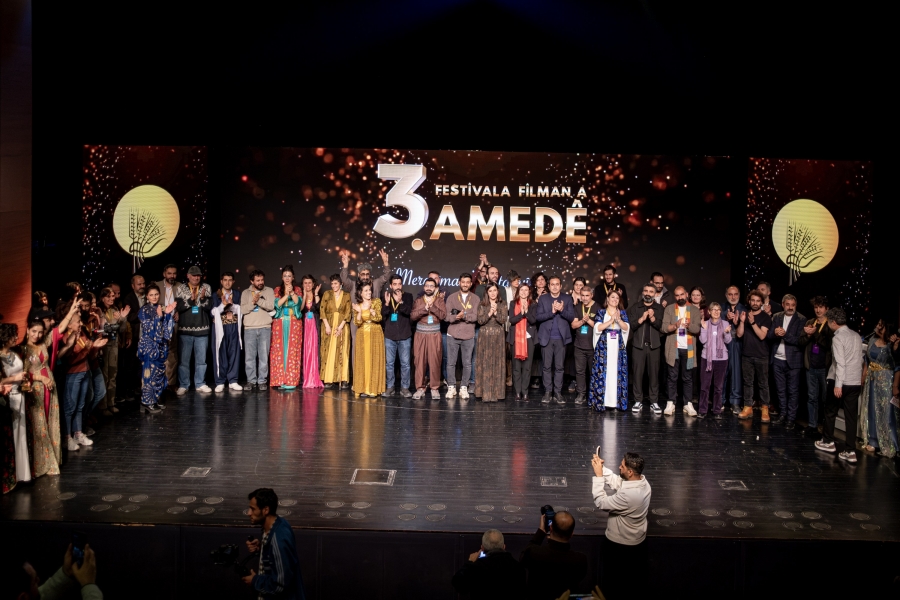
The 3rd Amed International Film Festival, which offered cinema audiences a comprehensive programme of screenings, workshops, panels and talks, concluded with an awards ceremony attended by Diyarbakır Metropolitan Municipality Co-Mayor Serra Bucak, following the final day’s film screenings.
Held from 7 to 14 December under the motto “The world comes together through stories”, the 3rd Amed International Film Festival brought film lovers together in Diyarbakır for a week of screenings. Hosted by Diyarbakır Metropolitan Municipality and delivered by the Middle East Cinema Association and SîneBîr, the festival presented 84 films to audiences. The festival came to a close with the final screenings included in the programme.
On the festival’s last day, audiences watched Sieger Sein directed by Soleen Yusef; Uçan Köfteci by Rezan Yeşilbaş; and the special screening Em Kurd In co-directed by Banu Yalkut and Hanjo Breddemann. Featuring productions from different countries and languages, the final day’s screenings—like those throughout the week—were followed with strong public interest and packed venues.
Awards ceremony held
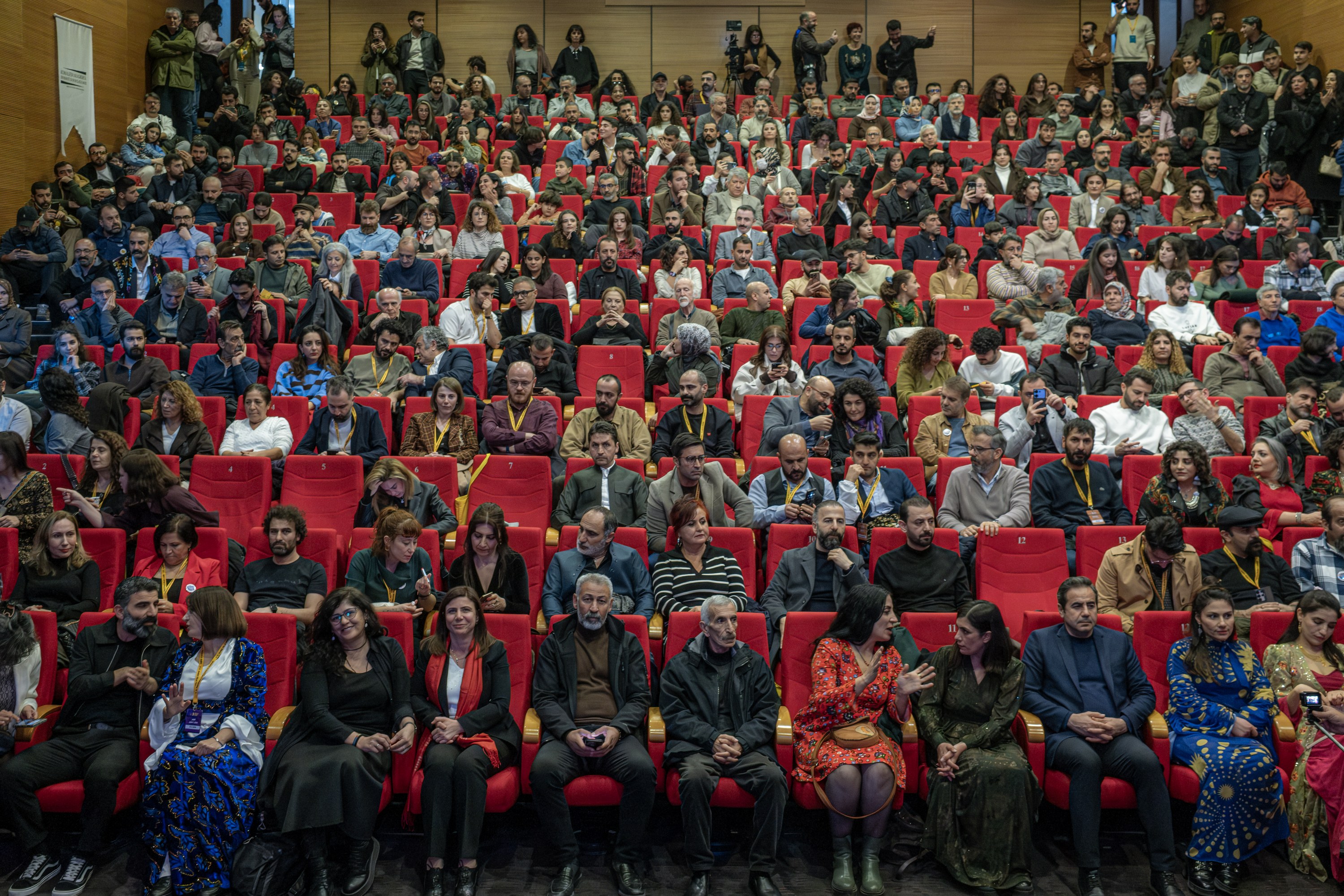
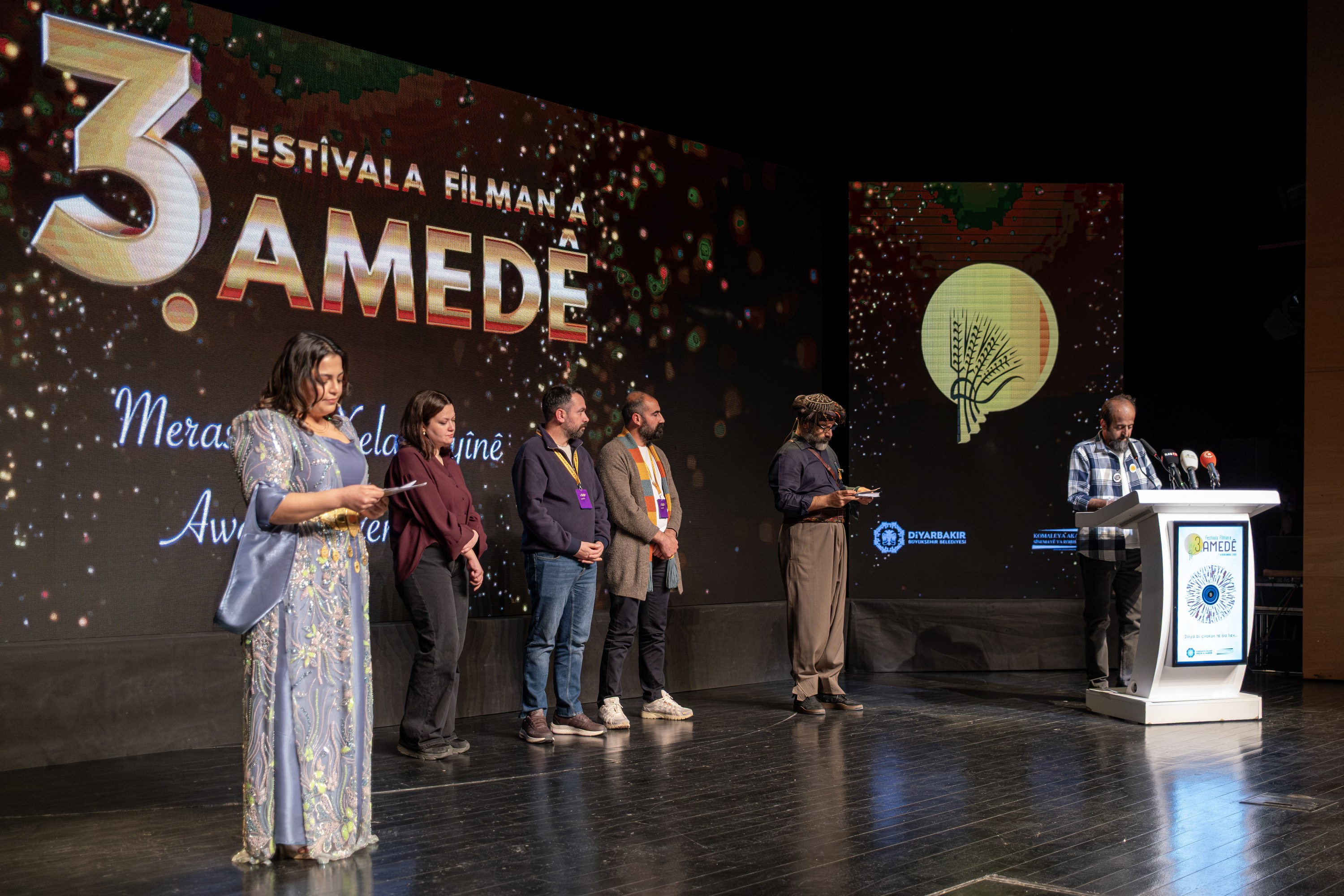
The awards ceremony took place in the Theatre Hall of the Çand Amed Culture and Congress Centre. Attendees included Co-Mayor Serra Bucak, as well as film teams, directors and cinema professionals whose works featured in the festival’s competition and selection sections.
Co-Mayor Bucak: Despite the challenges, we continued to create together
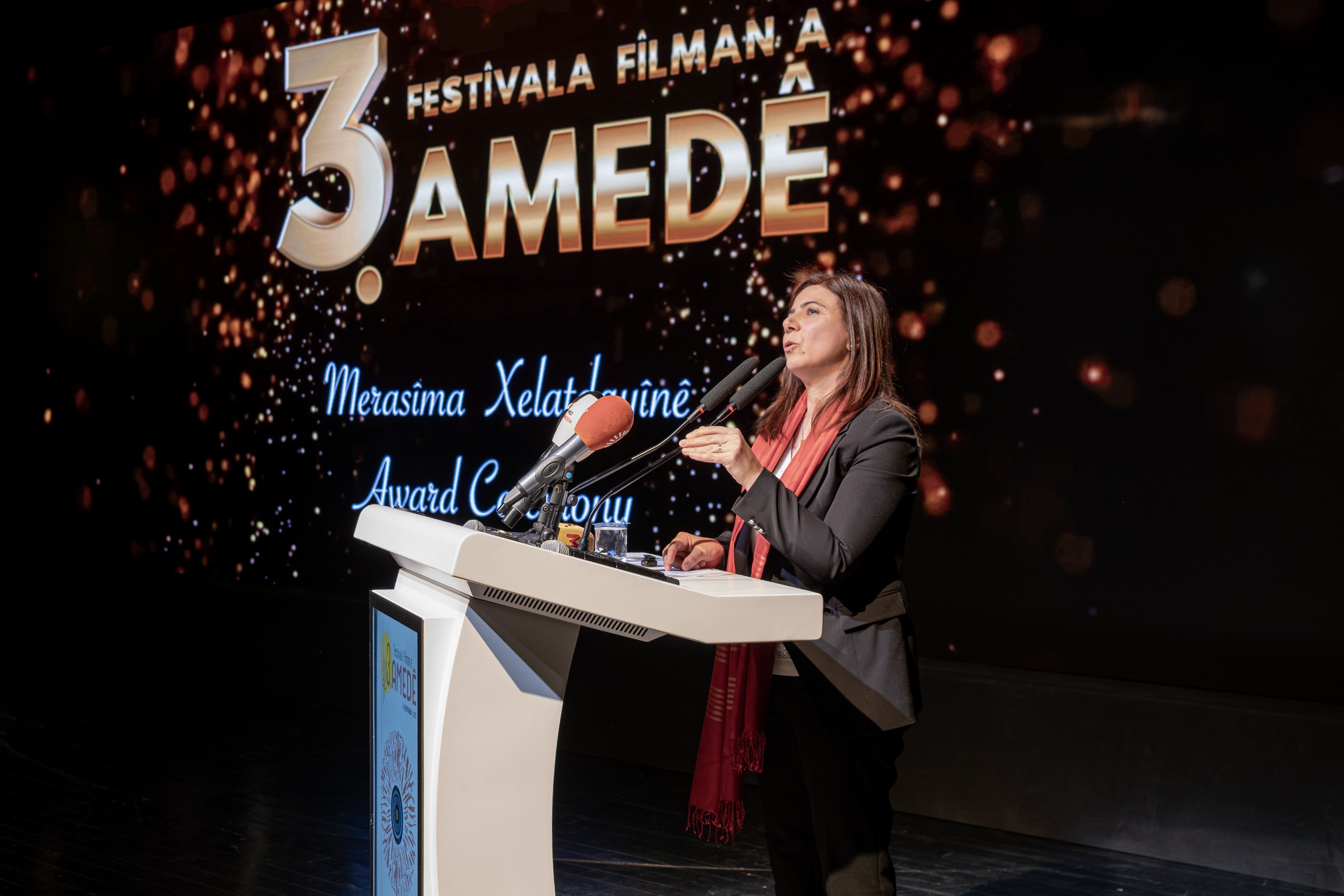
Speaking at the ceremony, Co-Mayor Serra Bucak underlined the significance of reviving the festival after an eight-year break and thanked everyone who contributes to cinema. Saying the closing felt bittersweet for her, Bucak noted that the intensive programme meant they were unable to watch all the films. Referring to the works she was able to see, she stressed that every short film, documentary and feature presented at the festival was valuable, adding that they would arrange their schedules more effectively in the coming years.
Stating that the eight-year hiatus had created serious difficulties for the city of Amed and the wider region, Bucak said: “Despite all these challenges, we continued to build, to create, and to grow the beauty of this work together with our friends devoted to cinema. These eight days have been a very important indication of that process.”
“A festival that spreads across the city”
Recalling the venue-related difficulties experienced during the festival, Co-Mayor Bucak said: “Next year, at the Amed Film Festival, cinema audiences will be able to watch films in many halls across different parts of the city. We are aiming for a festival that spreads throughout Amed.”
Bucak also offered individual thanks to the associations that showed solidarity, those working in the arts and culture sector, those contributing to the city’s cultural memory, and the national and international jury members who took part in the festival.
Remembering filmmaker and politician Sırrı Süreyya Önder, Bucak said: “If he were alive today, he would certainly have been in Amed. He would make us laugh and think, and he would inspire young filmmakers.” Recalling Önder’s words on peace and democracy, Bucak said she believed that Kurds and their friends would make films of peace and democracy together.
SîneBîr Project Fund results announced
Awards granted to projects under the SîneBîr Project Fund were also announced. In the short film category, Raber Îbrahîm received the award for the project Tarî û Ronahî.
The documentary project award went to Zelal Sadak for Hucre, takekes-laş, civat. As Sadak was unable to attend due to illness, the award was dedicated to the Peace Mothers.
In the feature-length category, Ali Kemal Çınar received the project award for the film Diroka Wenda. In brief remarks, Çınar said: “I am happy to receive this award. We will not forget our friends. I dedicate my award to Dilan Kahraman.”
Thematic awards
Following this, thematic awards were presented to films screened as part of the festival. Diyarbakır Metropolitan Municipality Head of the Department of Culture and Tourism, Zeynep Yaş, was invited to the stage to present the Zilan Hemo Honorable Mention and awarded it to Jino Hadî Hesen for the film Sêgoşe. As Hesen was not in attendance, the award was received by director Zanyar Muhammadîneko.
The Jury Special Award went to Mahsum Taşkın for the film Garan. Taşkın said: “I believe this festival will always continue without restriction. This festival gives us hope.”
The Mensûr Kerimyan Award was also presented. Taking the stage to deliver the award, a friend of Kerimyan said: “A person’s homeland is their places. Mansur’s martyrdom rendered artificial borders meaningless. The Amed festival has made him immortal by remembering him. As the people of Rojhilat, we thank the people of Bakur for standing by Mansur.” The award was presented to Salem Salavatî for the film Kawyar.
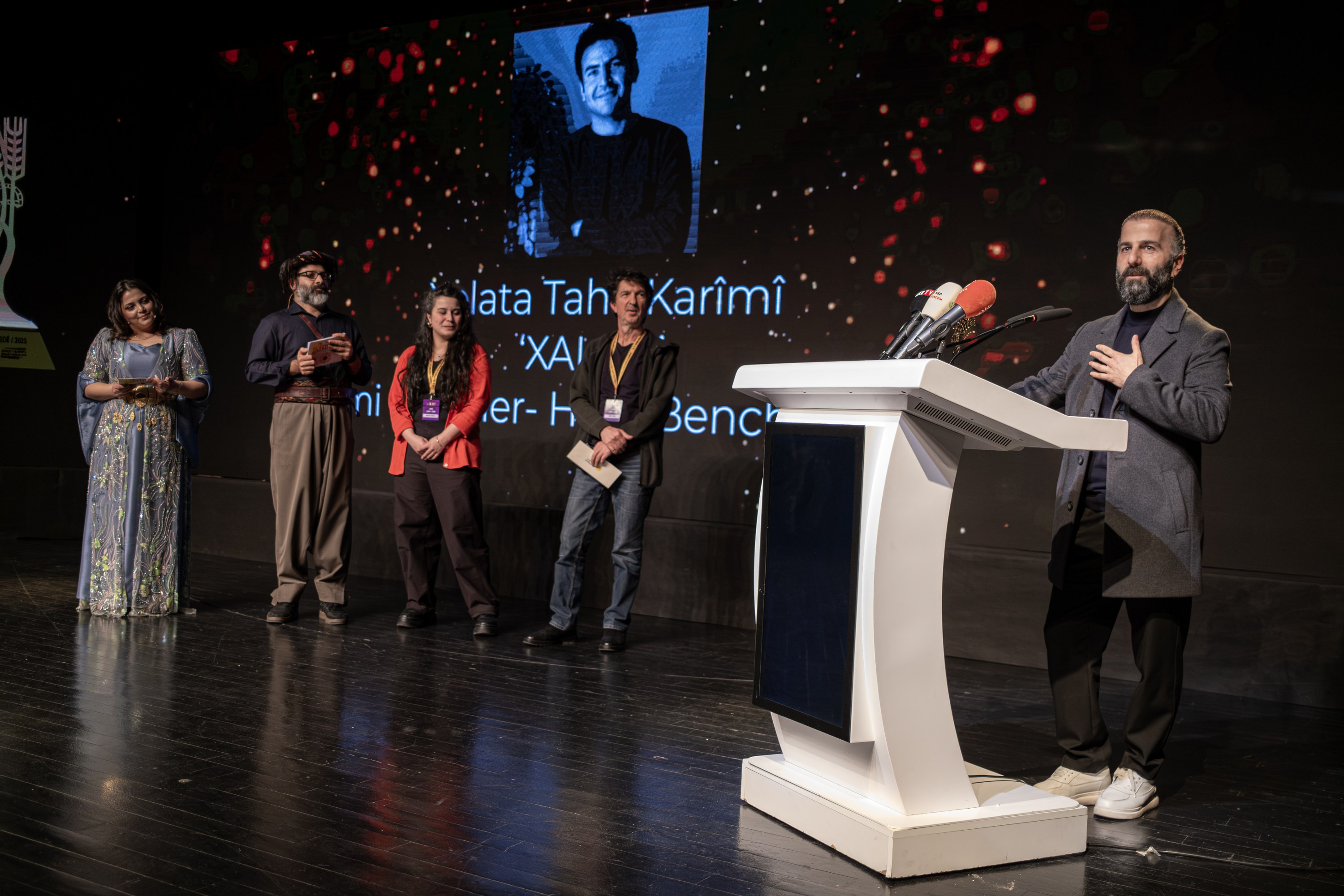
Documentary awards followed. The Jury Special Award went to Arash Raksha for All The Mountains Give. The Taha Karîmî Award was presented to the film Xalko by Sami Mermer and Hind Benchekroun.
Six awards for feature-length films
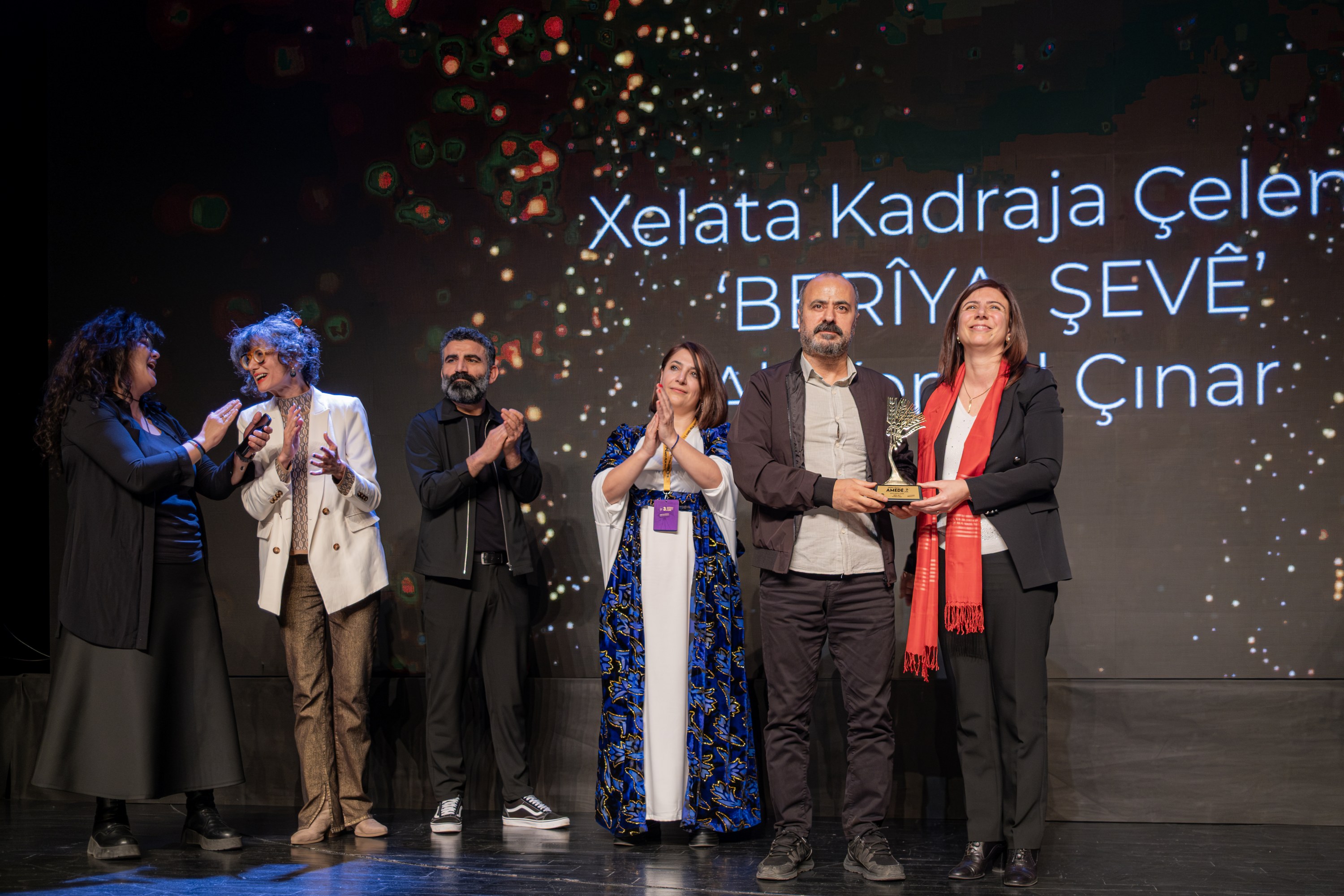
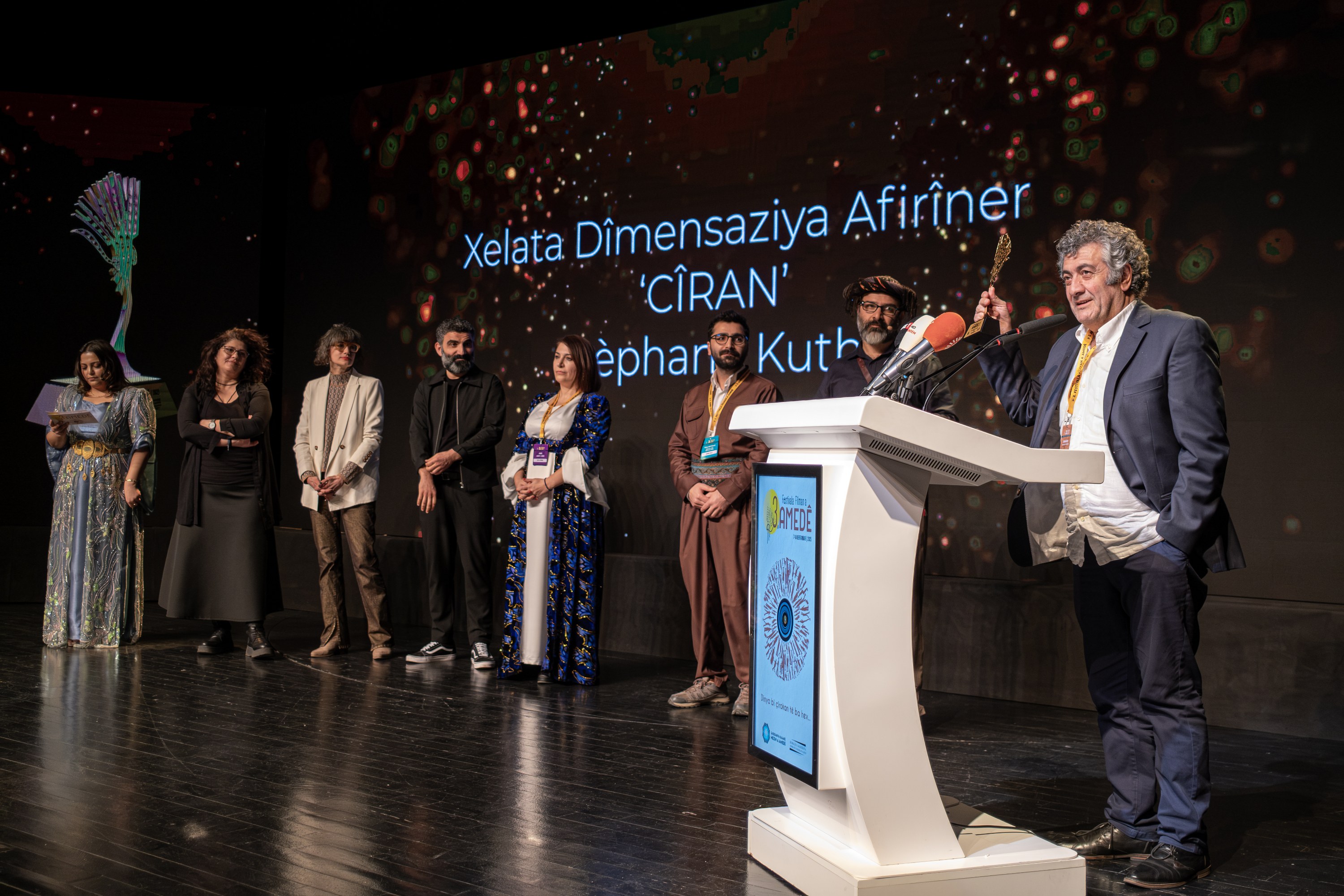
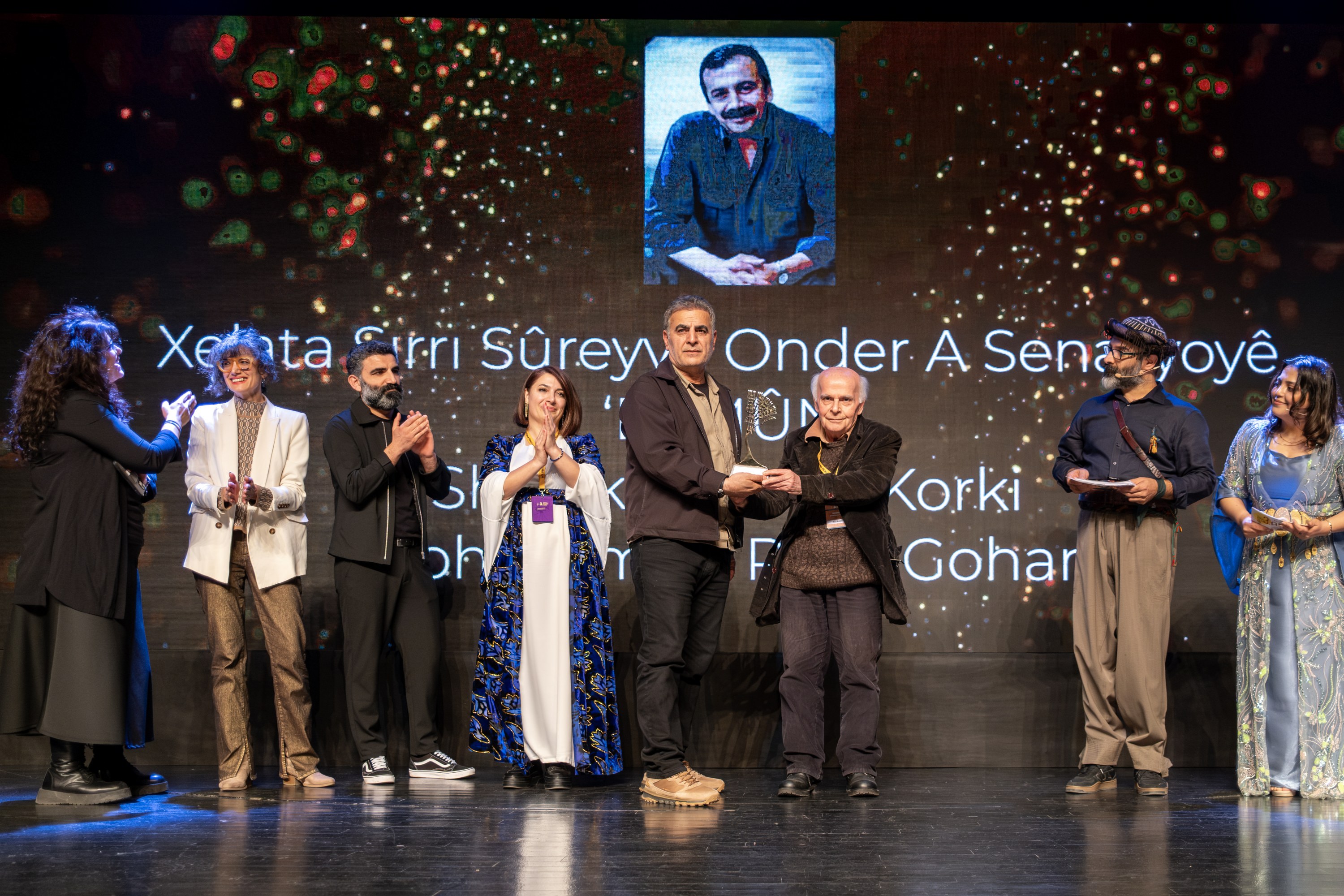
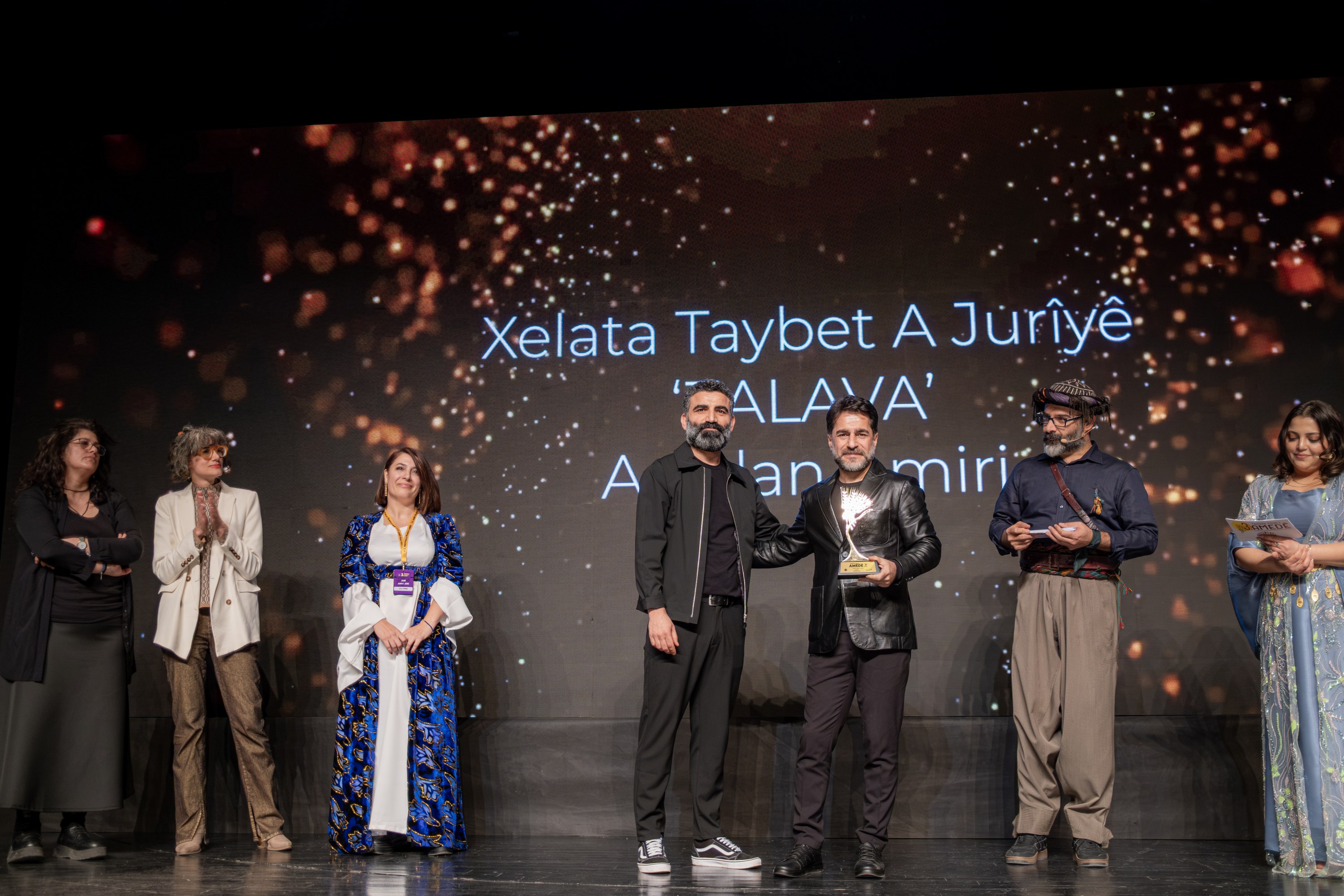
In the feature-length category, six awards were presented. The Creative Cinematography Award went to cinematographer Stephane Kuthy for Ciran. The Sırrı Süreyya Önder Screenplay Award went to Shawkat Amin Korki for the film Ezmûn. The Aesthetic Framing Award was presented to Ali Kemal Çınar’s film Beriya Şevê, marking Çınar’s second award. The Braids of Defiance Award went to Binevşa Bêrîvan for The Virgín and Child. Berfin Emektar accepted the award on behalf of the director, as chants of “Jin, Jiyan, Azadî” rose in the hall. The Jury Special Award went to Arsalan Amiri for Zalava. The Yılmaz Güney Resistance Award was presented to Kurdwîn Eyûb for Sonne.
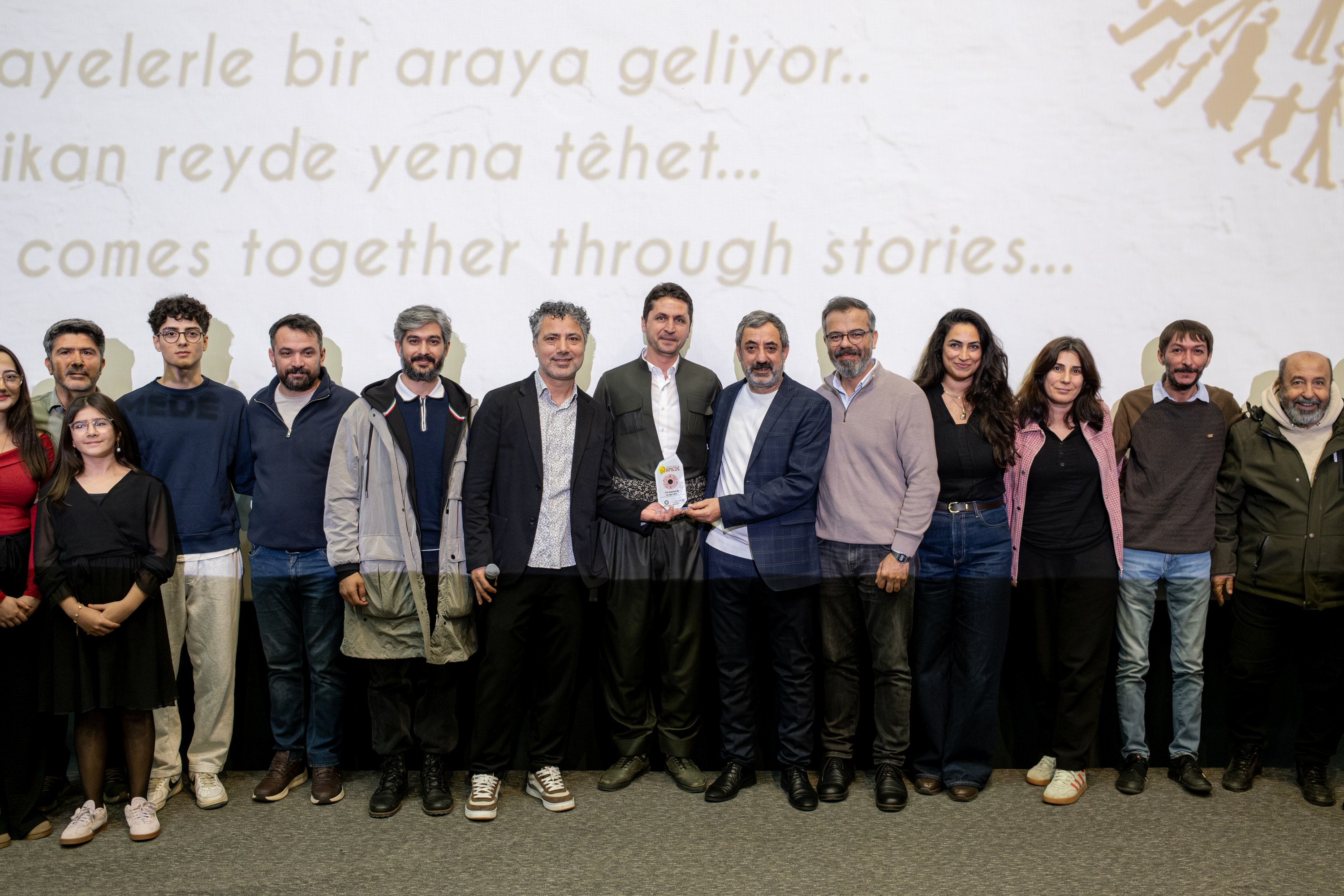
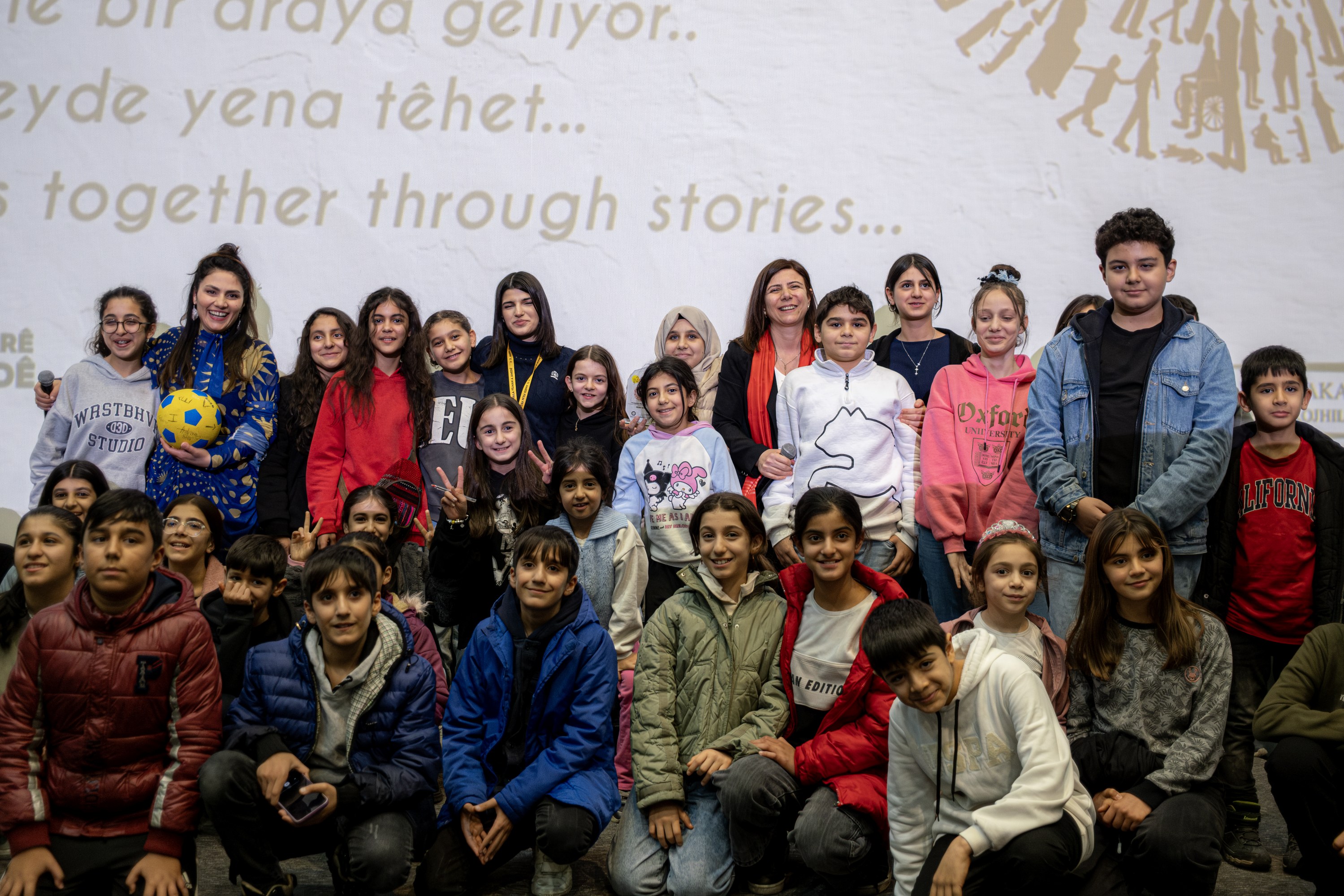
Following the presentation of the awards, members of the festival organising committee were invited onto the stage and received prolonged applause. The programme concluded with a group photograph, followed by halay dances.