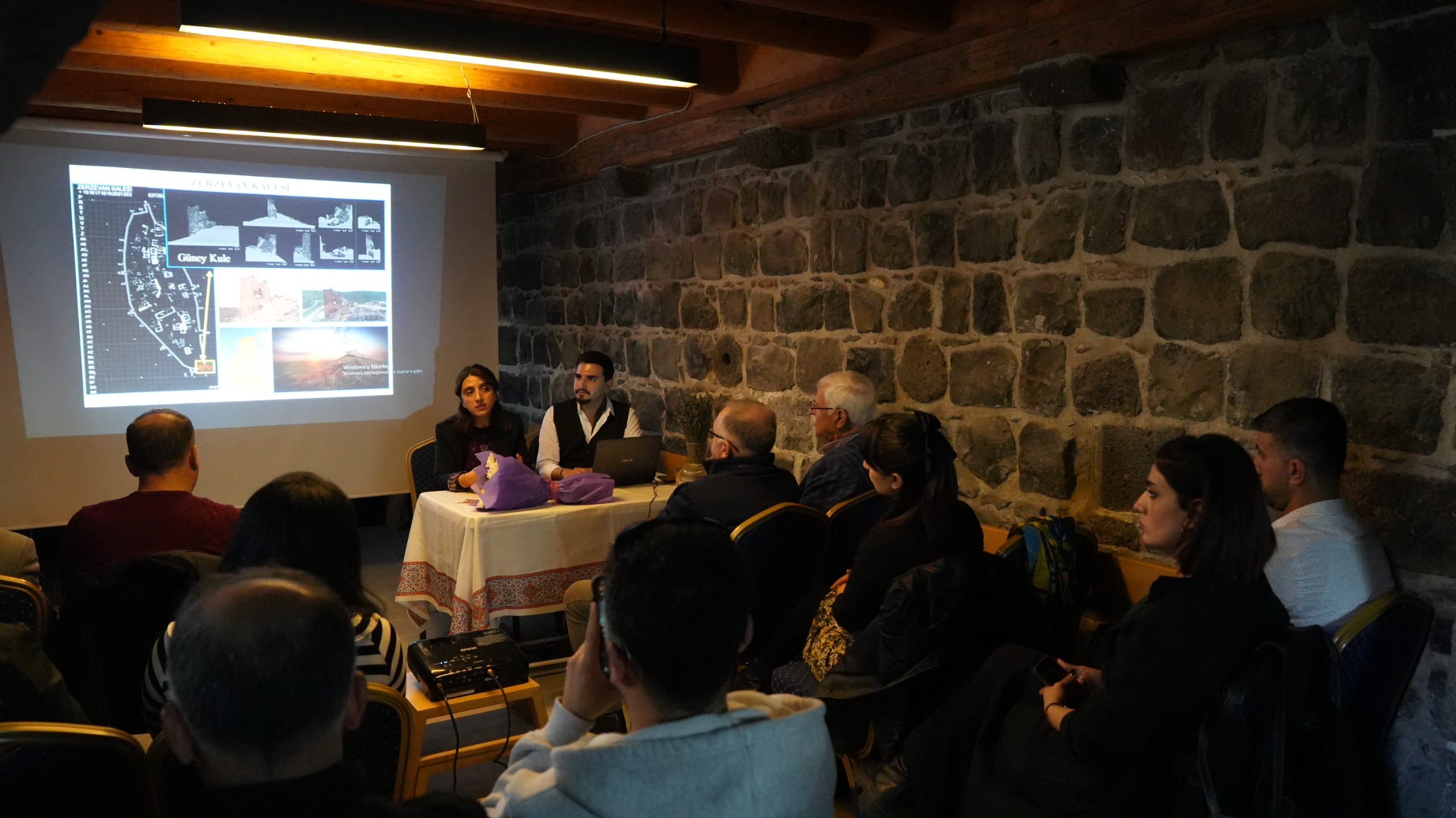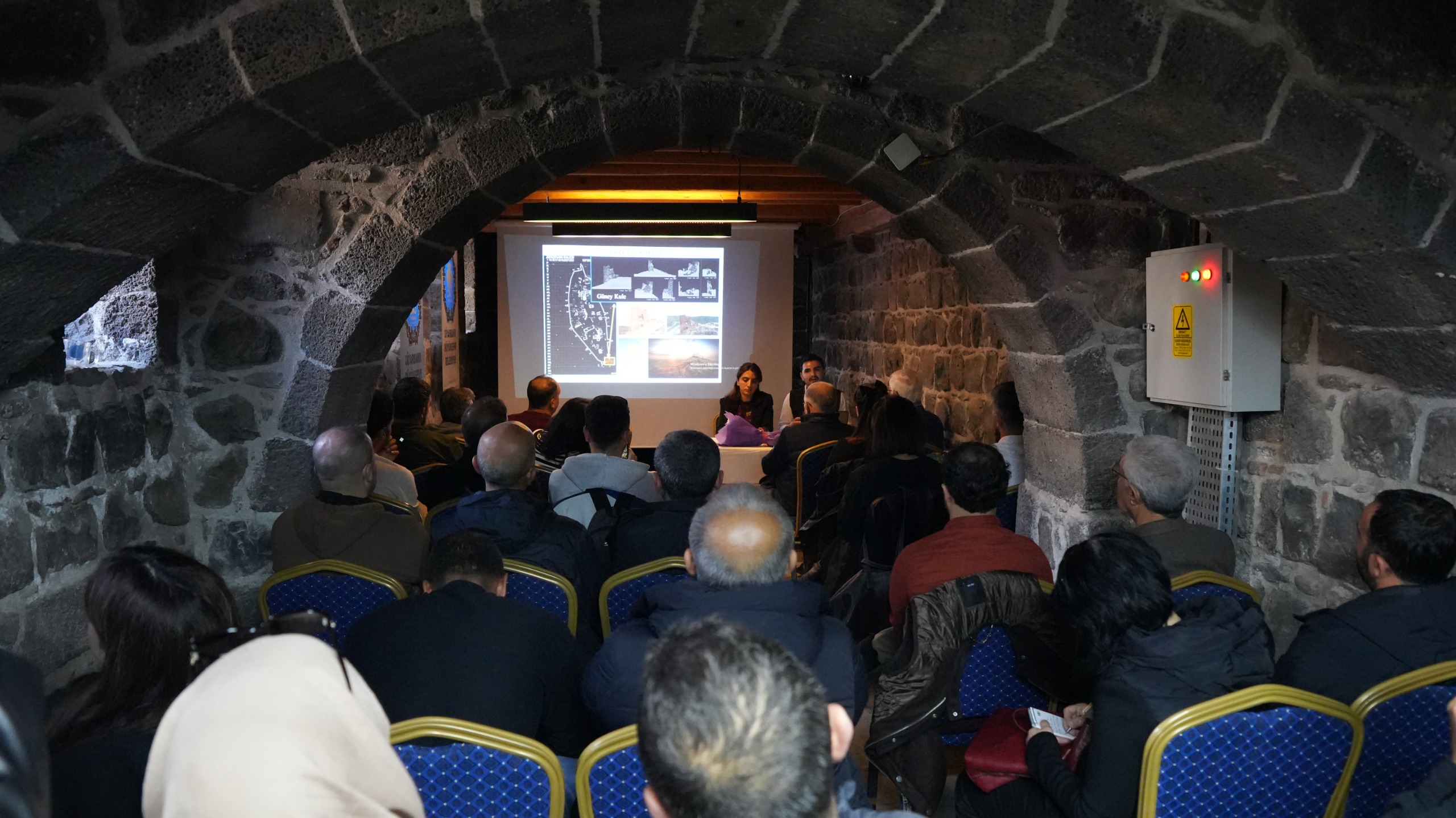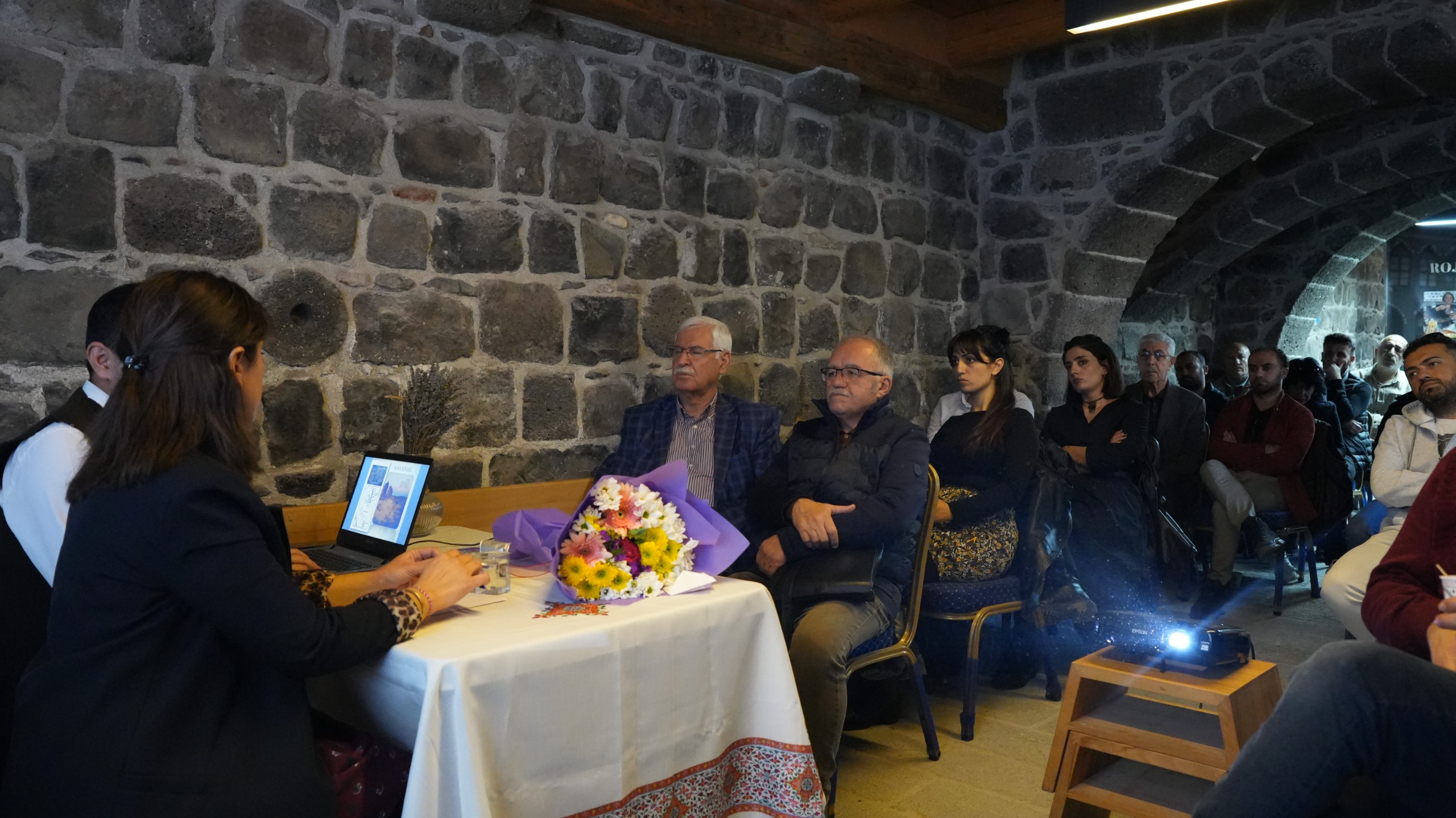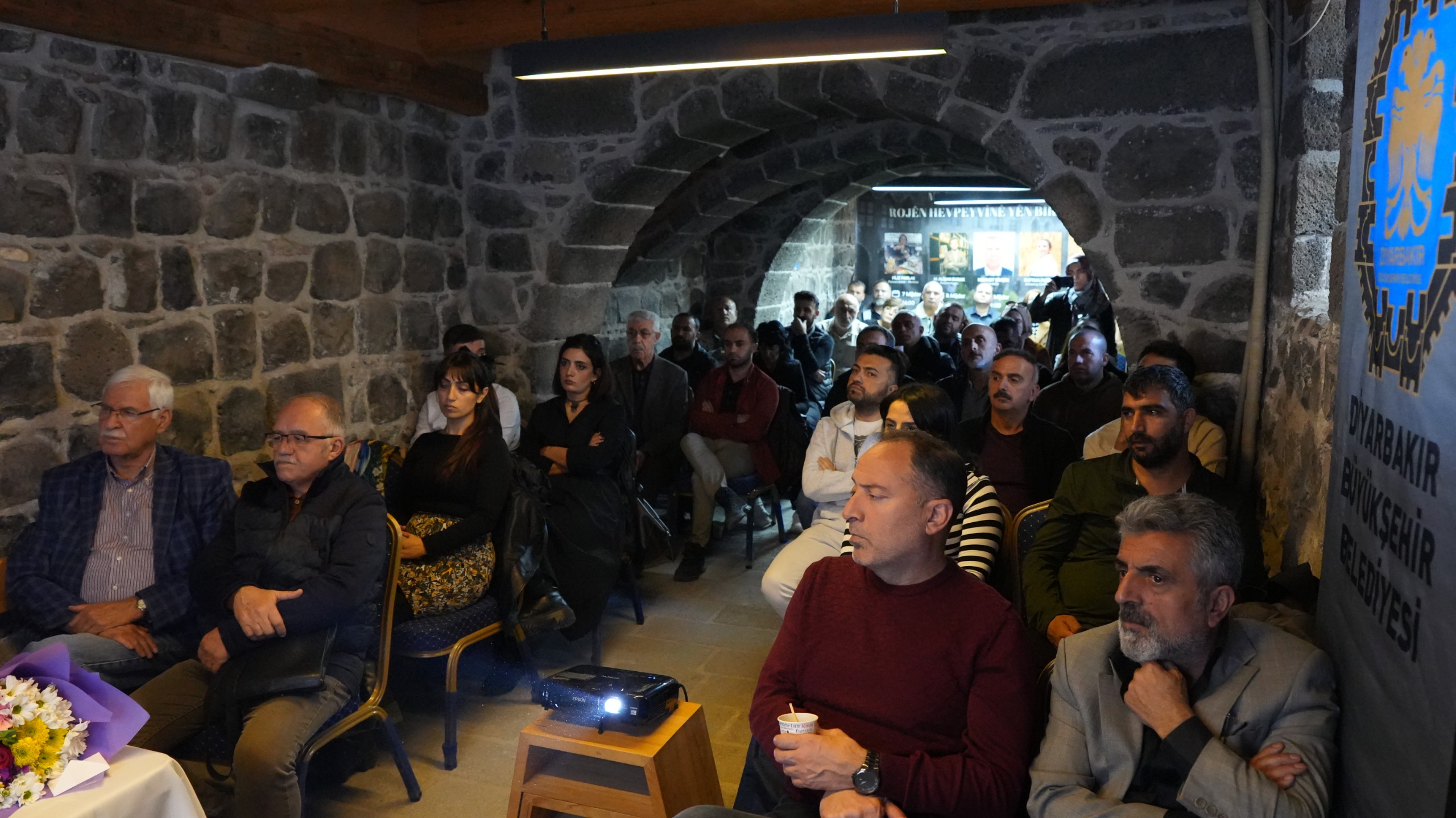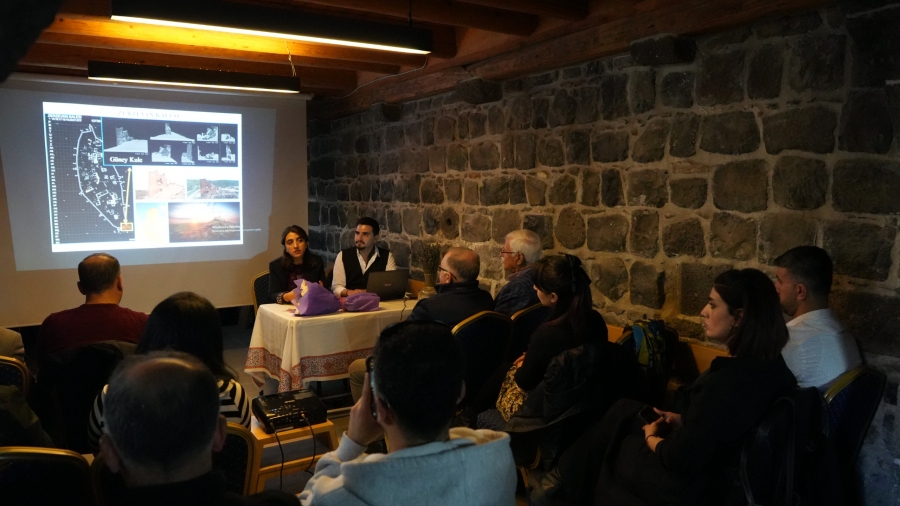
As part of its “Cultural Memory Talks” programme, Diyarbakır Metropolitan Municipality hosted a talk titled “From Military Garrisons to Sacred Spaces: Zerzevan Castle and Rome’s Mysterious Beliefs”.
The latest session, held at the Cemilpaşa Mansion City Museum under the Department of Culture and Social Affairs, focused on Zerzevan Castle. The talk featured archaeology PhD candidates Şıvan Ayus and Fatma Durma, who shared extensive insights into the site’s military, social and religious character.
‘Metal and glass objects were found during the excavations’
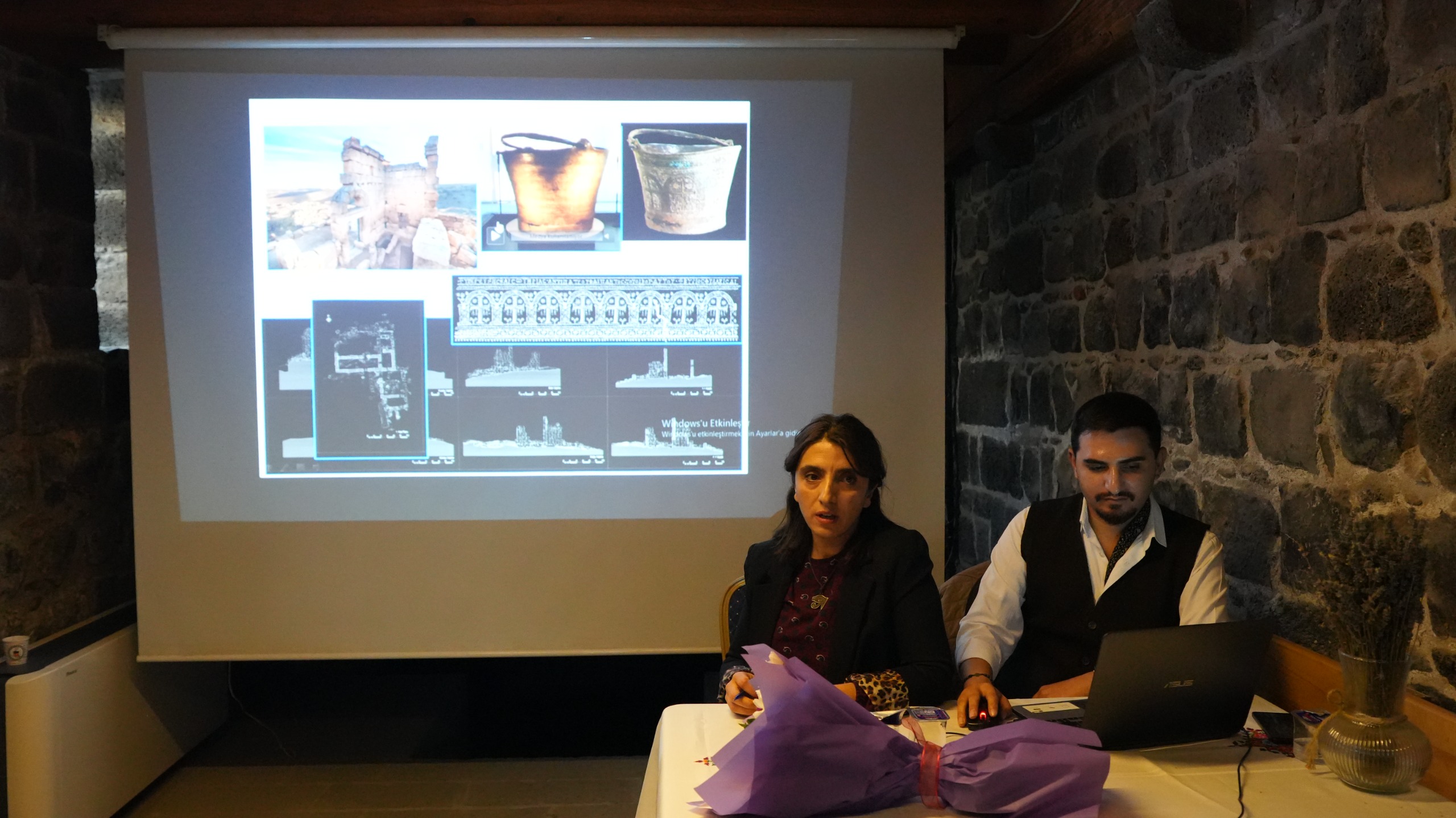
Speaking to a well-attended audience, Durma provided an overview of Zerzevan Castle’s location, setting and history. Referring to findings from excavations carried out since 2014, she noted that Zerzevan was not only a military garrison but also a place where social life continued, and that it included a temple associated with pagan belief systems. She added that jewellery and similar items belonging to women and children, recovered during the excavations, are on display at the Diyarbakır Archaeology Museum, and said: “Metal and glass objects used in civilian life—not solely military use—were found.”
Archaeologist Fatma Durma also spoke about a large church dating to the early Christian period identified at the site, saying: “It was initially a burial area for three individuals, thought to have been military figures or senior administrators. Cross motifs, niches, and an inscription were found—shaved on both sides and prepared for a rite—which is believed to be a passage from the Aramaic Bible.”
‘There are 22 Mithras temples’
Ayus touched on Rome’s early pagan traditions, stating that the area functioned as an open-air place of worship associated with a Mithras sanctuary, adapted into a ritual space. He said there are 22 Mithras temples worldwide, stretching from Syria to London, and that two are located in Türkiye. Referring to excavation work, he noted that an underground structure was revealed in 2016 and the main chamber in 2017, adding: “As different spaces are uncovered, each piece completes the puzzle. Only around 1 per cent of the excavations have been carried out so far, and these excavations will continue for another hundred years.”
‘Zerzevan was added to UNESCO’s Tentative List’
Ayus said Zerzevan Castle was added to UNESCO’s Tentative List after 2020, and that preliminary assessments are under way for its inclusion on the permanent list. Recalling the challenges at the outset of the project, he noted that reaching the excavation area was once extremely difficult, and that despite working in harsh conditions—up to 58°C in summer—the team felt the excitement of bringing to light traces from around 3,000 years ago.
The session concluded with a Q&A.