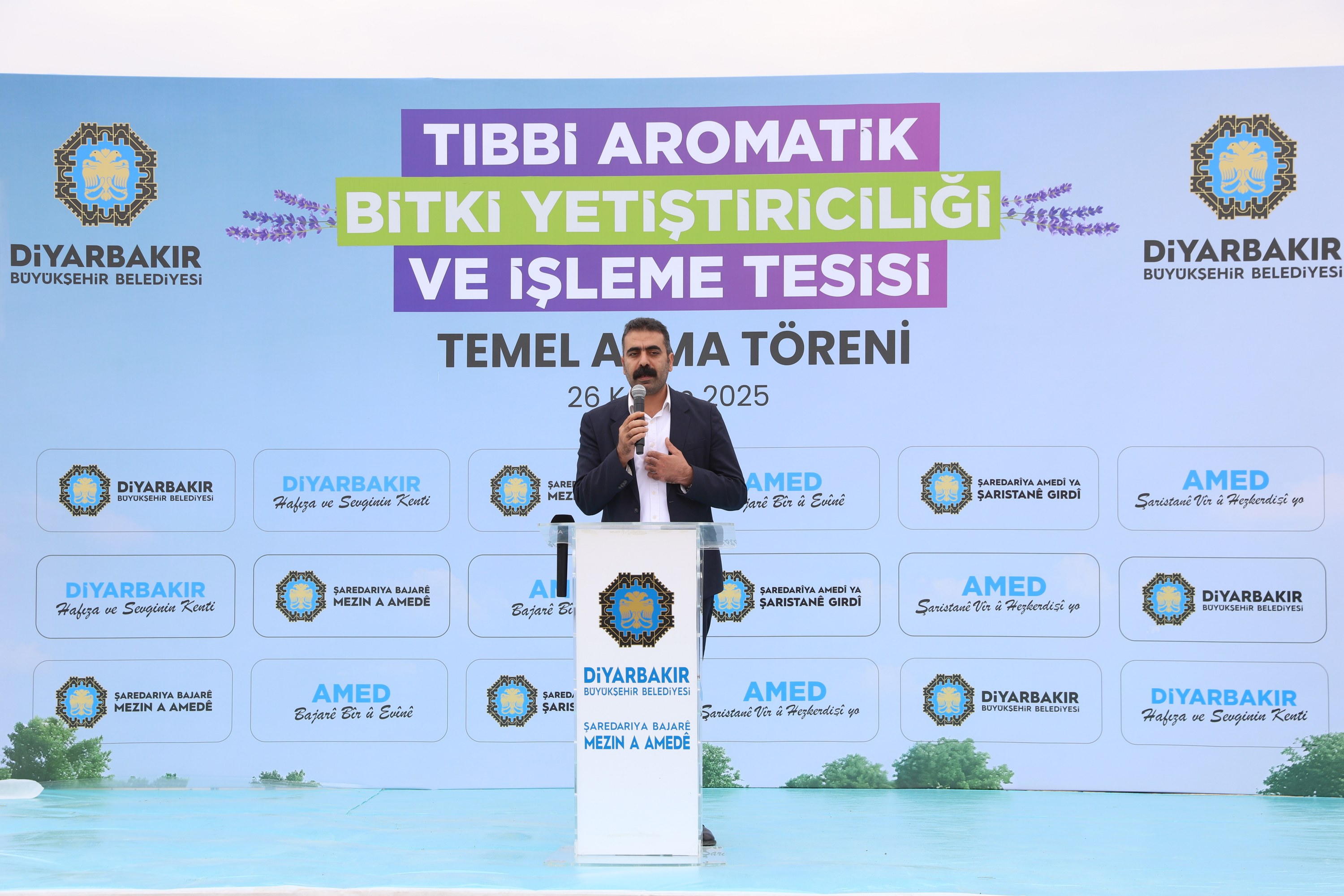
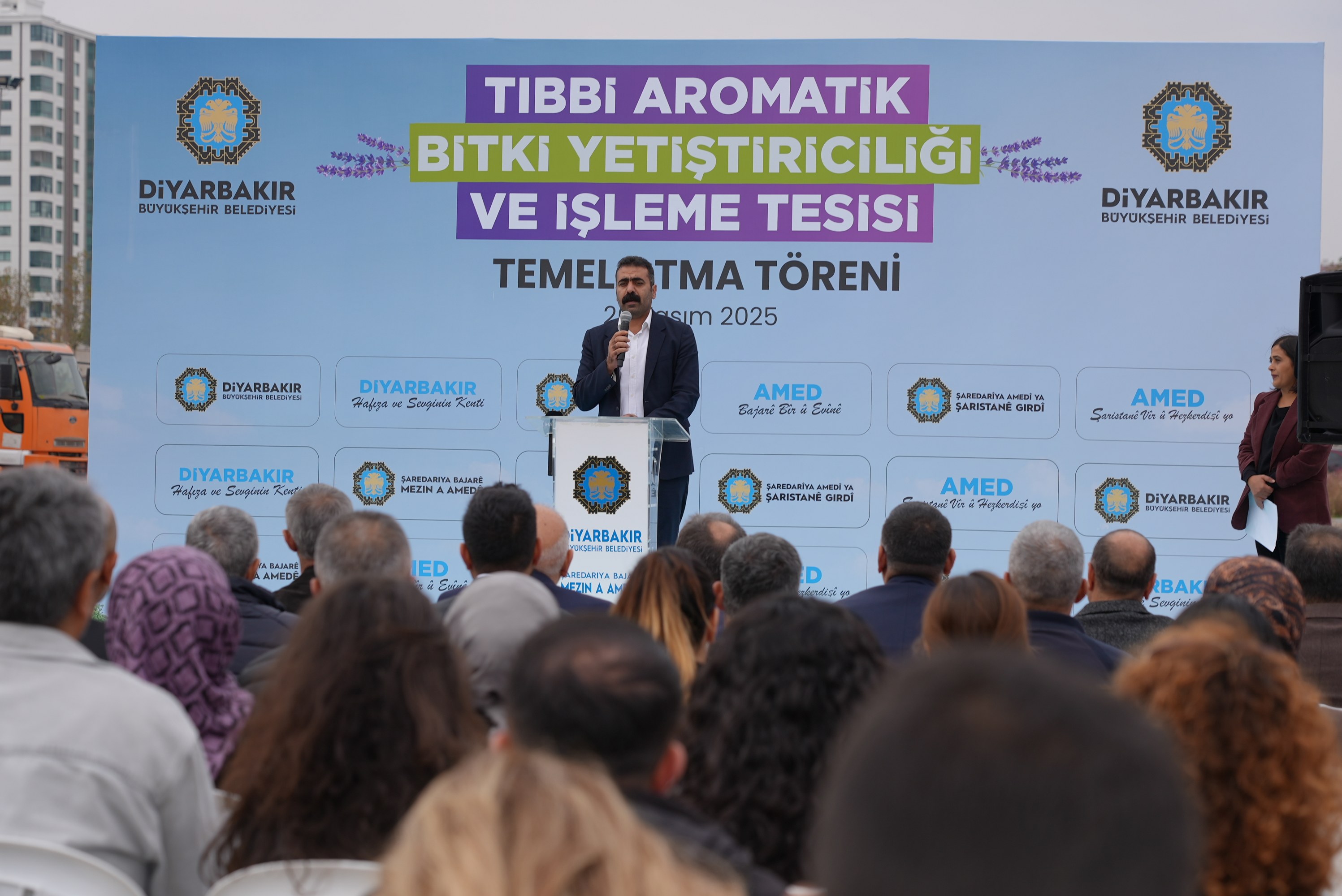
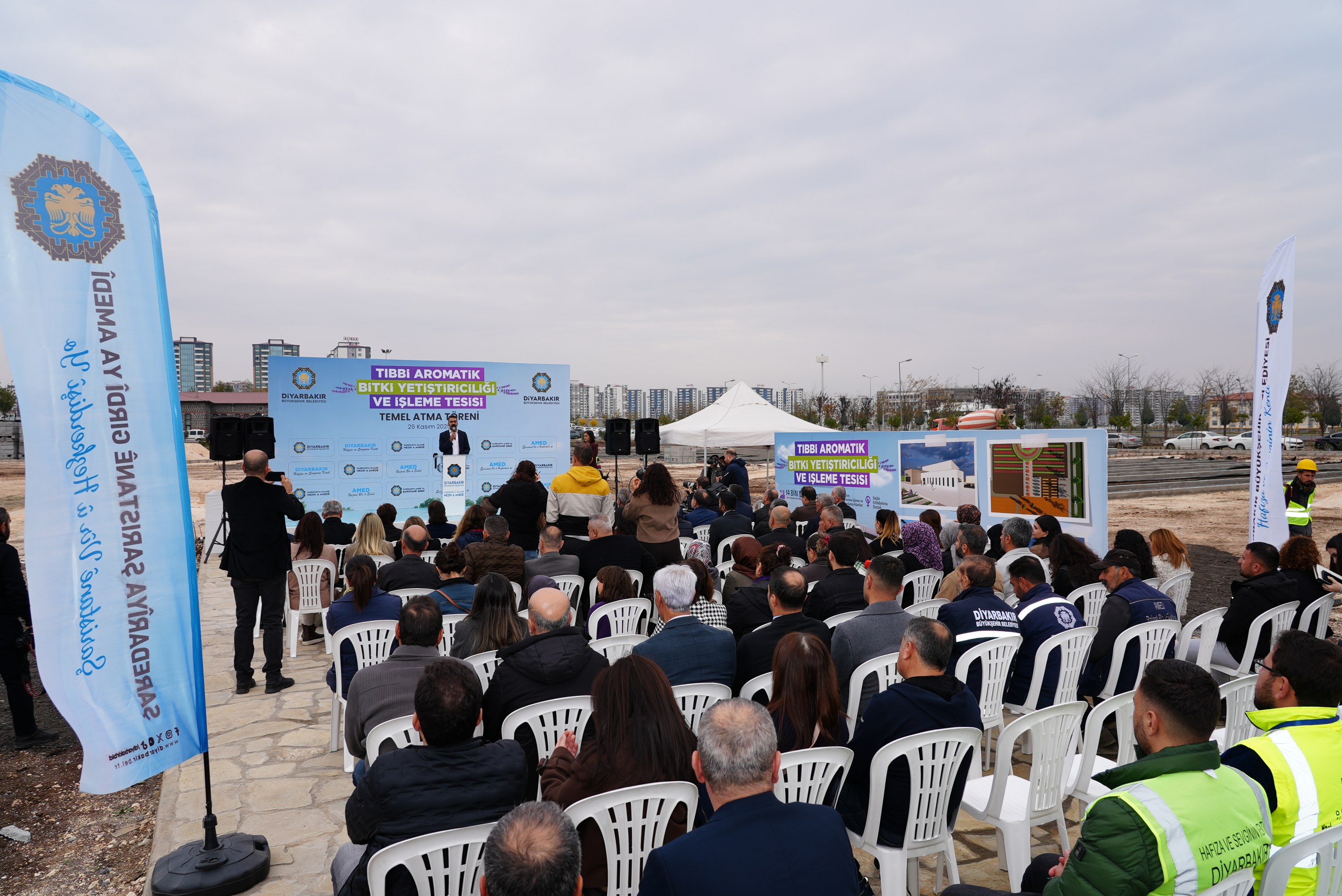
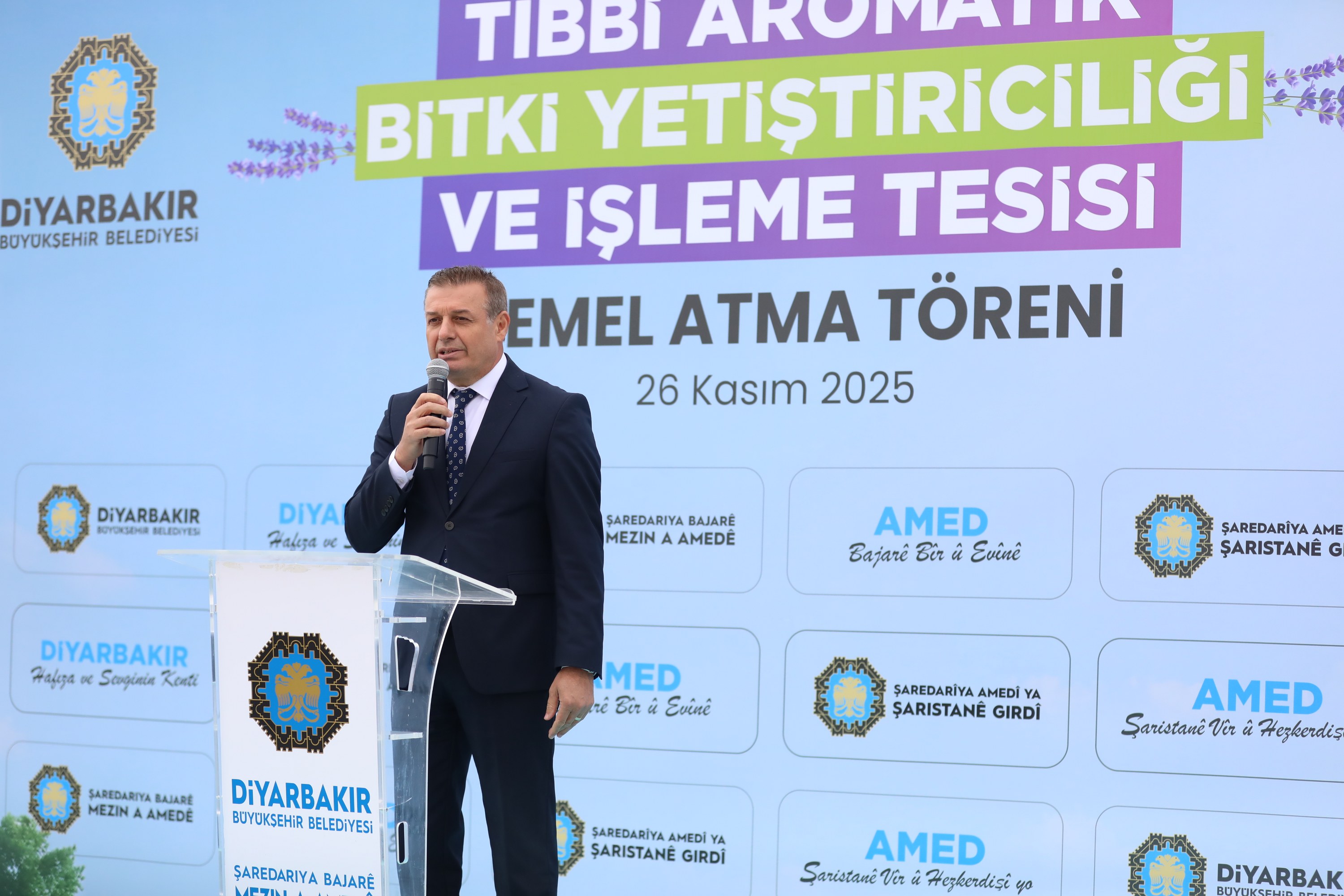
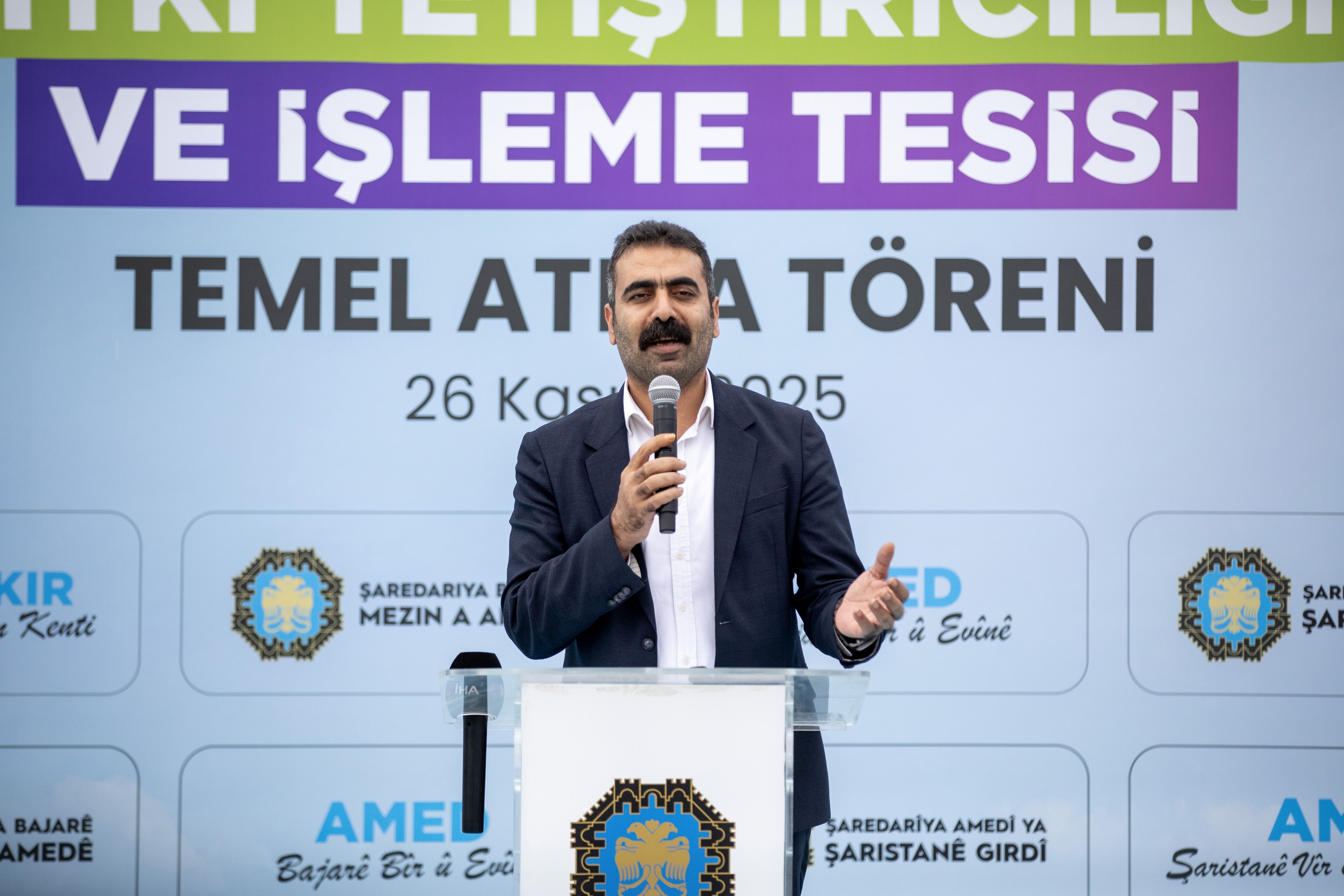
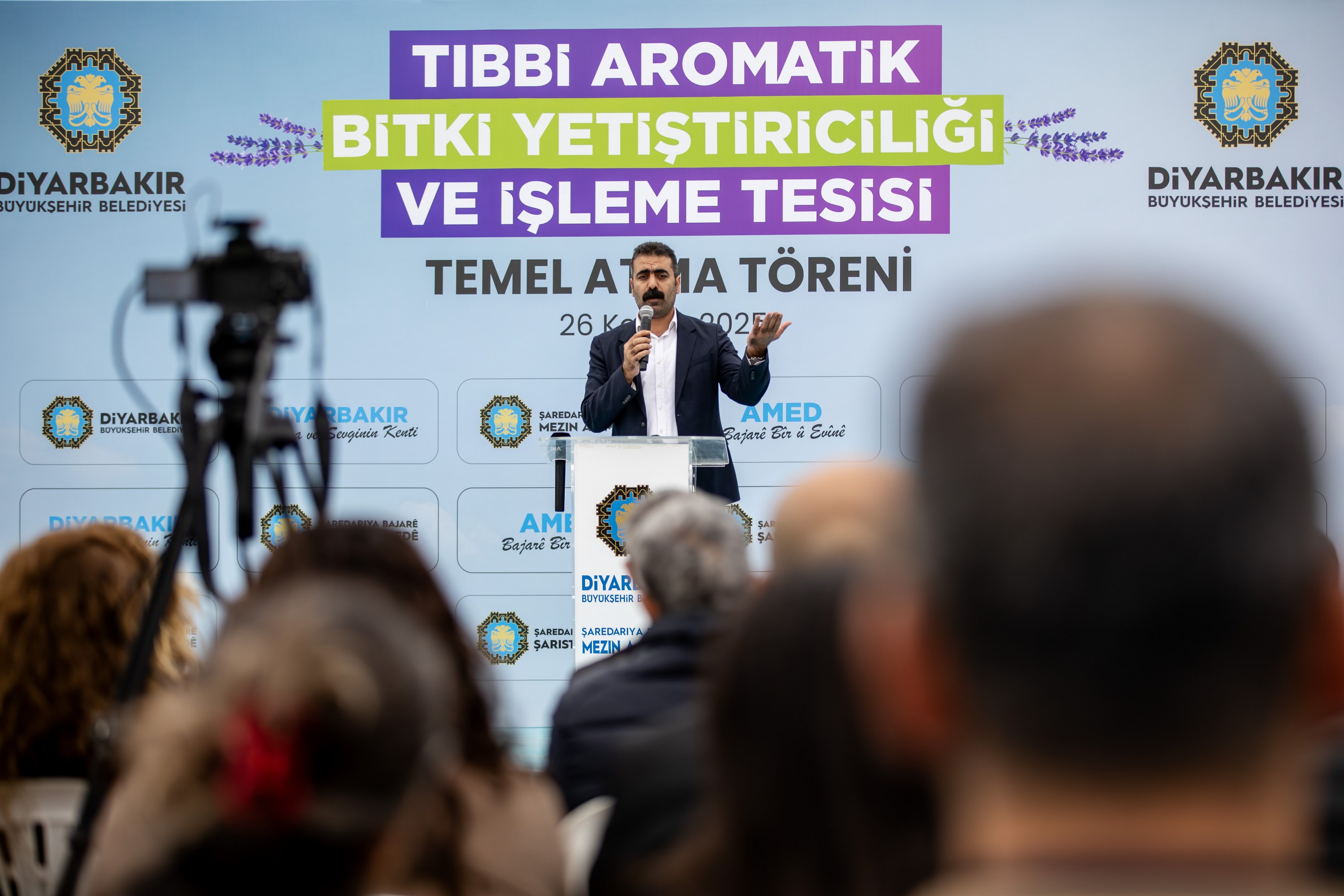
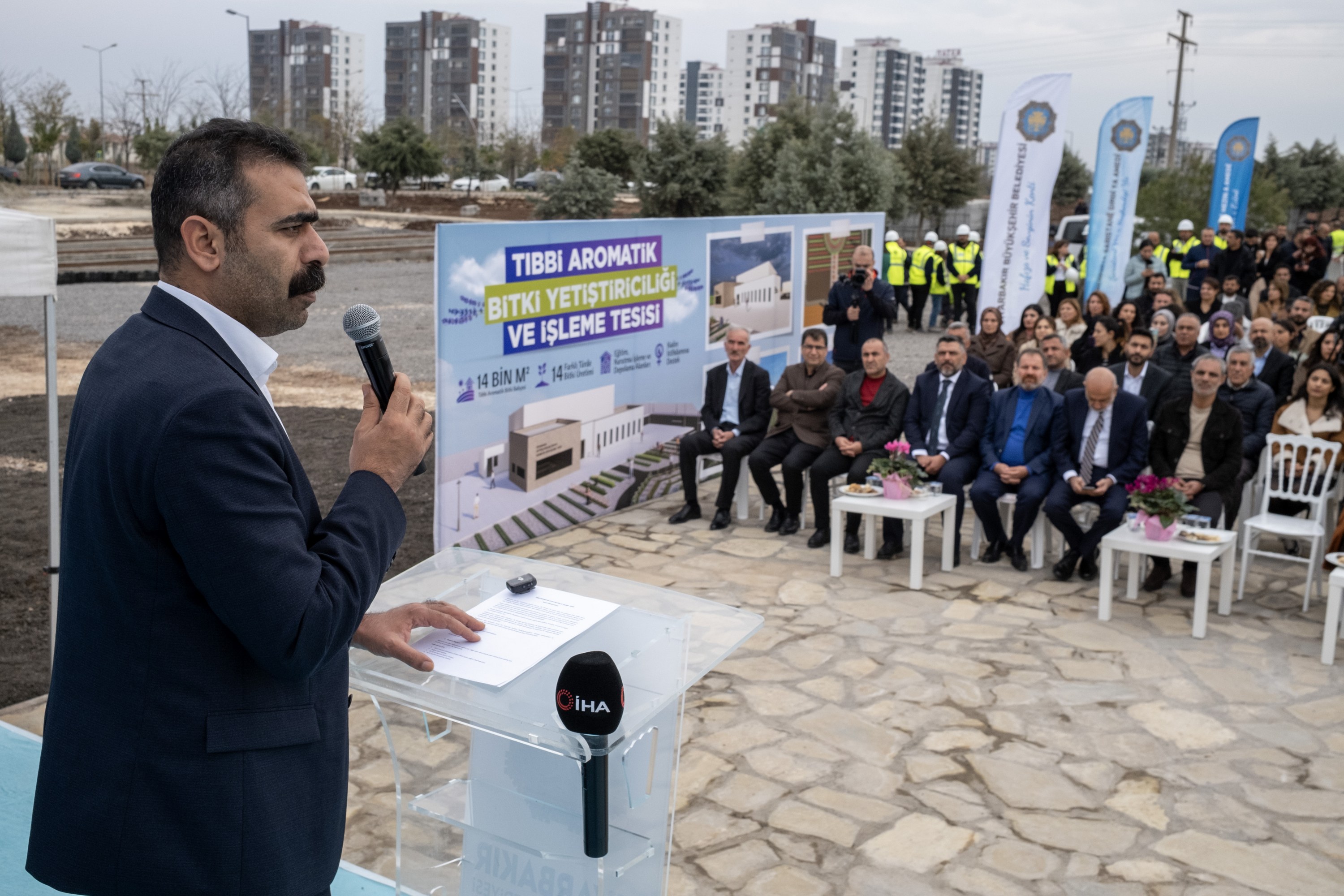
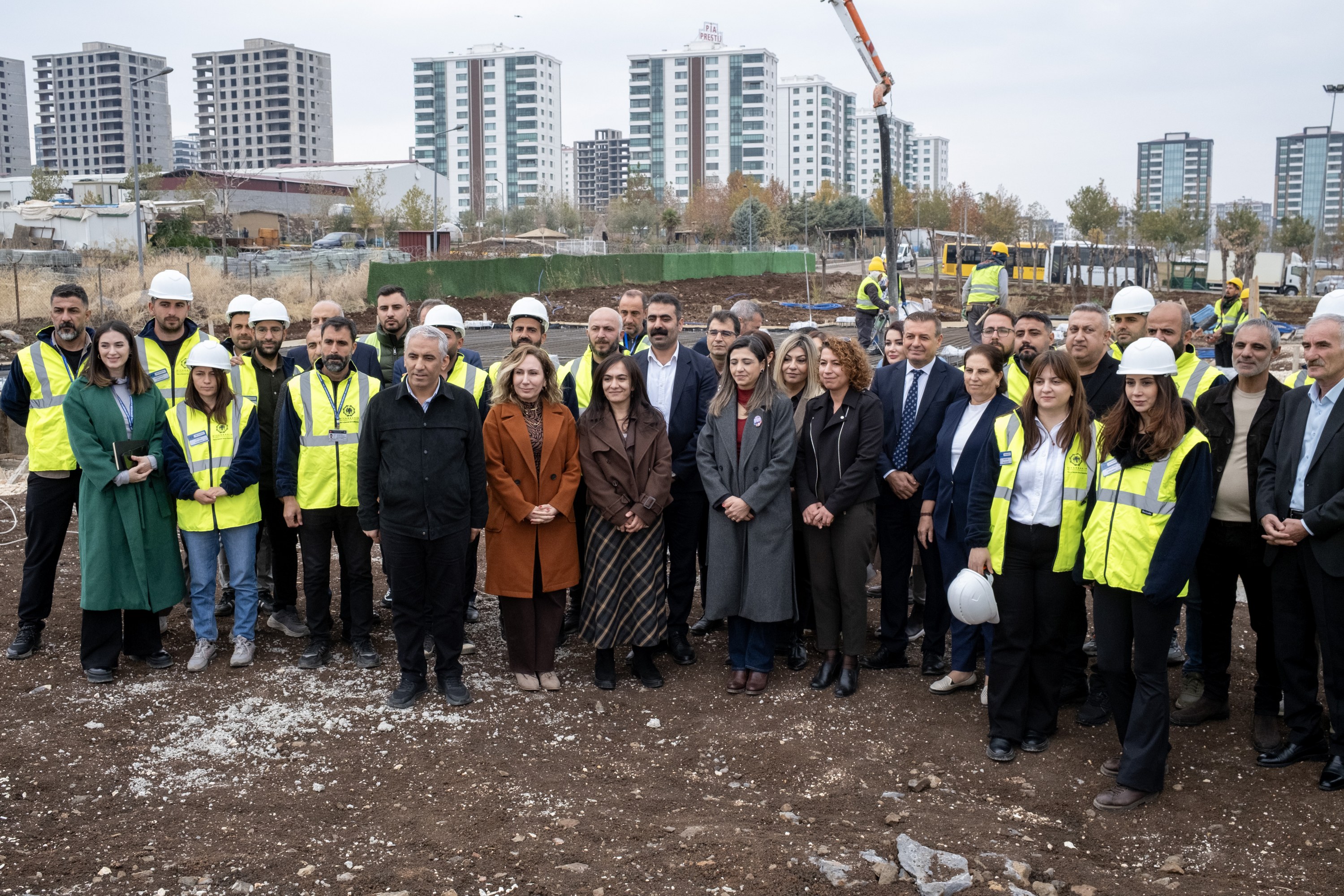
The foundation stone has been laid for the Medicinal and Aromatic Plant Cultivation and Processing Facility in Kayapınar, established on a 14,000-square-metre site and set to produce 14 different plant varieties. Speaking at the groundbreaking ceremony, Co-Mayor Doğan Hatun said the site had been developed with a communal approach, adding: “We hope this place will turn into a people’s academy and that this concrete step will spread across our entire region. Collectivism brings us together.”
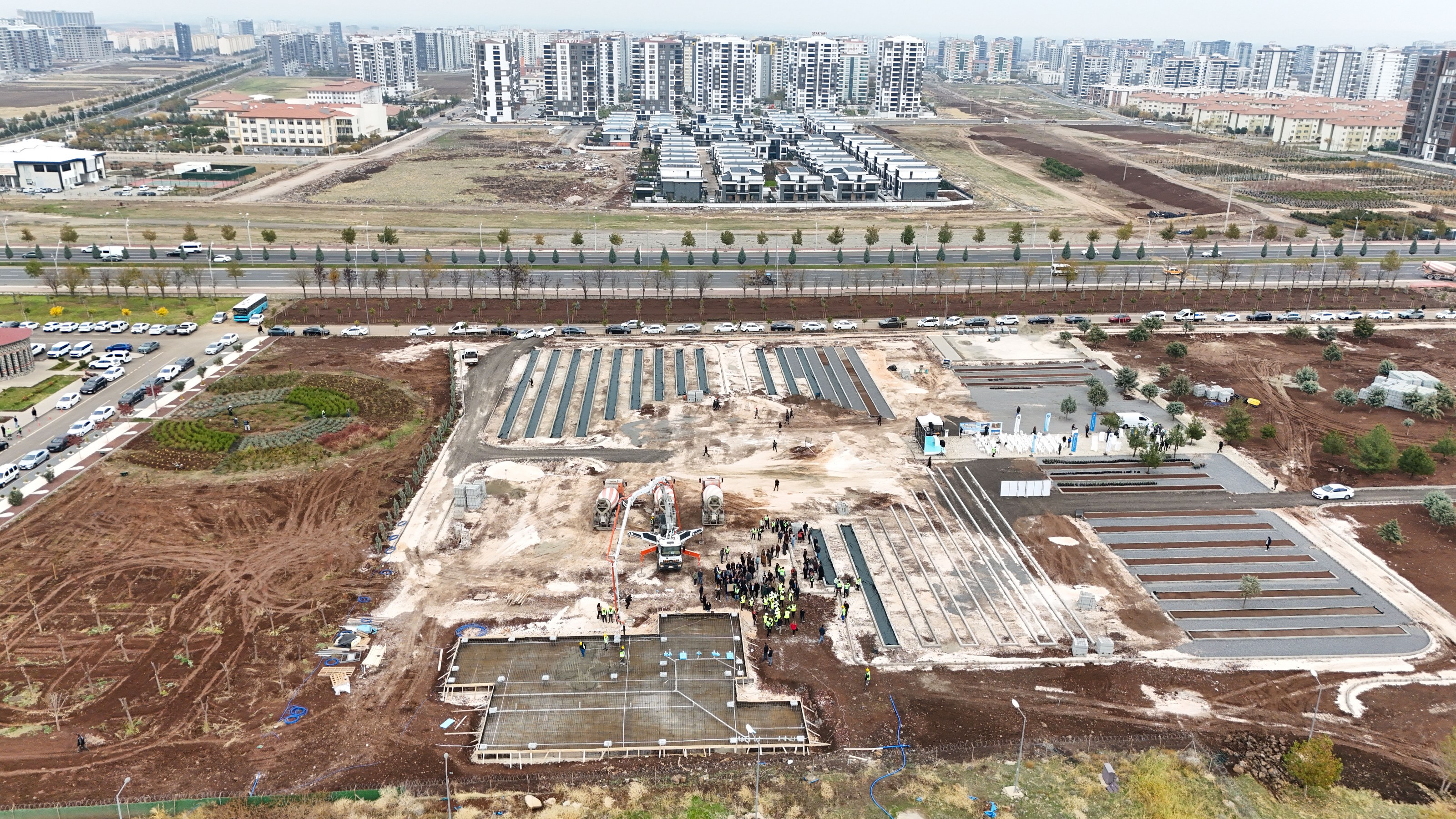
Diyarbakır Metropolitan Municipality has launched a major project that will link nature-friendly production with women’s labour. Prepared through the joint work of the Departments of Parks and Gardens, Climate Change and Zero Waste, Rural Services, Environmental Protection and Control, and Women and Family Services, the facility’s foundation was laid in Kayapınar. The facility, which will support ecological production and contribute to the economic empowerment of women and disabled people, is being established within the Parks and Gardens Department campus on a 14,000-square-metre area.
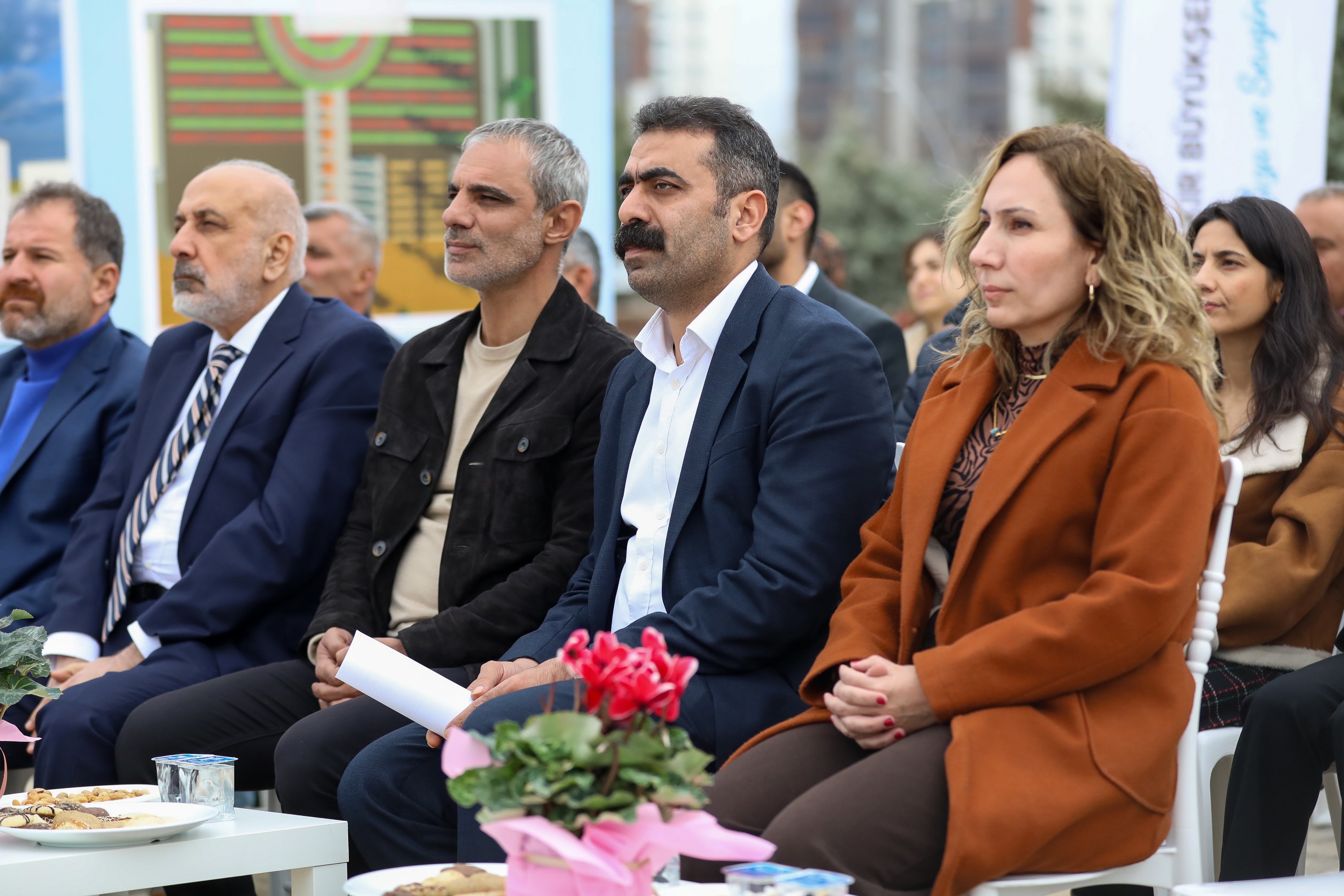
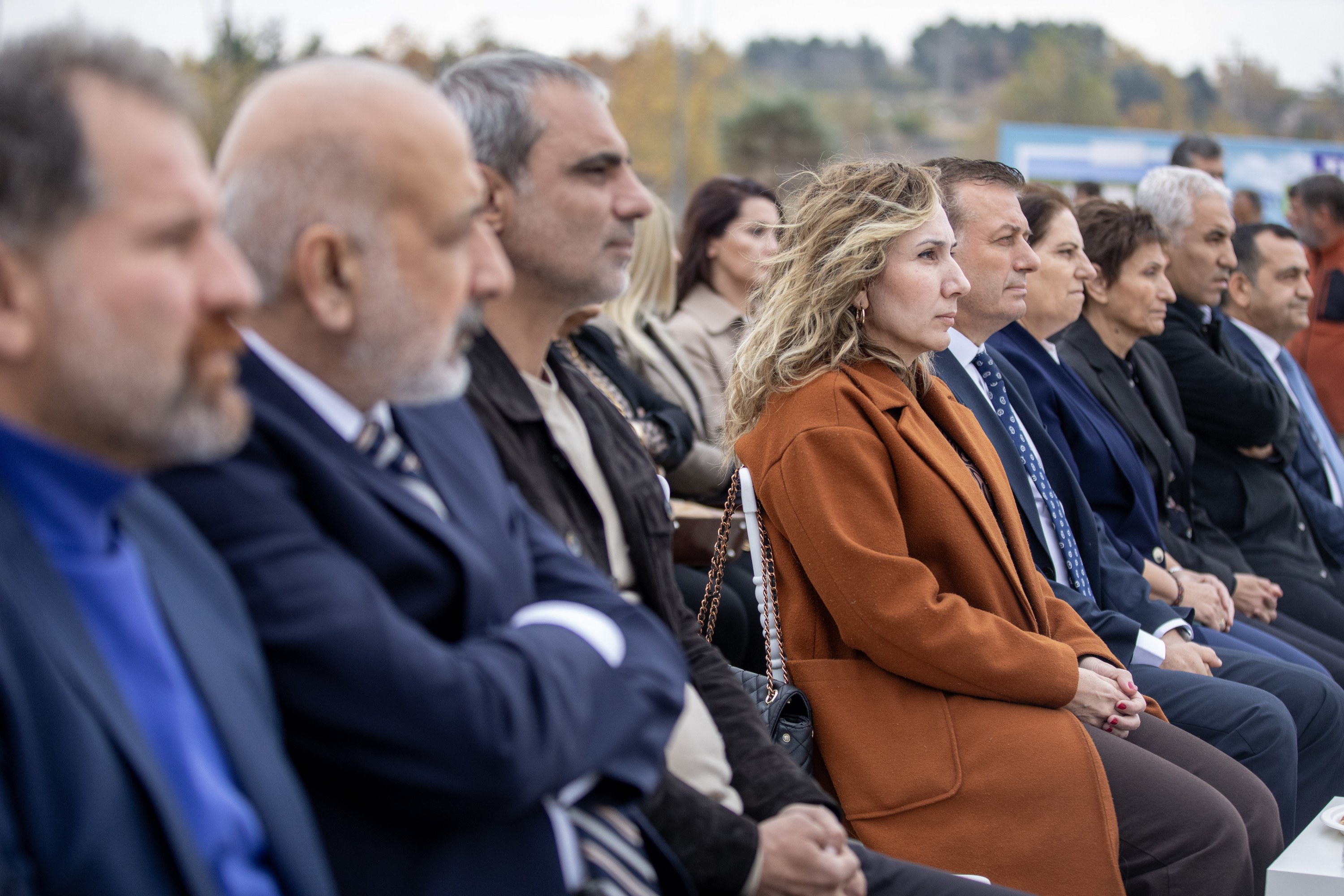
The ceremony was attended by Co-Mayor Doğan Hatun, DBB Council Co-Spokespersons Demet Ceylan and Ayhan Karatekin, DBB Secretary General Emrullah Gördük, Deputy Secretaries General Zerin Türk, Serdar Bakıroğlu and Aziz Özdoğan, council members, co-mayors of district municipalities, department heads, representatives of public institutions, ecology associations and civil society organisations.
Züleyha Aydın Balık, Head of the Biodiversity and Water Resources Unit within the Department of Climate Change and Zero Waste, shared technical information about the project.
‘We must renew our production models’
Delivering the opening address, Prof. Dr Muzaffer Denli, Dean of the Faculty of Agriculture at Dicle University, said it was a source of pride to be present at the launch of such a facility, and continued:
“Unfortunately, we are in a region experiencing drought. Our region is significant in both animal and crop production. We must renew our production models in line with the world’s changing rules. There is drought in our region due to global warming, and therefore we must recognise the need to use water efficiently. Aromatic plant cultivation is very important for our region; alongside traditional production models, we need to turn to different models and develop the agri-industrial sector. As a university, we will continue to cooperate with stakeholders in this field. We exist together.”
Co-Mayor Hatun: We Have Carried Out Strong R&D Work
Co-Mayor Doğan Hatun noted that 14 different plant varieties will be produced on a 14-decare site, stating: “We will plant some of our crops now, and the rest in spring. We have carried out strong R&D work and conducted scientific research, and six of our departments have collectively made today possible.”
‘It will create employment for women and disabled people’
Hatun underlined that the site will also serve as an employment area for women and disabled people, adding:
“A dedicated space has been created for disabled people, and accessibility has been considered down to the finest detail. This will also function as a school—a destination unit, laboratory and production site for women and farmers. From here, in front of you all, we want to make a call to our entire community: we are facing a serious drought driven by the climate crisis. We need to understand that our future is at risk. If the climate crisis continues and we persist with incorrect practices, a city like Diyarbakır—once considered water-rich—will have only around 25 years of water resources left. If we fail to take nature-friendly measures within these 25 years, we may begin to see out-migration from here. We do not have the luxury of waiting for that day.”
‘Established with a communal approach’
Hatun said the facility was developed with a communal approach, stressing that if the site is strengthened and collectivism is put into practice across all 17 districts, economic solidarity can also be organised together. Emphasising that they always prioritise science and technical expertise, she said: “Across our units, we have an academic community that has never turned us away. We hope this place will become a people’s academy and that this concrete step will spread across our entire region. Collectivism brings us together.”
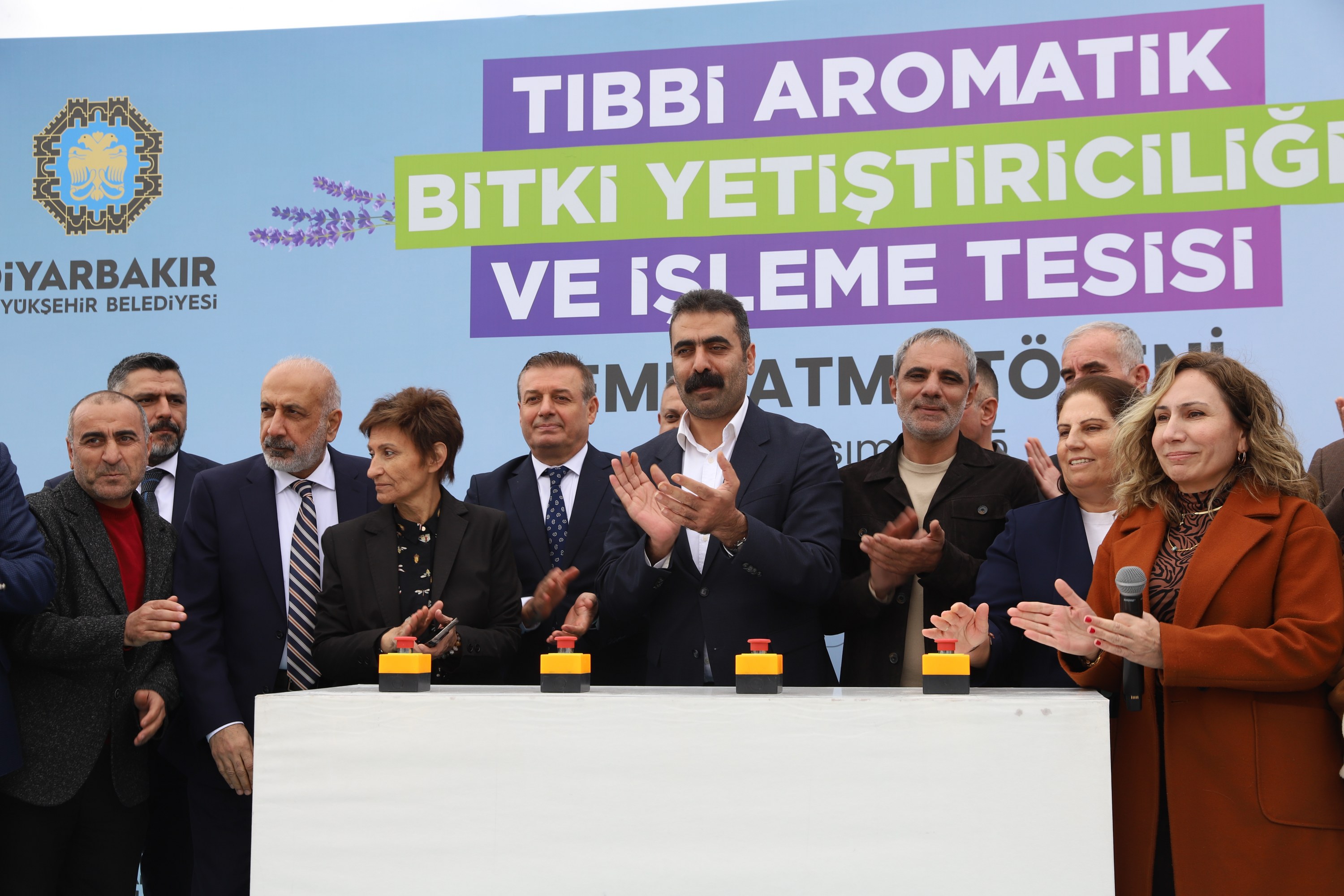
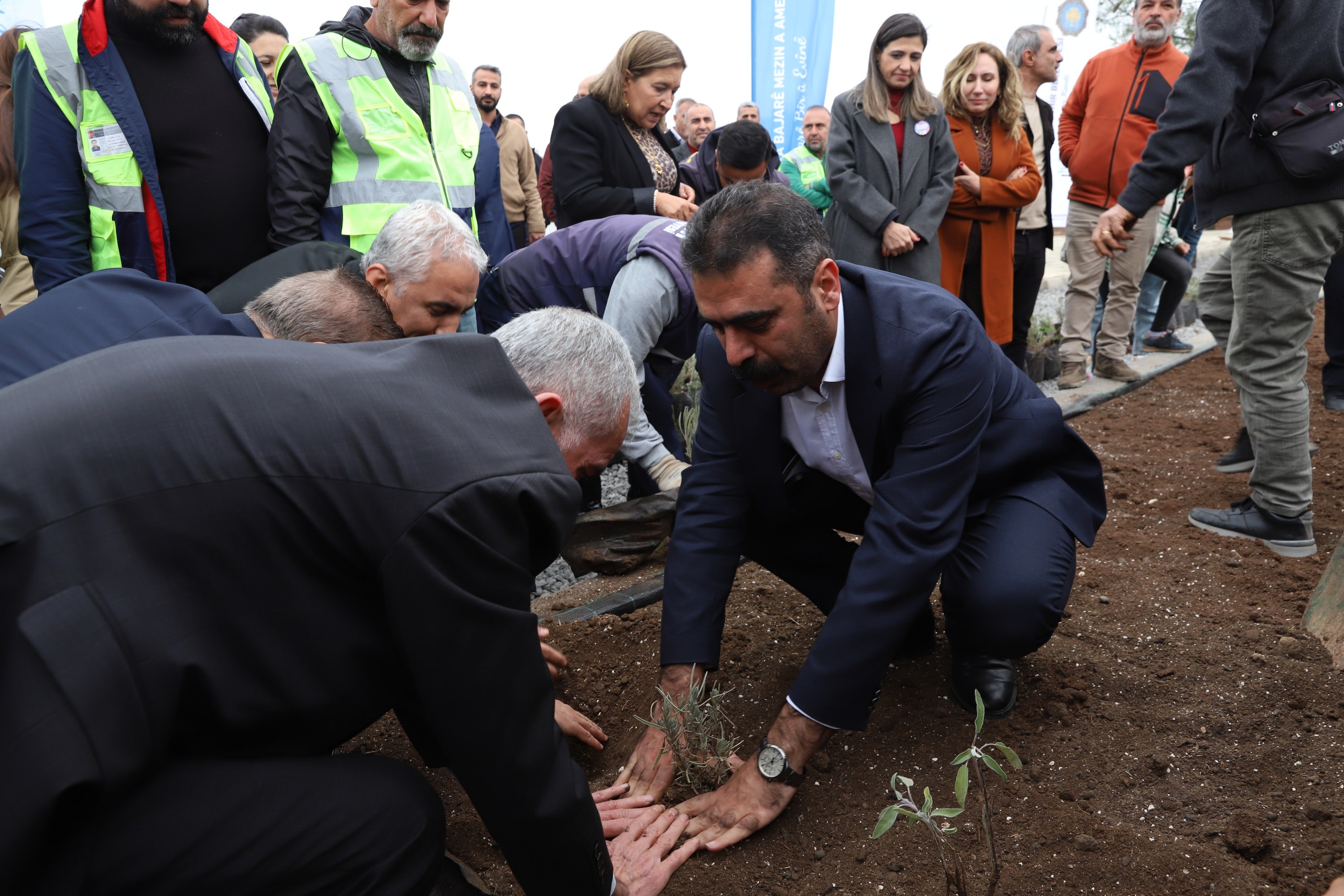
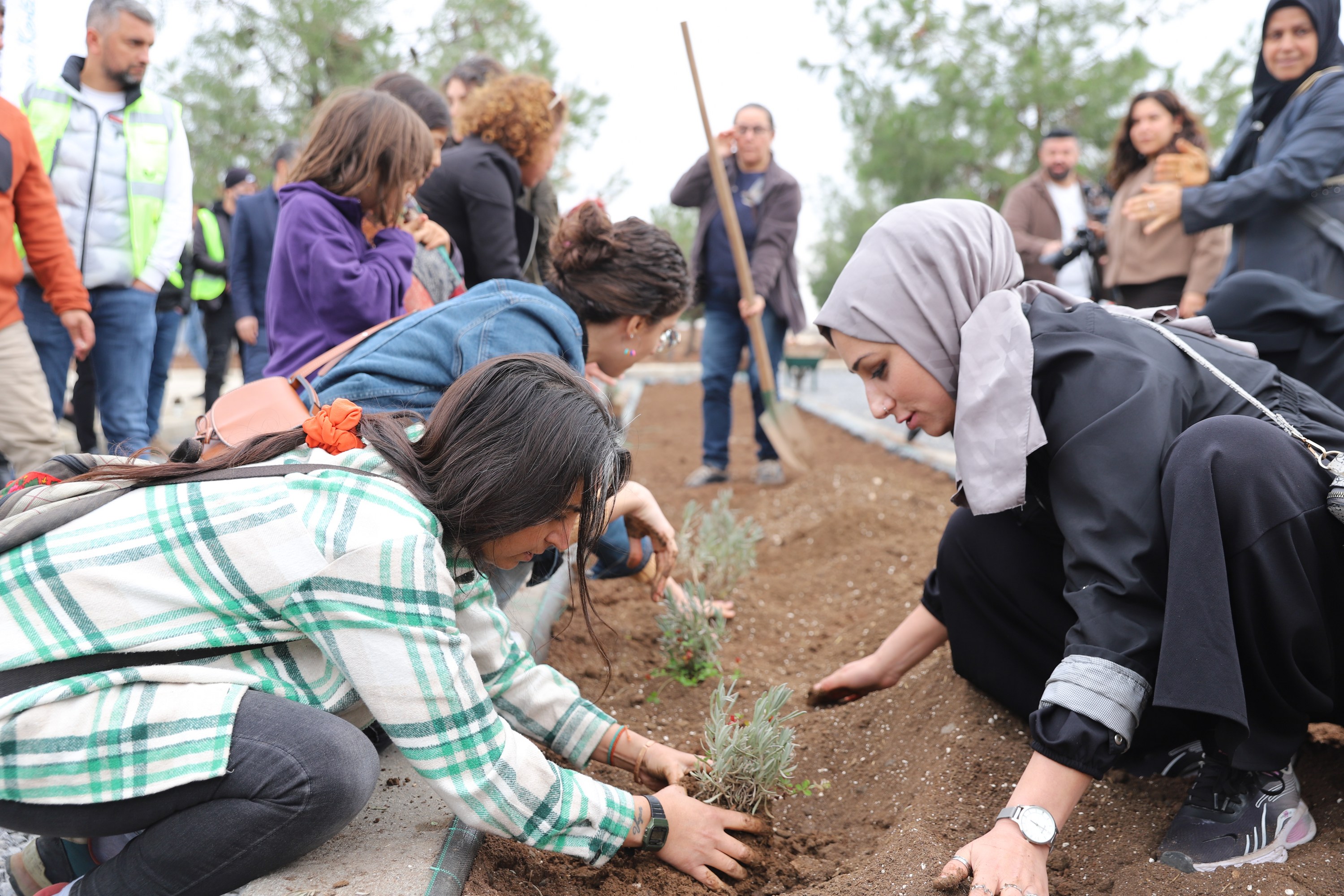
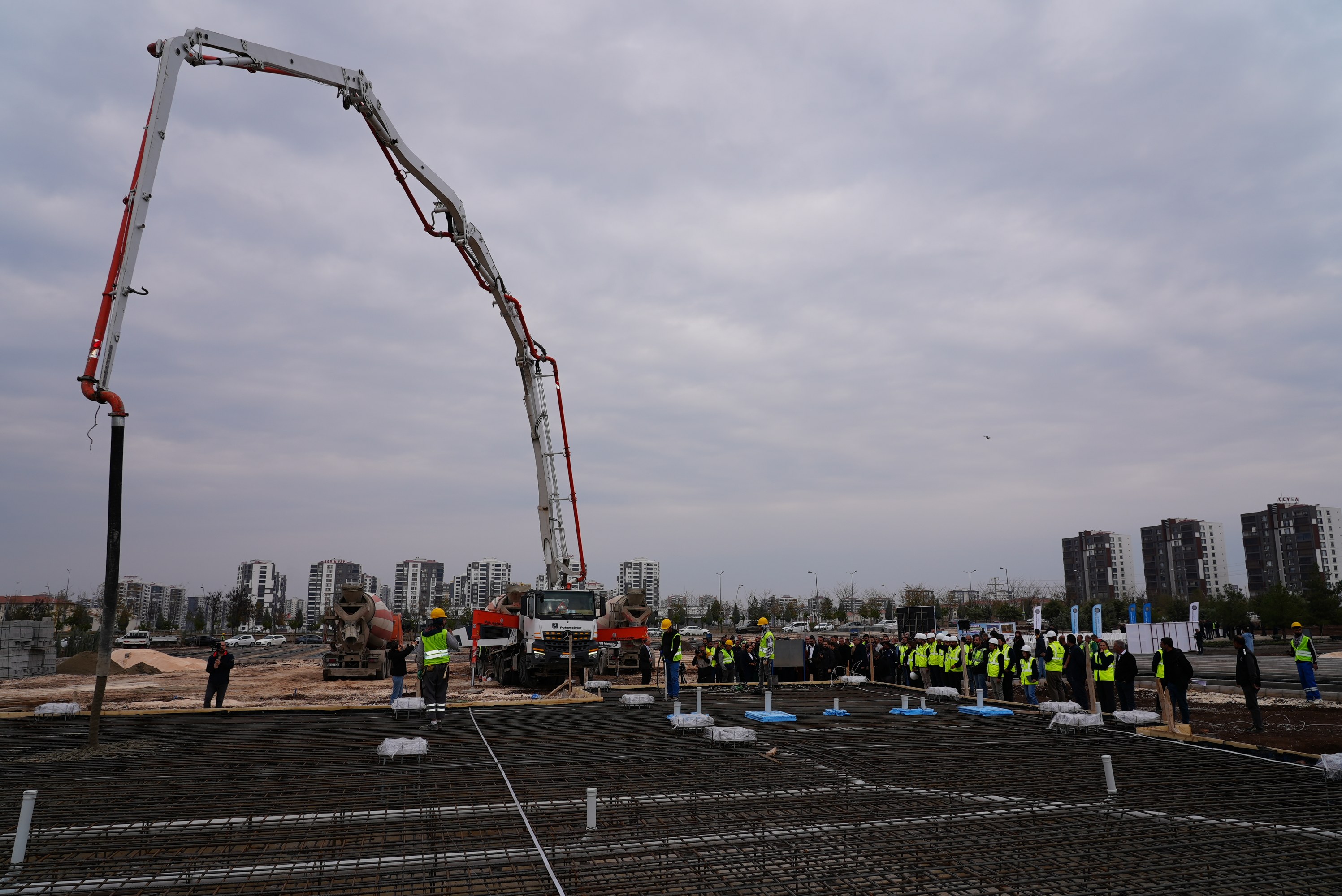
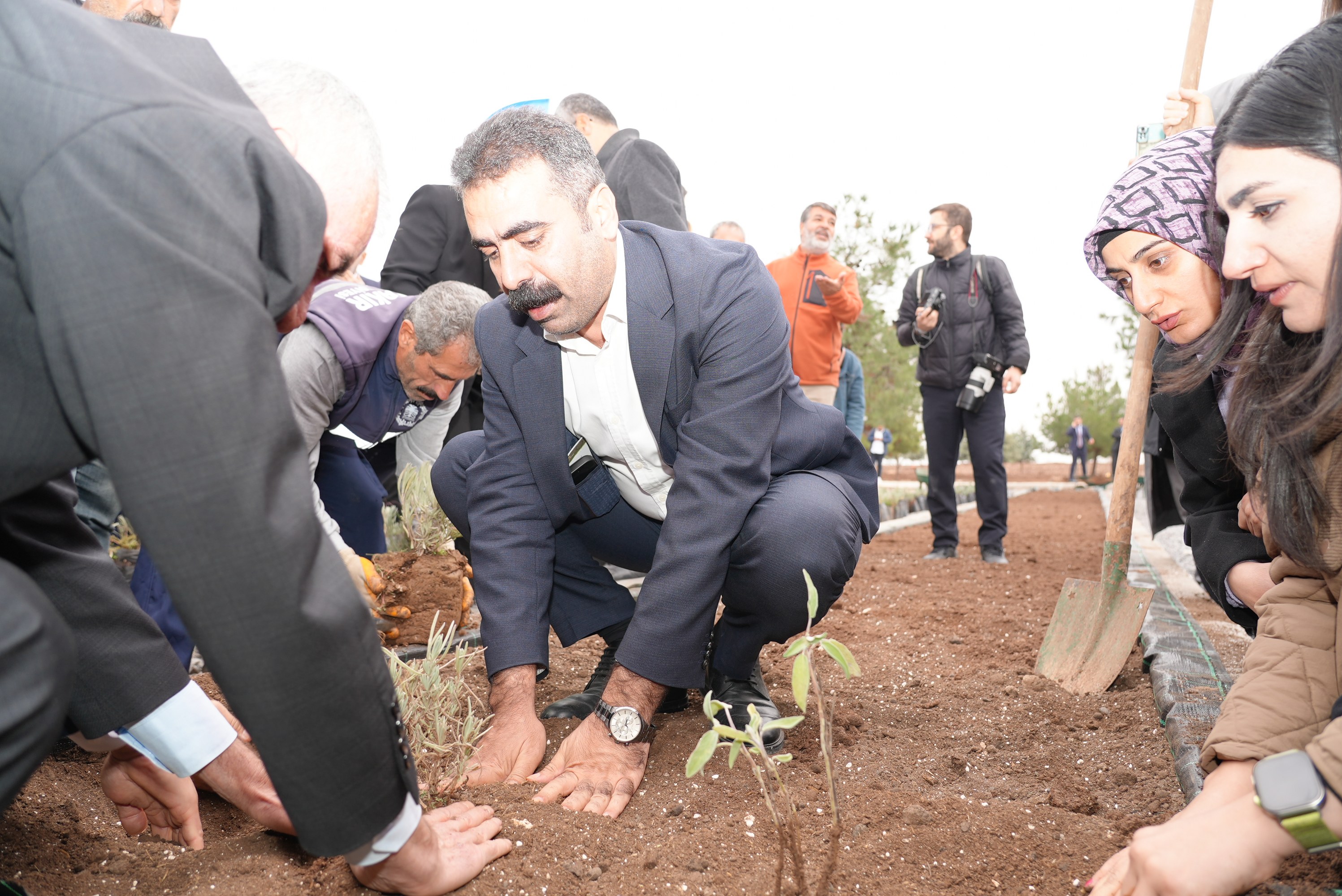
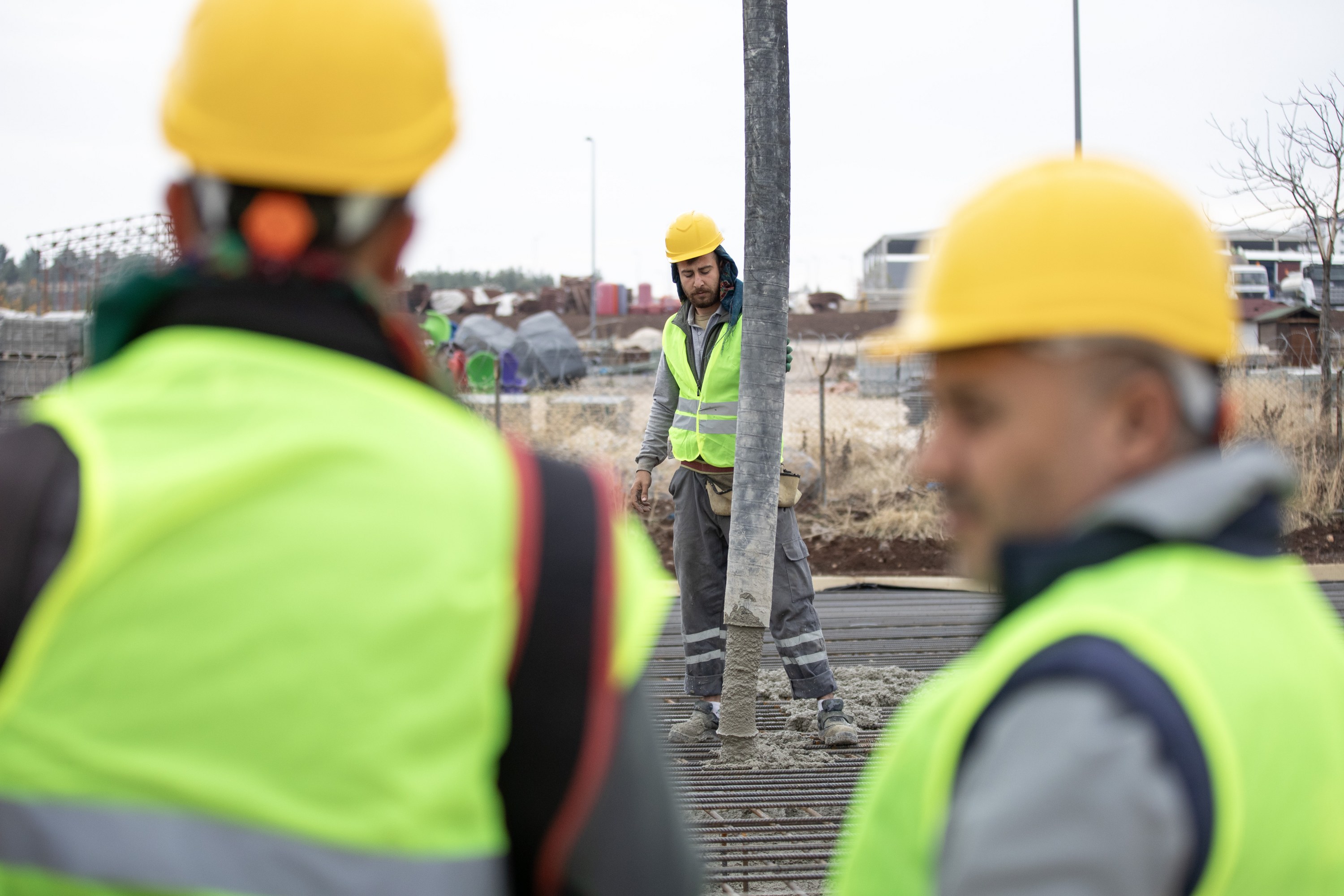
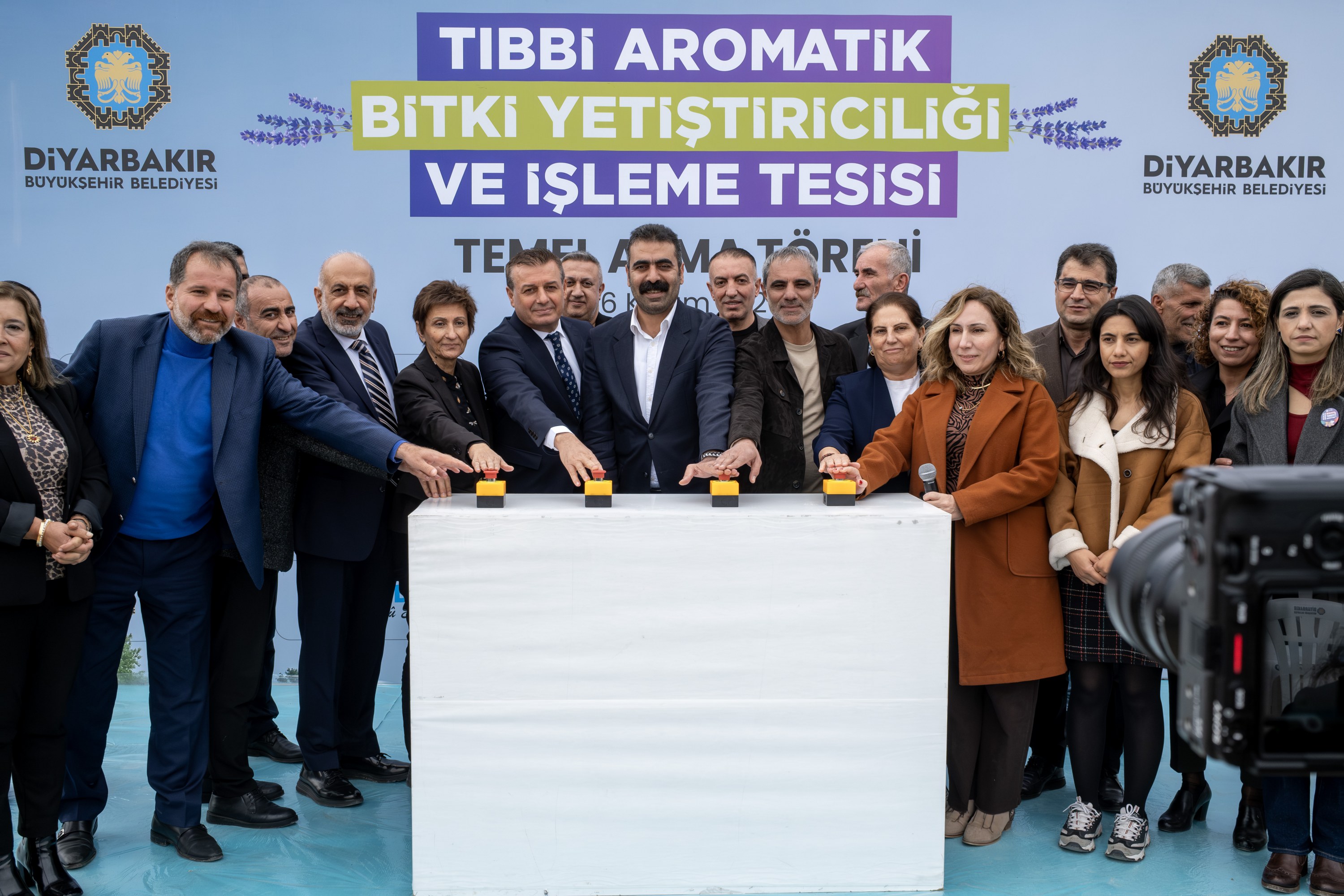
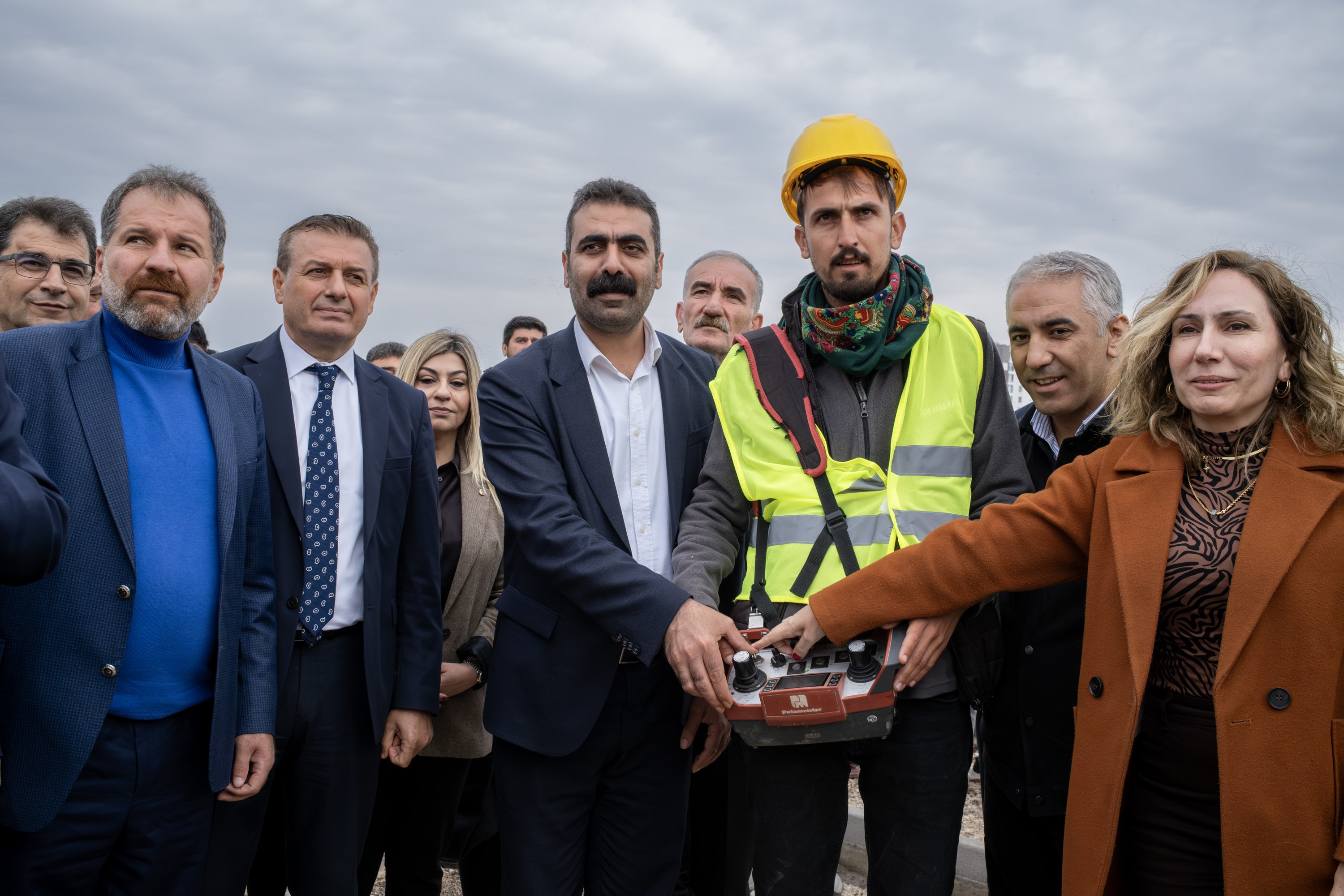
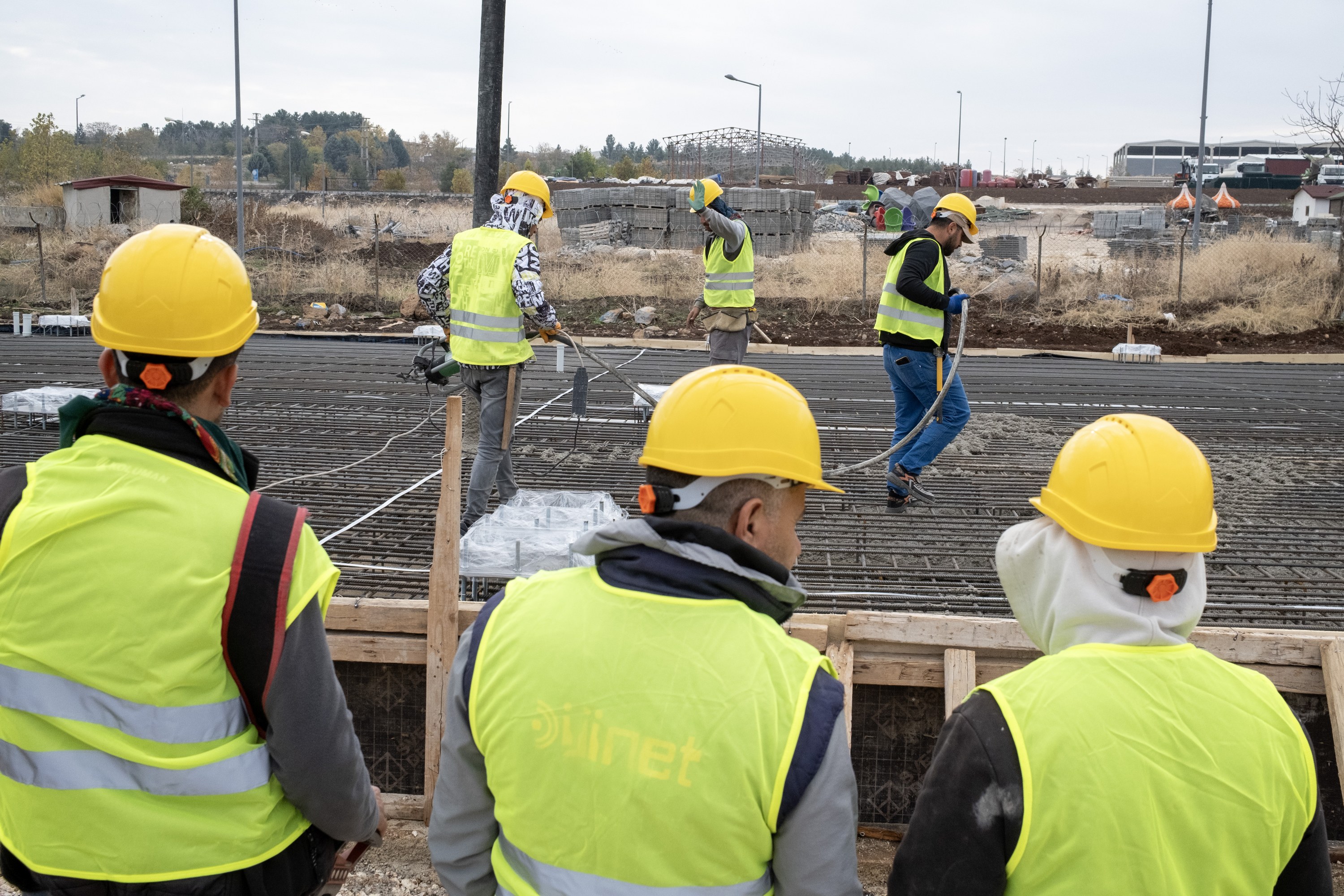
After the speeches, Co-Mayor Hatun and the accompanying delegation pressed the button to officially launch the foundation-laying ceremony. Afterwards, in the seedling-planting area, the first seedlings were planted together with women, the co-mayors and participants.
Priority for local seeds
In the garden to be established, priority will be given to local seeds. Fourteen medicinal and aromatic plant species will be produced: mountain thyme, rosemary, sage, medicinal chamomile, basil, mint, medicinal mint, echinacea, hollyhock, St John’s wort, saffron, nettle, calendula, lemon balm and bay laurel.
Aiming to strengthen women’s employment, the project includes areas for training, production, drying, storage and processing. In addition, training spaces will be established for children, disabled people, older people and women, alongside raised gardens, greenhouses, classrooms and practical training units. The Metropolitan Municipality will provide hands-on training to the women involved in the project.