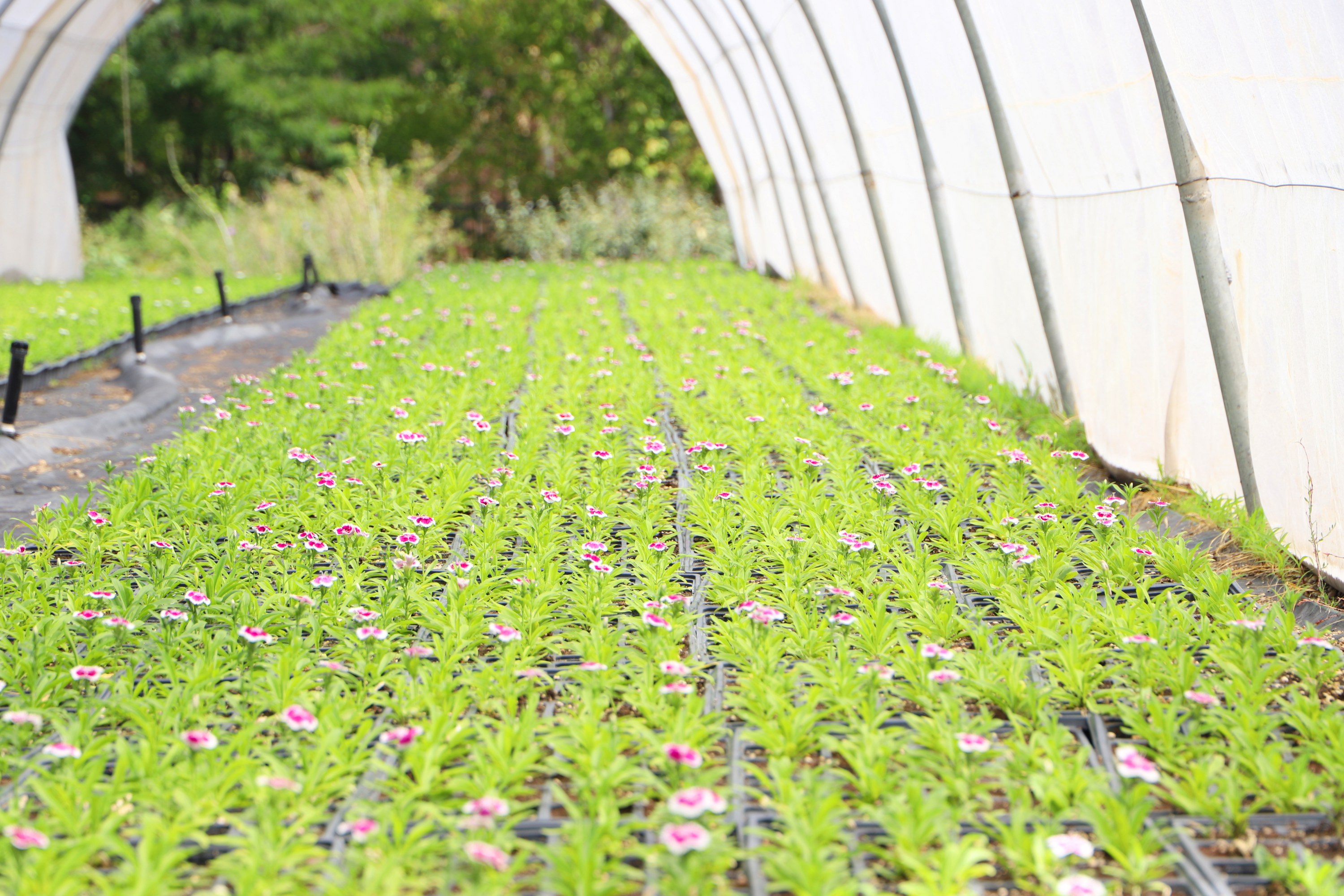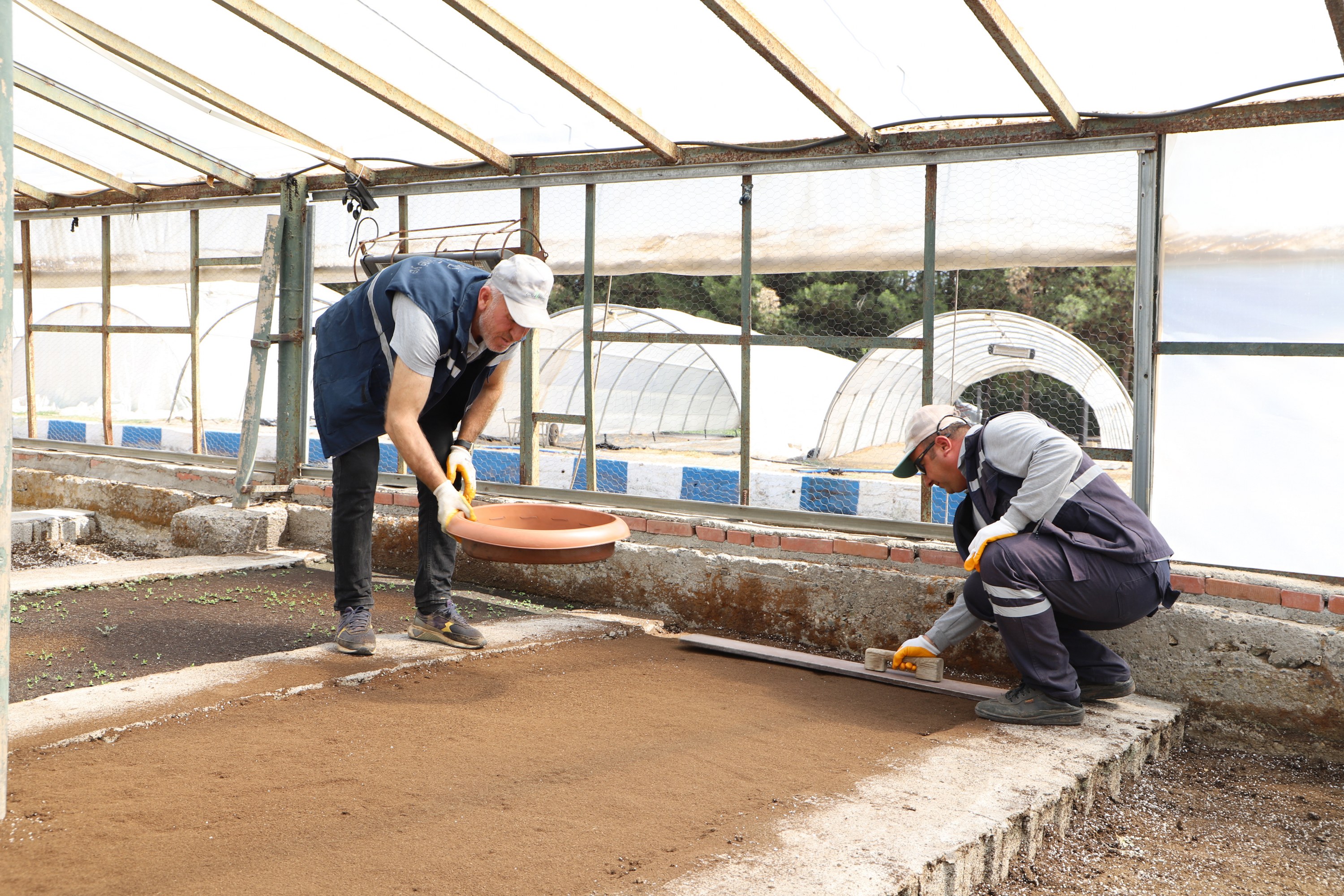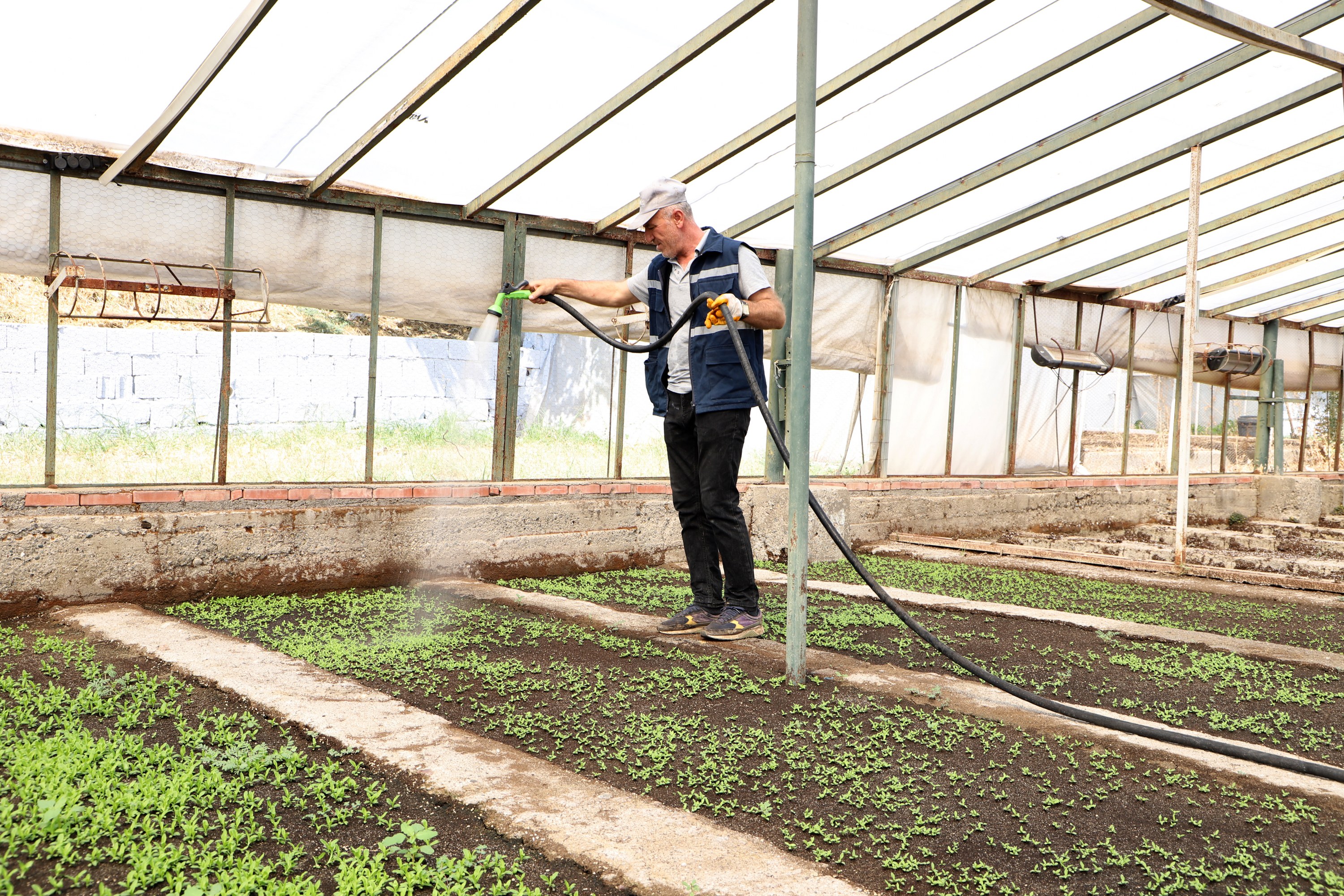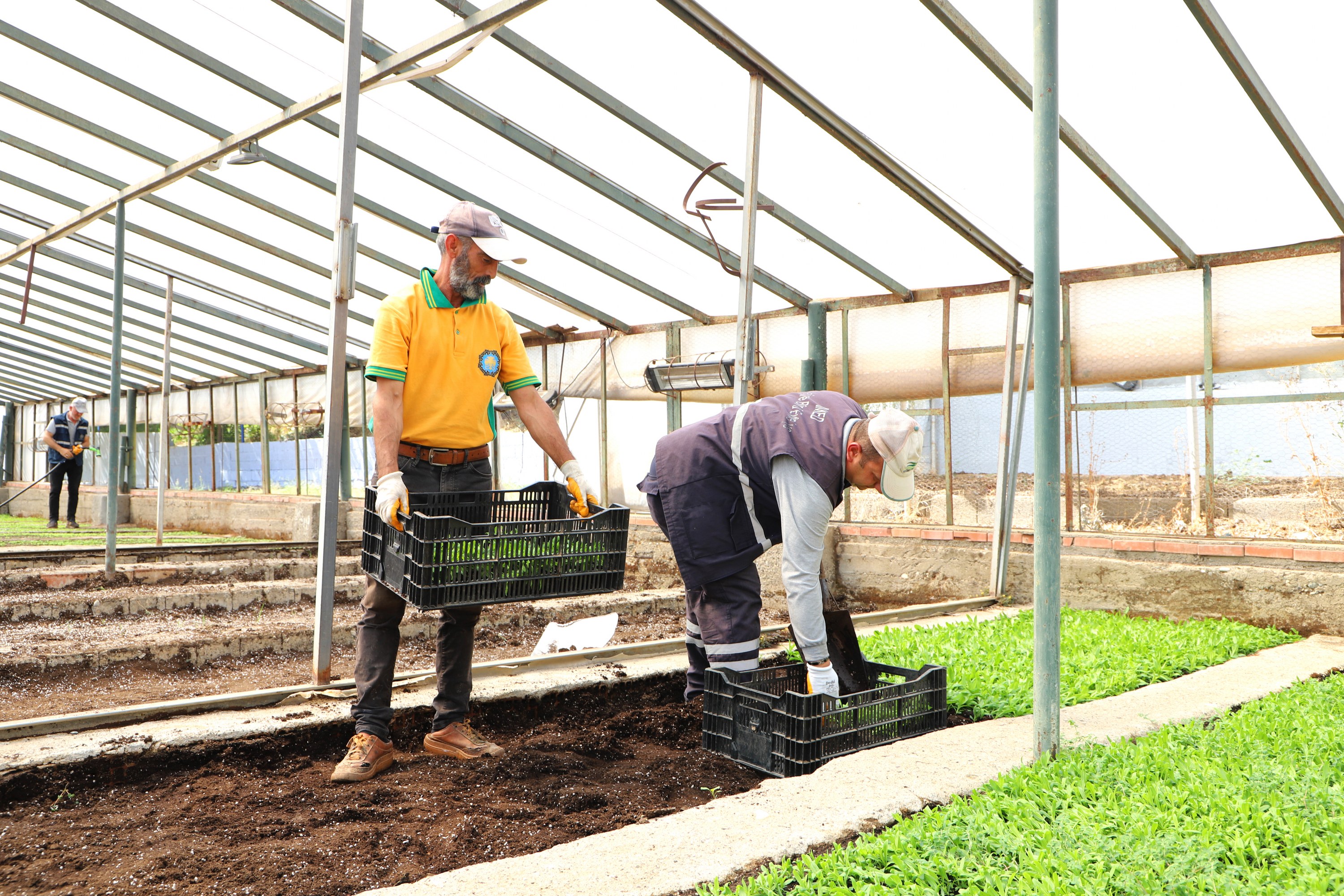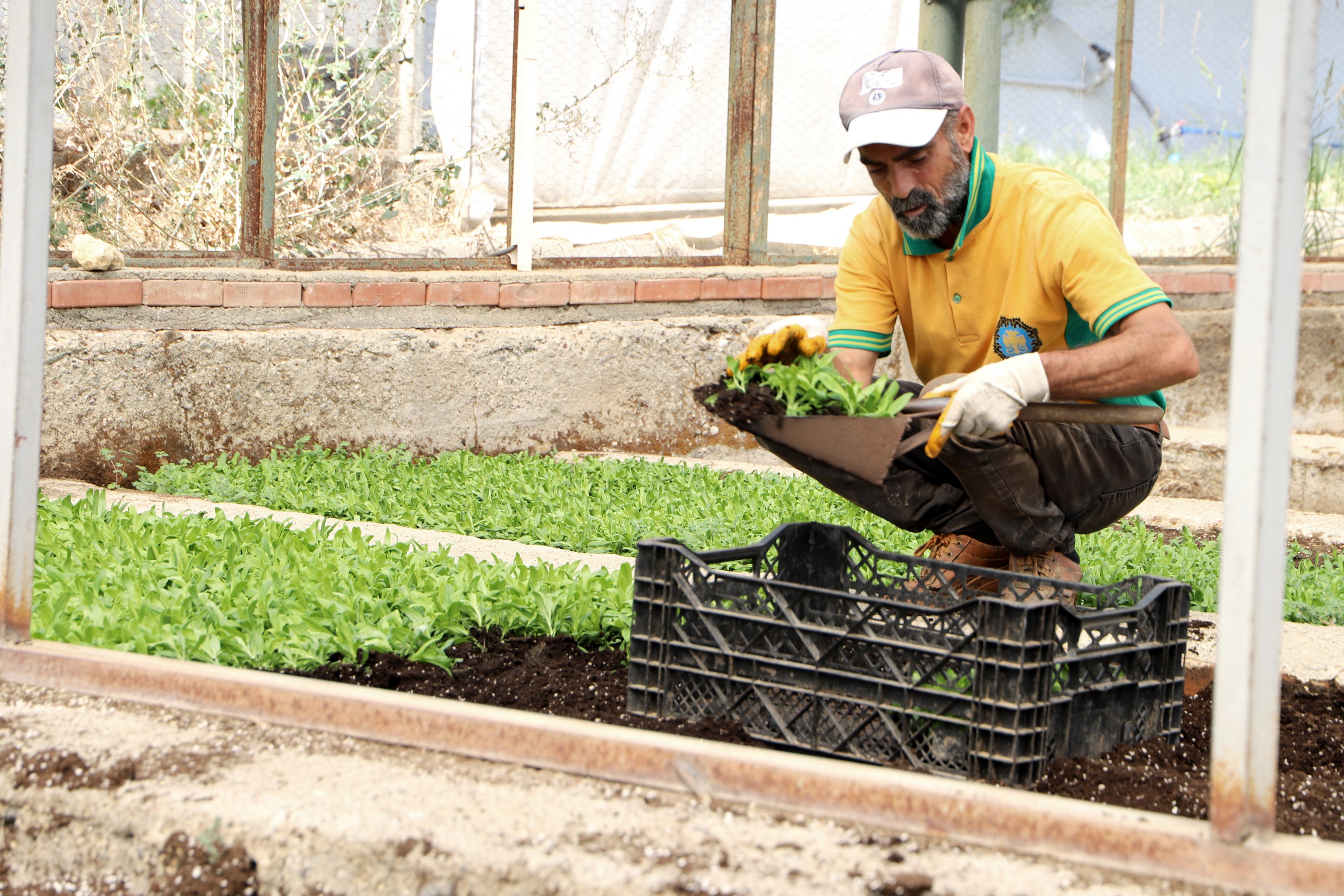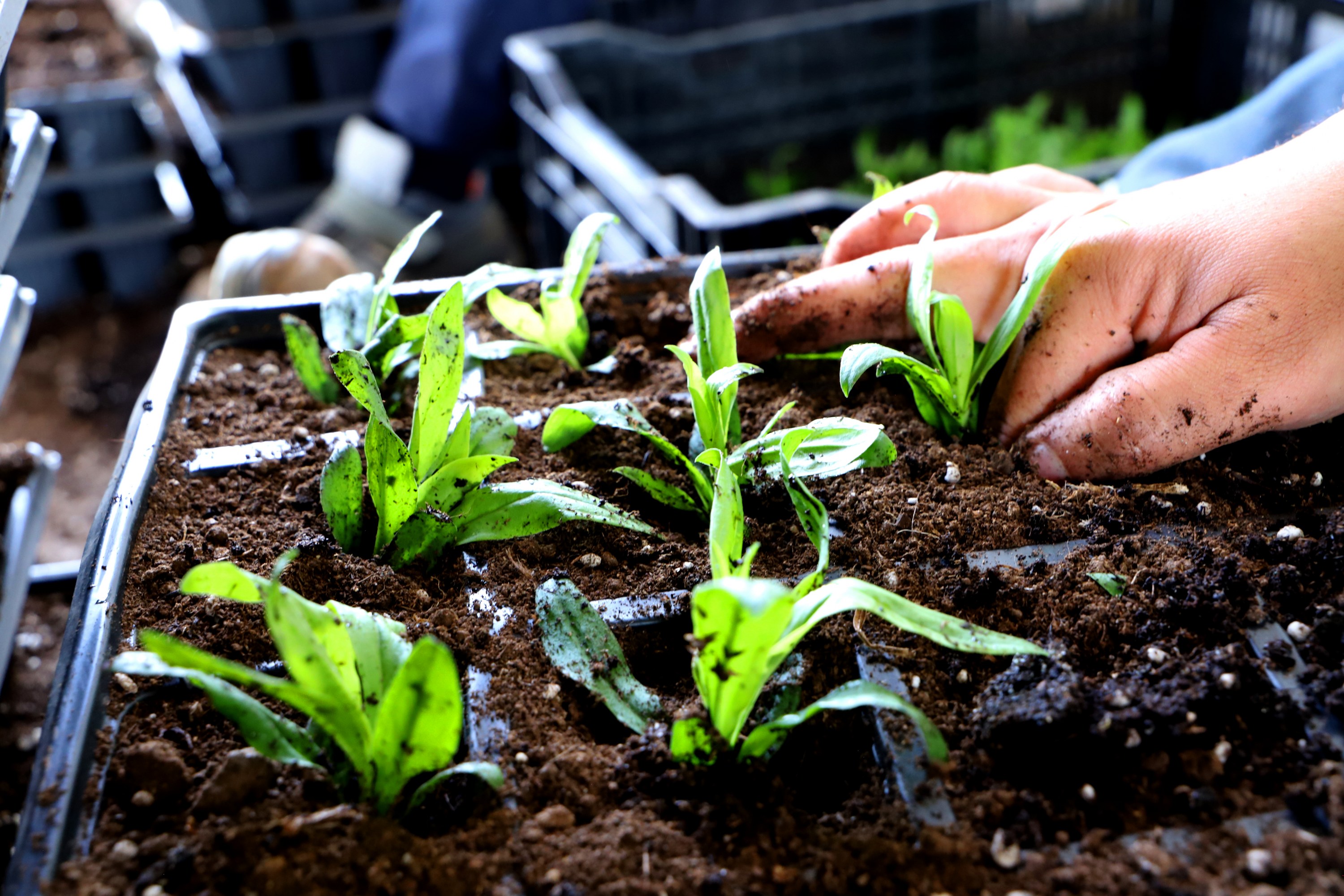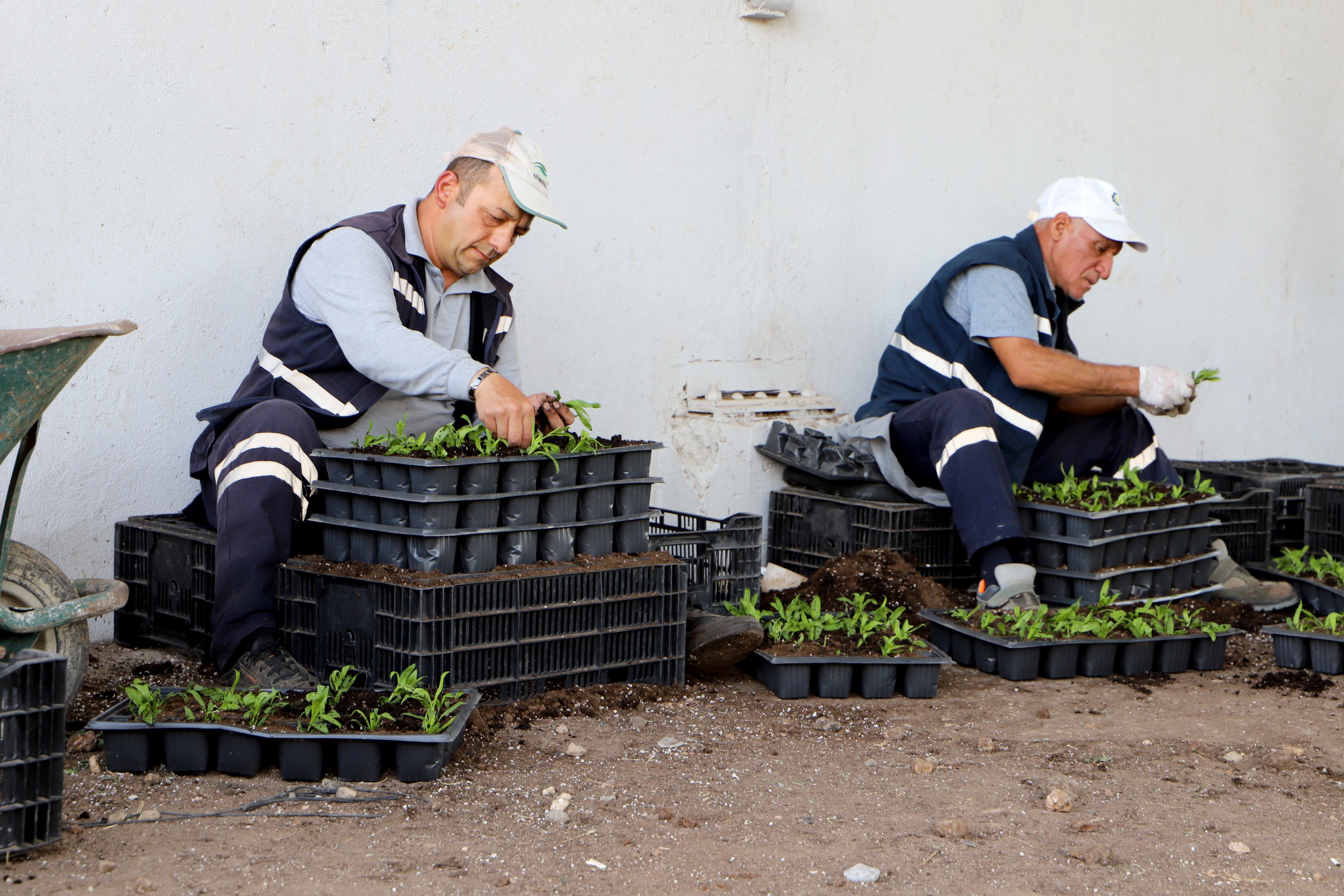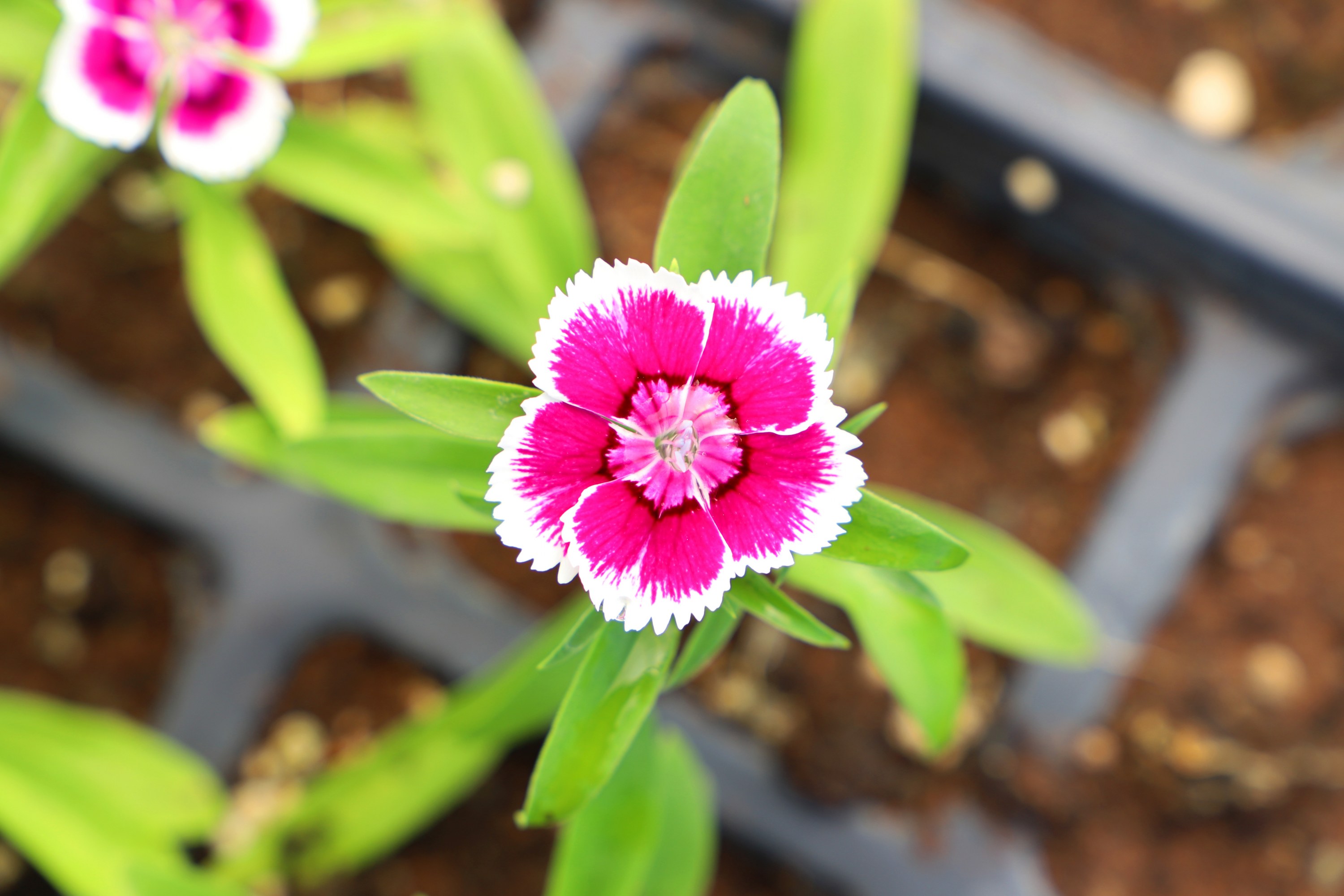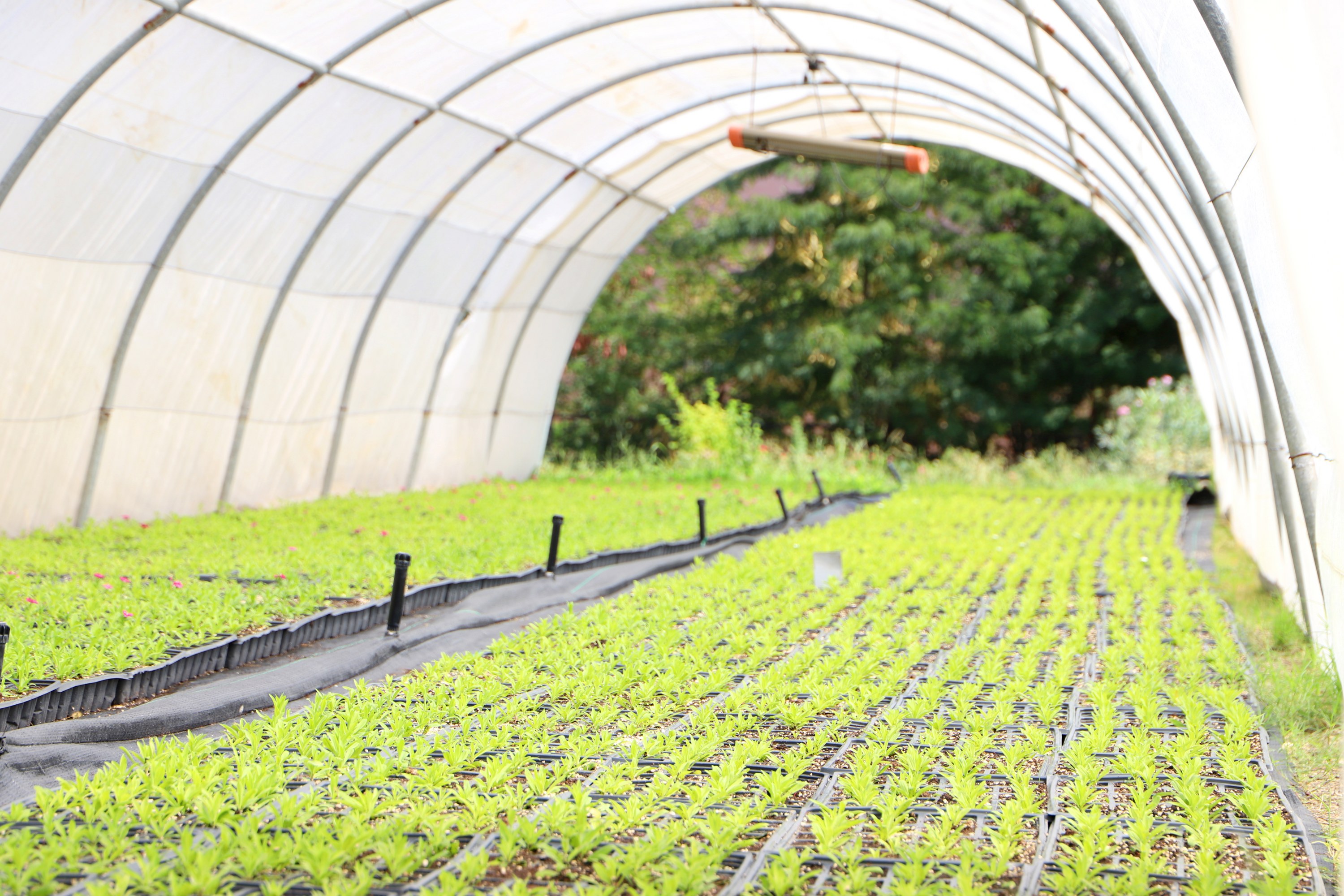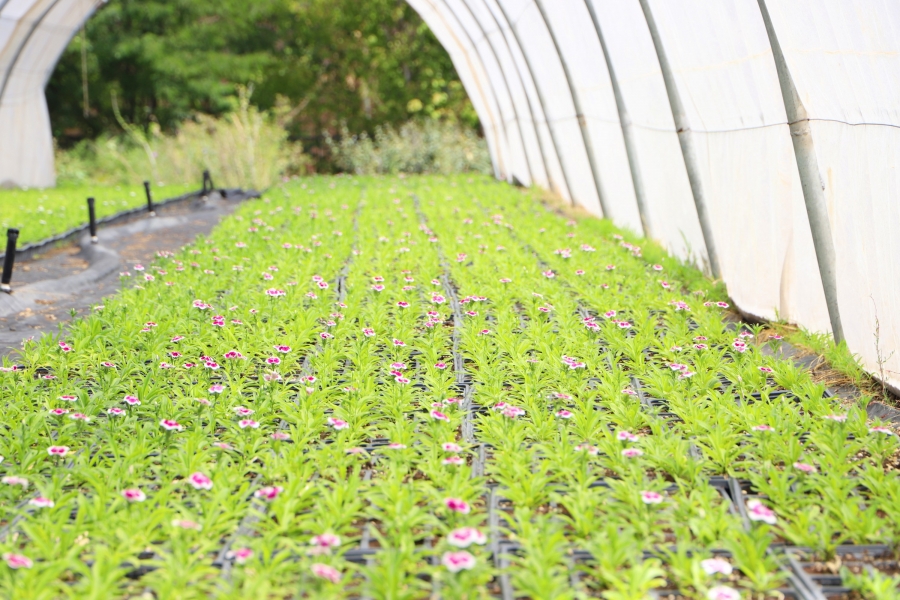
Diyarbakır Metropolitan Municipality has started producing Chinese carnations due to their variety of colours, durability, longer lifespan in soil, and cost-effectiveness.
Previously conducting flower production in two seasons—summer and winter—the Department of Parks and Gardens has now introduced a major change in plant production.
Production of 250,000 Chinese carnations begins
The teams have launched the production of Chinese carnations, which provide significant advantages over other seasonal flowers in terms of colour diversity, durability, longer soil endurance, and cost. In the first stage, 250,000 of these plants will be used in various junctions and central reservations across the city.
The Department of Parks and Gardens is cultivating the Chinese carnation—which has a long blooming period, low maintenance cost and adaptability to many climate conditions—in the greenhouses of the Nursery and Afforestation Branch Directorate located in Şilbe TOKİ.
Carnations to adorn parks, medians and junctions
With the aim of enhancing urban aesthetics and adding colour to green spaces, the Department of Parks and Gardens will plant the newly produced, ready-to-plant Chinese carnations in the parks, medians and junctions of the districts of Yenişehir, Bağlar, Kayapınar and Sur.
Produced and made ready within just about one month, the Chinese carnation offers significant advantages over many other flowers. Available in four colours—white, pink, red and purple—this plant will be planted by teams for the first time in the near future.
Planting to be expanded if successful
The Department of Parks and Gardens, which launched the project with the aim of keeping Diyarbakır vibrant with Chinese carnations throughout all four seasons, plans to expand production in the future if successful results are achieved.
Shrub production continues
The Department of Parks and Gardens also continues routine production of various types of shrubs used in landscaping. These shrubs are planted in junctions, medians and parks, contributing to the city’s aesthetic appearance.
Meeting residents’ demands
At the production unit, where the demands of residents and public institutions for plants are met, teams also continue producing Iranian pine, black cypress and blue cypress trees from seeds collected in green spaces, further enriching the city’s greenery.