The final declaration of the 2nd Mesopotamia Water Forum, hosted by Diyarbakır Metropolitan Municipality, has been shared with the public.
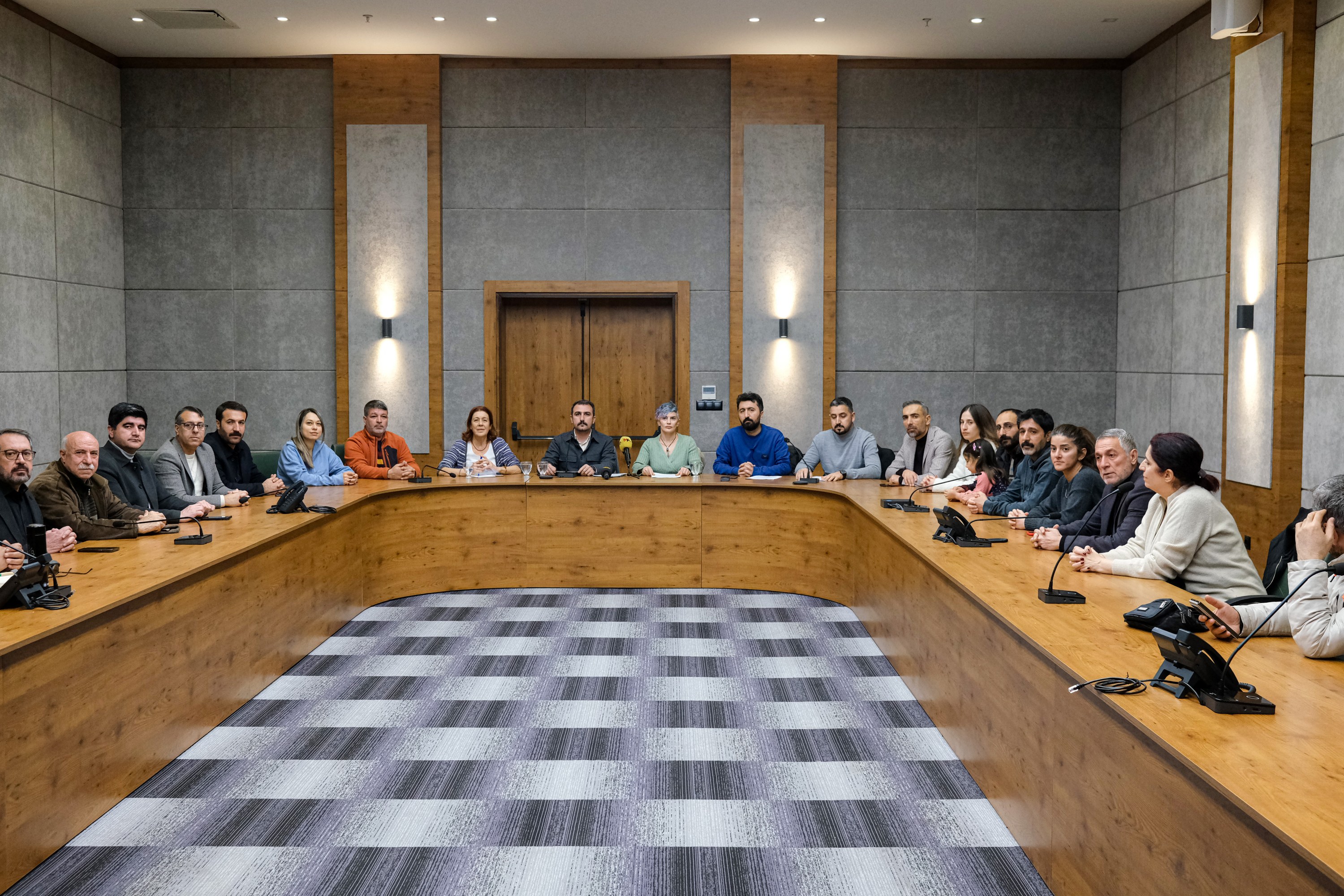
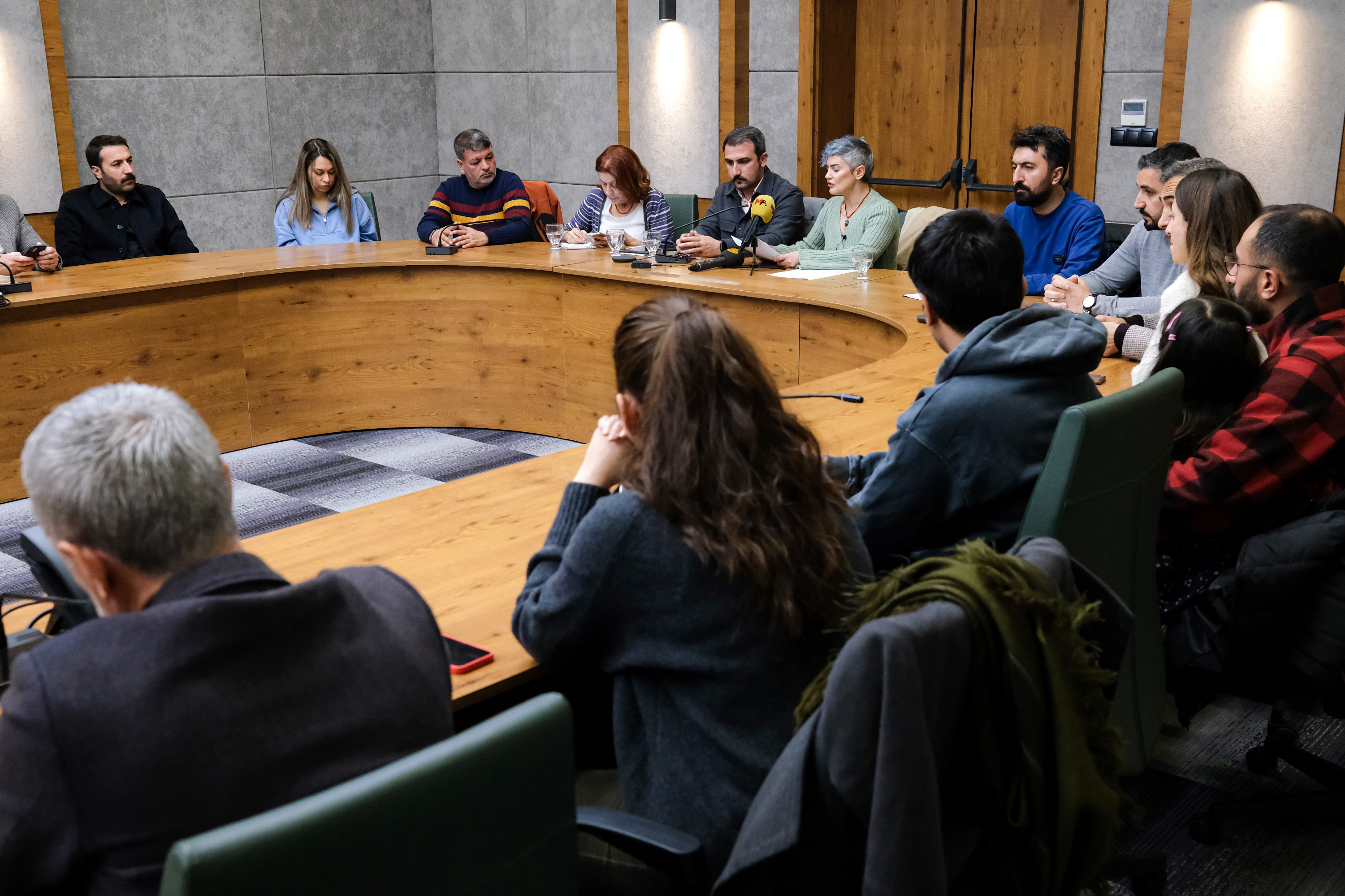
Hosted by the Metropolitan Municipality and held in Diyarbakır between 17–19 October 2025, the final declaration of the 2nd Mesopotamia Water Forum was announced at the Çand Amed Cultural and Congress Centre under the title: “Our Shared Waters, Our Shared Future: For a Water Future in Mesopotamia Shaped by the Will of Peoples!” The announcement was attended by co-mayors of district municipalities, members of the DBB Council, ecology defenders and representatives of civil society organisations.
The Turkish version of the declaration was read by ecology activist Çiğdem Akkaya, and the Kurdish version by ecology activist Agit Özdemir. The declaration underlined that obstructing the free flow of the Tigris and Euphrates rivers is not merely an ecological issue, but also a matter of social justice and peace.
Mesopotamia’s Water Memory
The forum drew attention to Mesopotamia’s millennia-old water memory, stressing that in this geography water is not only a natural resource, but a foundational element of cultural, faith-based and social life.
The declaration noted that the water crisis in Mesopotamia cannot be explained solely by climate change. It emphasised that dams, hydropower projects (HES), mining activities, securitised practices and capital-oriented development policies have caused profound ecological destruction across the Tigris and Euphrates basin. It stated that in Iran’s Kurdish region, 1,300 dams and 120,000 drilling wells have depleted groundwater resources, and that in Türkiye the valleys of Munzur, Zilan, Botan, Murat, Tigris and Zap have been damaged by dam projects.
Emphasis on Socio-Ecological Destruction
The declaration stated that the centrally planned, capital-oriented structure of the Southeastern Anatolia Project (GAP) has commodified water. It noted that this approach has dismantled smallholder farming, submerged wide valleys, and destroyed ecosystems. It further reported that soil fertility has declined in lower basins, salinisation has increased, and subsistence production has collapsed—deepening forced migration and socio-ecological damage.
“Water is a Right to Life, Not a Commodity”
Forum participants opposed leaving water to market relations and the monopoly of states, underscoring that water is a fundamental right to life. The declaration argued that rivers should be recognised not as “resources” but as living entities with legal rights, and announced that a rights-based legal struggle would be pursued for the Tigris and Euphrates at both national and international levels.
Call Against Mega Projects and Mining
The final declaration called for an end to ongoing and planned mega dam projects, particularly the Silvan and Cizre dams. It stated that dams causing ecological destruction and those that have exceeded their operational lifespan should be dismantled, and demanded the termination of mining, hydrocarbon exploration, shale gas drilling, and industrial activities that pollute water.
It also stressed the need to adopt agroecological production and a food sovereignty approach instead of industrial agriculture, underlining that this model would both protect water assets and strengthen communities’ capacity to feed themselves.
Mesopotamia Water Assembly
The forum emphasised that water diplomacy should be removed from the monopoly of states and corporations. The declaration announced as a core objective the establishment of water communes from villages to cities, and the creation of a Mesopotamia Water Assembly as a federative structure for these bodies. It also called for solidarity networks among river cities such as Amed, Sulaymaniyah, Basra, Mosul, Baghdad and Hasakah.
Role of Local Authorities
Pointing to the role of local authorities, the final declaration stated: “Local administrations of cities and settlements along riverbanks must play an active role in diplomatic processes and in water-related policies. The future of rivers cannot be left to directives issued from distant centres. This future should be determined by the will of the peoples who live where the water flows. For this reason, local authorities must take as their basis the will of collective structures that will protect water. These structures will be legitimate bodies representing the peoples’ right to have a say, and a force that organises diplomatic processes from the grassroots.”
Women’s Water Diplomacy Working Group
The declaration highlighted women’s leading role in the struggle for water and announced that a Women’s Water Diplomacy Working Group will be established with an ecofeminist perspective. It stated that patriarchal policies deepen the water crisis, and underlined that gender equality is an inseparable part of ecological justice.
Next Forum to Be Held in Southern Iraq
In the concluding section, it was announced that the Mesopotamia Water Network will be expanded and that preparations will begin to hold the next Mesopotamia Water Forum in Southern Iraq. Participants stated that international solidarity will be strengthened to protect the Mesopotamian marshes, lakes, reed beds and all living ecosystems.
The final declaration also included the following call: “The freedom of water is the foundation of peace. Peoples who liberate rivers nurture life and peace. Peoples who liberate water, liberate life and expand peace.”