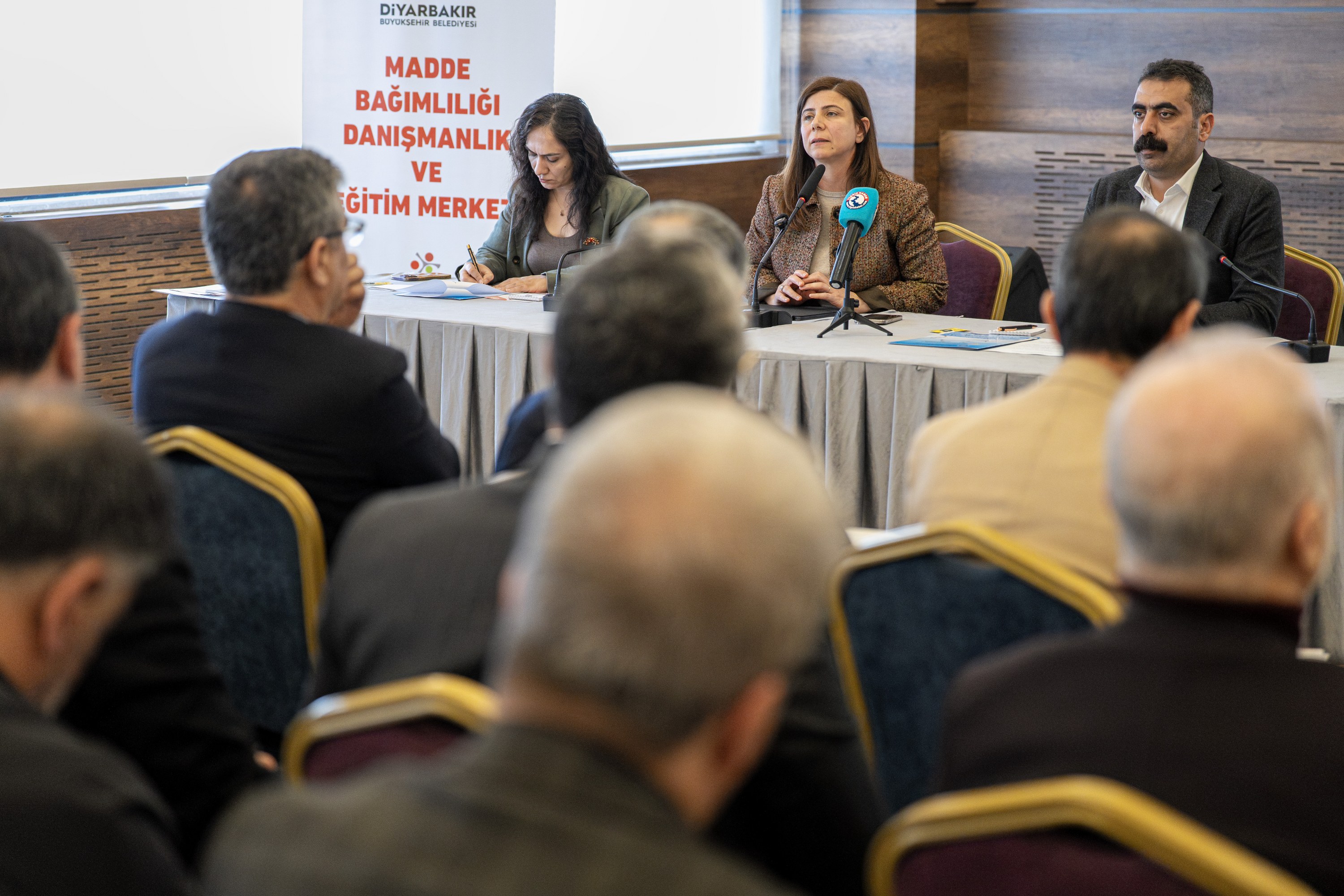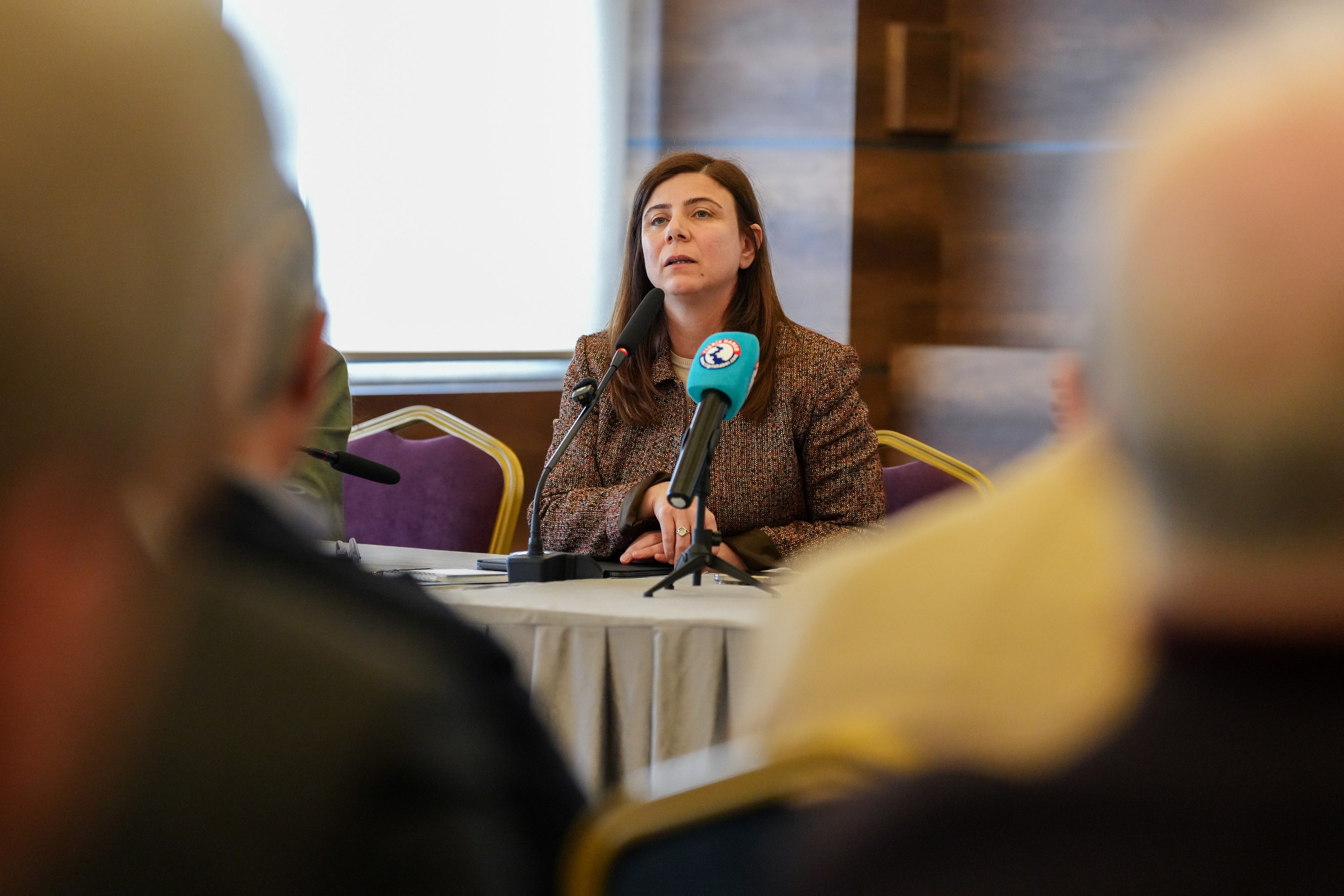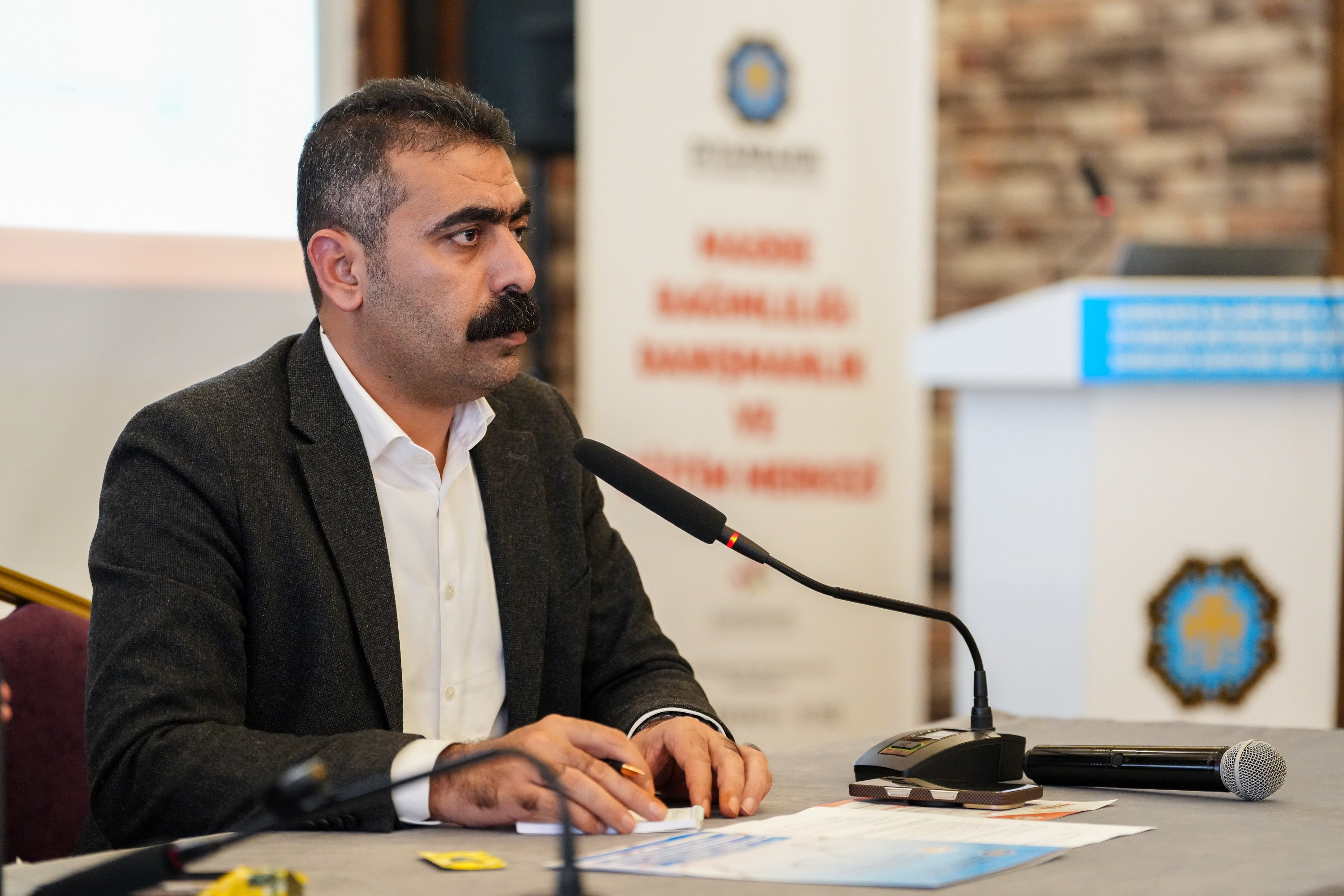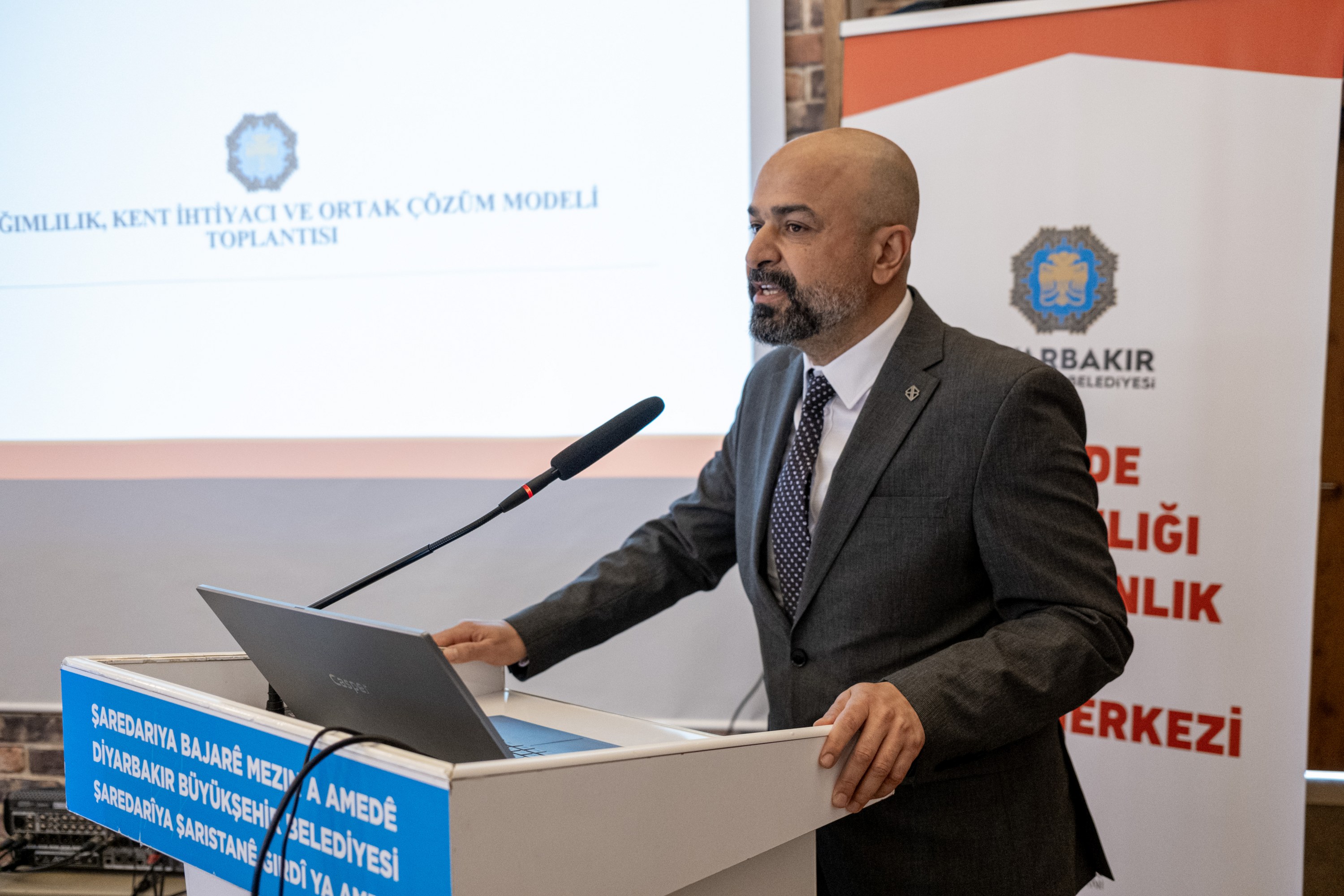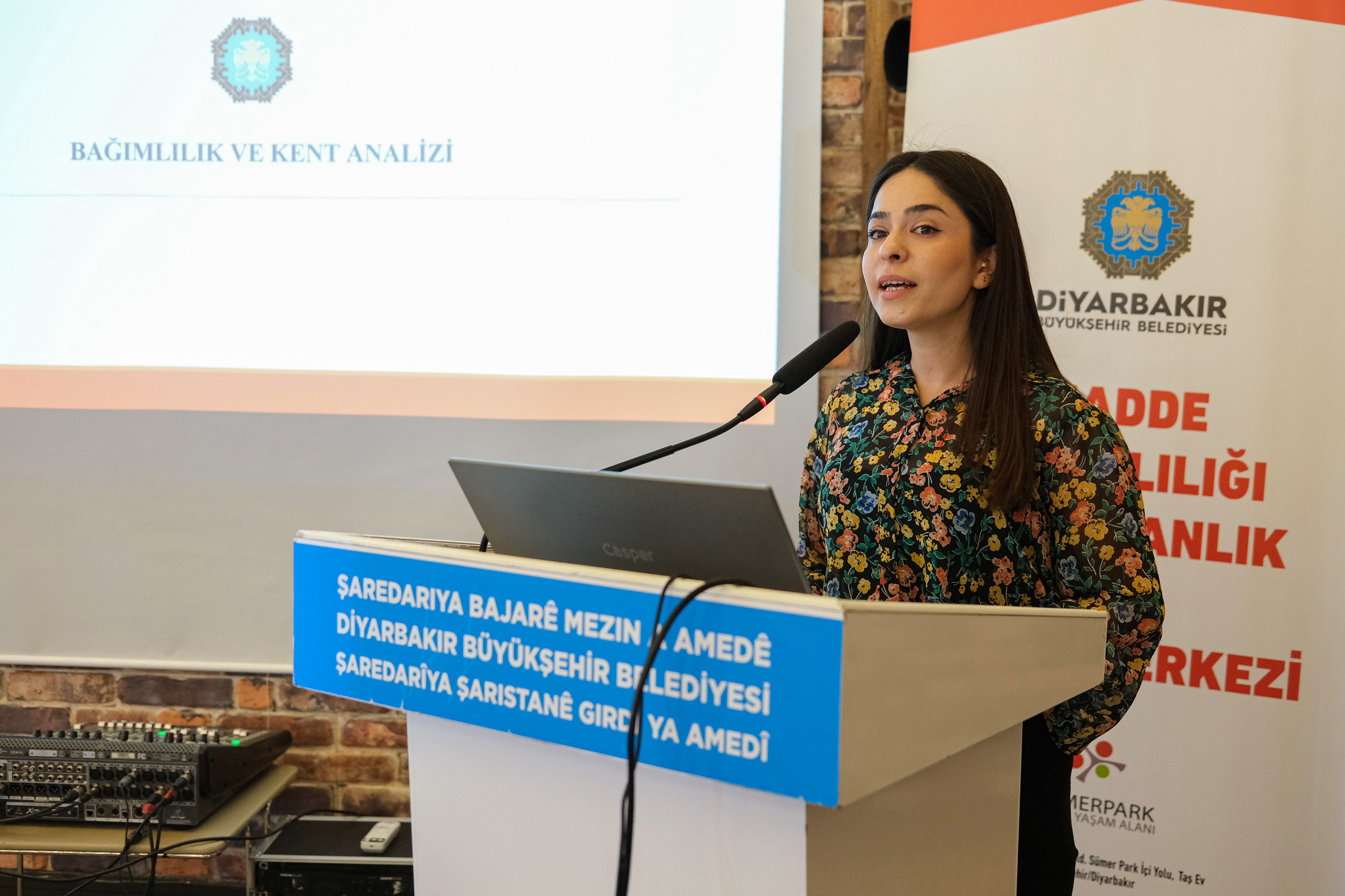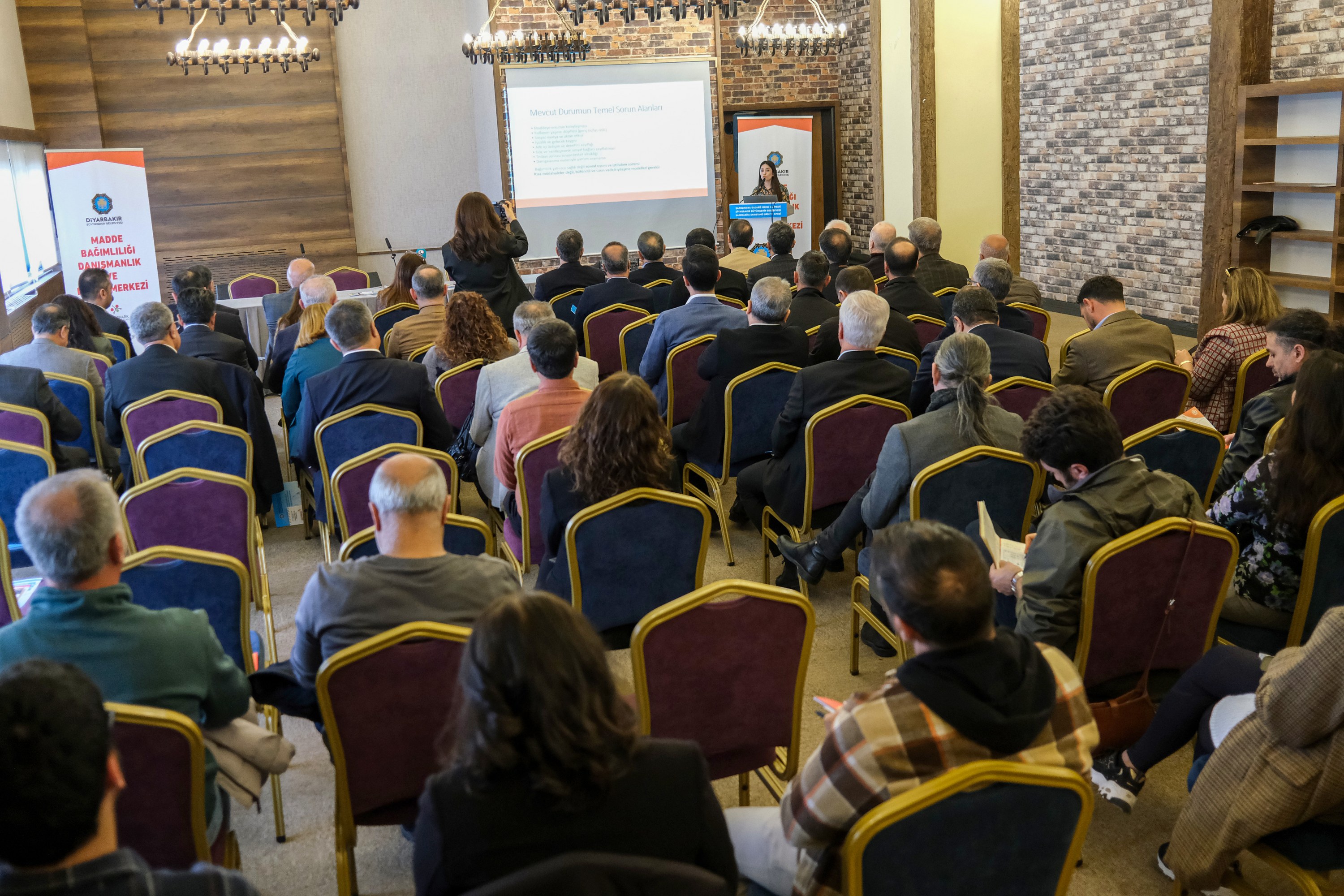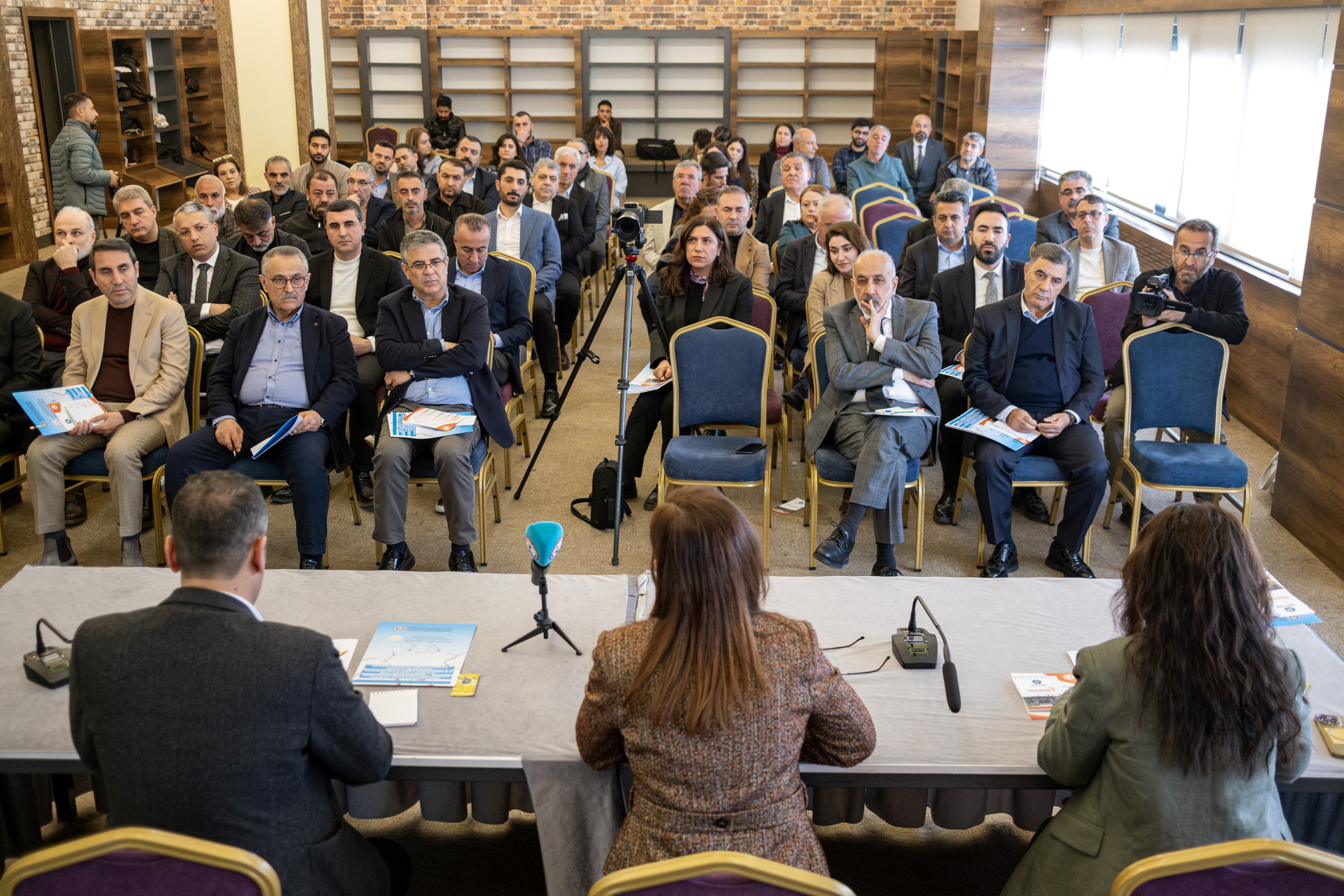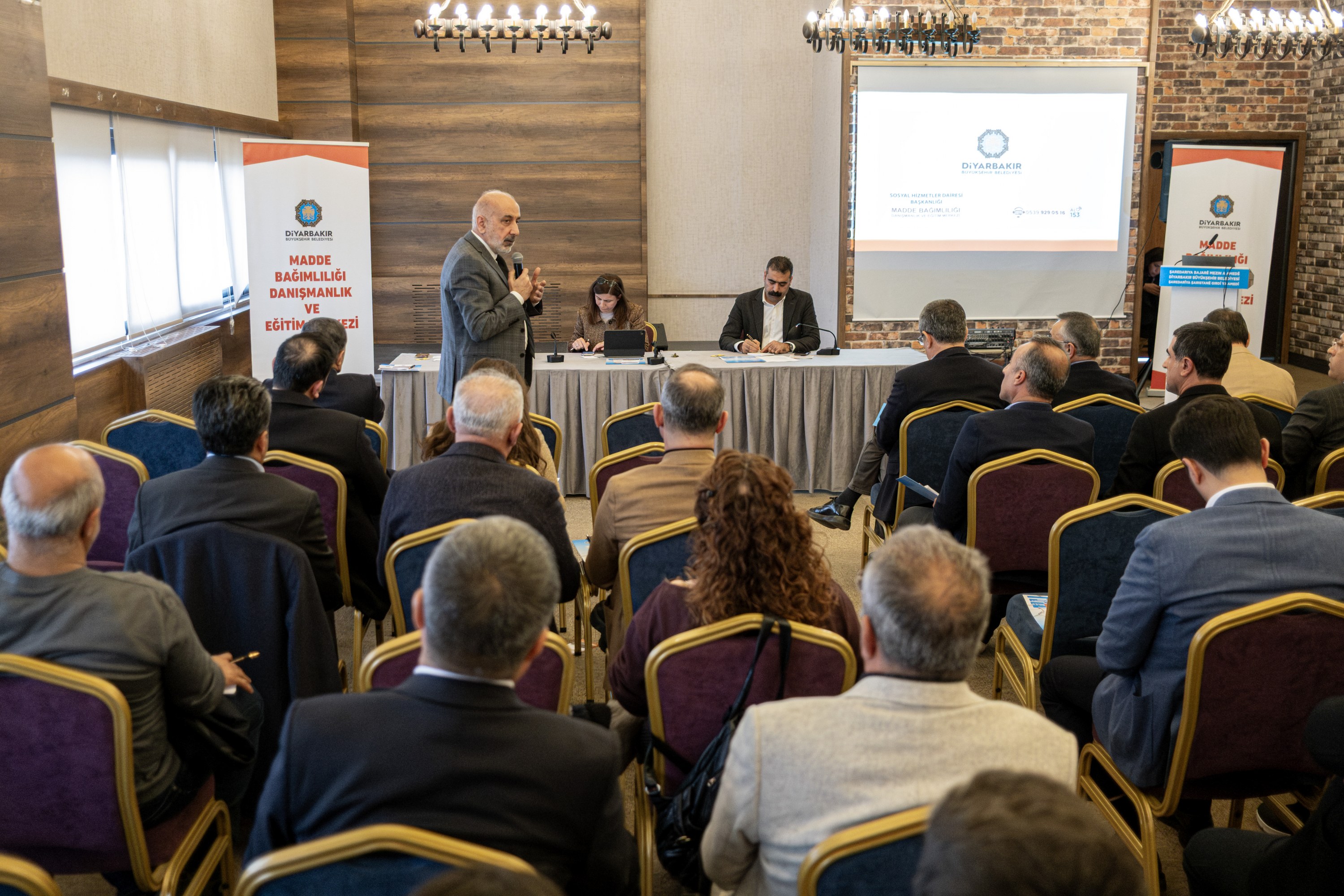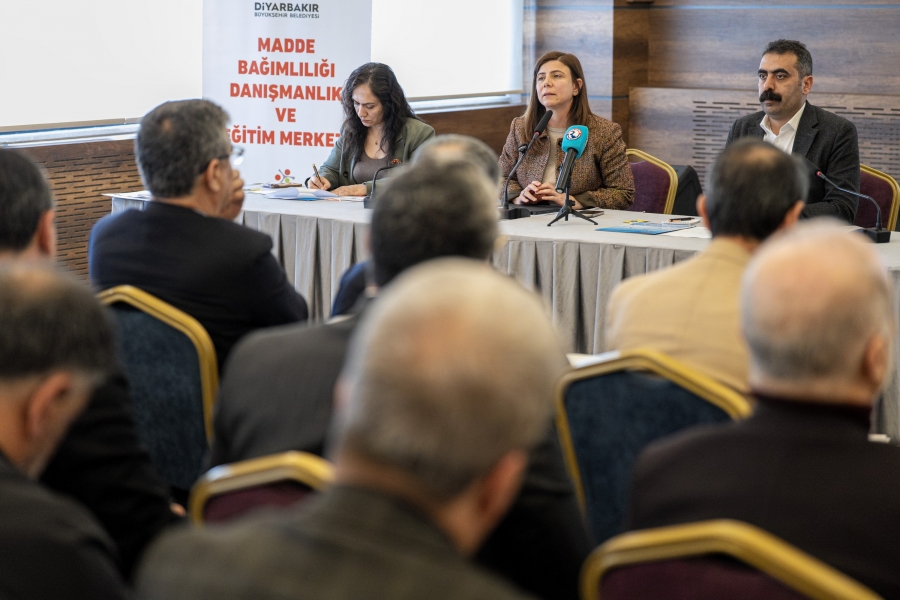
At the meeting titled “Addiction, Urban Need and a Shared Solution Model”, organised by Diyarbakır Metropolitan Municipality, Co-Mayors Serra Bucak and Doğan Hatun said that municipalities, civil society and the business community must act together in tackling addiction, and called for solidarity to establish new counselling and rehabilitation centres across the city.
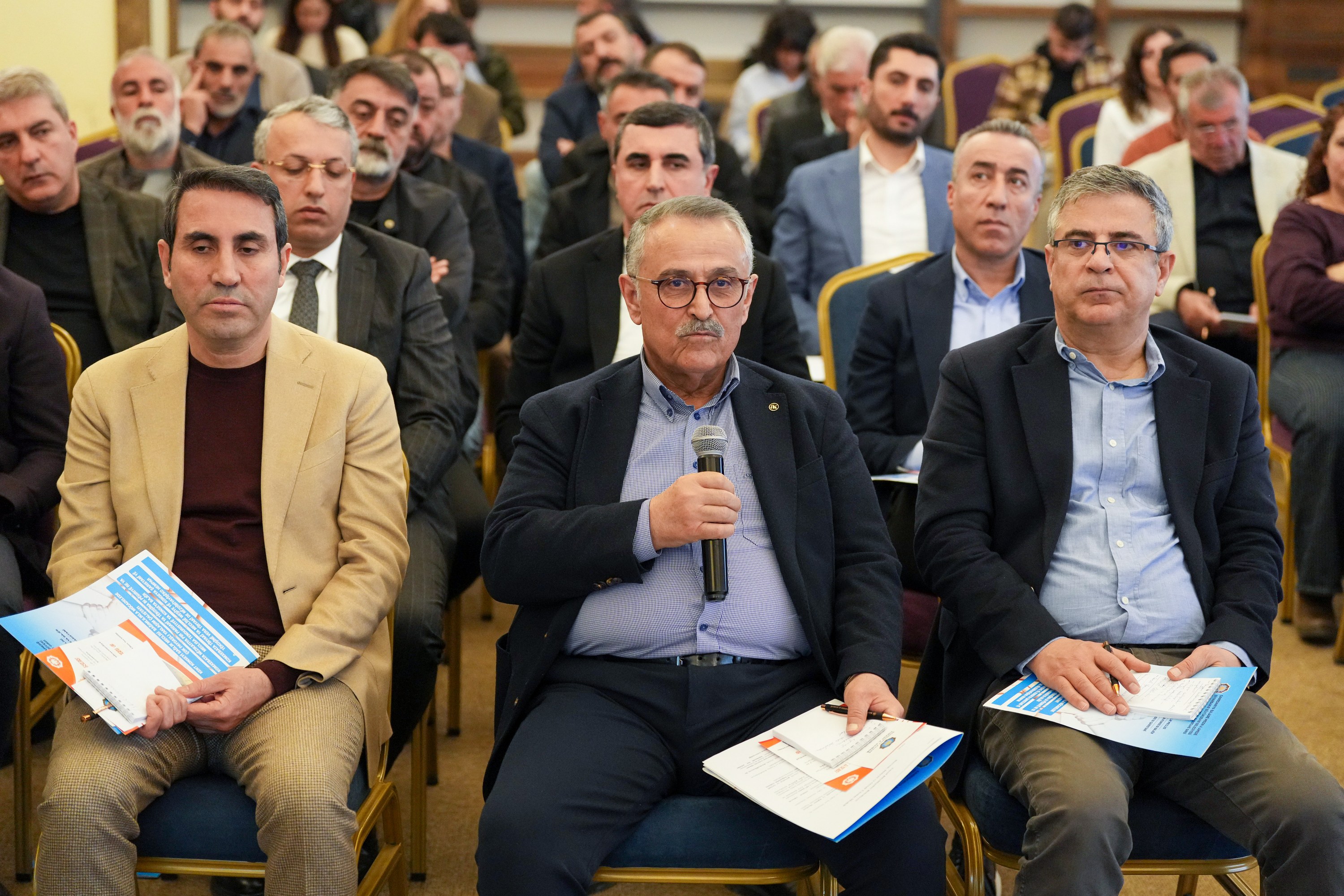
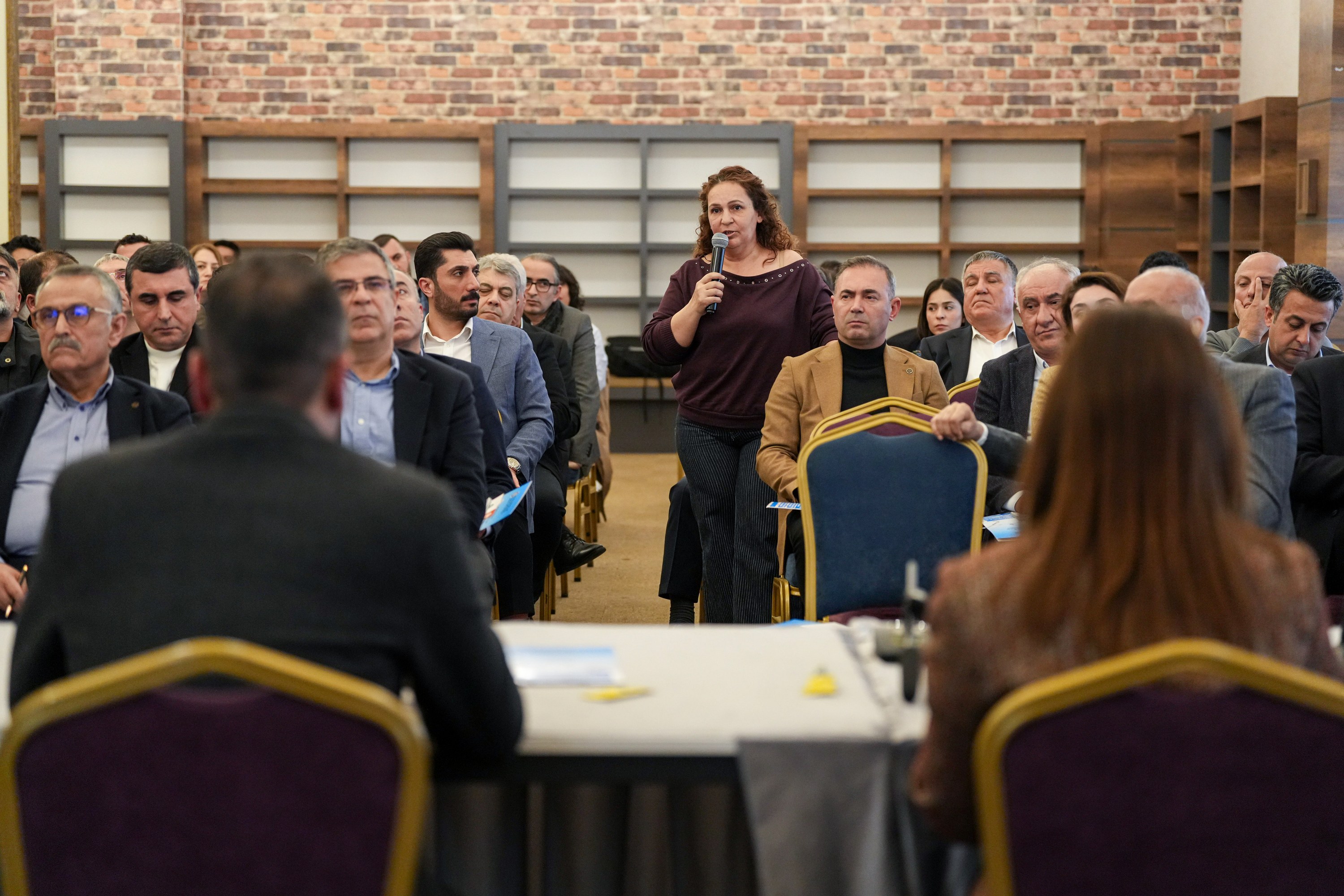
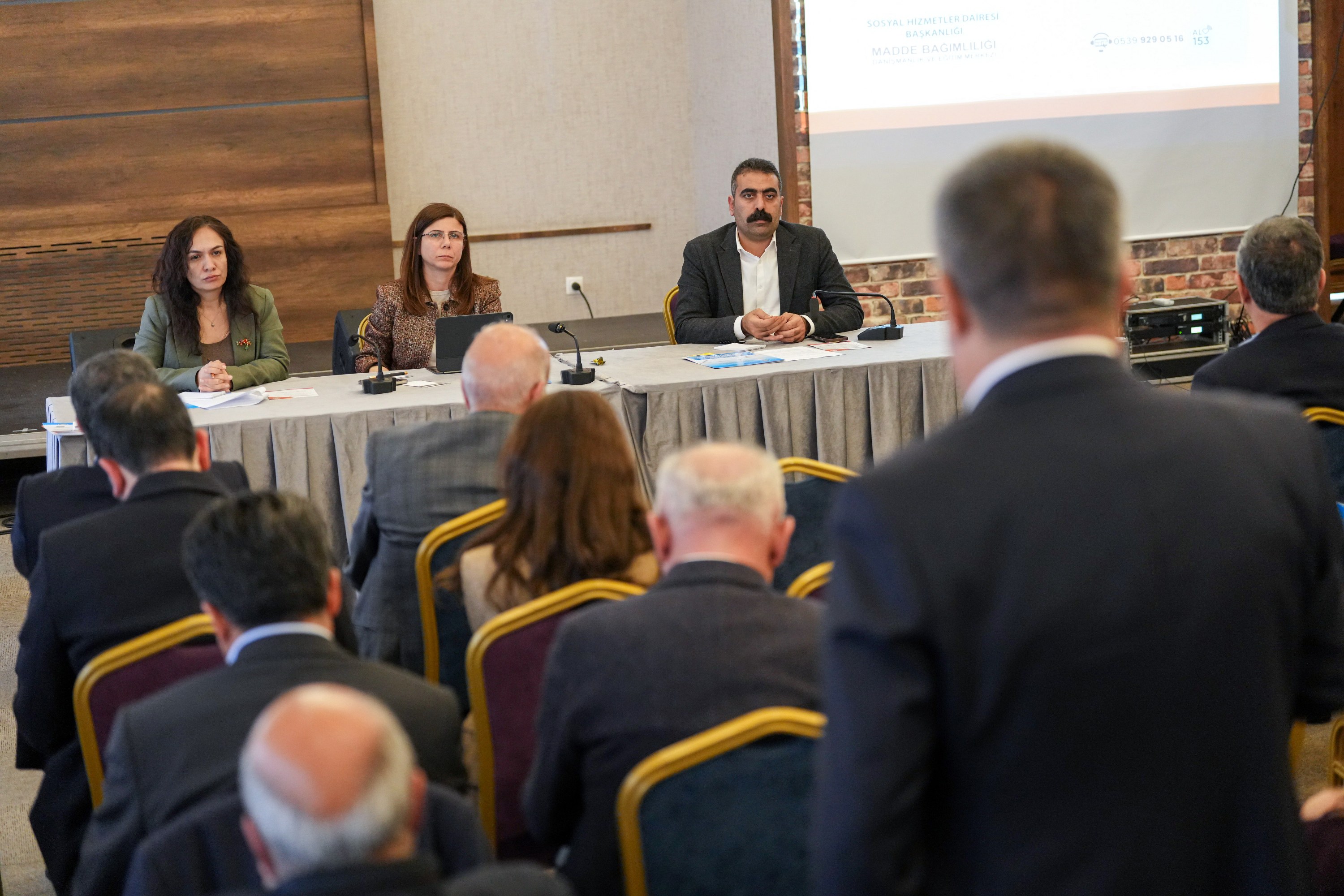
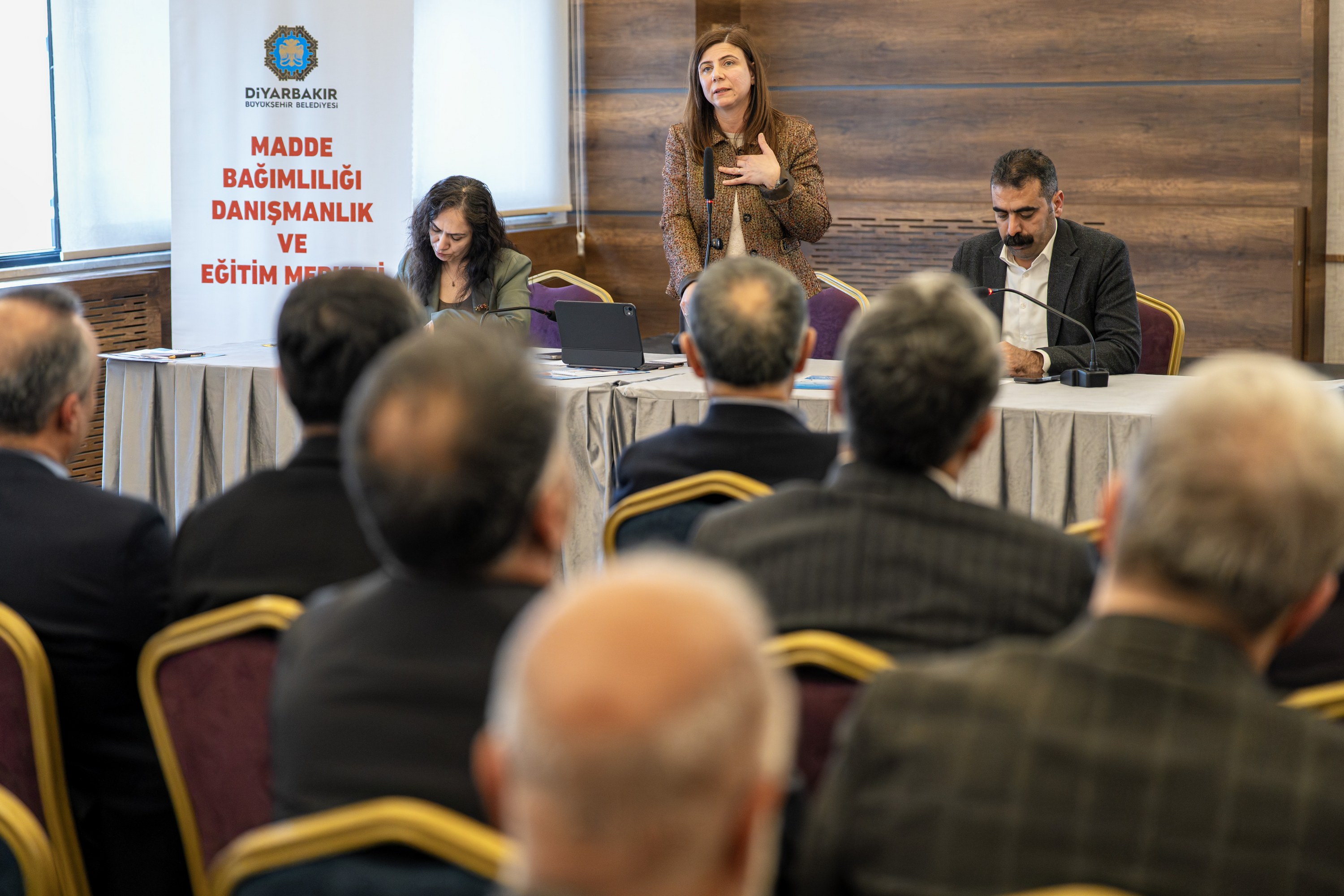
The meeting, organised by the Substance Addiction Counselling and Education Centre under the Municipality’s Department of Social Services, was held at the Çand Amed Culture and Congress Centre under the title “Addiction, Urban Need and a Shared Solution Model”. It brought together local government, the business community and other urban stakeholders to develop joint responses to the problems facing the city. Participants included Diyarbakır Metropolitan Municipality Co-Mayors Serra Bucak and Doğan Hatun, co-mayors of district municipalities, Deputy Secretary General Zerin Türk, Diyarbakır Chamber of Commerce and Industry Chair Mehmet Kaya, Diyarbakır Bar Association President Abdülkadir Güleç, businesspeople, and representatives of civil society organisations.
Co-Mayor Bucak: Addiction is an urgent social problem
Speaking at the meeting, Co-Mayor Serra Bucak said that addiction is an extremely urgent issue for society and one that produces deeply destructive consequences, adding that this is why they are seeking solutions together with different sections of society. She noted that they knew in fact they were not so few in number, but wanted to make a start with a more focused group. Bucak said that the aim of the meeting was to bring together people who could contribute from different fields of work, and to hold a gathering guided and supported by important institutions such as civil society organisations and the bar association.
‘We have made significant progress in a short time’
Co-Mayor Bucak said that shortly after being elected around a year and a half ago, they decided to take action on addiction. She said: “We had to set up a place, however small, as quickly as possible. We moved swiftly to recruit staff. We started with three or four colleagues who had already worked in this field. We established a very small centre. Watching the videos today, I realised just how far we have come. I am glad we made that choice. I am glad that, right from the outset, we transformed even a very small space for this purpose and built this team. But today my sense of hope has grown just as much.”
‘As a city, we can do much more together’
Emphasising that all sections of the city need to act together, Co-Mayor Bucak said: “If we were able to do this much in such a short time, then as a city — with all its components — we have the strength and the will to do four or five times more by joining hands. In public debate and in the media, it is often said that Diyarbakır seems to be leading the way in Türkiye on this issue. But that is not really the case; it is a perception. Of course, we would not wish this on any city in this country. All of us can put ourselves in the place of those mothers, those fathers and those individuals. I believe we are capable of that empathy, and that we understand very well what a dead end this is.”
‘The role of local government is very important’
Co-Mayor Bucak said that local government can play an important role in this struggle. “At the same time, we are institutions — and local governments — that carry responsibility and exist to change and transform. In fact, this emphasis on local government should be understood in a broader sense: not only the elected co-mayors of municipalities and their administrations, but local governance as a whole. We are speaking about an issue in which everyone can contribute and act as one — from civil society organisations and city councils to the business community and many other fields. I believe that, on this issue, Diyarbakır can become a very serious example both for the region and for Türkiye,” she said.
‘We can also serve cities across the region’
Co-Mayor Bucak said they know very well that, if the decisions taken here and the coordination established lead to the pooling of material and moral resources, the mobilisation of the city’s full capacity, and the expansion of concrete action, they will be able to provide not only Diyarbakır but also cities across the region with both residential and outpatient counselling and treatment services, and to offer strong support in this field.
‘We want to expand concrete action together’
Drawing attention to the need for a spirit of mobilisation, Co-Mayor Bucak concluded her remarks as follows: “Through the work being carried out, our aim is to place this issue on a proper footing both at local level and in Ankara, within national politics, with a spirit of mobilisation. At local level, we can be the subjects and implementers of this effort. And in Ankara, we can ensure that the struggle against drugs — a pressing issue for Türkiye and for our region — becomes a priority not only for the DEM Party but for all political parties. We want to expand concrete action together with you.”
Co-Mayor Hatun: At least four new counselling centres are needed
Speaking at the meeting, Co-Mayor Doğan Hatun drew attention to the importance of data obtained through fieldwork in tackling addiction. “There is concrete, substantial data. Field research was carried out symbolically in three districts, but we also have our own field data relating to the city centre. We scanned the city as a whole. A series of initiatives were undertaken both to raise awareness and to develop preventive and supportive methods. In particular, the strong call for sensitivity made by the Şiar Be Platform, the contributions of our other units, the involvement of conscientious civil society organisations, and the scientific support of the City Council Health Assembly have brought us to a good point. We have established that, by approaching the issue from the right starting point and with concrete proposals, we can manage it patiently,” he said.
Pointing to the inadequacy of the current situation, Hatun added: “As local authorities, we currently have one counselling centre before us. But a single counselling centre is not enough for this city. At least four new counselling centres are needed. These centres should not only be located in the city centre, but also in different districts. Concrete and urgent steps must be taken.”
‘We can develop concrete projects’
Emphasising the role of local government and other urban stakeholders in tackling addiction, Co-Mayor Hatun said: “In this work, we are not limited to raising awareness alone. By working in cooperation with all components of the city and by combining our material and moral resources, we can develop concrete projects. These efforts will have the capacity to provide not only Diyarbakır but also other cities in the region with counselling and support.”
‘One of the most critical elements is the spirit of solidarity’
Stressing the importance of solidarity, Co-Mayor Hatun said: “One of the most critical elements in this issue is the spirit of solidarity. By evaluating the ideas, views and suggestions shared here together, planning what we can do, and addressing any gaps we may have left, we can carry out an effective citywide struggle.”
Presentation delivered at the meeting
The presentation delivered at the meeting highlighted the following needs in order to achieve effective results in tackling addiction in Diyarbakır: “Mobile support teams working continuously in the field; safe and separate treatment and rehabilitation spaces for women and children; a holistic centre bringing treatment and rehabilitation together; culturally responsive psychosocial support services provided in the mother tongue; treatment and rehabilitation infrastructure capable of receiving applications from provinces across the region; and the expansion of preventive and protective services.”
Messages of support from participants
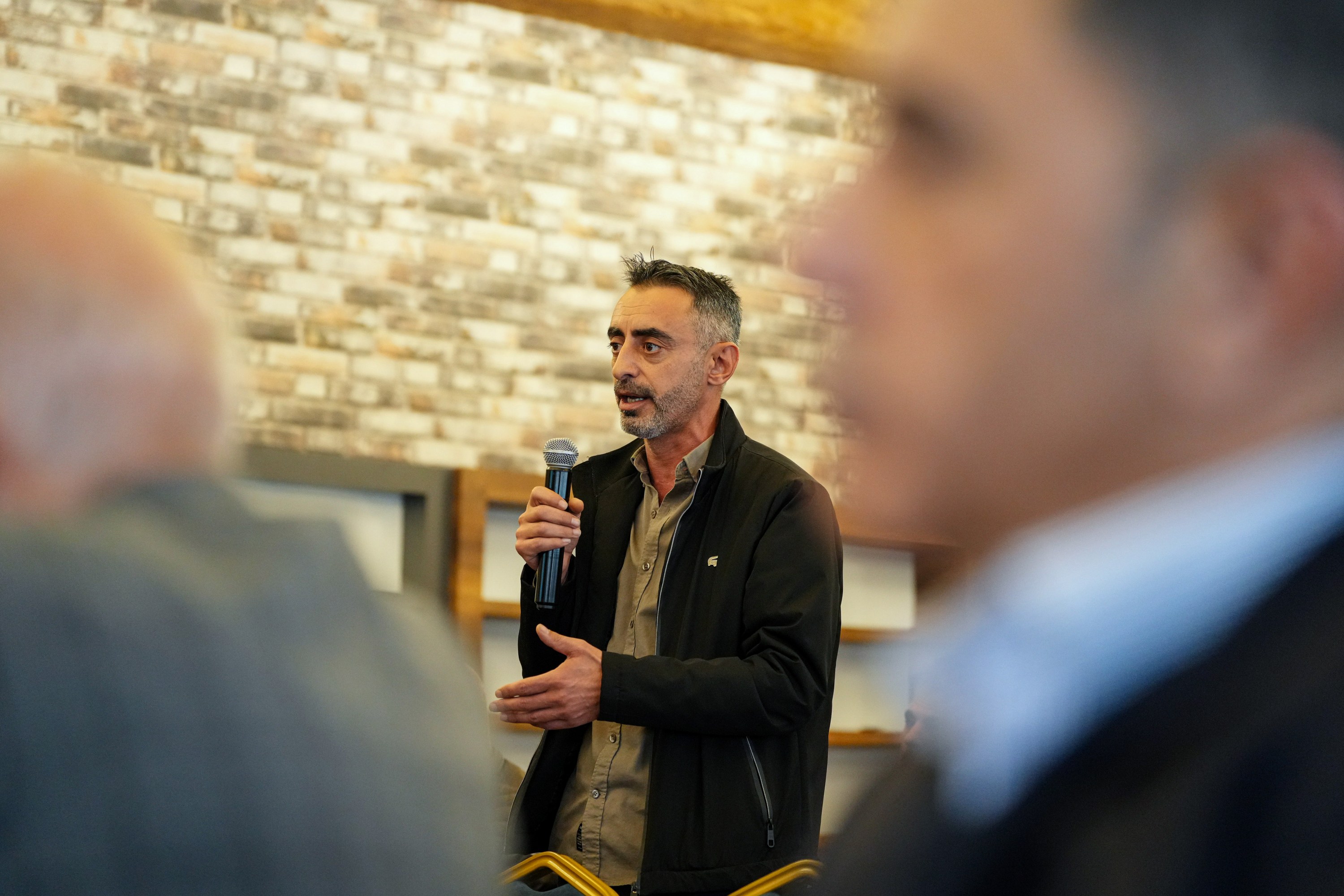
Businesspeople and representatives of civil society organisations attending the meeting also stressed the need for joint action in tackling addiction. Participants said that holding such a meeting was important, and stated that the problem could be addressed through an effective, society-wide response. Declaring that they were ready to contribute to the process, participants commented: “It is necessary to take responsibility and, where necessary, to take risks.”
Participants also drew attention to the importance of directing young people towards sport and social spaces, and said that parks, sports areas and social activities should be expanded.
They further underlined that, in the struggle against addiction, establishing a strong centre, together with a sense of shared ownership and collective commitment, is of great importance.