DİSKİ General Directorate of Diyarbakır Metropolitan Municipality has placed new planning measures on its agenda as part of climate change adaptation, following an assessment of the pressure placed on infrastructure systems after the recent increase in heavy rainfall.
The General Directorate of Diyarbakır Water and Sewerage Administration (DİSKİ) shared its technical assessment of the impact of climate change and changing rainfall patterns on the city’s infrastructure in recent years. The analysis found that high-intensity rainfall occurring within short periods causes sudden increases in system loads and accelerates surface runoff.
Climate change is transforming rainfall patterns
Alongside the effects of climate change observed in recent years, a new rainfall regime is emerging in which precipitation occurs over shorter periods and with greater intensity. This places existing infrastructure systems under sudden pressure and leads to faster and heavier surface runoff in urban areas. For this reason, it is becoming increasingly important for infrastructure planning to take account not only of projections based on average values, but also of scenarios involving sudden and extreme rainfall.
Capacity limits exceeded in the network system
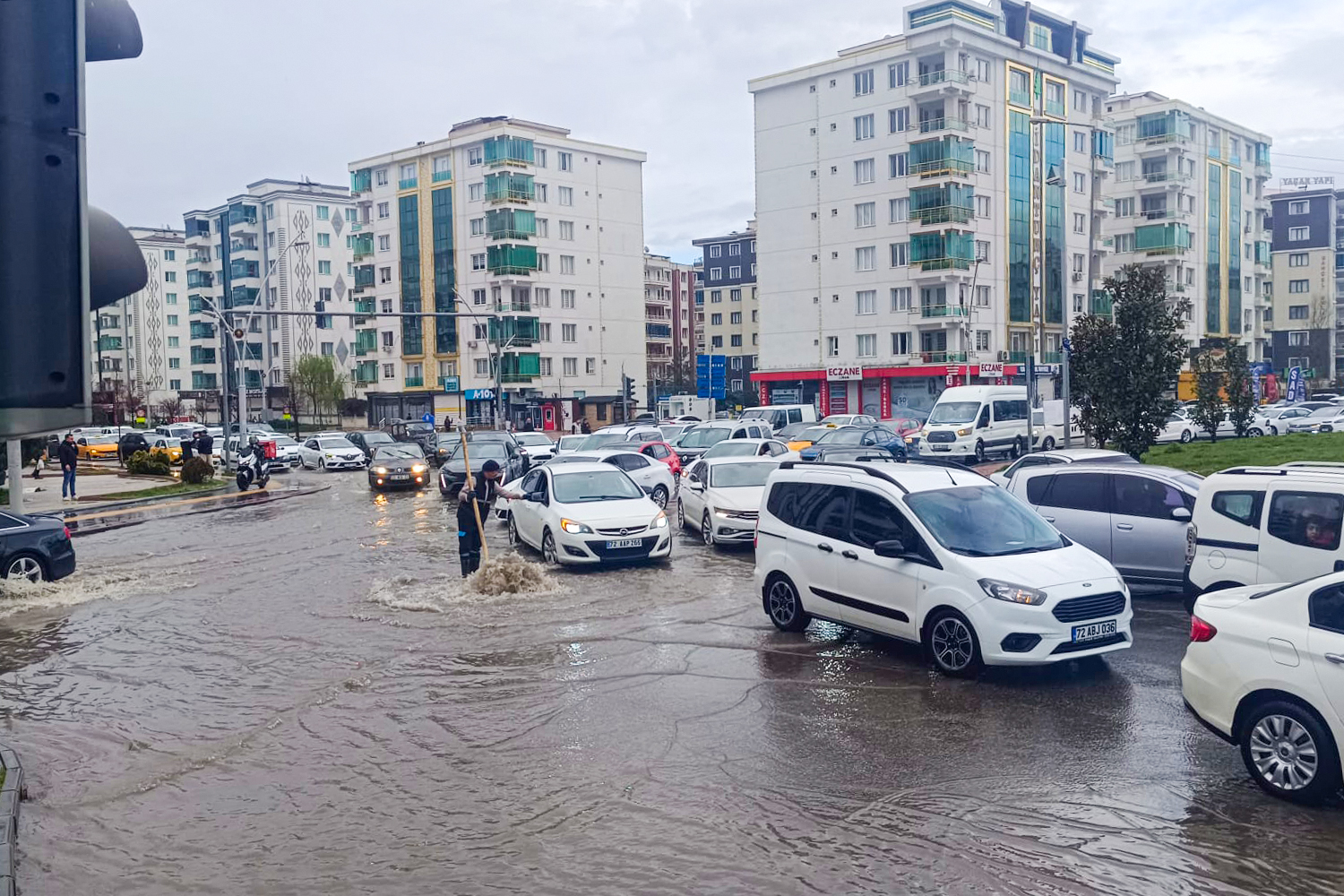
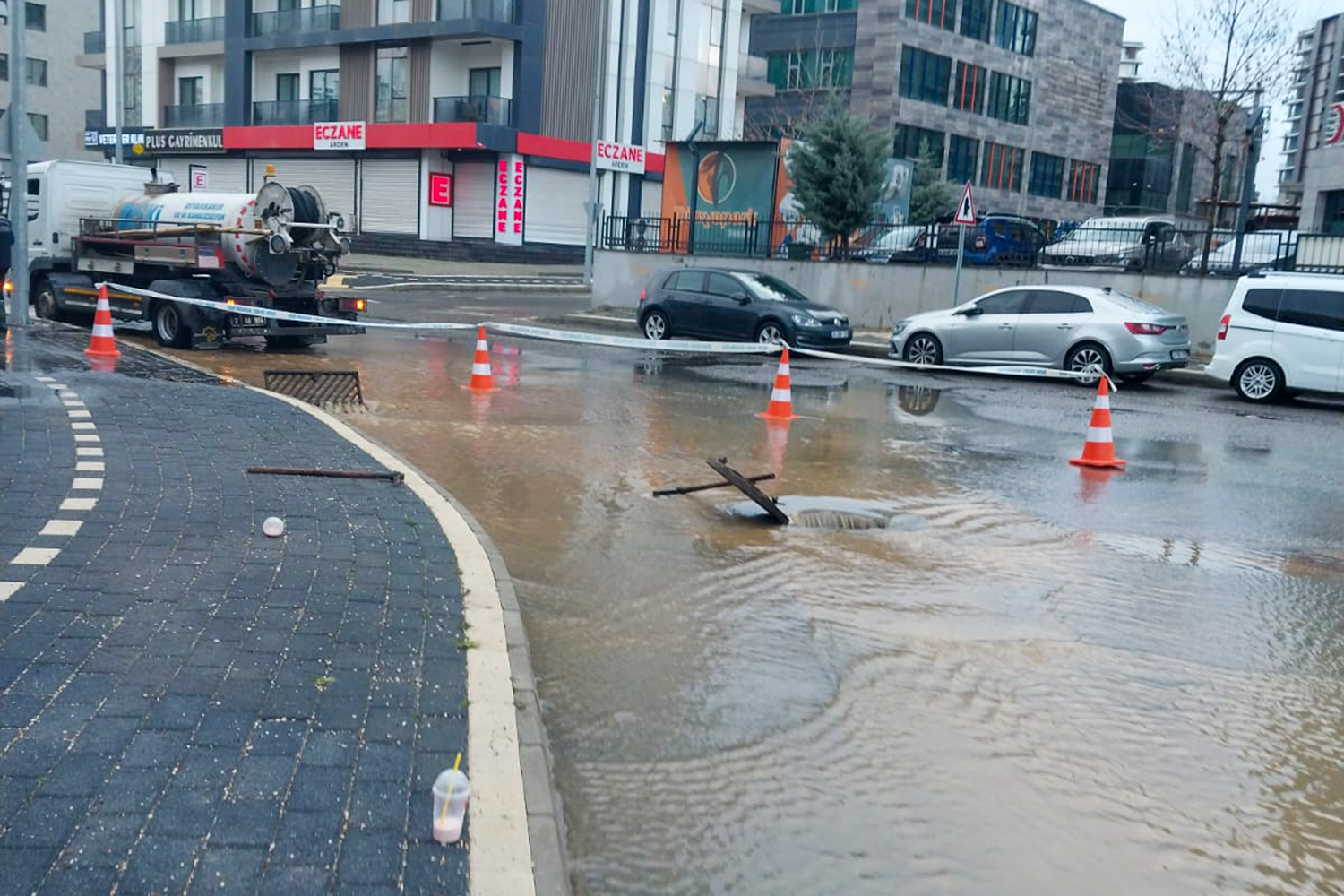
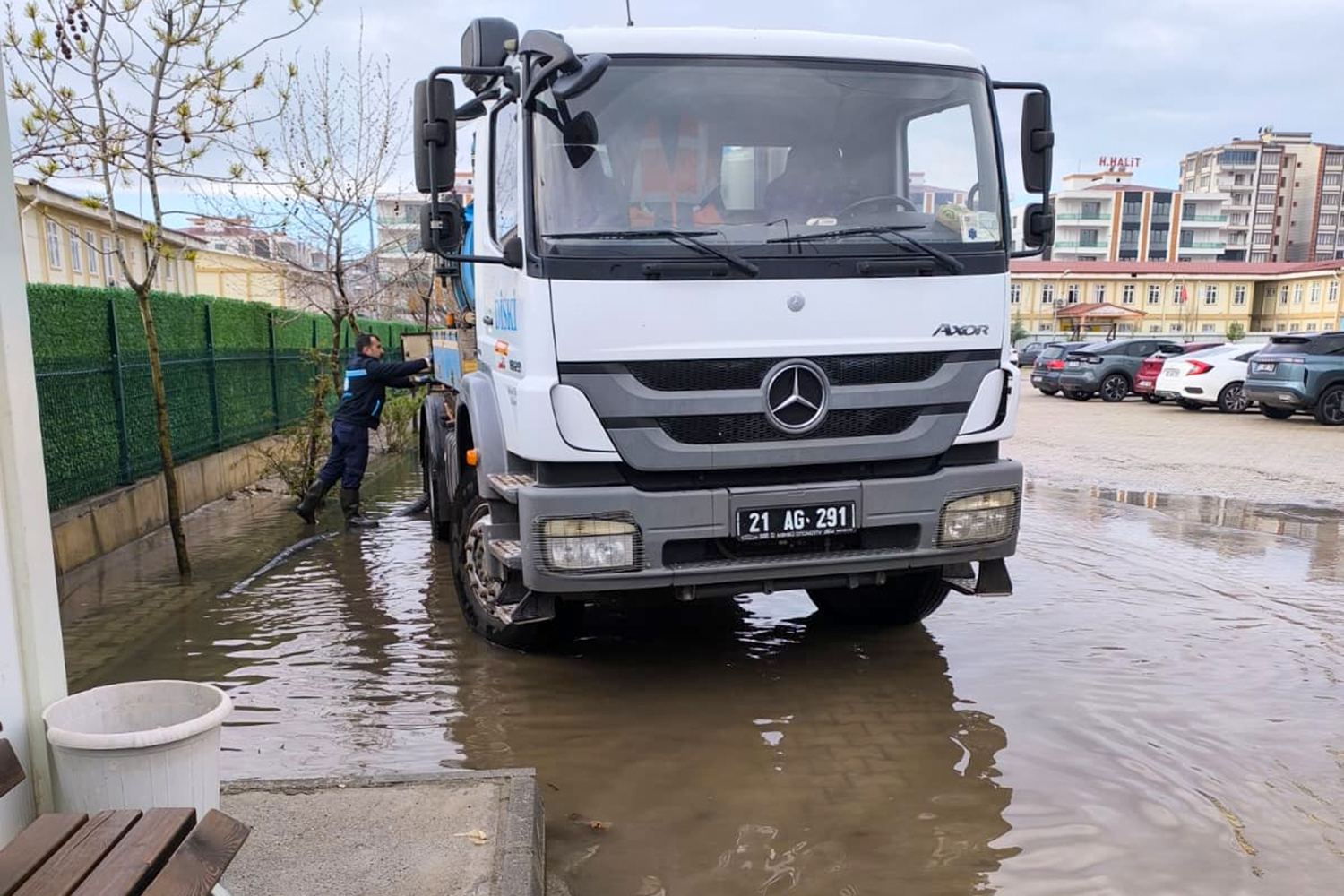
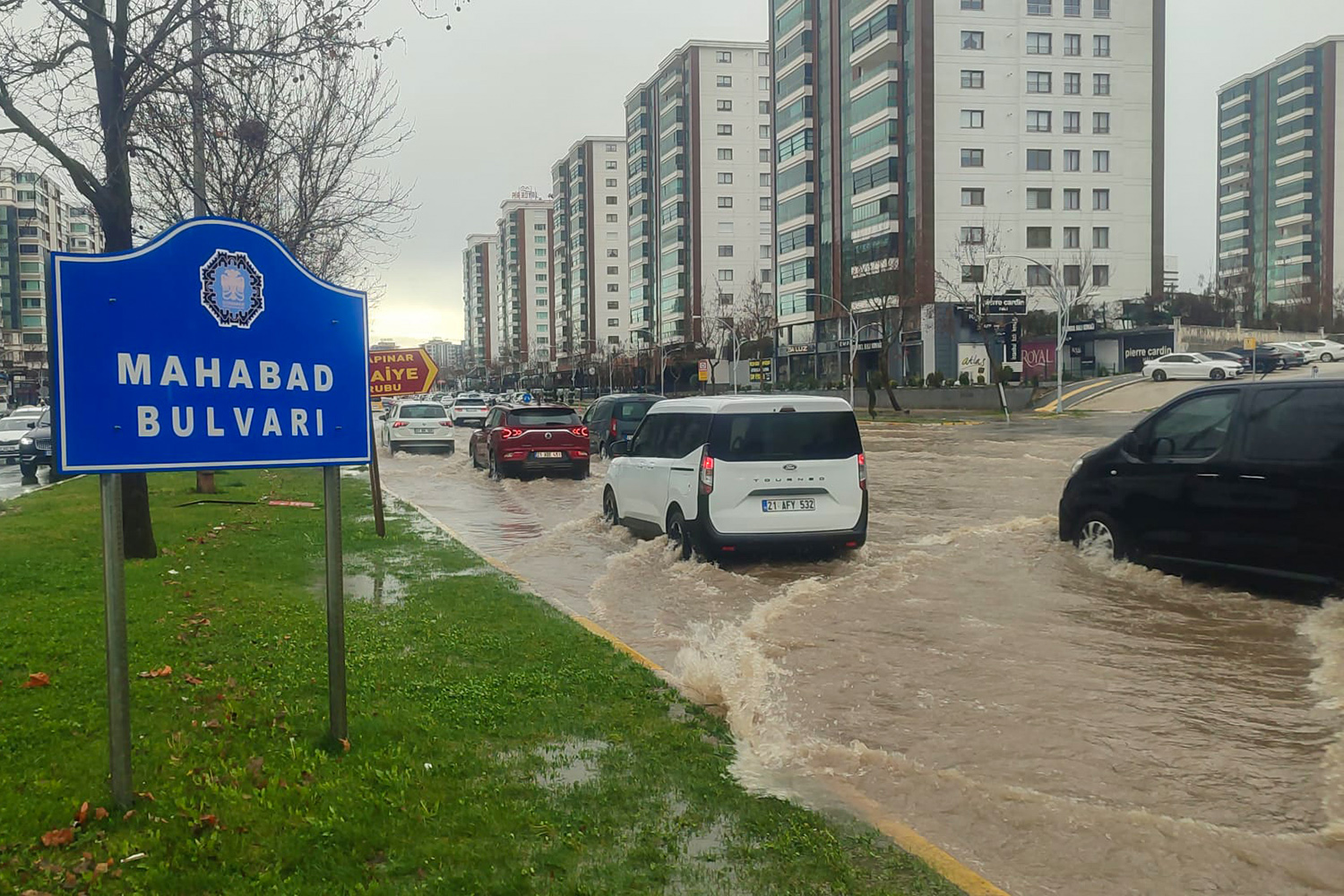
Surface runoff caused by successive episodes of heavy rainfall led to sudden load increases in the existing stormwater and sewerage systems. In this process, temporary pooling occurred at some points due to the hydraulic capacity of the network being exceeded.
The wider use of separate systems, in which stormwater and wastewater are carried through different lines, stands out as one of the key engineering solutions for balancing pressure on the system, particularly during periods of intense rainfall. Directing rainwater into sewerage lines places strain on network capacity and increases the risk of flooding.
Rainwater downpipes must be directed to the correct lines
Across the city, some buildings have rainwater downpipes connected directly to the sewerage system. This negatively affects system performance, particularly during heavy downpours, by causing sudden increases in flow within sewer lines. Directing rainwater drainage to stormwater lines is important both for the proper functioning of the infrastructure system and for reducing flood risk.
“We are replanning infrastructure in line with the realities of climate change”
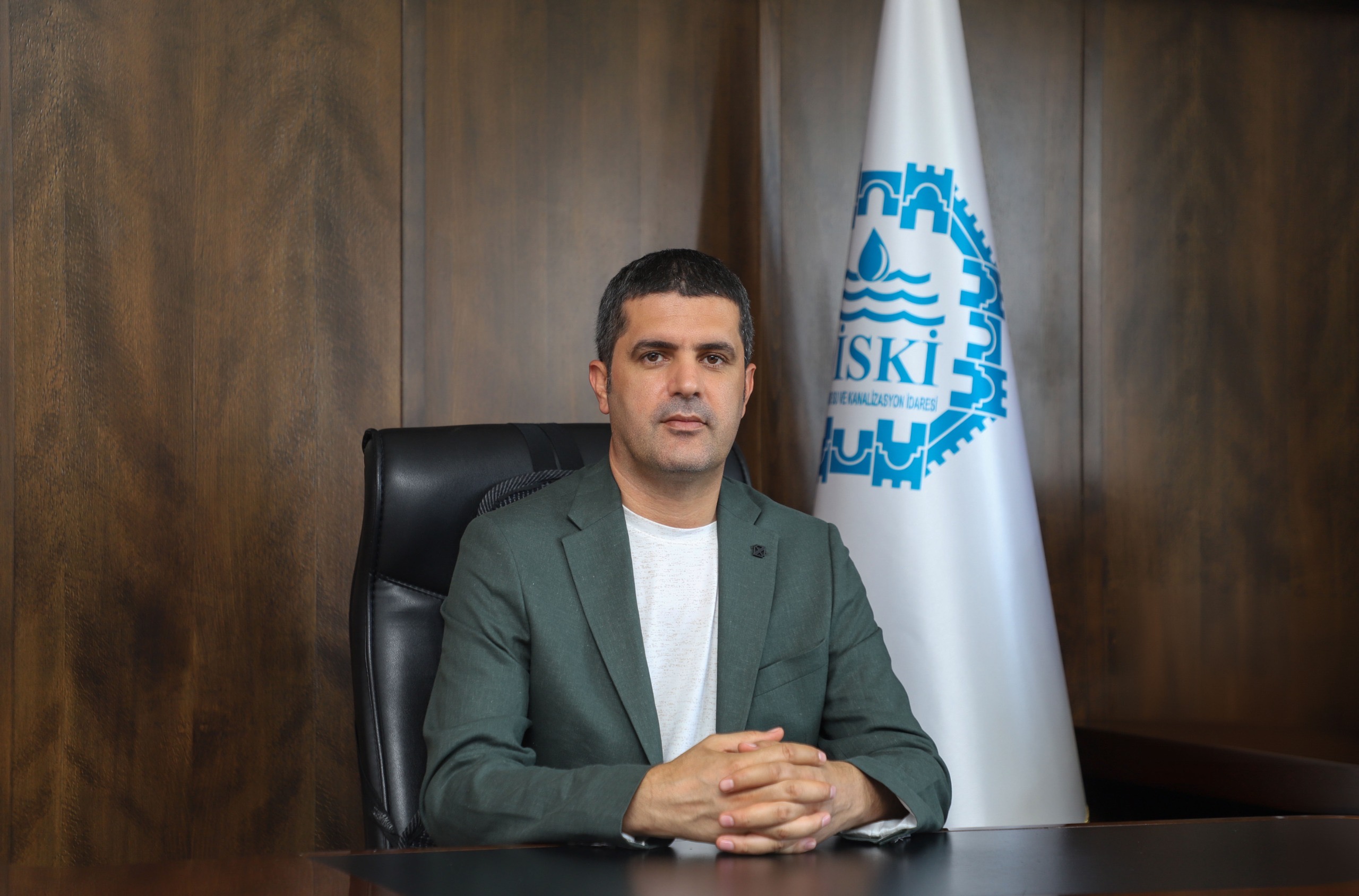
Commenting on the impact of recent rainfall on the existing infrastructure system, DİSKİ General Manager Mehmet Şerifoğlu said: “The rainfall pattern we have observed in recent years presents a picture that goes beyond the classical planning approach. Rainfall concentrated within short periods places our infrastructure systems under sudden and intense pressure. For this reason, we are not content merely with managing the current situation; we are also reassessing our infrastructure in line with the new conditions brought about by climate change. We are continuing our work on expanding separate systems, increasing line capacities and developing new solutions to manage surface runoff.”
New planning launched as part of climate change adaptation
In light of the impacts caused by recent rainfall, technical analyses of the existing infrastructure system have been initiated. As part of climate change adaptation, new planning measures have been placed on the agenda, including additional drainage solutions in areas where surface runoff is concentrated, capacity increases for existing lines, conversion to separate systems and preventive maintenance planning. Through these efforts, the aim is to manage the impacts of similar meteorological conditions more effectively in the future.