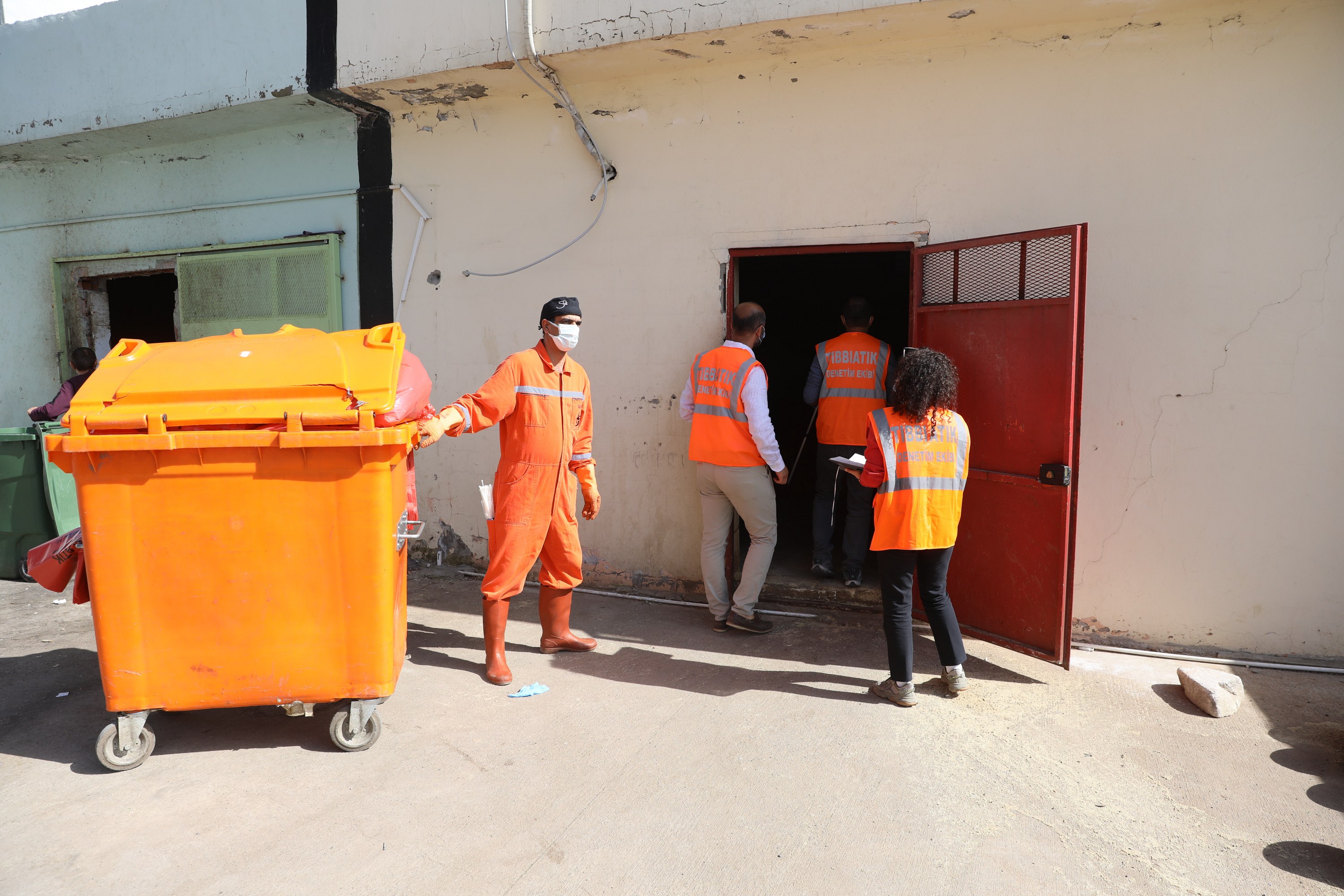
Diyarbakır Metropolitan Municipality is carrying out a comprehensive management process to protect public health and the environment by regularly inspecting healthcare institutions and safely collecting up to 8 tonnes of medical waste each day.
The Department of Environmental Protection and Control continues its work to ensure the proper collection and disposal of infectious, pathological, sharps, pharmaceutical and chemical waste generated as a result of specific medical procedures in healthcare facilities across the city.
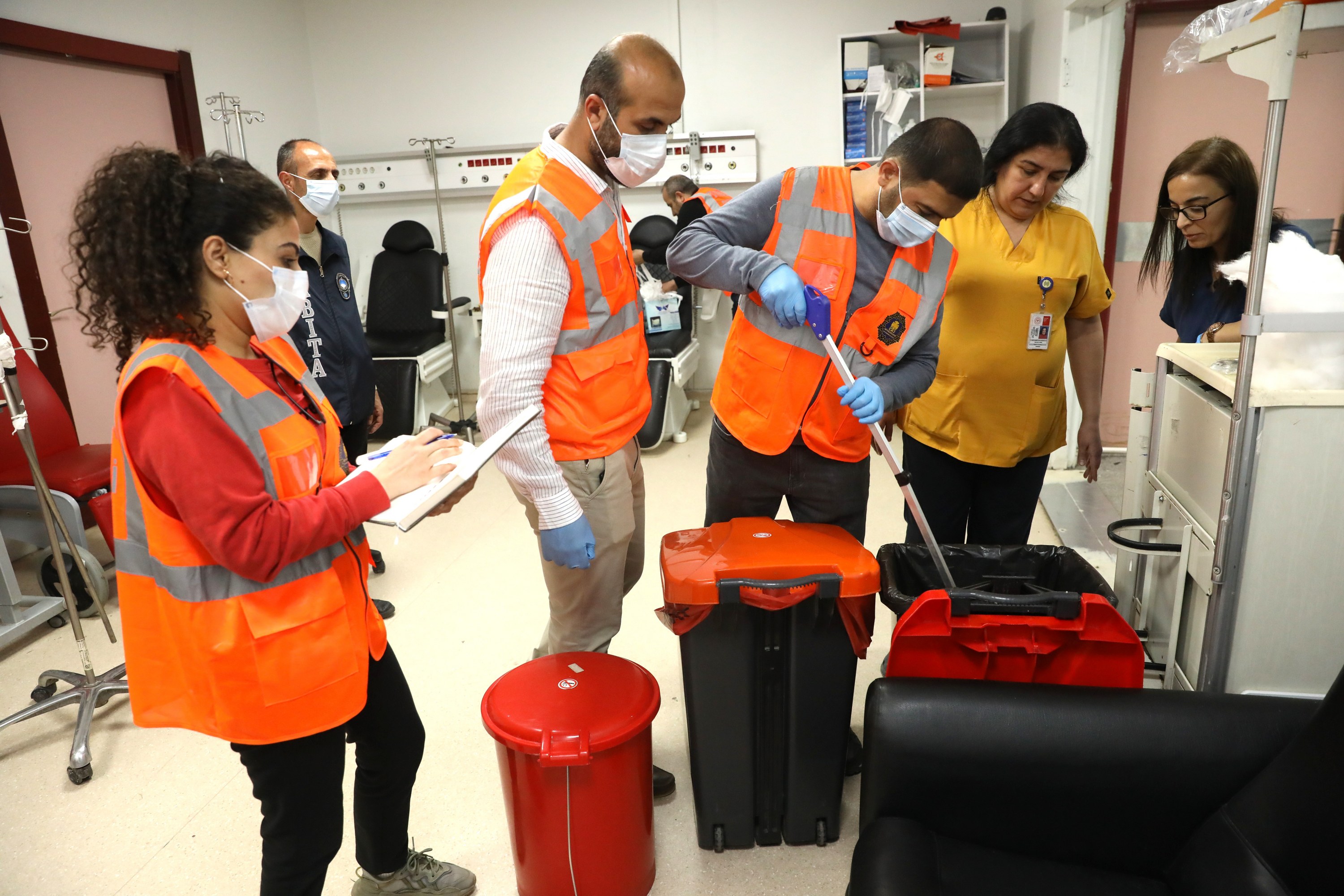
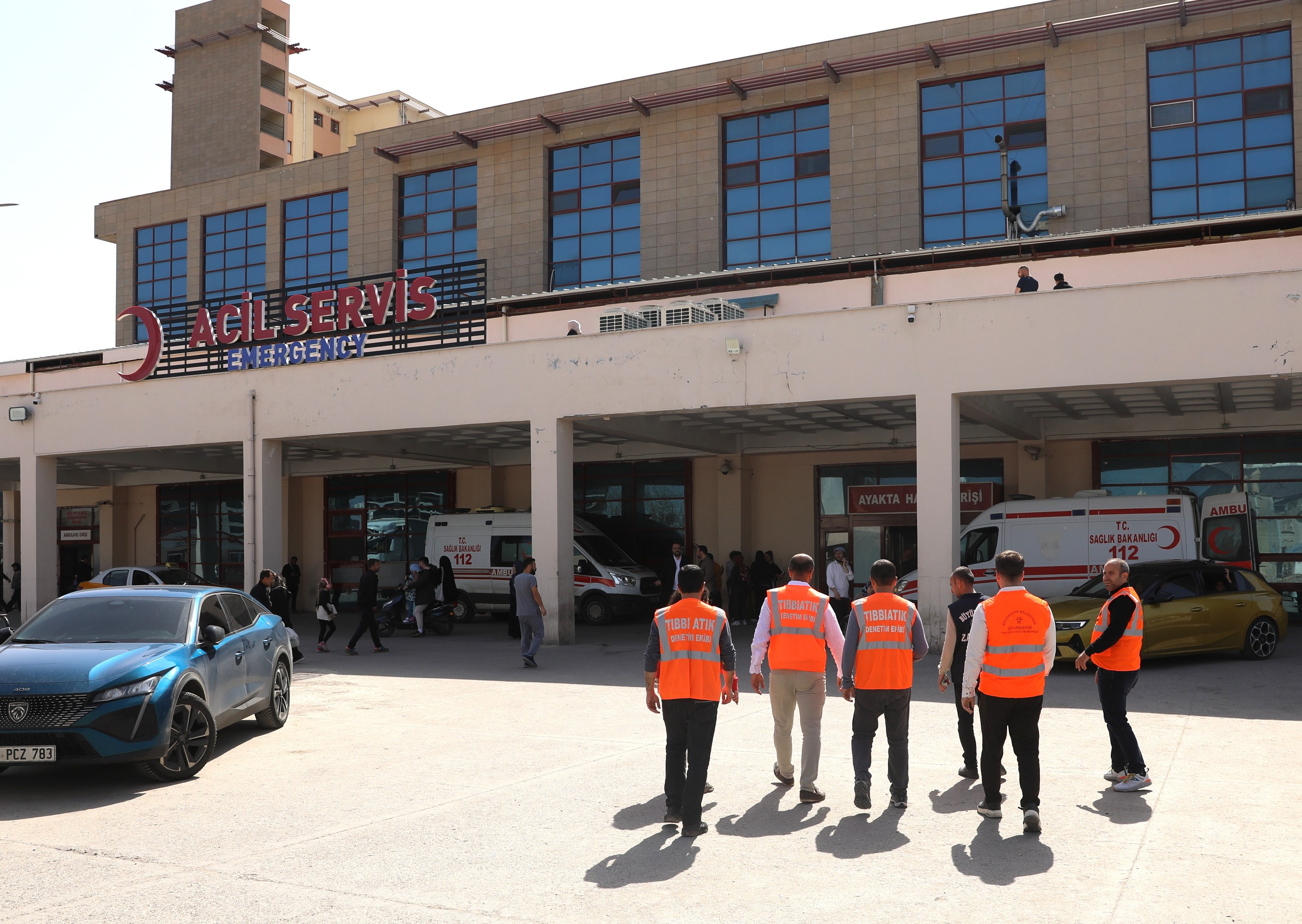
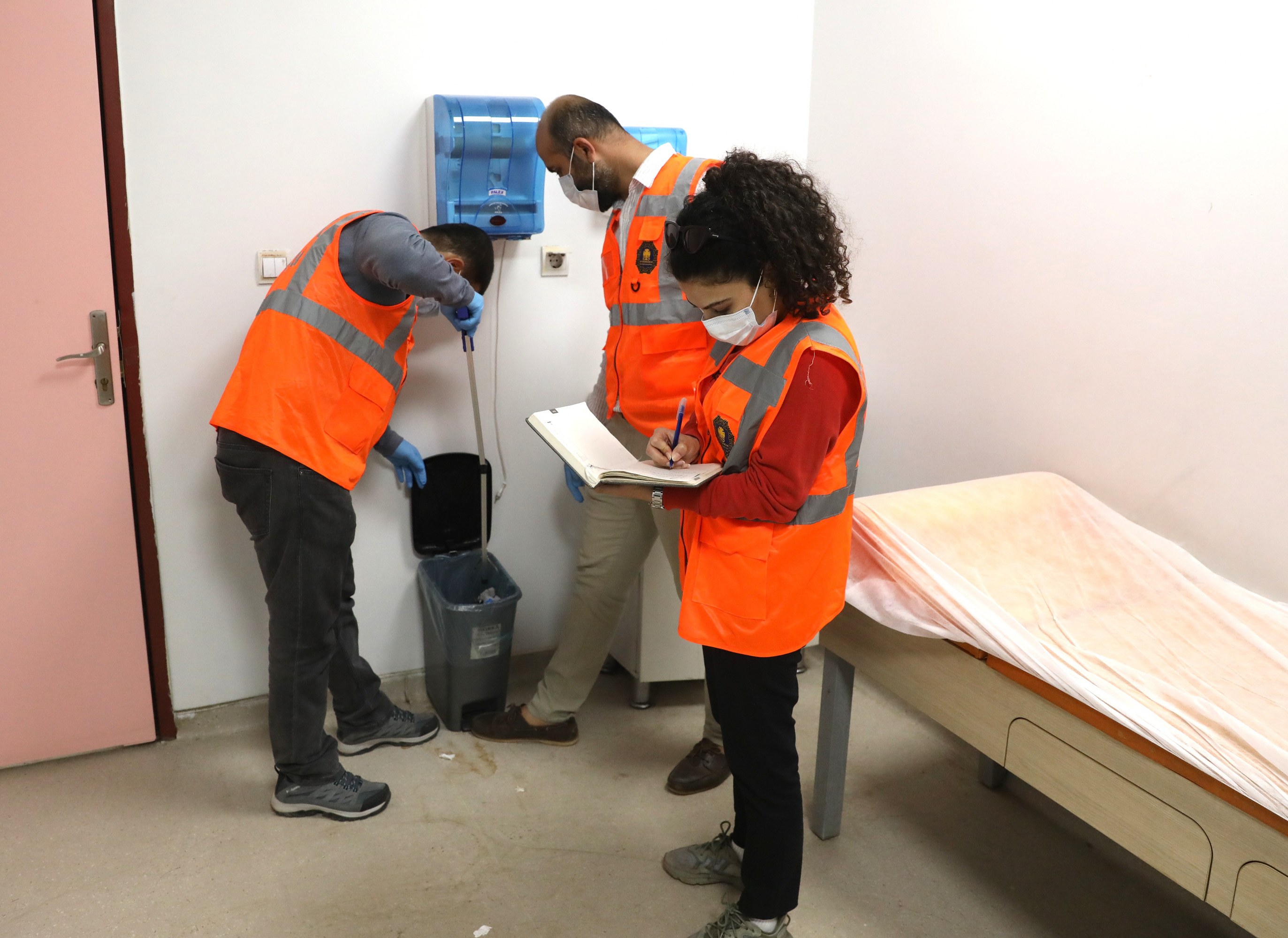
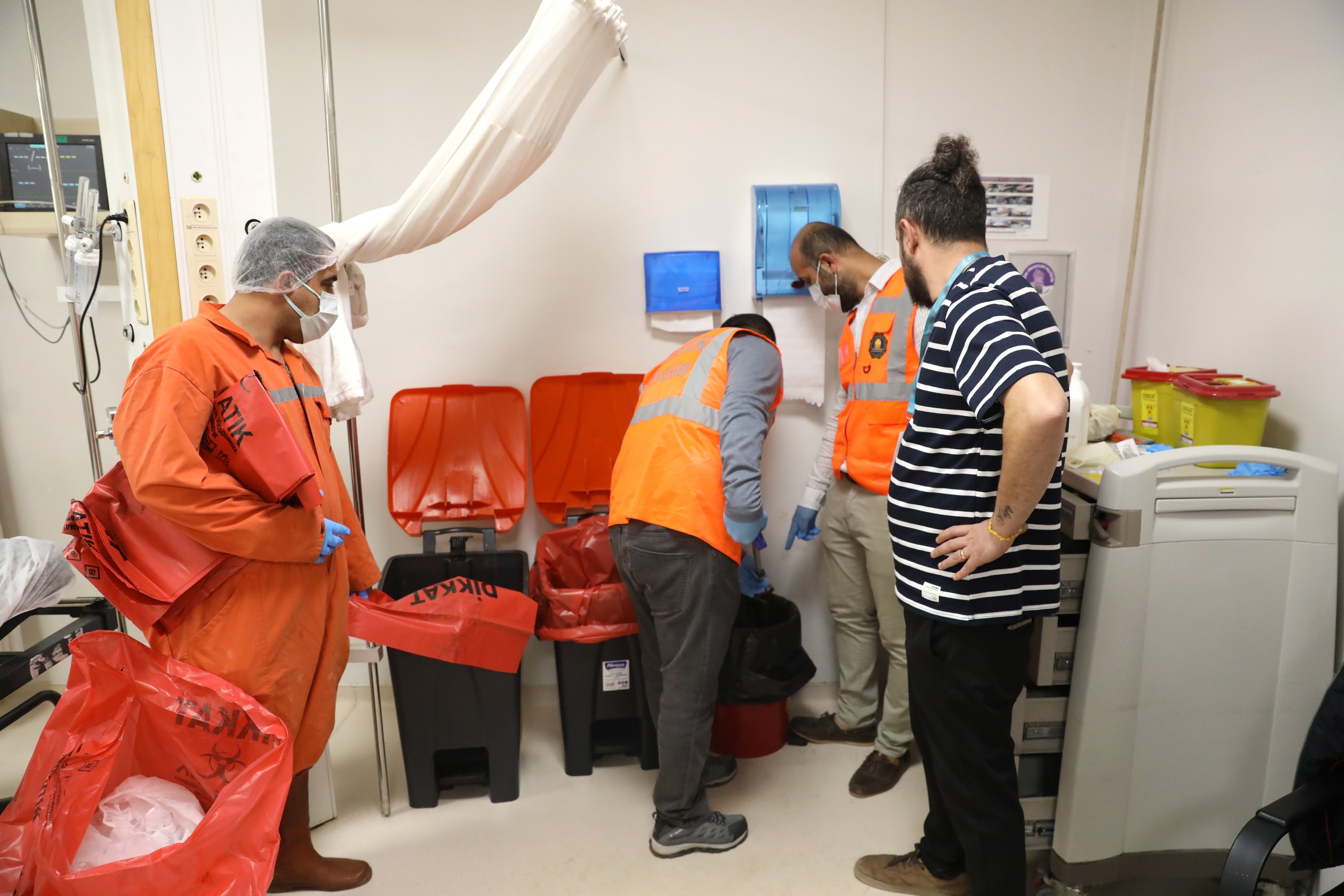
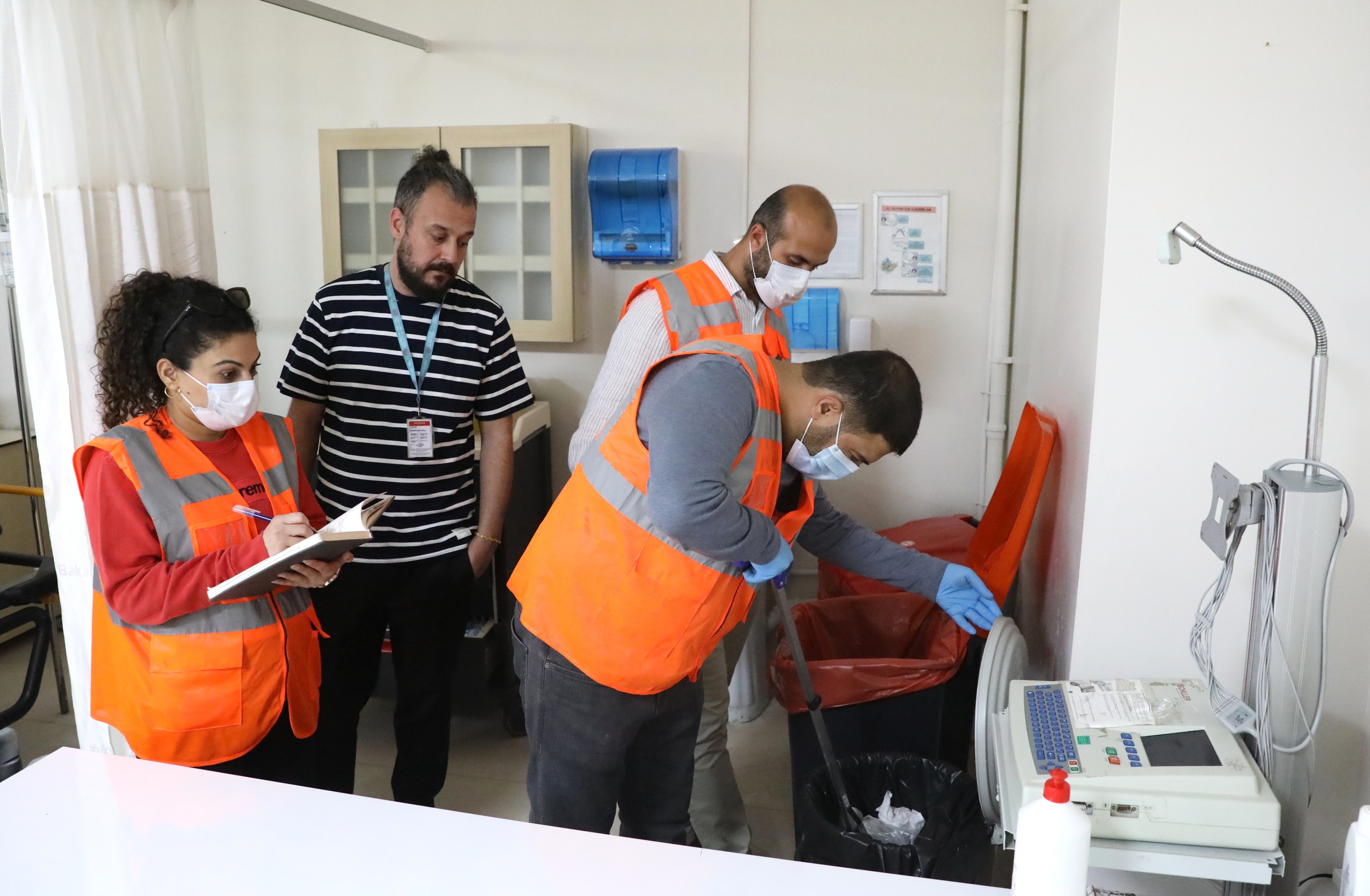
From the city centre to the most remote districts, the Department inspects healthcare institutions to examine closely how medical waste is collected and stored, and whether these processes comply with the relevant regulations.
Strict inspections for healthcare institutions
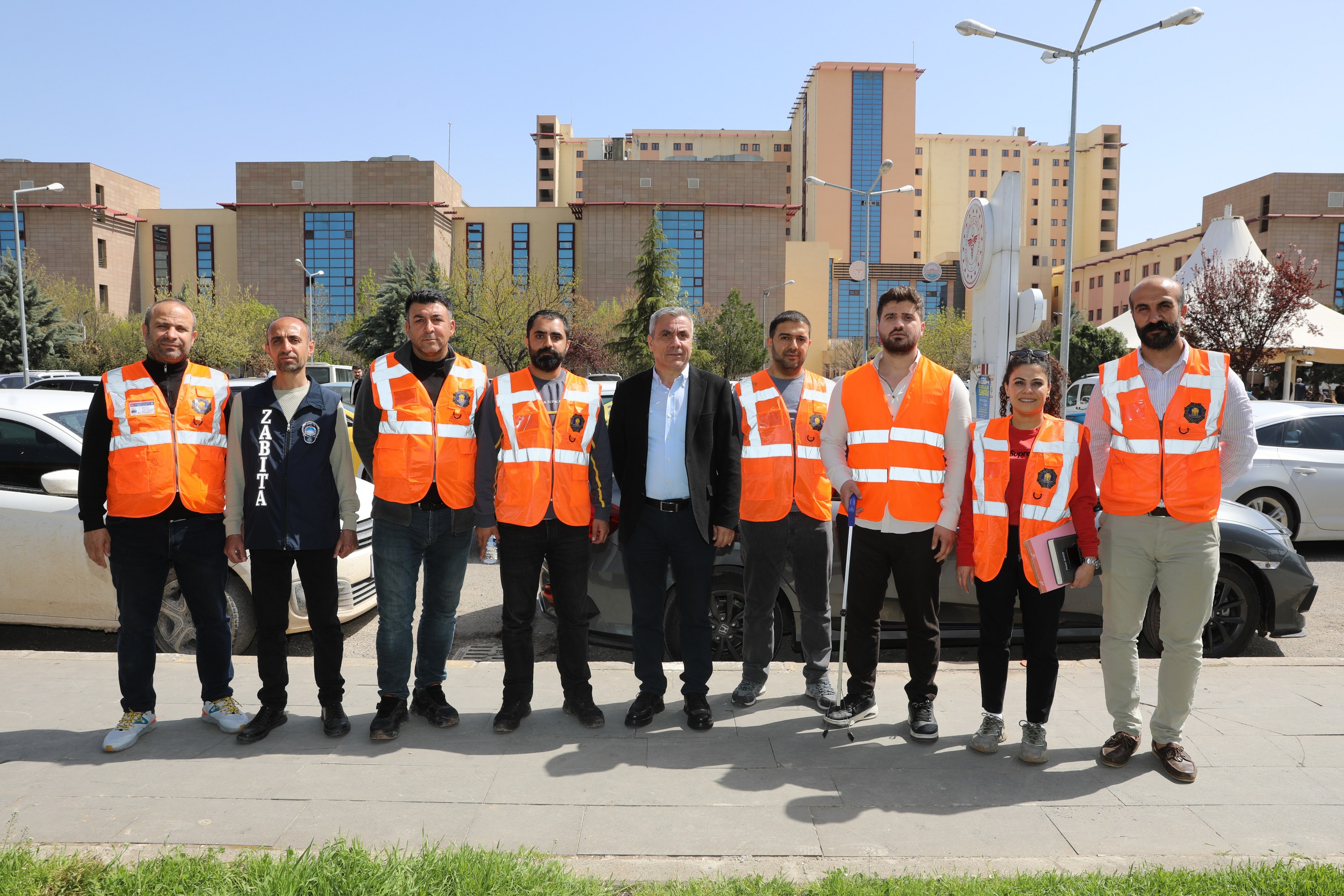
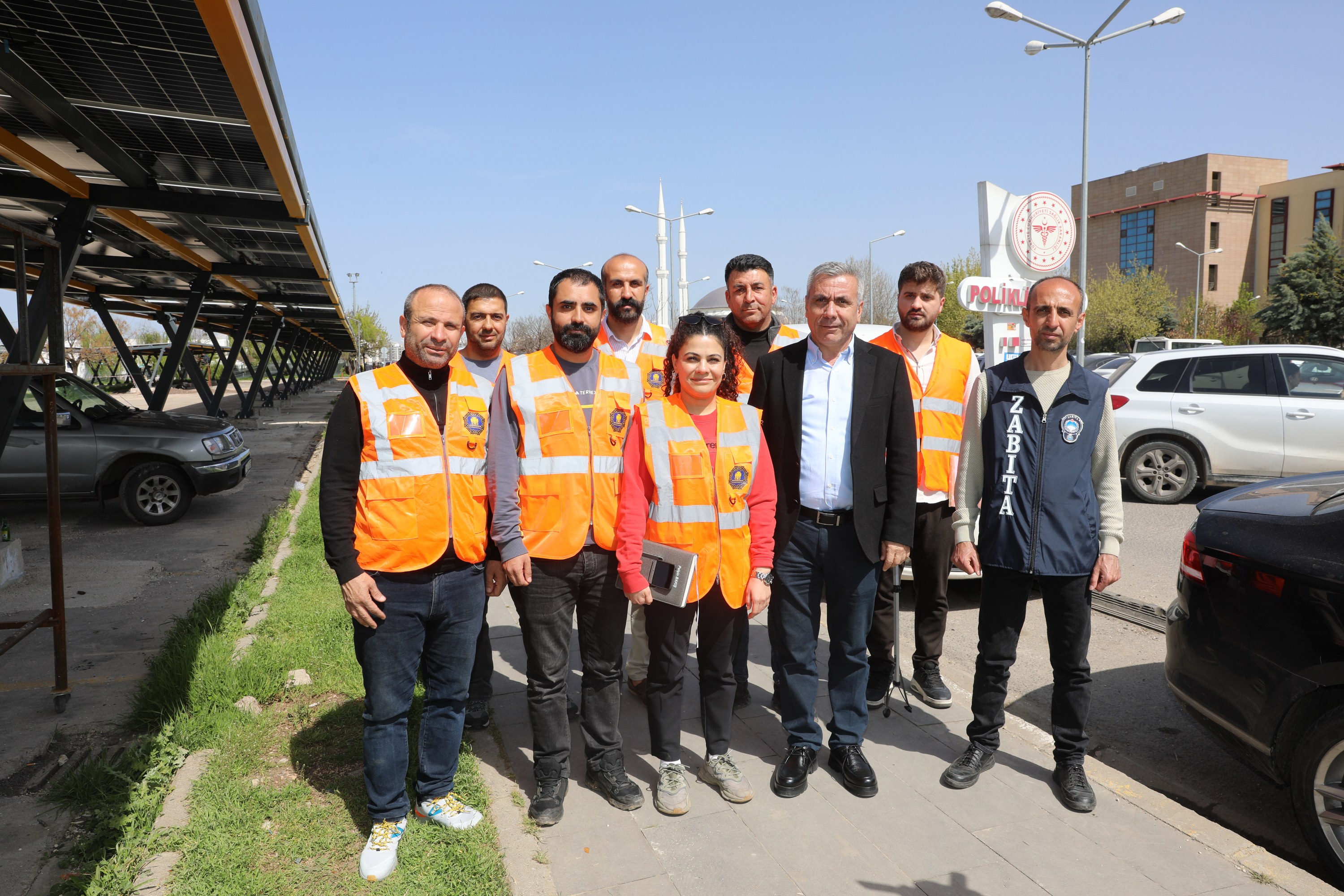
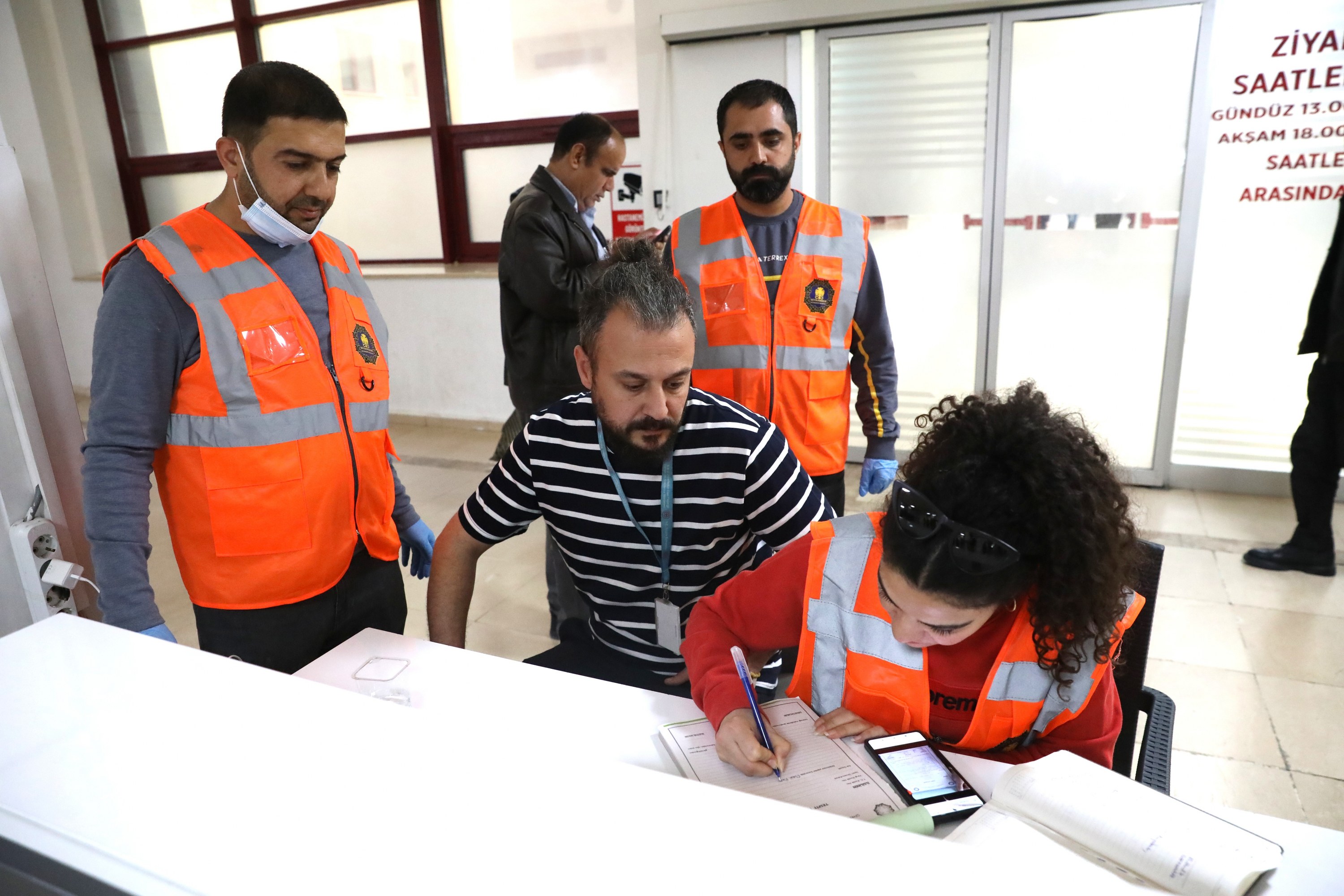
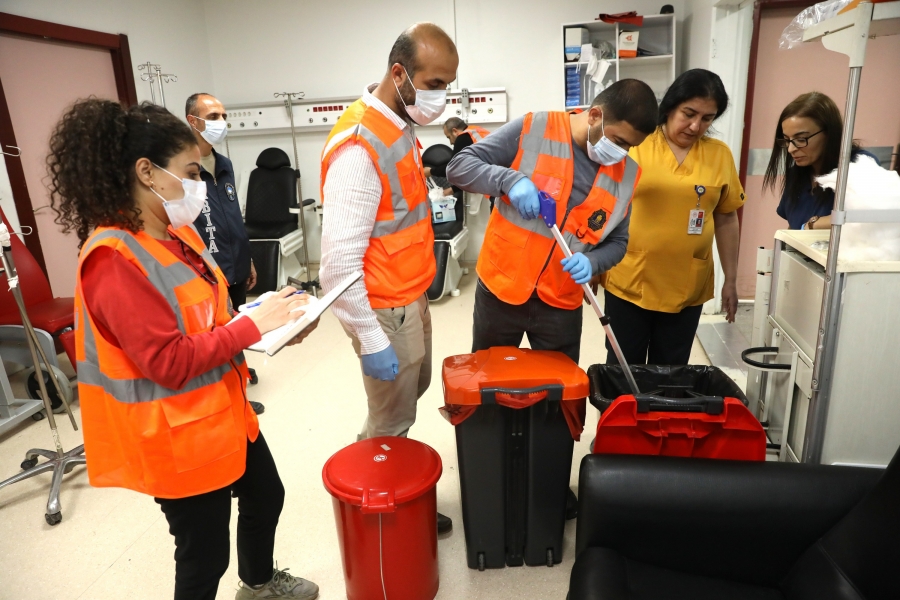
Because medical waste falls into a high-risk category, inspection teams carry out strict checks at public and private healthcare institutions every 15 days. When necessary, they also warn staff and provide guidance on the precautions that need to be taken.
Four teams conduct inspections every 15 days
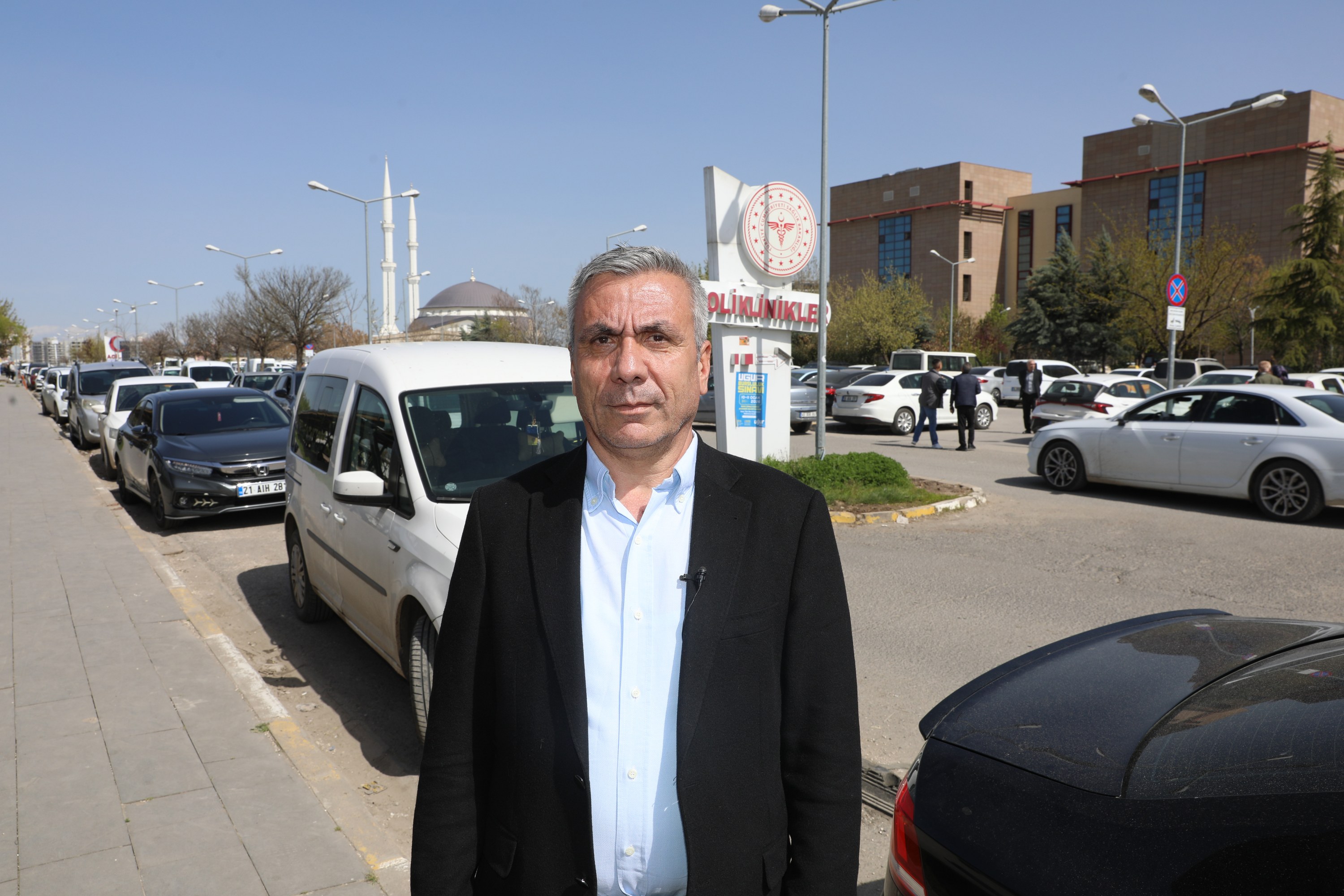
Mehmet Baran, Manager of the Solid Waste Branch under the Department of Environmental Protection and Control, said that medical waste inspections are carried out regularly every 15 days by four teams.
Baran stated that medical waste is collected from public and private hospitals, local health clinics and Family Health Centres (FHCs). He noted that, within the framework of the relevant regulation, these institutions are inspected to determine whether waste is being properly stored, kept under appropriate conditions and prevented from being mixed with household waste.
Baran added that 7.5 to 8 tonnes of medical waste are collected across the city each day, and said that the volume varies depending on seasonal conditions, usually increasing during the winter months.
‘They are disposed of in a controlled manner’
Baran said: “Once we collect the waste and take it to the facility, it is weighed and formally accepted into the plant. After undergoing sterilisation at our facility, the waste is disposed of in a controlled manner at our EKAY facility at the Karacadağ landfill site.”
Medical waste training for hospital staff
Baran stressed that training programmes are also organised to raise awareness among staff working in public and private healthcare institutions. He said the training covers the use of protective equipment by waste collection personnel, key points to observe during collection, and disposal procedures.
Baran said: “In particular, all contaminated waste that has come into contact with human health in our healthcare institutions — including IV bottle caps, IV tubing, needle tips, vials and syringes — must be placed in the designated medical waste bins in line with the Medical Waste Regulation.”
‘No adverse incidents have been recorded’
Baran noted that, under the relevant regulation, inspections will continue periodically at all hospitals and local health clinics within the municipality’s boundaries. He emphasised that no adverse incidents had been recorded in the province in relation to the collection of medical waste in the field, among staff, or at waste collection facilities.
Baran said: “The fact that no adverse incidents have occurred shows that the Metropolitan Municipality has been successful in the collection of medical waste.”