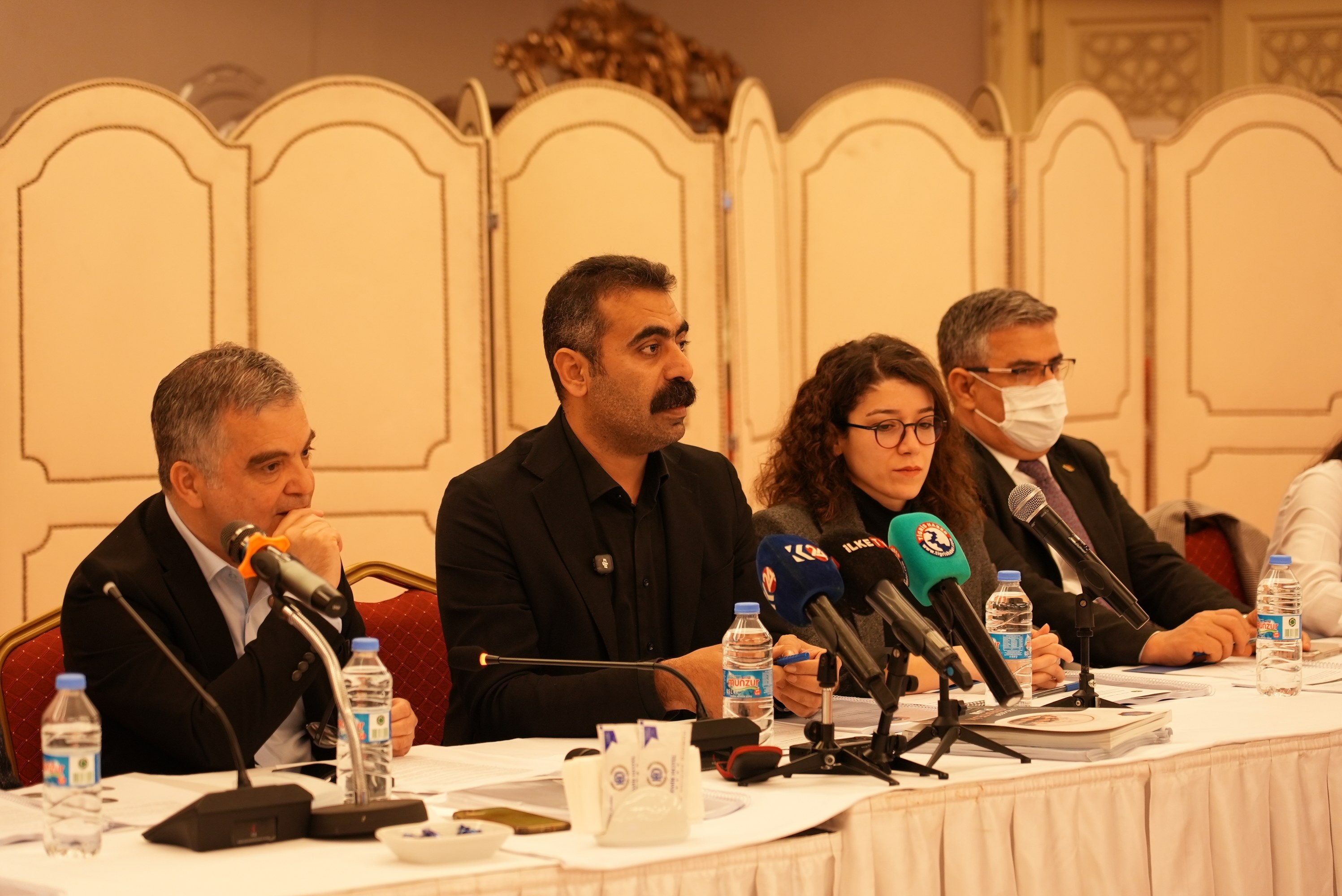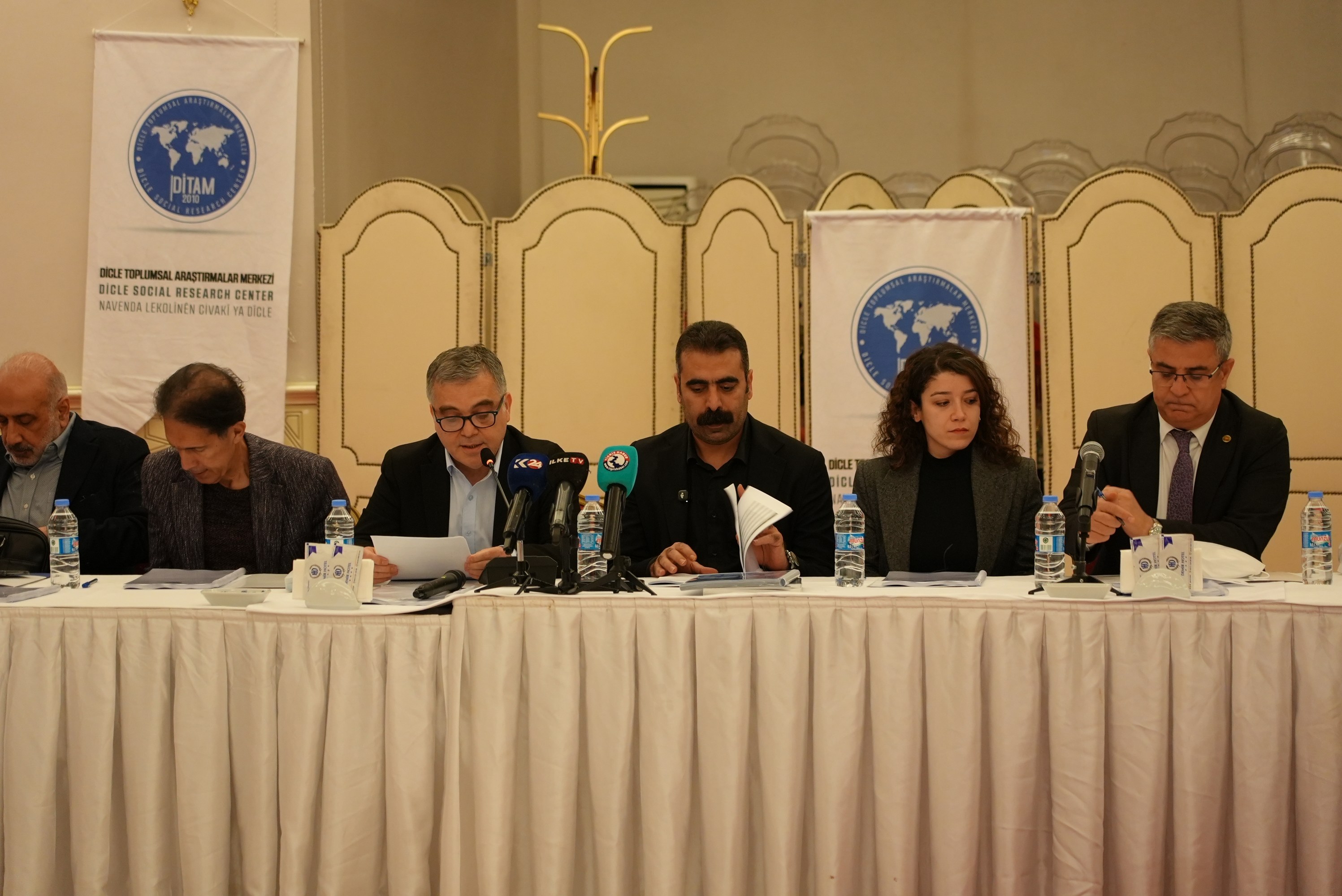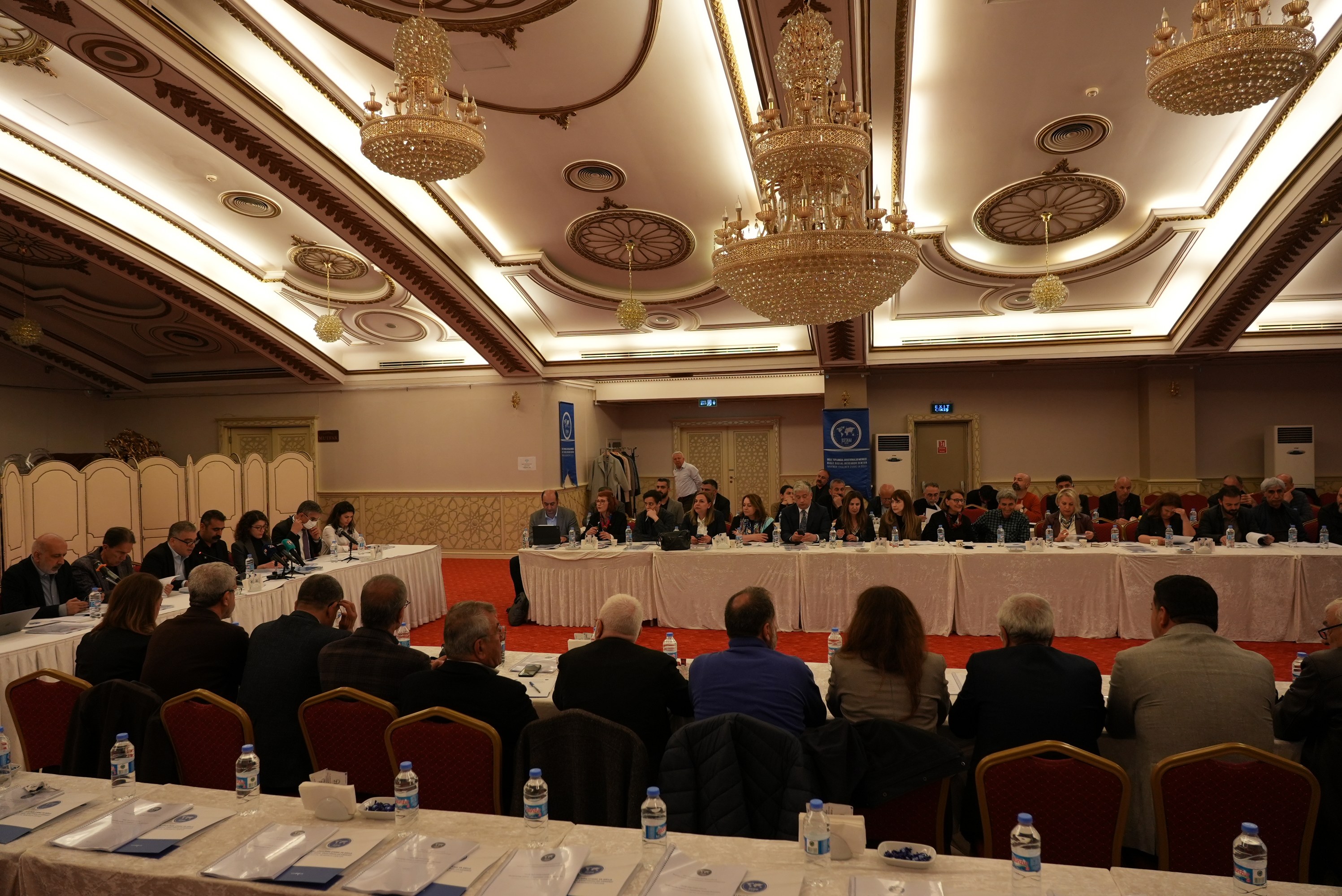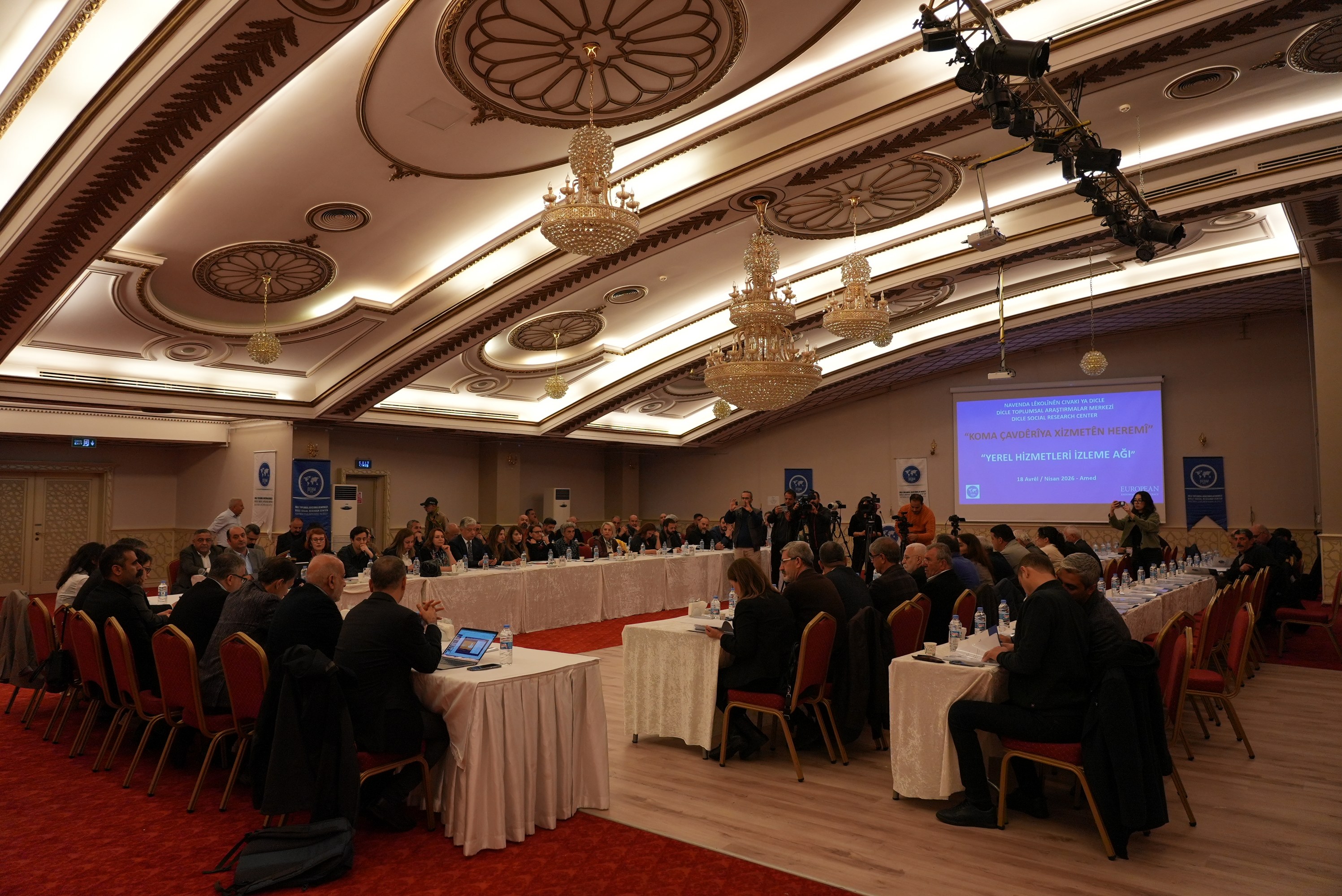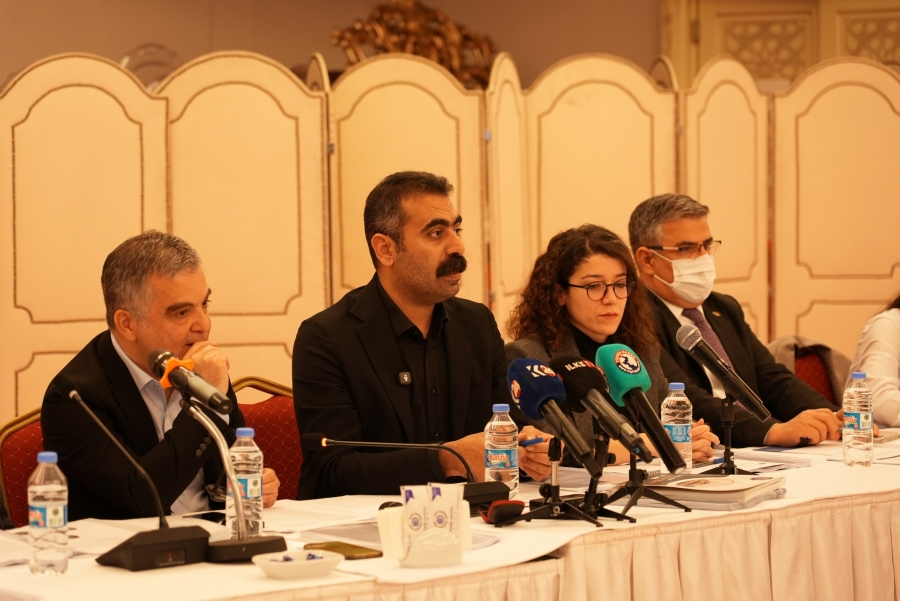
Diyarbakır Metropolitan Municipality Co-Mayor Doğan Hatun stated that the city’s 2025–2029 Strategic Plan had been prepared through the joint contribution of civil society and local stakeholders, stressing that shortcomings in all areas — from culture to ecology, and from social policies to children’s services — had been identified and incorporated into the planning through an inclusive approach.
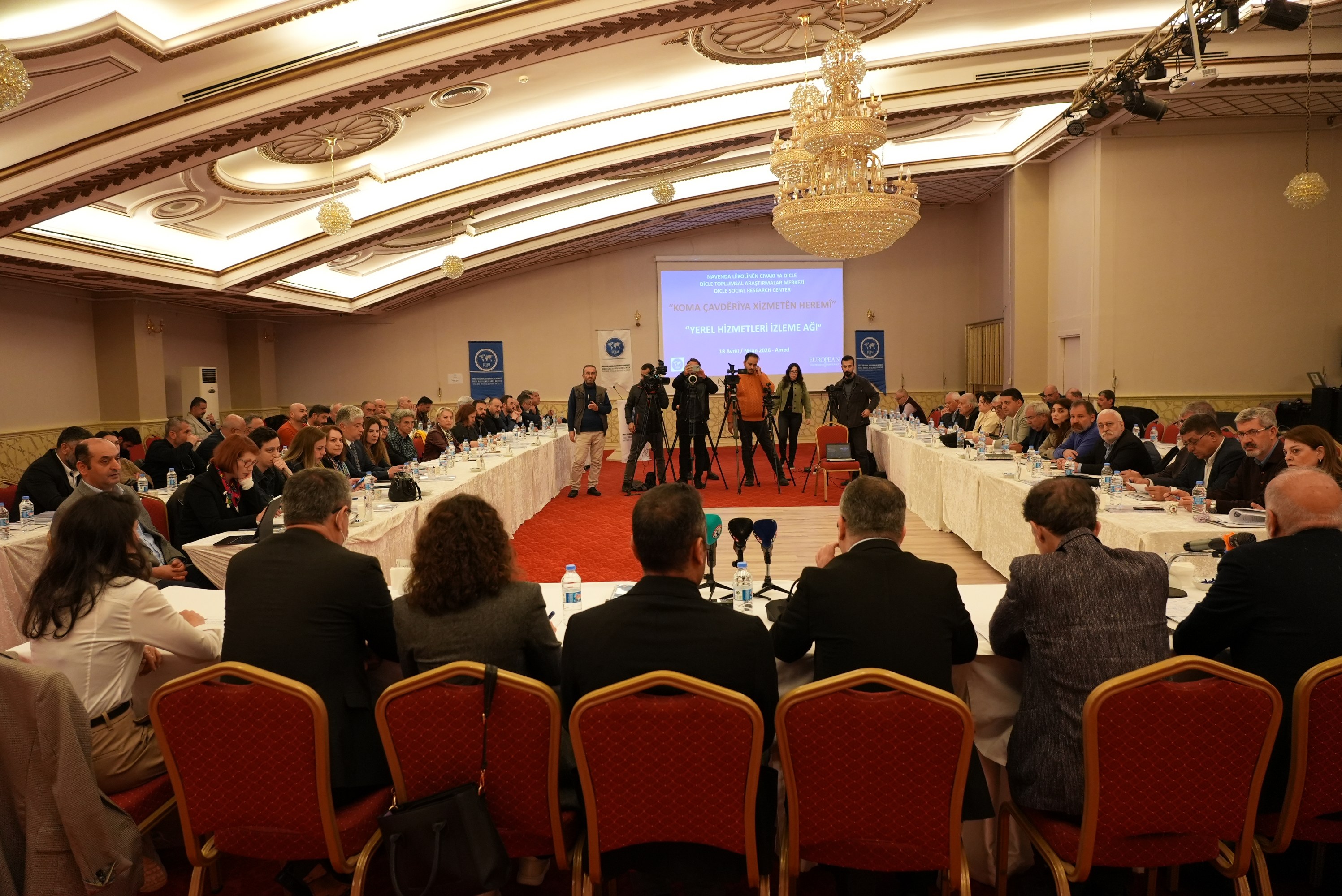
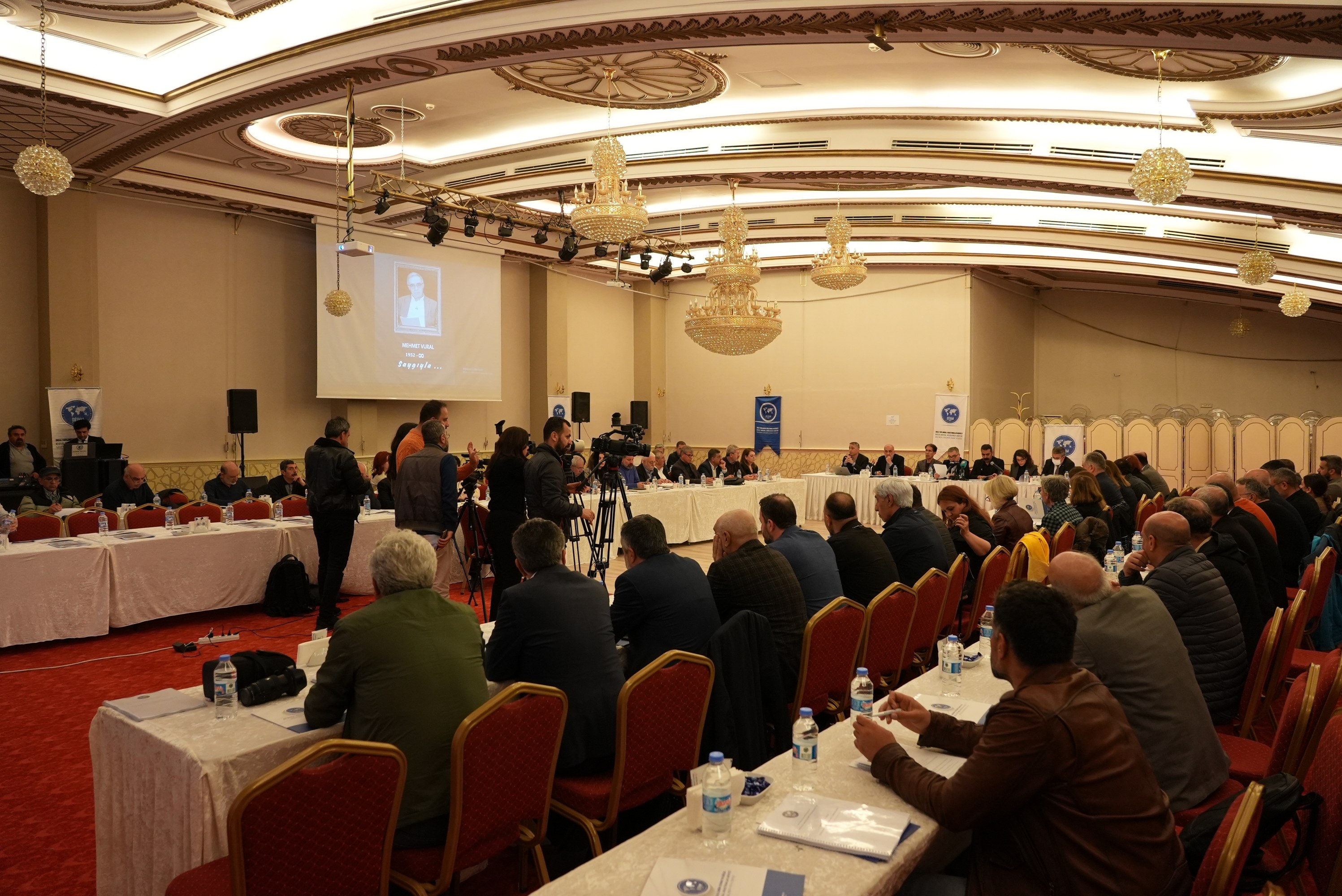
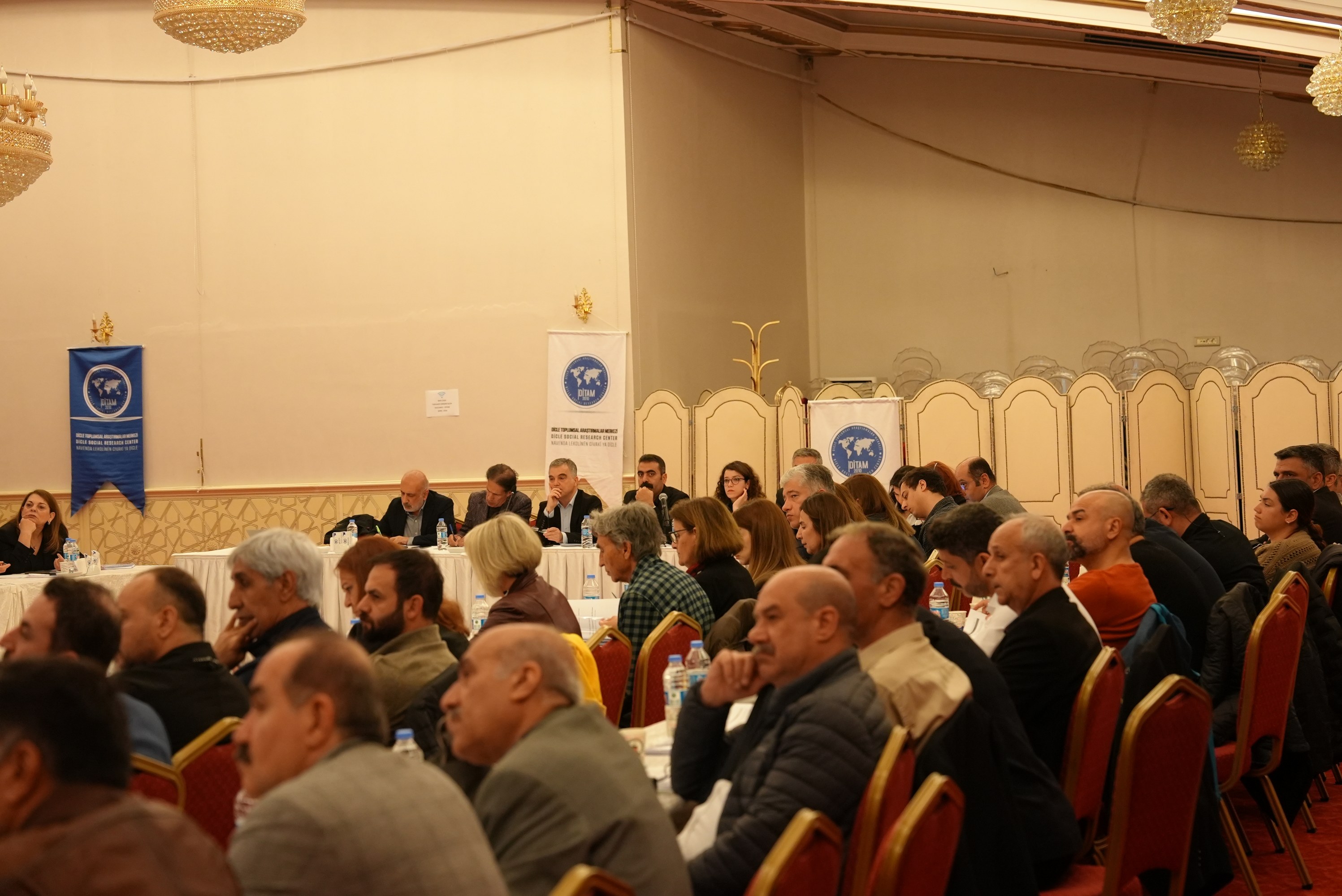
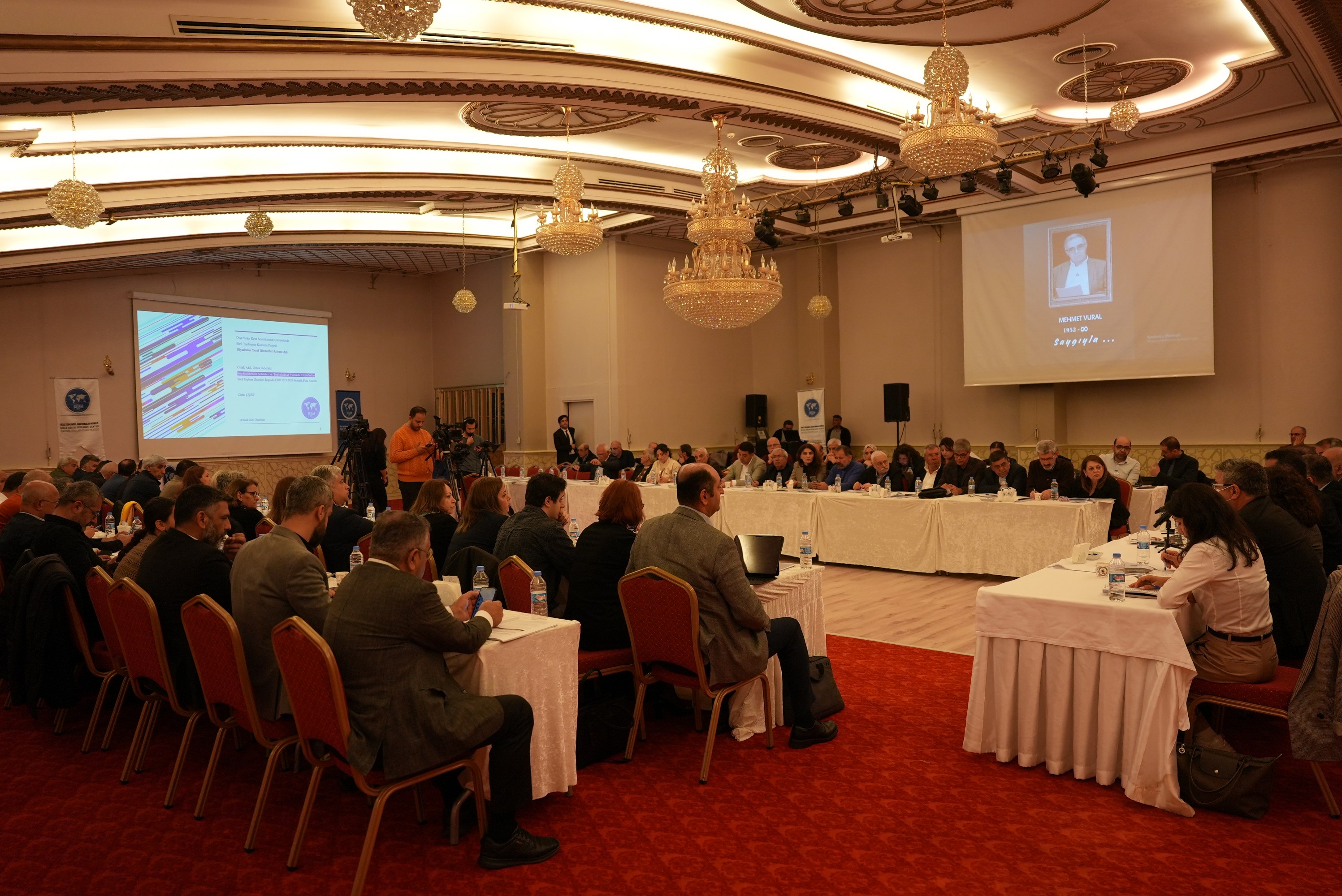
A meeting was organised by the Dicle Centre for Social Research (DİTAM) under the title “Diyarbakır Local Services Monitoring Network: Diyarbakır on the Path to Sustainable Cities and Communities — The Impact of Economic Policies Implemented in Türkiye from Past to Present on Regional Inequalities”. In addition to Diyarbakır Metropolitan Municipality Co-Mayor Doğan Hatun, the meeting was attended by representatives of political parties and civil society organisations, MPs, professional chambers, academics and people working in the field of local government.
Co-Mayor Hatun: The five-year plan was prepared through collective wisdom
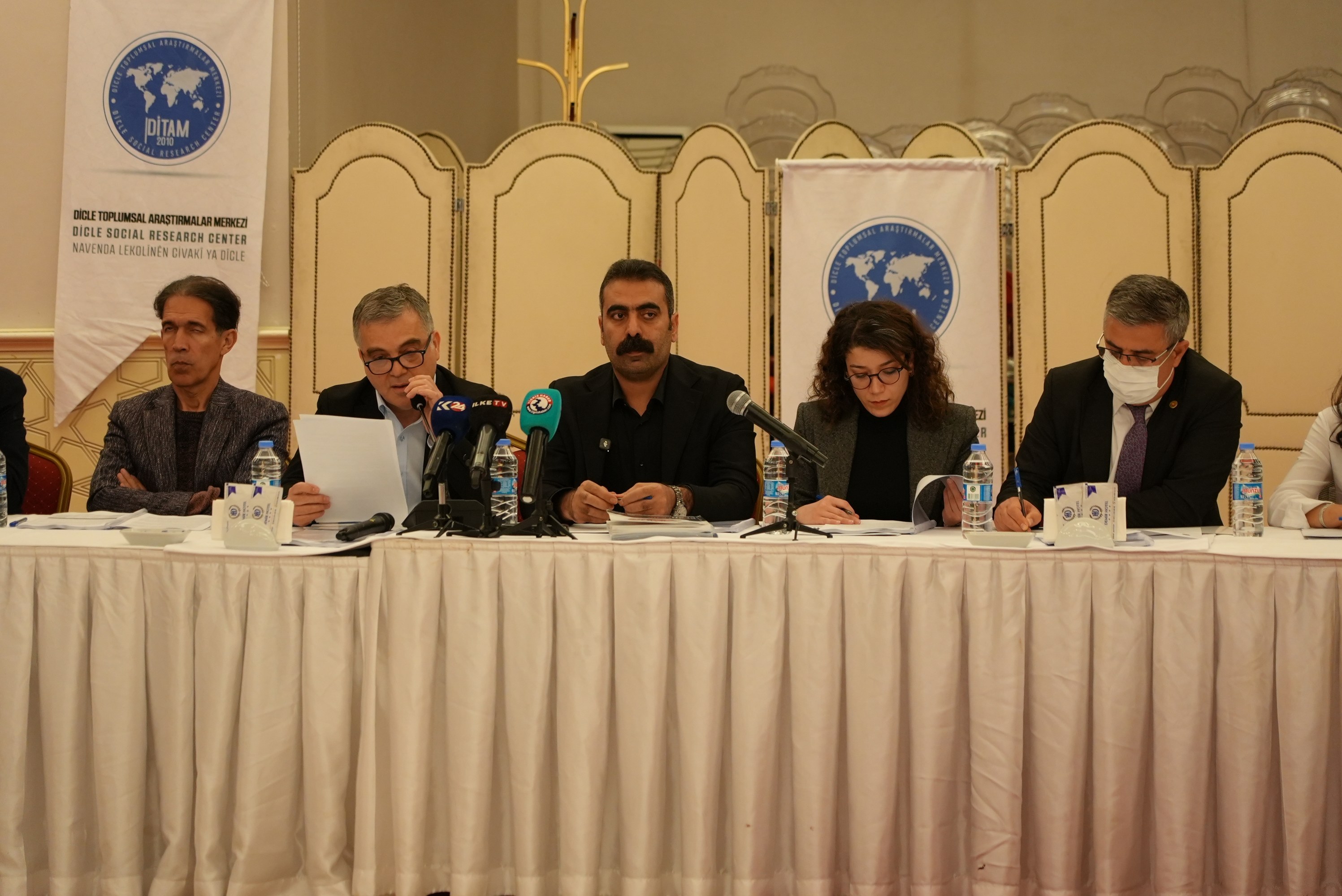
The opening speeches of the meeting were delivered by DİTAM Chair Mesut Azizoğlu and Metropolitan Municipality Co-Mayor Doğan Hatun. Co-Mayor Hatun shared his views on the role of local government and regional development policies. Stating that such programmes were of great importance both for the Metropolitan Municipality and for the city, Co-Mayor Hatun underlined that the five-year strategic plan had been prepared through collective wisdom.
‘We drew up the plan by identifying shortcomings’
Co-Mayor Hatun stated that all participants in this process were institutions based in the city, and continued as follows: “We planned every aspect of life together. I would like to thank everyone who contributed. The state also has five-year plans for the city, and we took those into consideration as well. From culture and the arts to ecology and children’s services, we identified the shortcomings and drew up the plan accordingly.”
Stating that although the planning had been completed, the main issue that now needed to be discussed was the implementation process, Co-Mayor Hatun said: “We have completed our strategic planning for the period from 2025 to 2029. Our colleagues will provide you with detailed information on the content of the plan. Thank you for your participation.”
DBB’s Strategic Plan assessed
Following the speeches, in the first session, academic Dr Cuma Çiçek delivered a presentation titled “Diyarbakır on the Path to Sustainable Cities and Communities”, in which he offered an assessment of Diyarbakır Metropolitan Municipality’s 2025–2029 Strategic Plan within the framework of proposals put forward by civil society.
In the presentation, the proposals prepared with the contribution of civil society were examined under three headings: normative, strategic and operational. The normative alignment analysis assessed key principles such as gender equality, an ecological approach, urban identity and multiculturalism, local economic development, participatory governance and sustainability.
In the strategic alignment analysis, levels of alignment were examined with a focus on sustainable cities, and the areas were classified as very high, high, medium and low. In the operational alignment analysis, issues such as poverty reduction, health, education, energy, economic growth, infrastructure and peace were addressed in line with the United Nations Sustainable Development Goals.
Establishing neighbourhood-based social support networks
At the end of the report, it was stated that civil society in Diyarbakır was particularly strong in the fields of culture and gender, but that capacity building was needed in the areas of social policy, economic development and the environment. In this context, it was recommended that neighbourhood-based social support networks be established, food banking and solidarity kitchens be expanded, psychosocial support services be increased, and educational support be strengthened.
The impact of economic policies on regional inequalities
The second session addressed the impact of economic policies implemented in Türkiye from past to present on regional inequalities. Moderated by DİTAM Board Member Dilan Kaya, the session discussed Türkiye’s industrial policies, the new industrial corridor and local public services.
The session featured CHP Deputy Chair Güldem Atabey, DEM Party Antalya MP Saruhan Oluç, DEVA Party Adana MP Sadullah Kısacık, and Diyarbakır Chamber of Commerce and Industry (DTSO) Chair Mehmet Kaya as speakers.