The 11th Amed International Theatre Festival, organised by Diyarbakır Metropolitan Municipality under the theme “Dialogue for Peace”, has opened with its multilingual and multicultural programme, bringing the shared language of peace to the stage. Co-Mayors Serra Bucak and Doğan Hatun emphasised that the festival is not merely an arts event, but a powerful gathering that strengthens the city’s memory, resistance and will to live together.
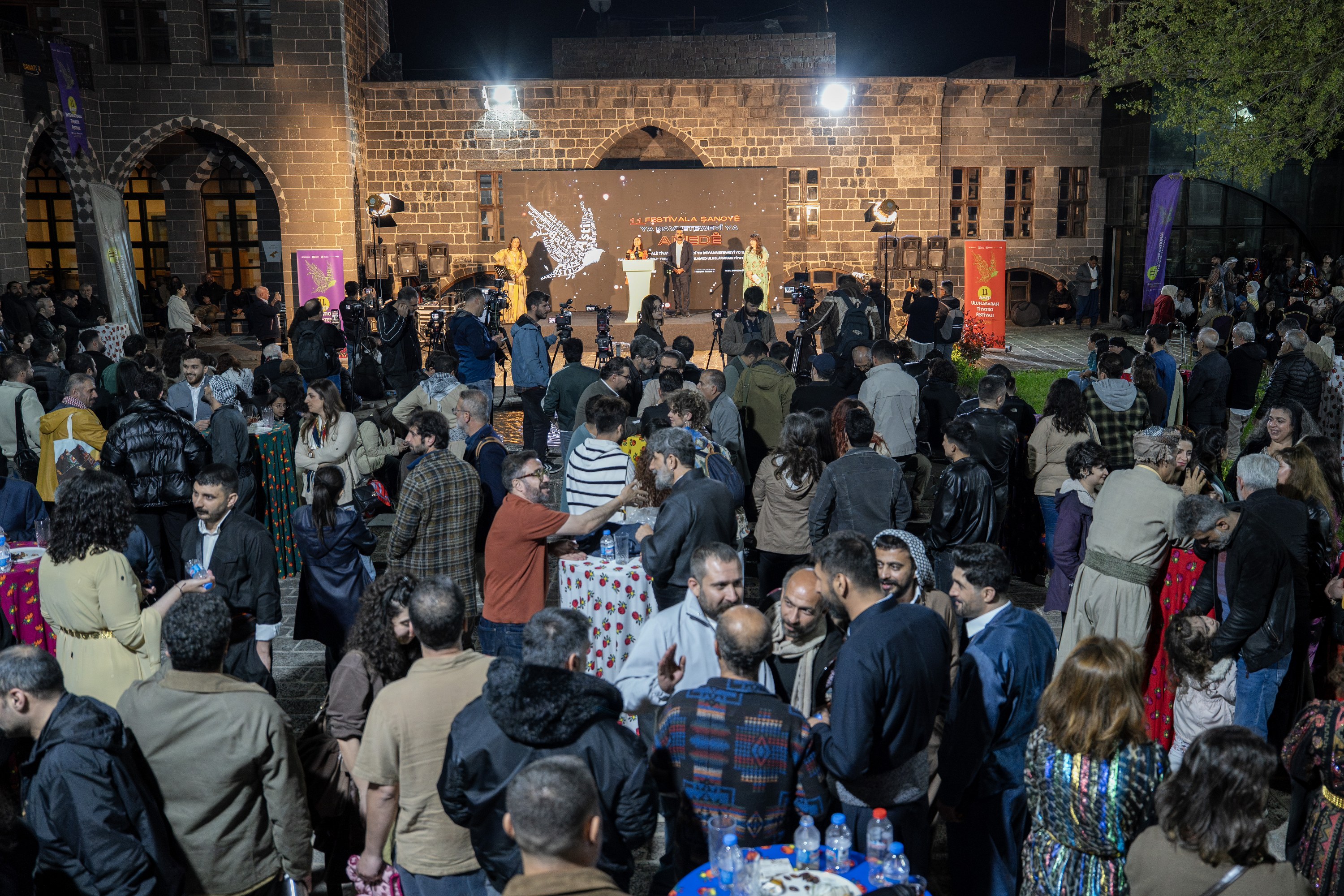
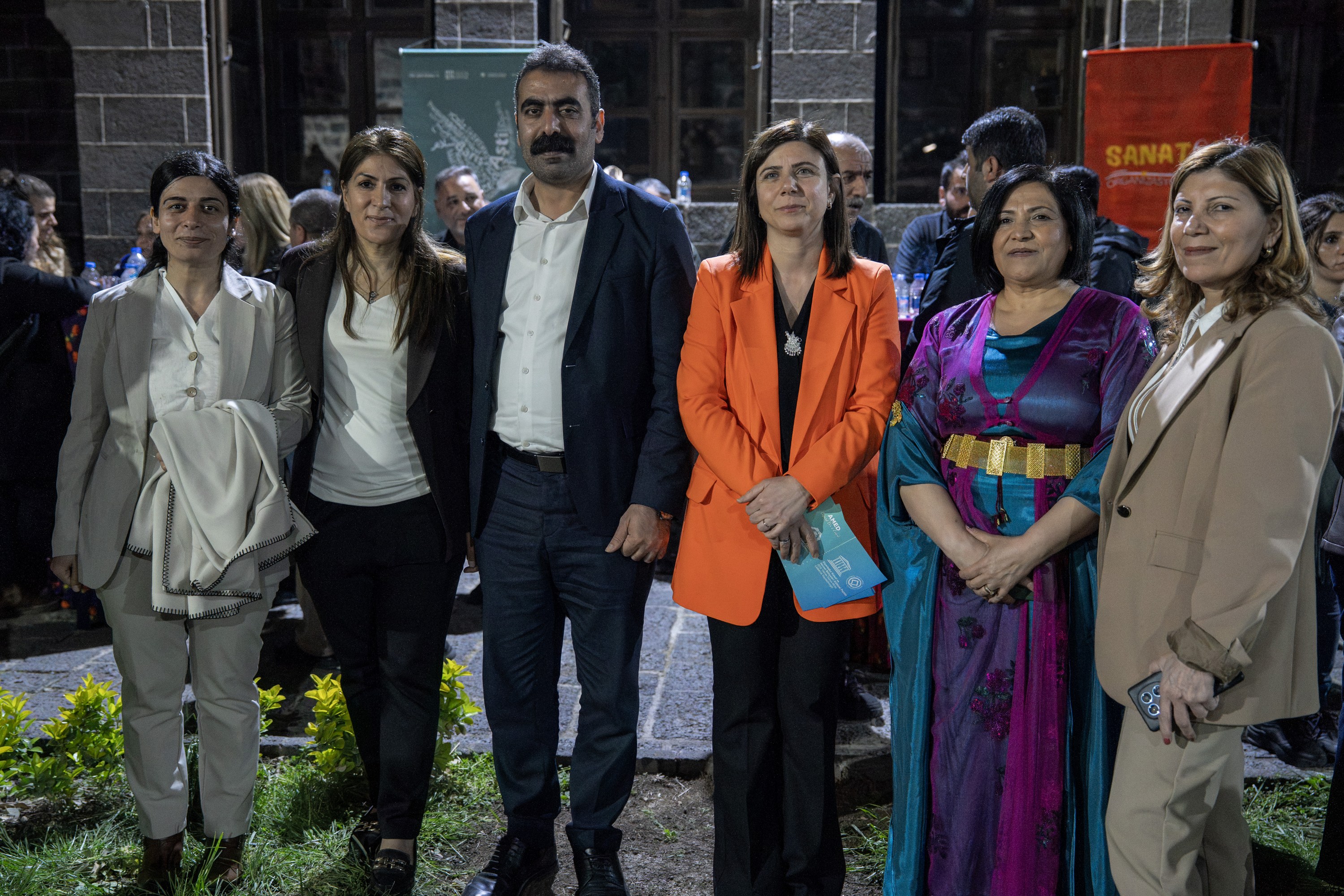
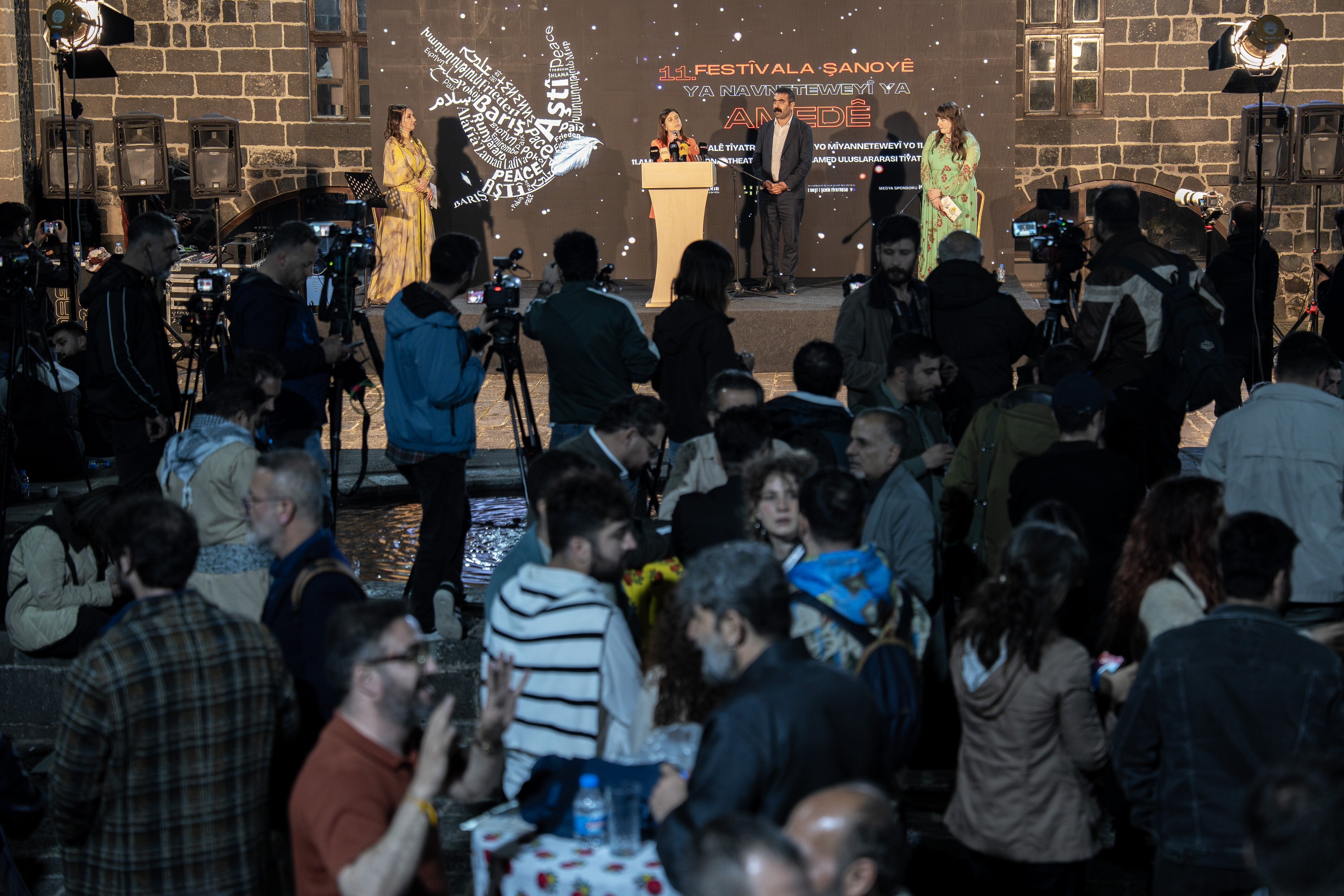
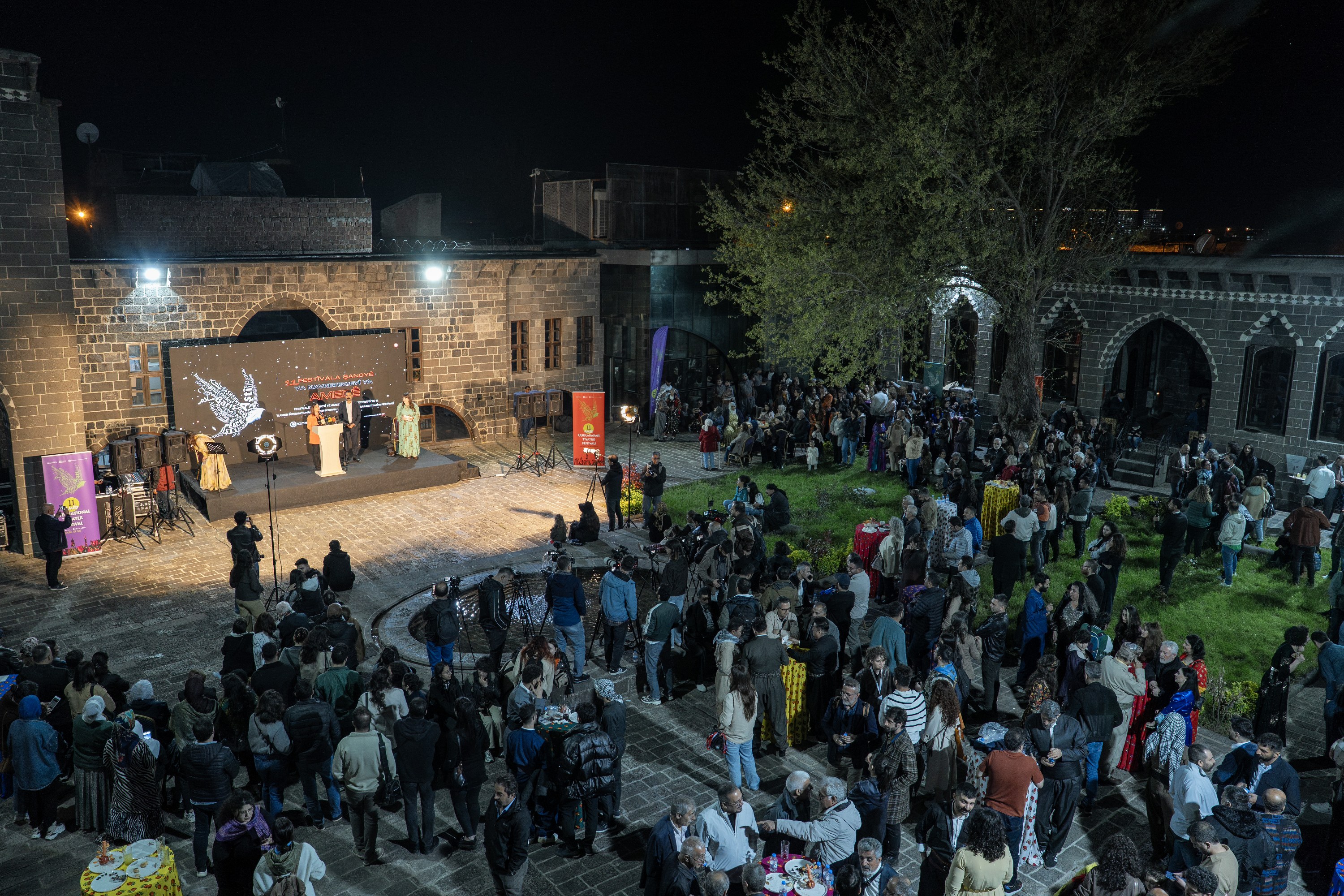
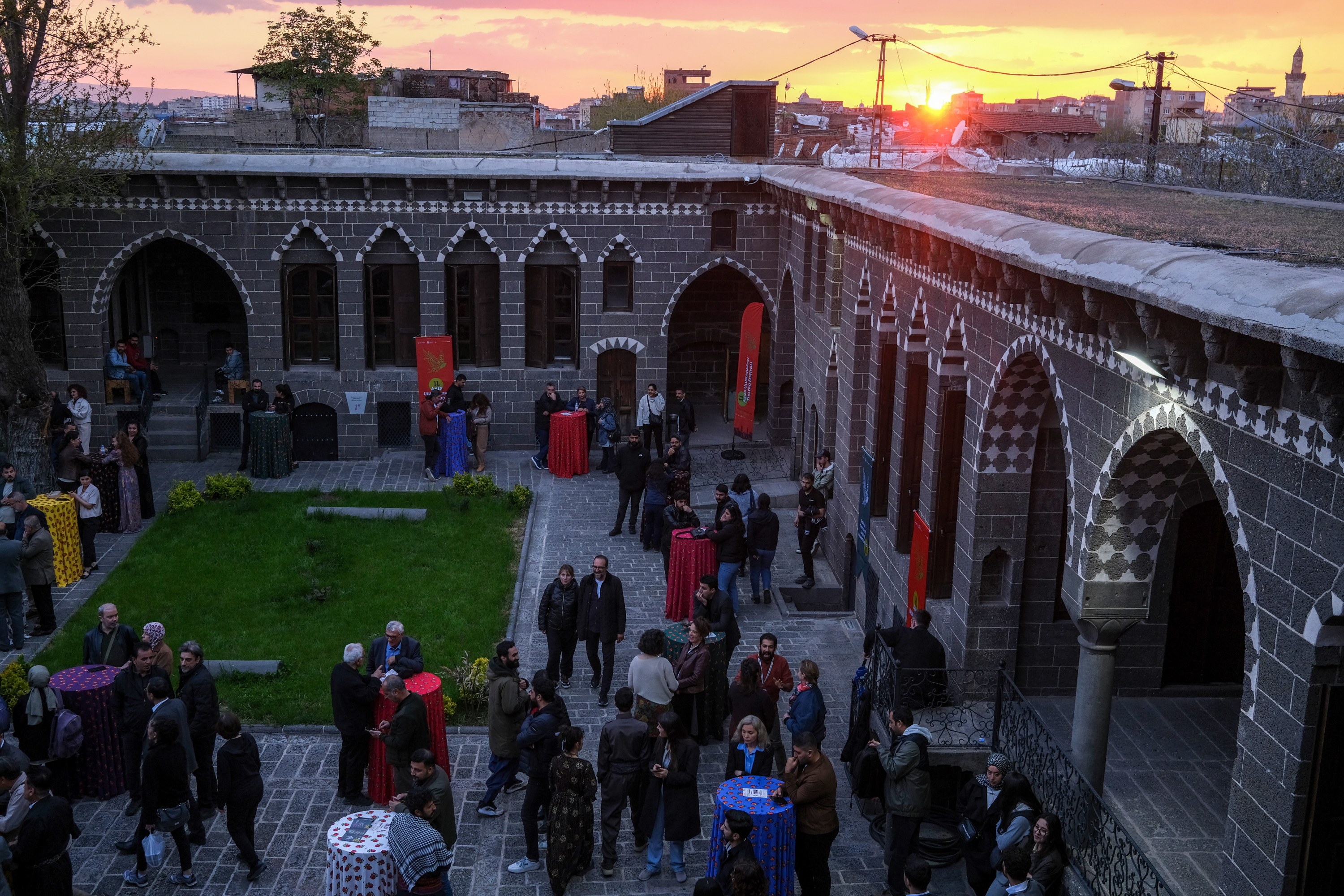
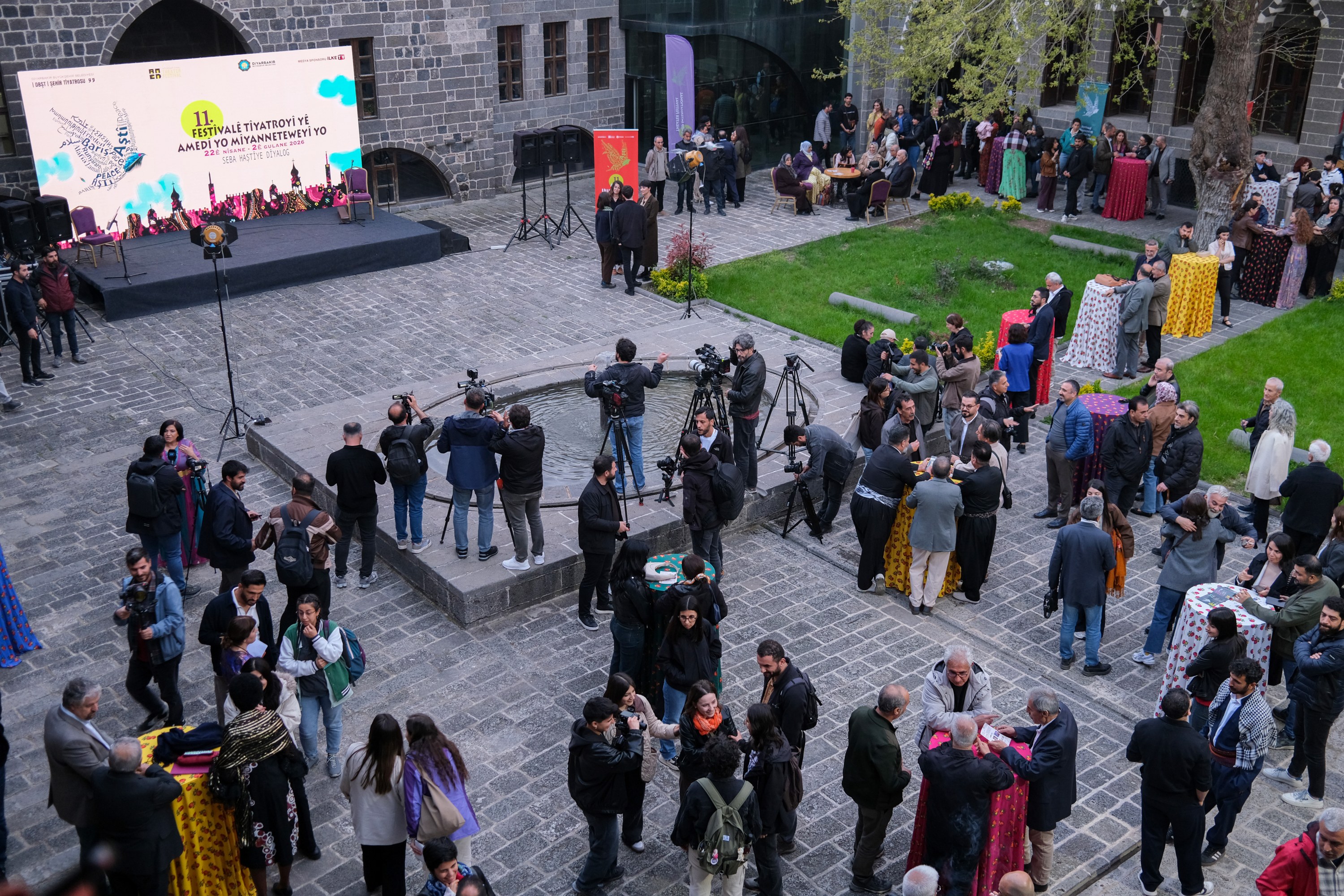
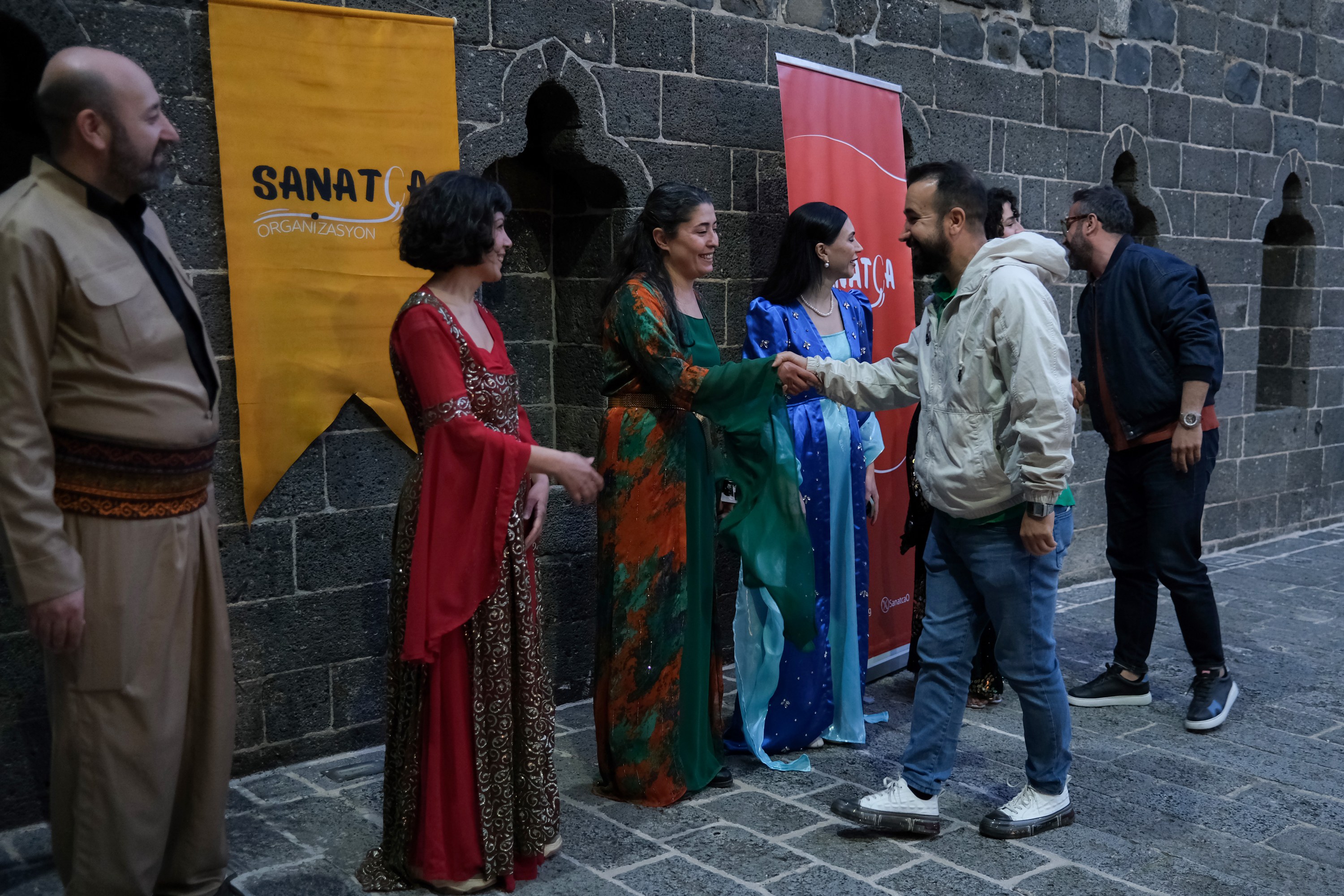
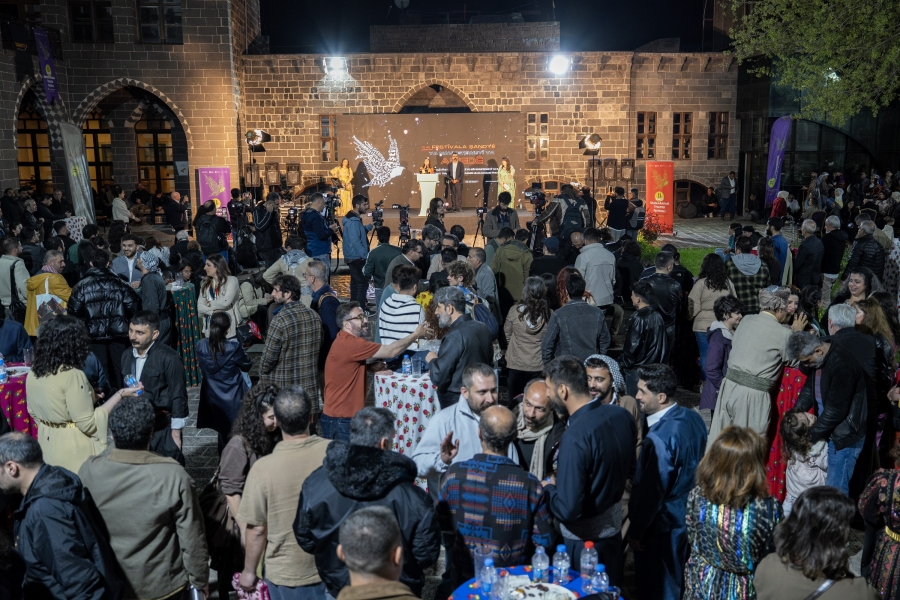
The 11th Amed International Theatre Festival, organised by Diyarbakır Metropolitan Municipality City Theatre (DBŞT), which operates under the Department of Culture, Arts and Social Affairs, began with a reception held at Cemilpaşa Mansion City Museum. The reception was attended by Metropolitan Municipality Co-Mayors Serra Bucak and Doğan Hatun, as well as representatives of civil society organisations and artists.
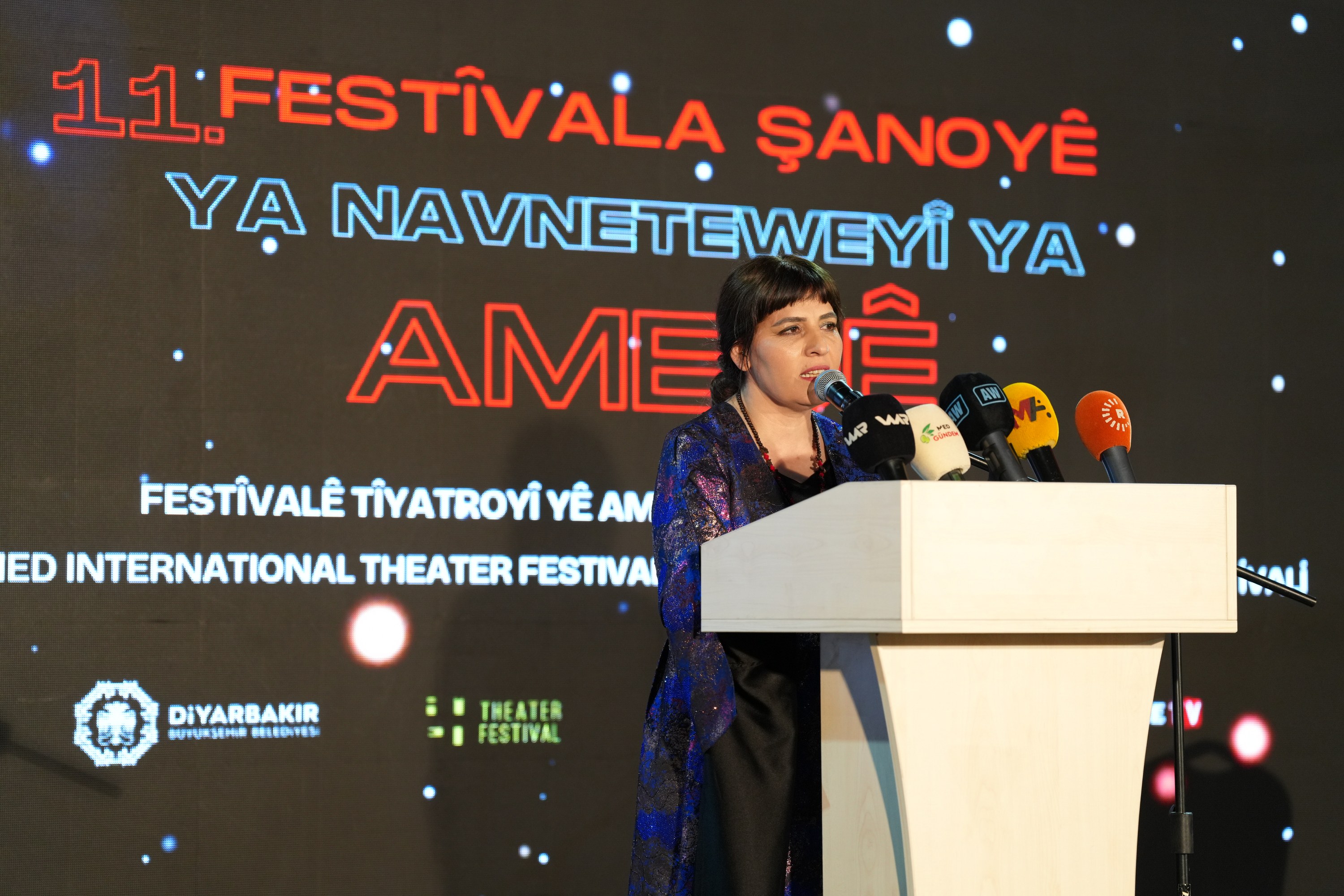
Speaking at the opening, Festival Coordinator Berfin Emektar thanked everyone involved and said that a wide range of plays would be staged throughout the festival.
“Theatre is a space for genuine dialogue”
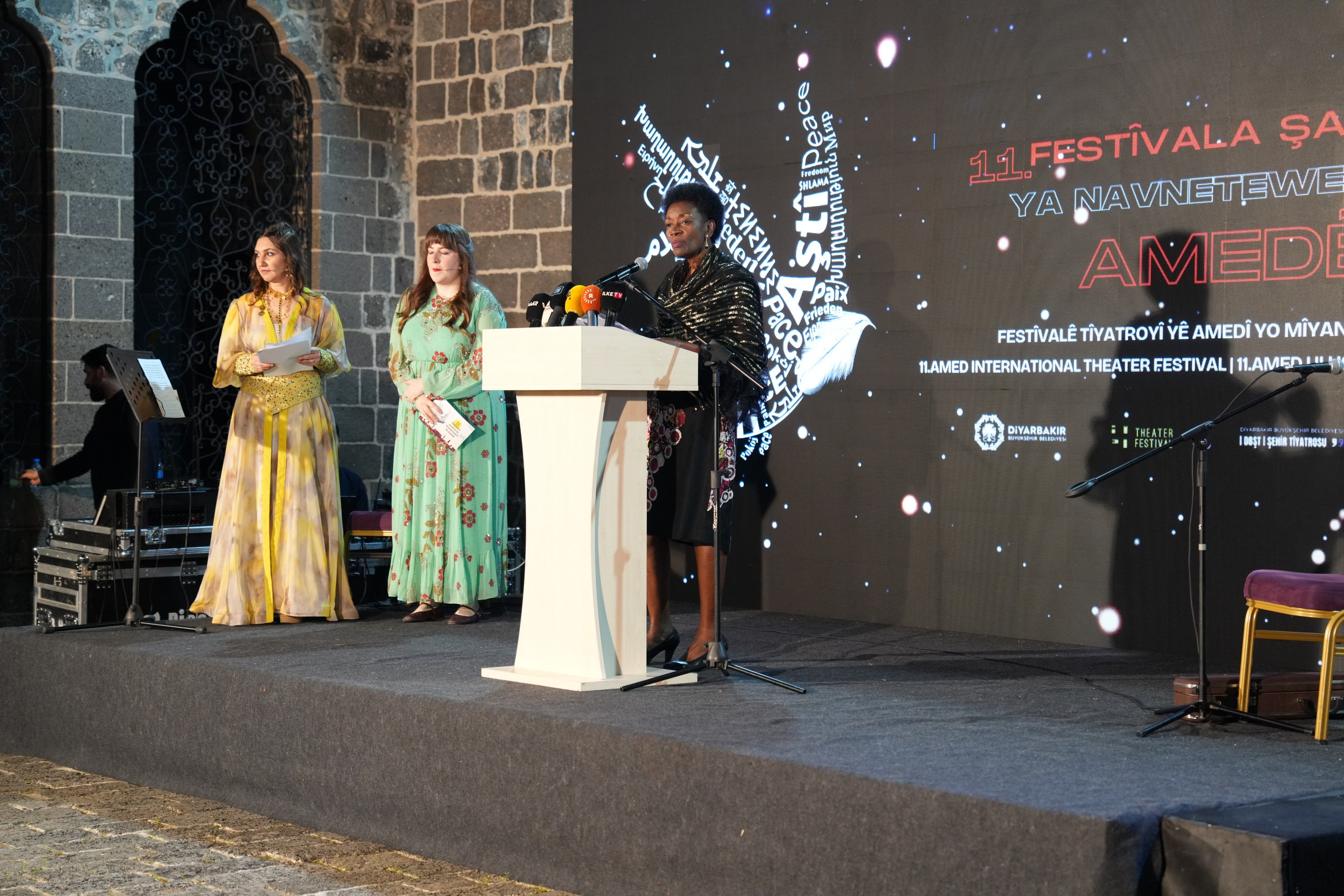
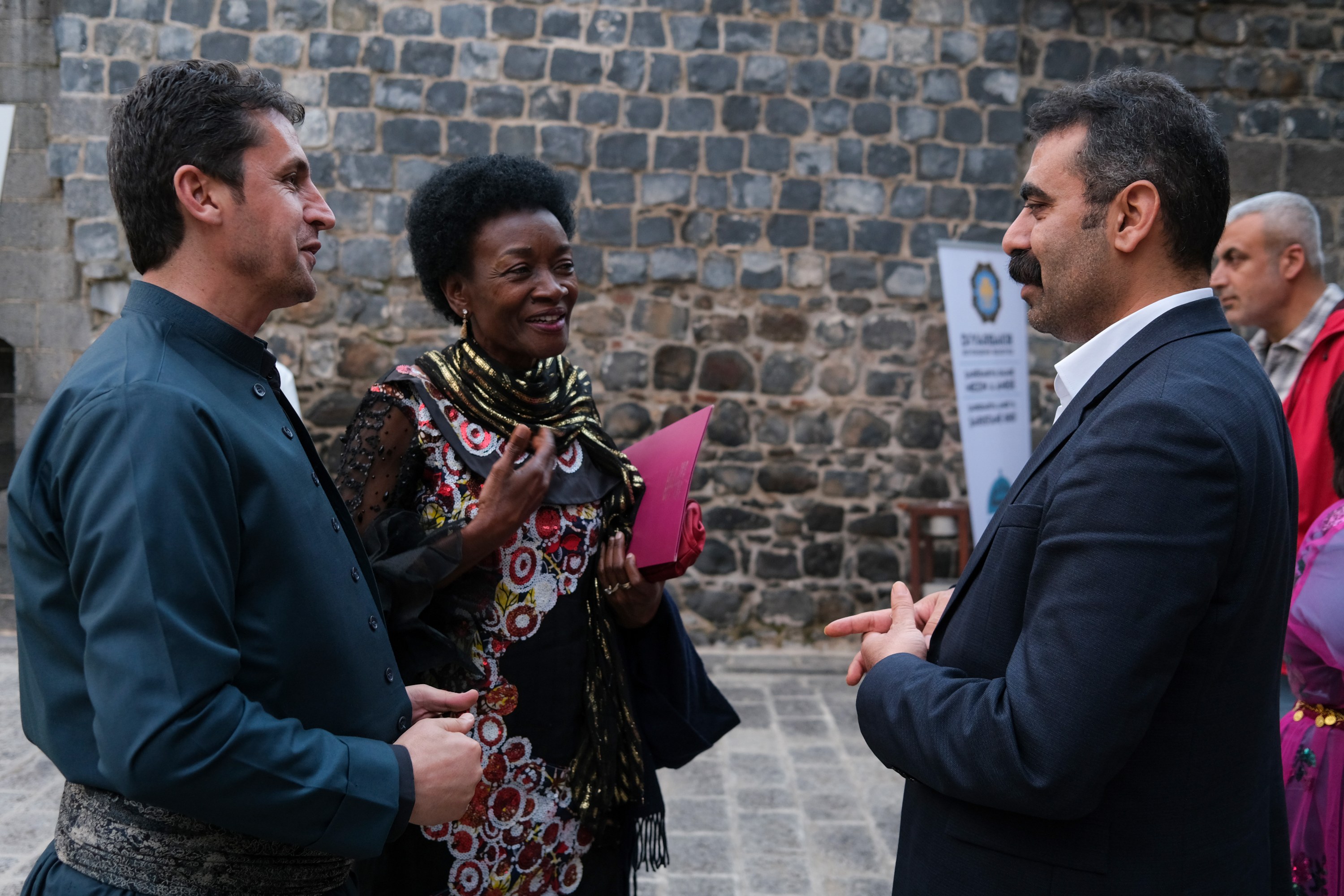
Jessica Kaahwa, President of the International Theatre Institute (ITI), said in her opening speech that she was honoured to take part in such a festival in Amed, organised around the theme of peace. She stated that the event was not only a festival, but also a powerful stance and expression.
Kaahwa noted that people were coming together at a time when the world is facing uncertainty, division and suffering, and said it was necessary to ask whether theatre can still serve humanity under such conditions.
Stressing that theatre is not a space that competes with power, Kaahwa said it carries a deeper meaning. She described theatre as a refuge beyond politics, propaganda and fear; a space that is not destroyed, but instead awakens people and makes genuine dialogue possible.
“Throughout history, Amed has carried the word of resistance and peace”
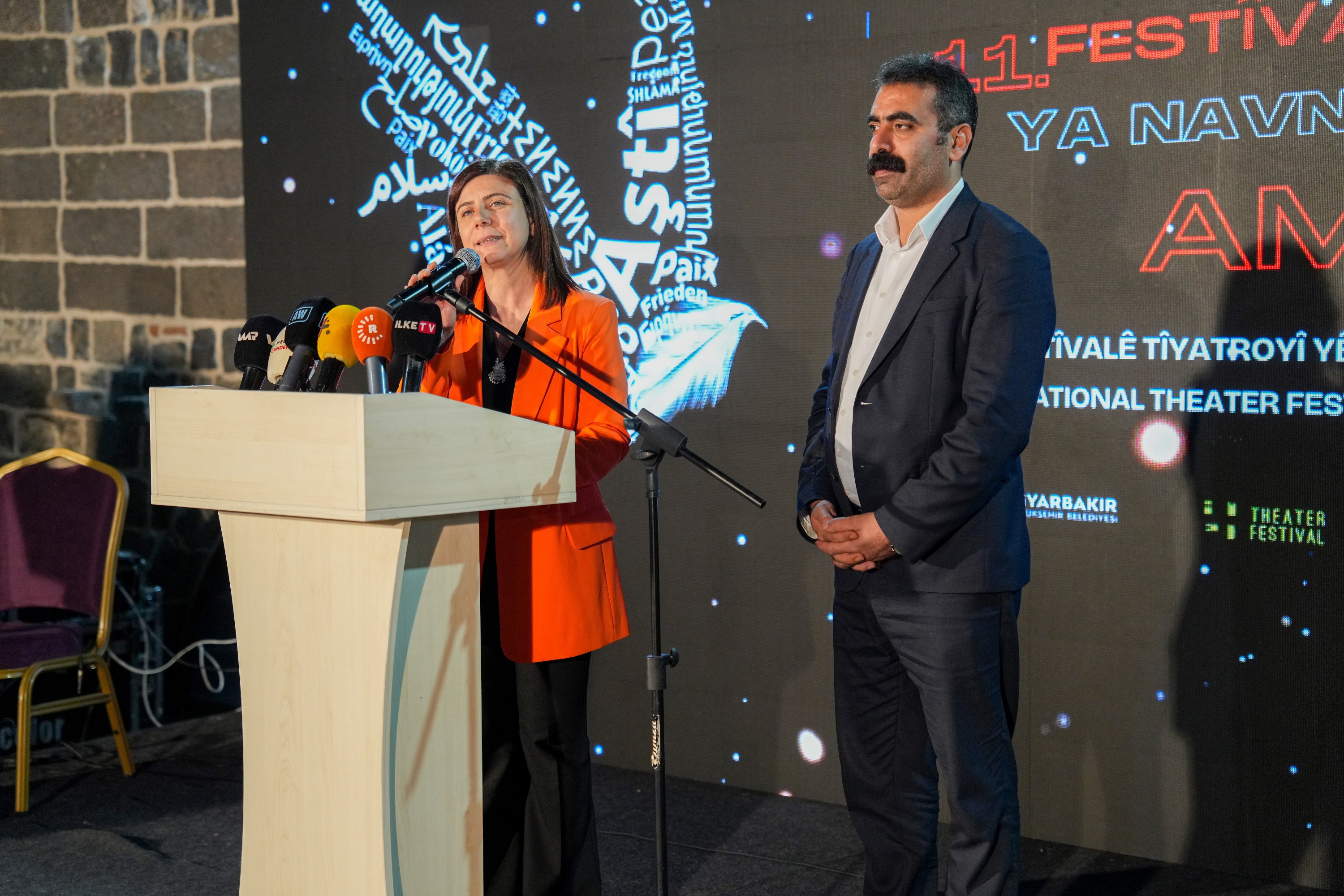
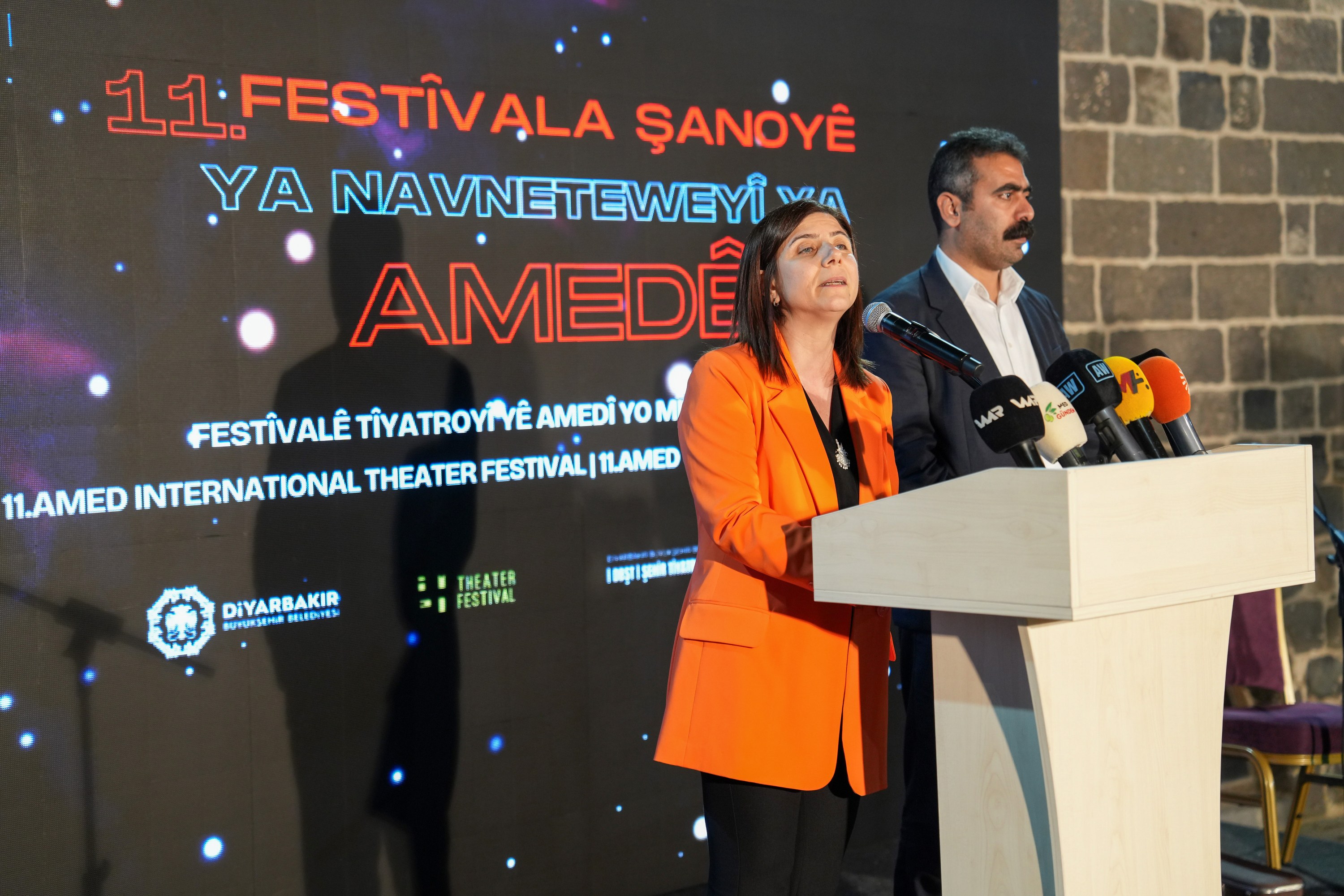
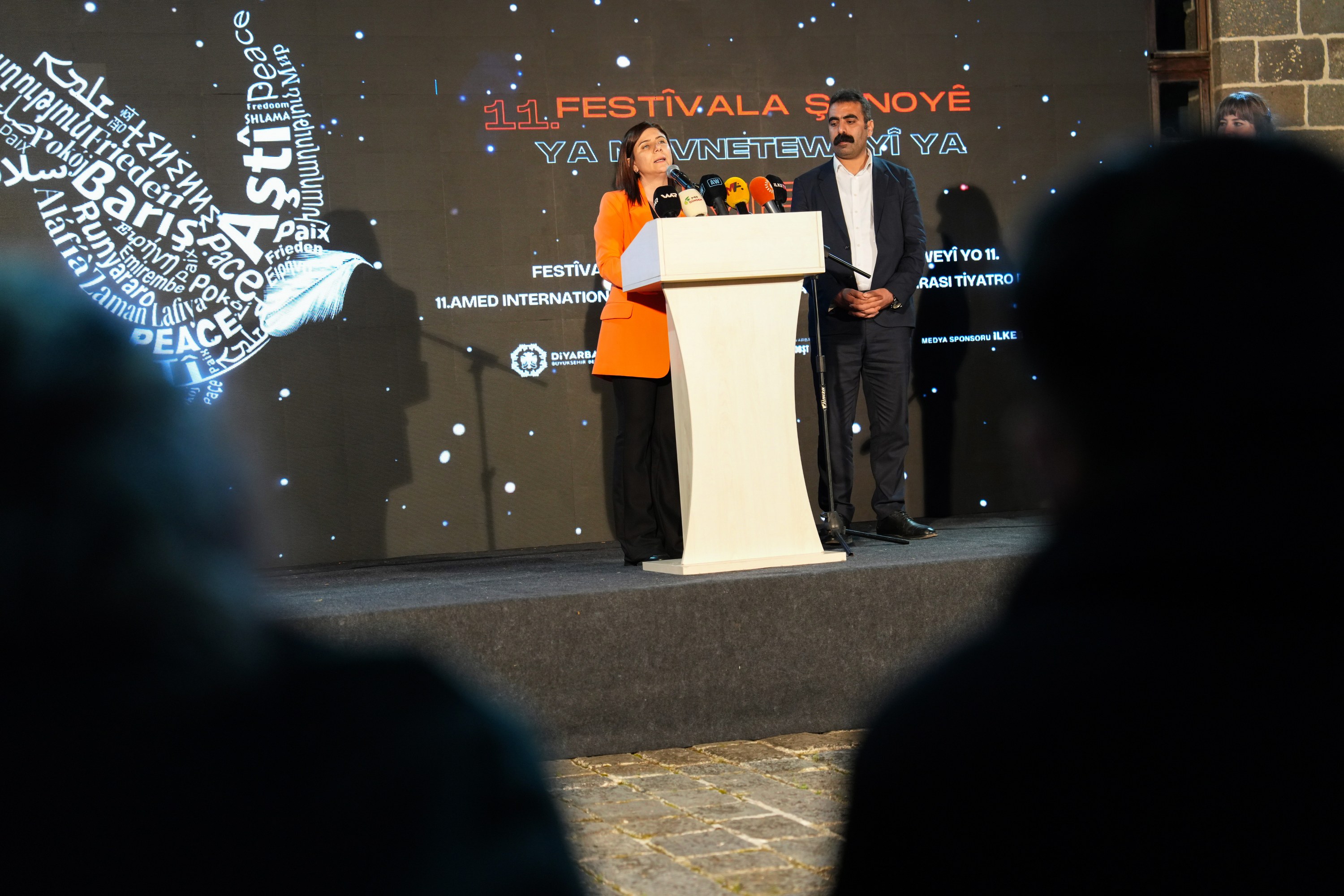
Co-Mayor Serra Bucak emphasised that the festival is not merely an arts event, but also a gathering that makes visible the words, resistance and search for peace accumulated in the city’s memory. She said: “Our city, Amed, has witnessed a great deal throughout history. It has endured deep suffering, waged many struggles and resisted time and again. It has never hesitated to speak of peace and dialogue. In the most difficult times, in the darkest moments, when we thought there was no way out, it never stepped back from speaking these words; each time, it continued to speak again from here, from Amed.”
“We are standing at the heart of a memory”
Co-Mayor Bucak said theatre, with its multilingual and multicultural character, was born out of the city’s memory. She stated that the gathering was not only an artistic event, but also an act of claiming the past and rebuilding it. Bucak also drew attention to the place of the reception venue in the city’s historical and social memory, saying:
“We have not come together today in just any venue. We are speaking of a place as resilient as Amed, as rich in words as Amed, and yet, sadly, a place that has at times been silenced, just like Amed. We are holding our opening at Cemil Paşa Mansion. We know that life once flowed here. We also know of its residents whose voices were later silenced. We are in a place where people were forced to migrate, forced into exile. We are standing at the heart of a memory. That is why coming together here today is not merely an opening or an artistic gathering. It is also an act of claiming this memory and rebuilding it in a stronger form.”
“Theatre is sometimes a mirror, sometimes a wound, and sometimes a path”
Co-Mayor Bucak said the festival had opened this year under the theme “Dialogue for Peace”, noting that peace makes itself felt most powerfully at the very moments when it is most absent, and that dialogue begins with the willingness to listen to one another and touch each other’s wounds.
Bucak stressed that the stage is not merely about light and scenery; it also represents a space where the memory of the people, the resistance of language, the kinship of languages and stories struggling not to disappear all find expression.
Drawing attention to the importance of the theme “Dialogue for Peace”, Co-Mayor Bucak said: “Today, this evening and throughout the 10 days of our festival, we will come together with theatre groups and artists from different countries. We will speak in different languages, but we will understand one another from the same place. Because pain, hope and peace cannot truly be translated. Every word that echoes in this city over the next 10 days, every step taken and every sentence formed may help a small possibility grow much larger, and together we will embrace that greater possibility. We are speaking of the possibility of living together. Theatre is, of course, sometimes a mirror, sometimes a wound and sometimes a path. But it always has much to say about human beings, life and society. And today, we want to continue walking in pursuit of that word.”
“We will continue to shape our words in favour of peace”
Concluding her speech by thanking everyone who contributed to the festival, Co-Mayor Bucak underlined the importance of living together in peace and equality, saying: “As I bring my remarks to a close, I would like to say this: peace will not be built by those who wait for it, but by those who create it. Peace will not grow through silence, but through speaking. And whatever the language, we will never step back from shaping the language of peace. Every light that burns on our theatre stages will be an insistence against darkness. Every step taken will be a step towards a shared future. For us, this is not only a beginning; it is the return of a memory, of a struggle. It is the word finding its place once again. The word is with us, with you, with the artists. And we will continue to shape that shared word in favour of peace, democratic life, and living together in equality.”
“The festival will build a strong bridge for peace”
Co-Mayor Doğan Hatun greeted the guests and said the festival serves as an important bridge on the path to peace. Hatun said: “This theatre festival will build a strong bridge for peace. That is why its theme, ‘dialogue for peace, peace for dialogue’, is of vital importance. Everyone taking part in this festival from different countries is contributing to the cause of peace. We believe that these efforts will once again raise the voice of peace in our city of walls. We hope it will open a broad path towards peace for all peoples. We believe this festival will raise its voice for the peace of the Kurdish people and of this country. Many theatre performances will be staged. May our festival be meaningful and successful.”
Folklore performance and dengbêj recital
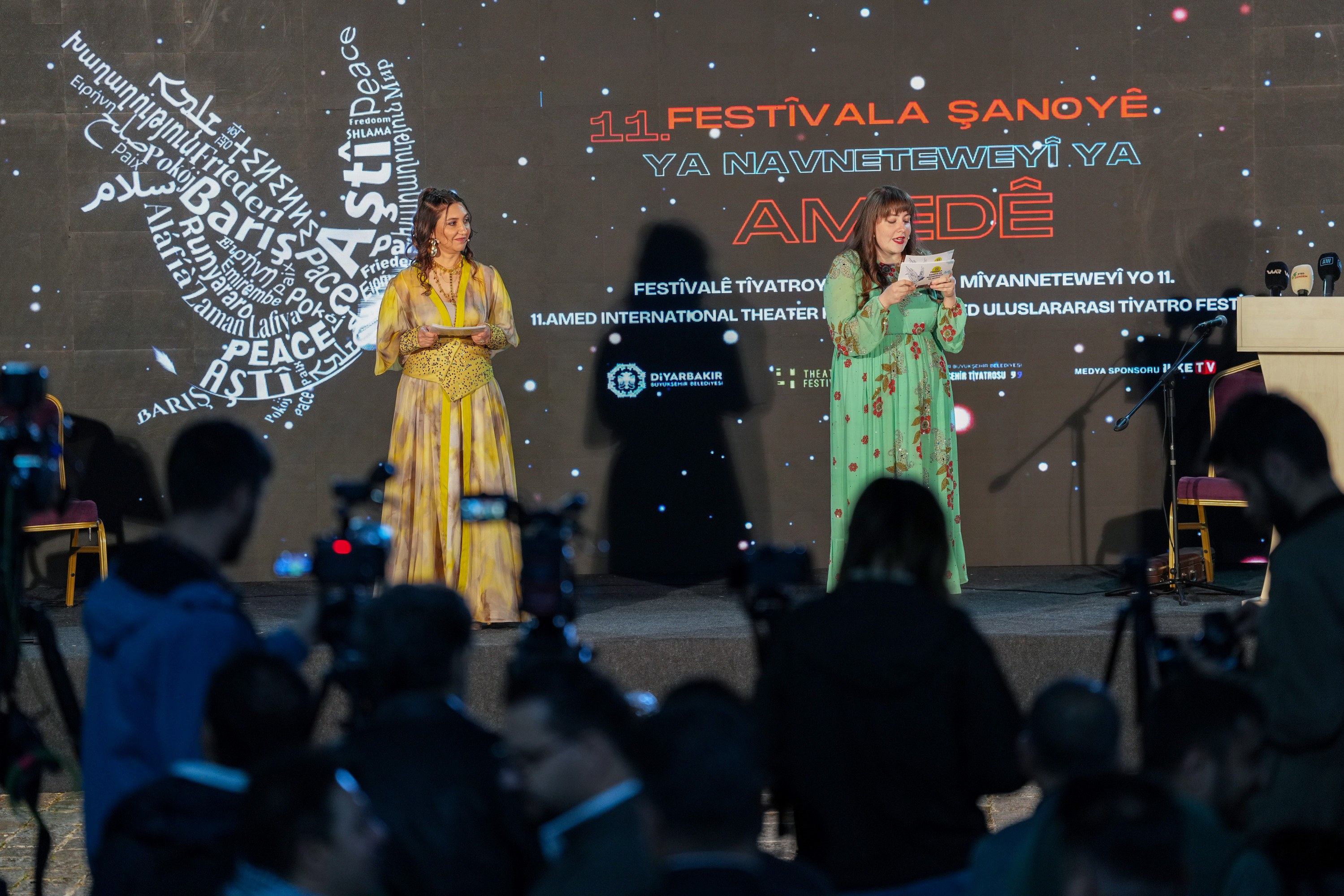
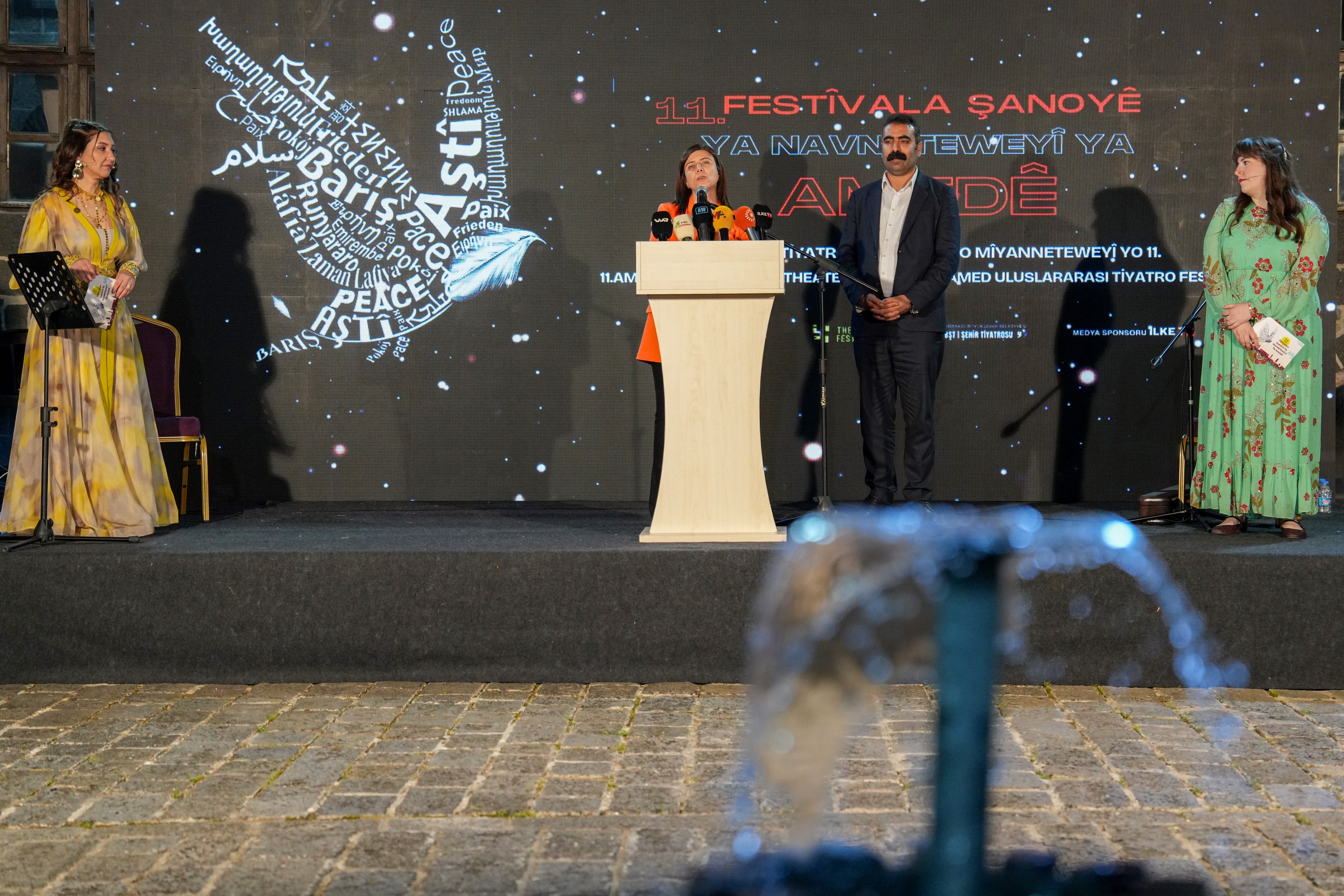
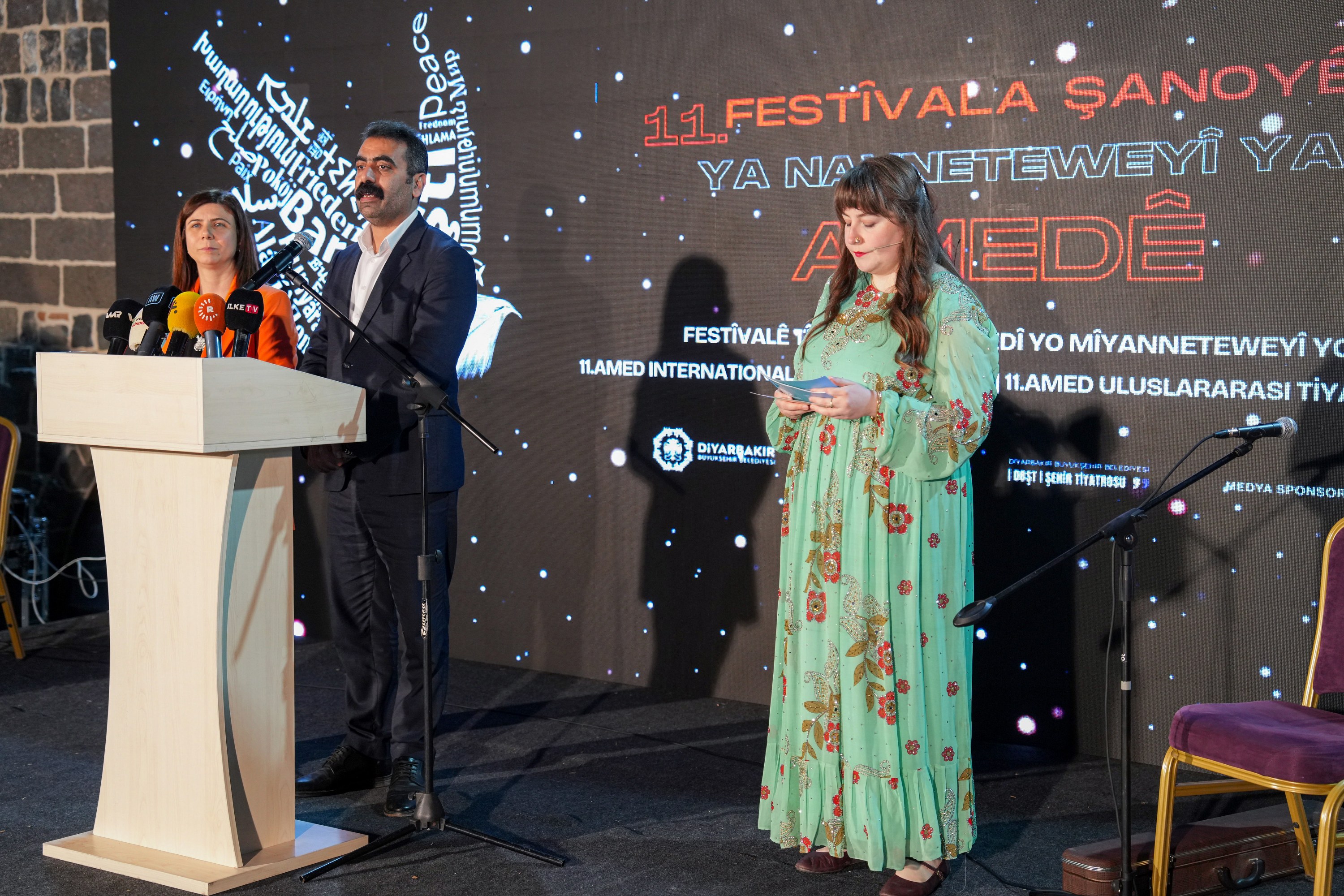
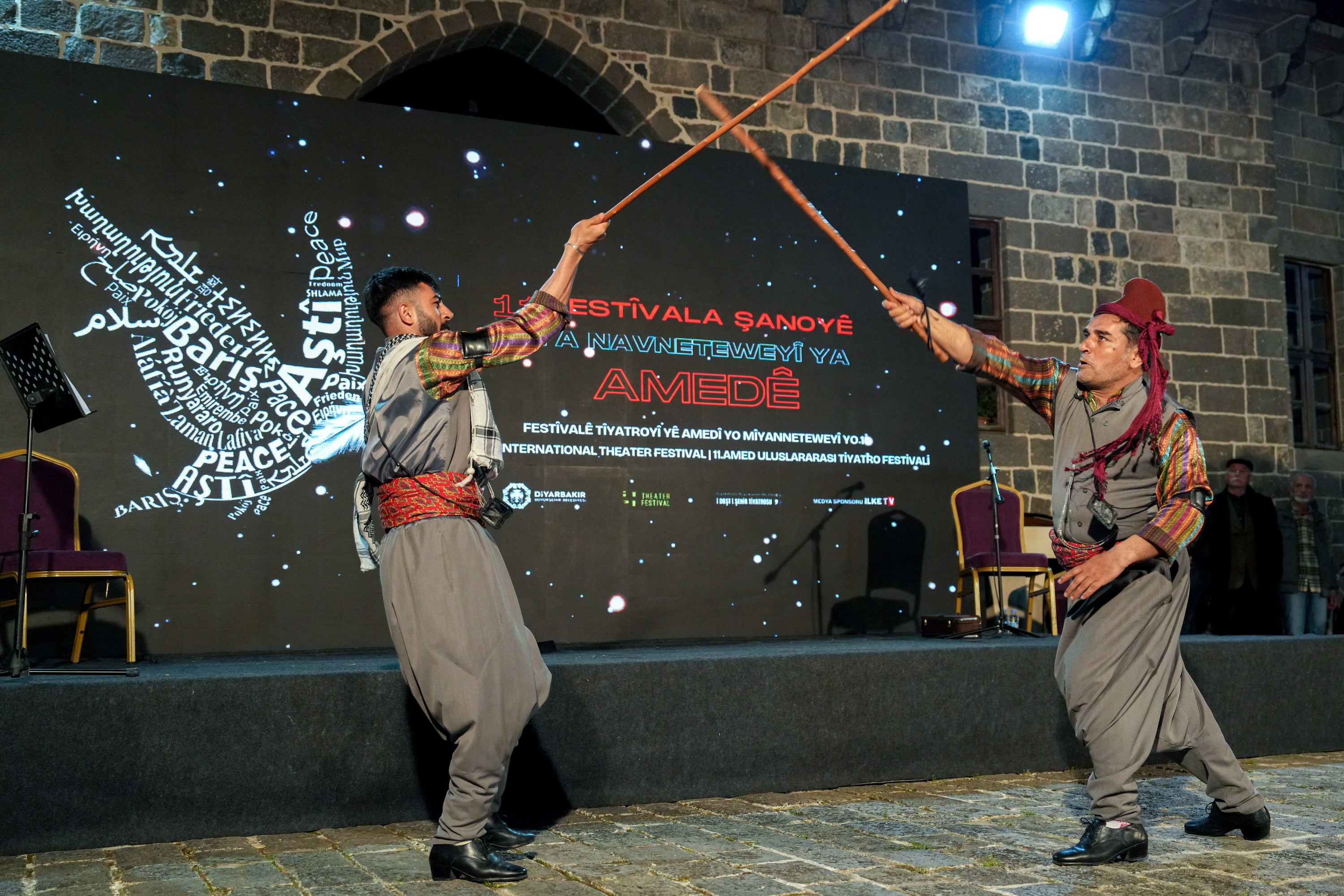
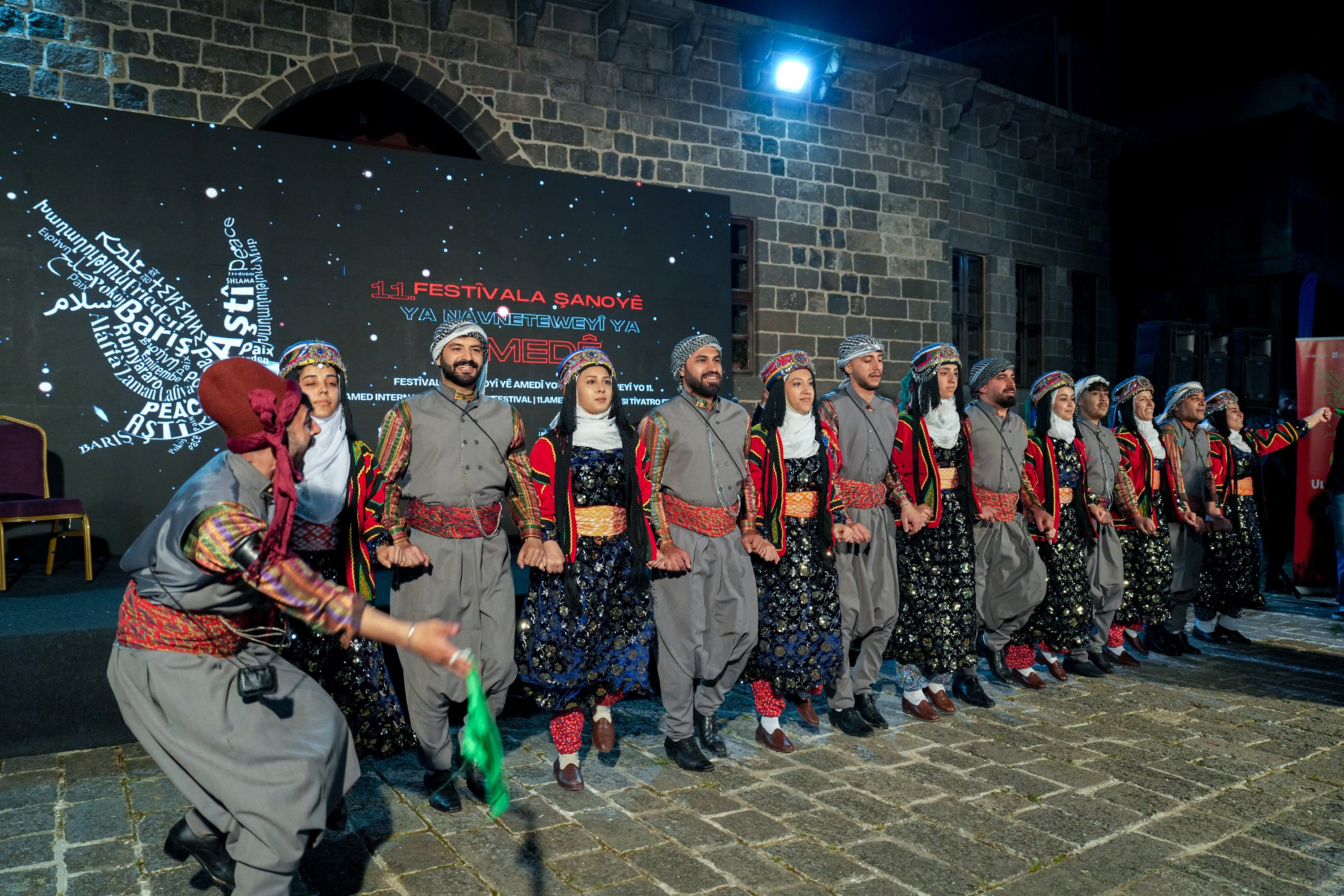
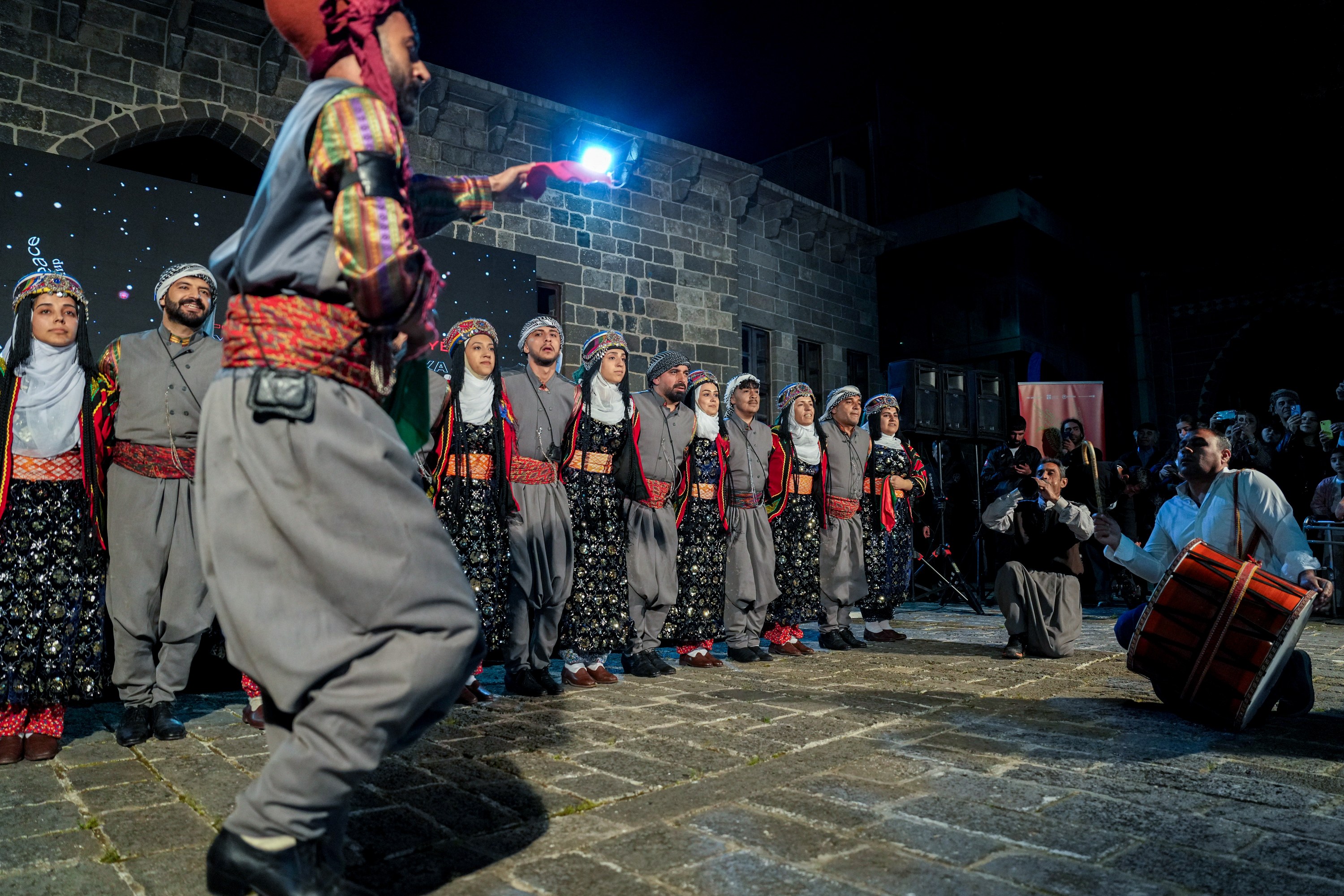
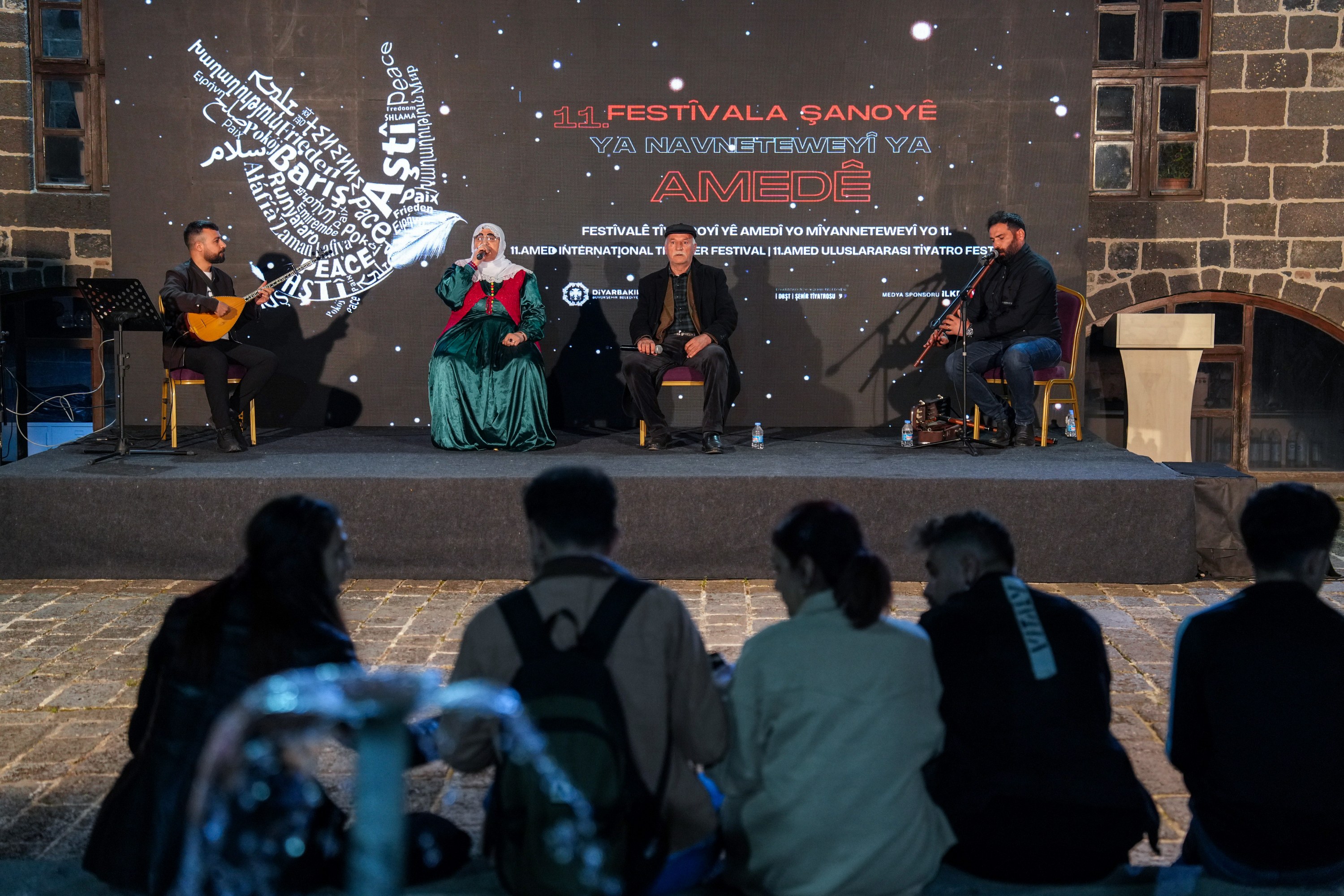
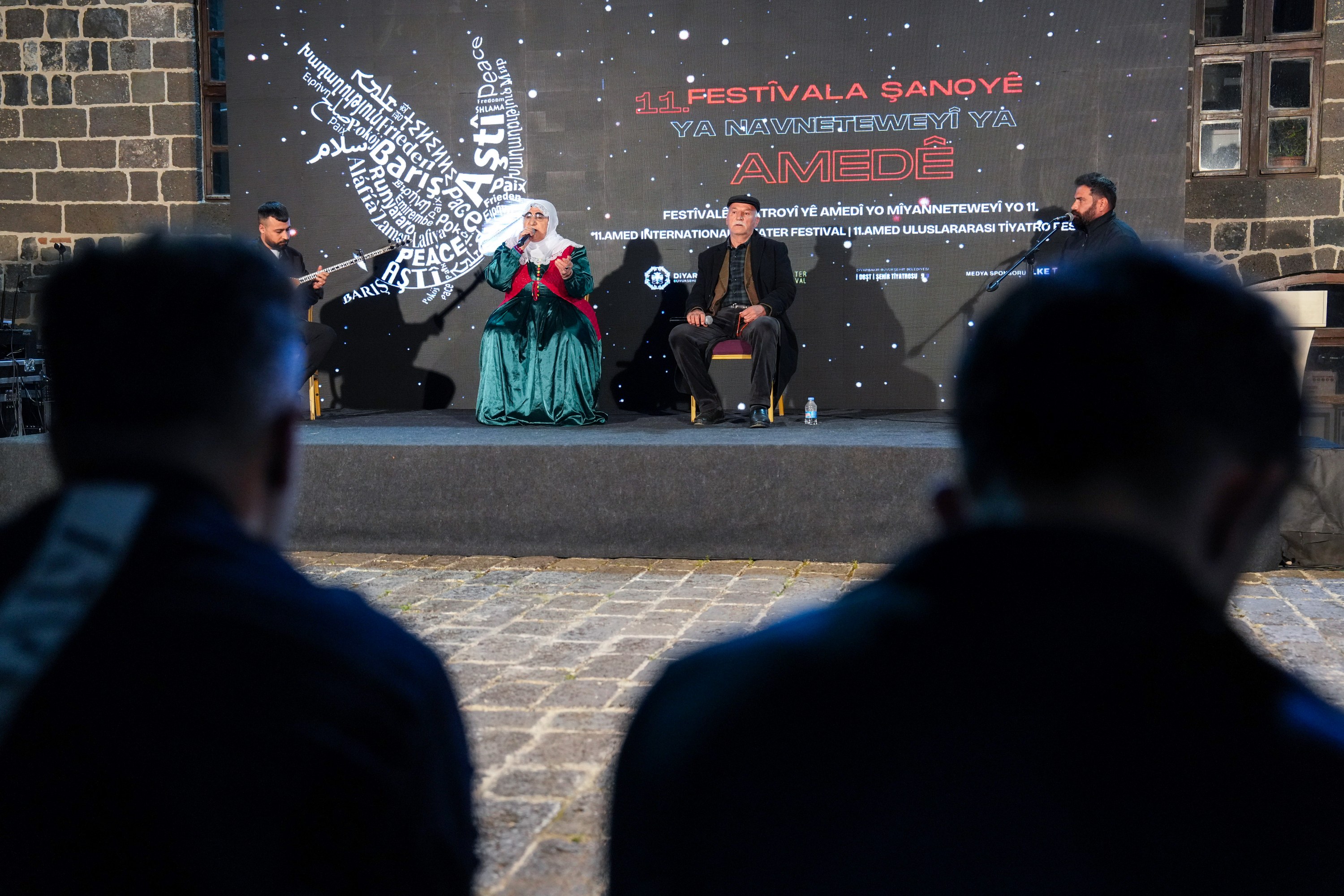
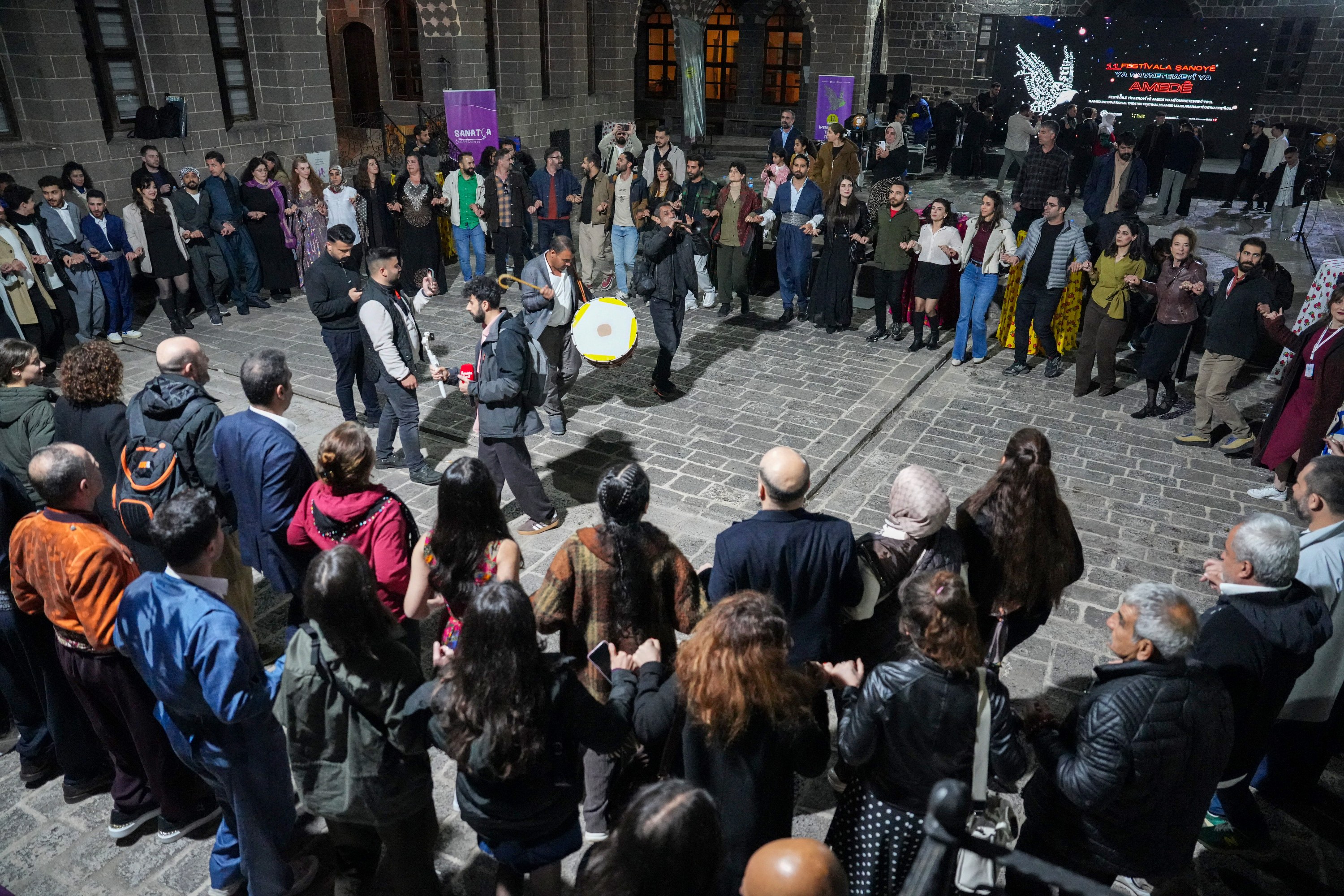
The festival reception was held with a multilingual presentation. Following the opening speeches, a folklore performance and a dengbêj recital took place.
Festival to run for 10 days
The Amed International Theatre Festival will run for 10 days, from 22 April to 2 May. Featuring theatre groups from 19 countries, the festival will stage 22 plays, with a programme enriched by talks, panels, workshops and artist gatherings.
Most performances will take place at Çand Amed Culture and Congress Centre, while some events will be held in open-air venues. All festival events are free of charge, with tickets available through the Banbilet app to prevent overcrowding.