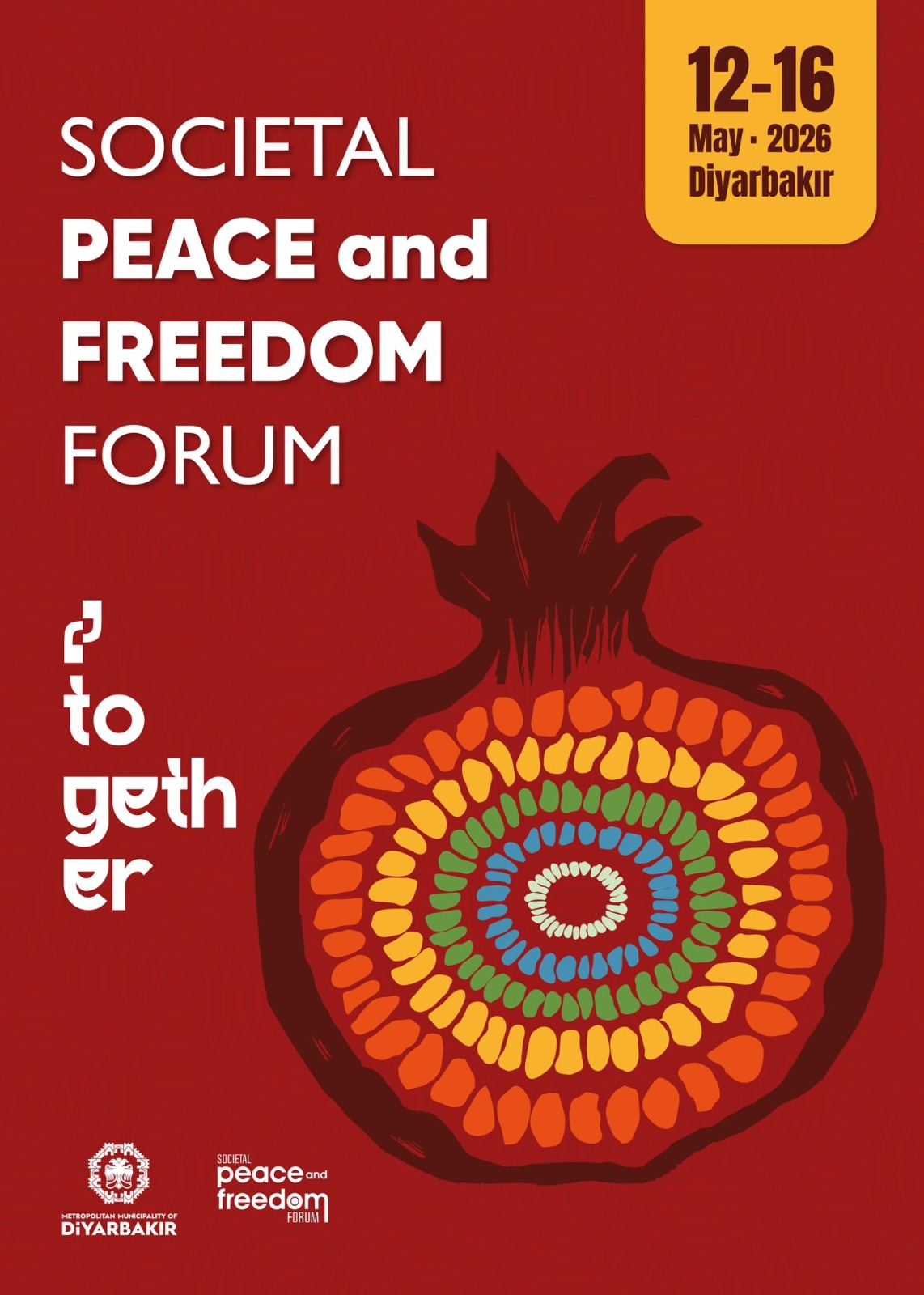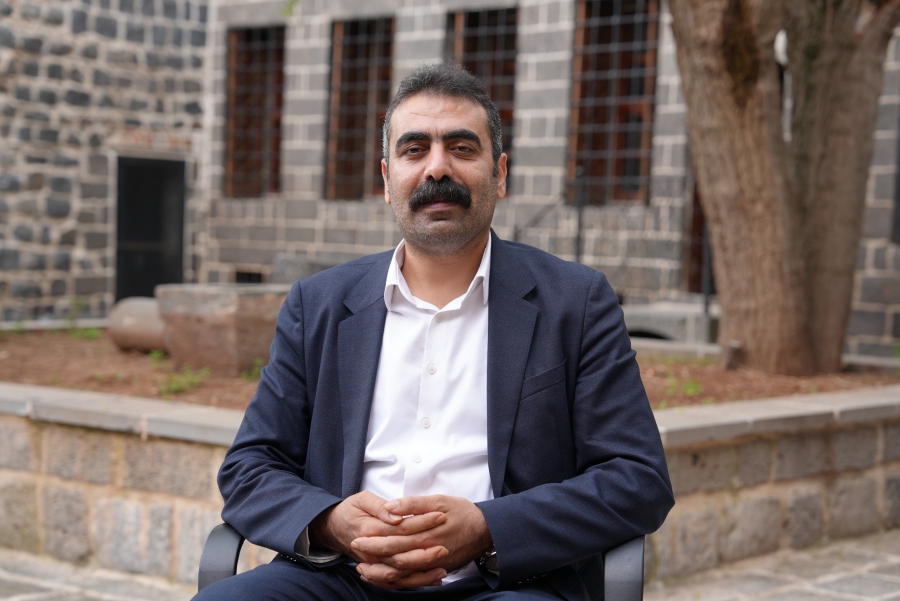
Ahead of the “Social Peace and Freedom Forum”, to be held by Diyarbakır Metropolitan Municipality on 12–16 May, Co-Mayor Doğan Hatun called for broad participation, pointing to Amed’s thousands of years of experience in coexistence. Hatun emphasised that the forum would bring together the experiences of different peoples on a shared platform to help socialise peace, and that active participation in the process was of vital importance.
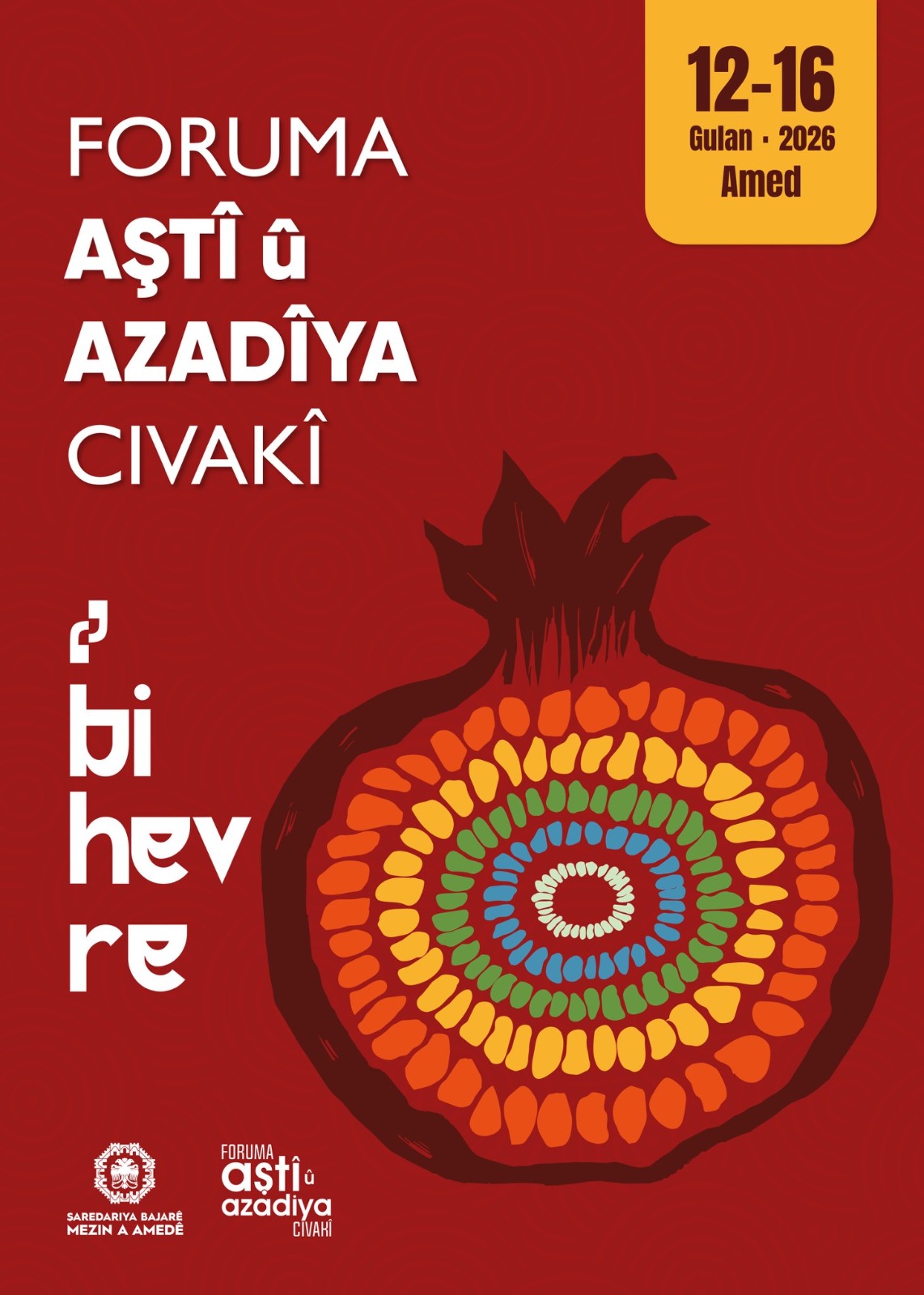
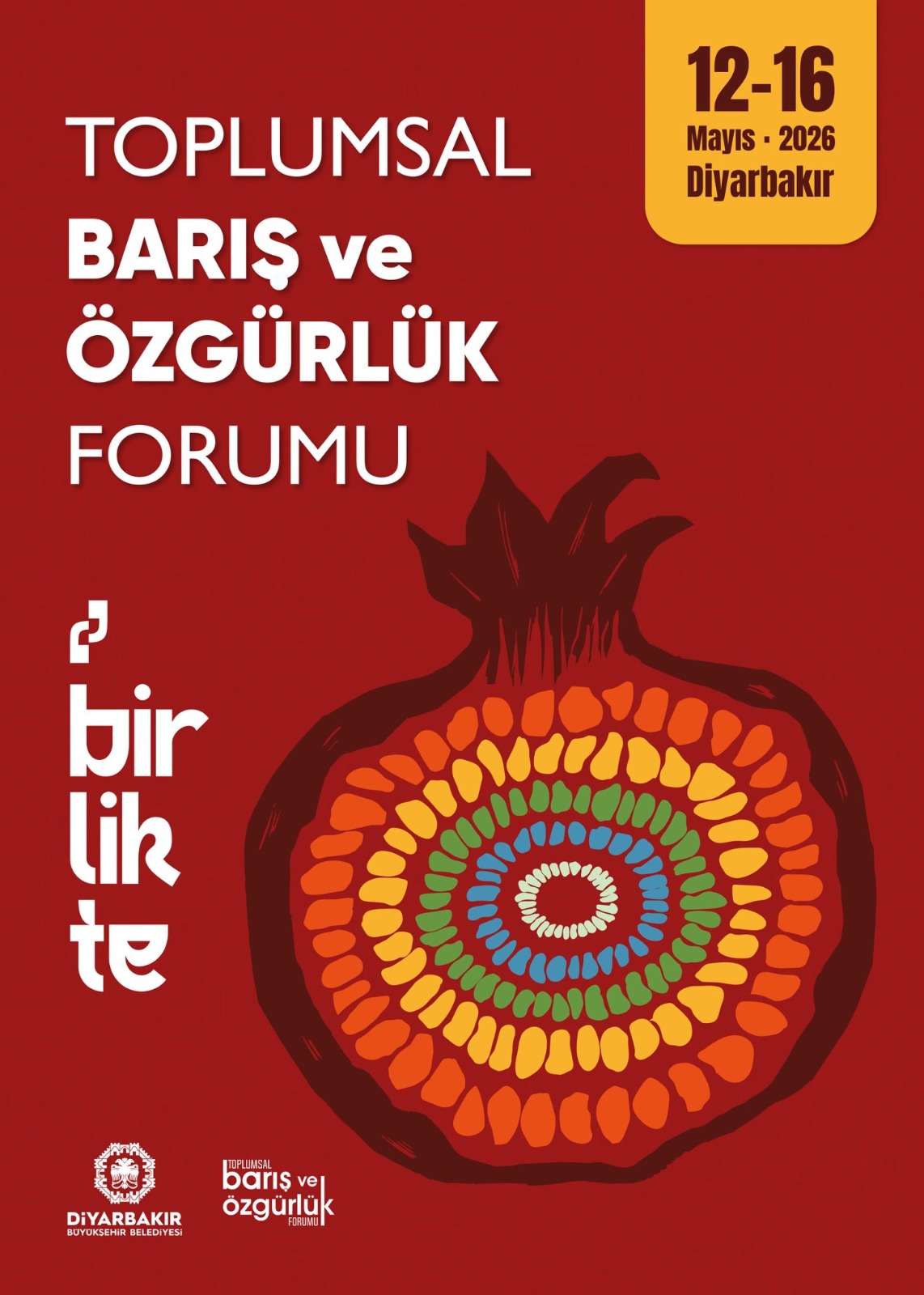
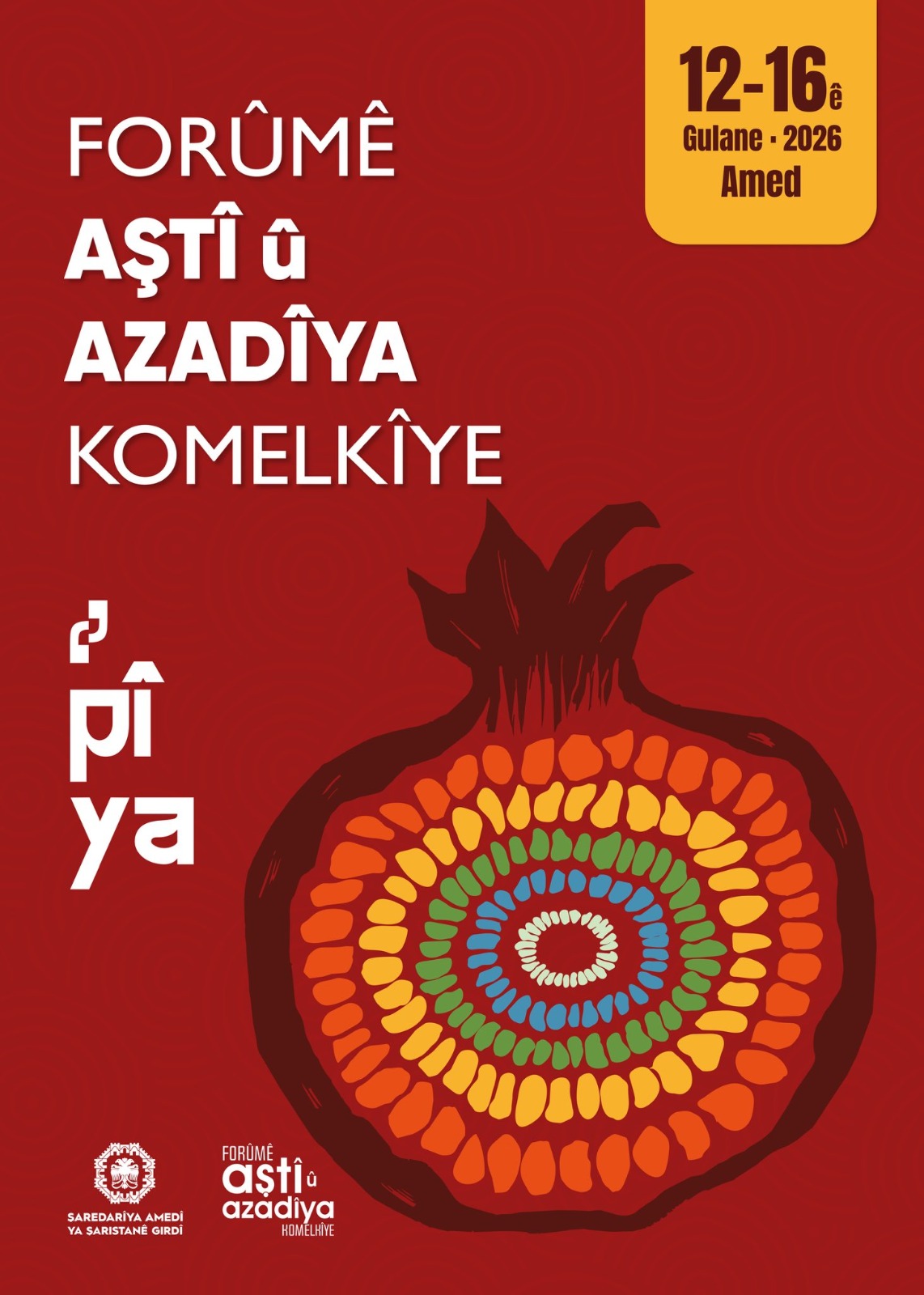
Diyarbakır Metropolitan Municipality will hold the “Social Peace and Freedom Forum” in Diyarbakır on 12–16 May, with the support of local and international solidarity networks. The forum, which aims to bring together different sections of society, will discuss at local level the ways in which society can contribute to the peace process.
Under the motto “Together”, a series of events will be held across the city, including workshops, panels, concerts, marches and exhibitions. Supported by representatives from 42 institutions from the city and abroad, the events will create spaces for dialogue on how peace can be socialised and for the sharing of experiences. The city will host 50 workshops, two concerts, six panels, two theatre performances, seven film screenings and two collective memory walks in Sur. The forum also aims to develop a common roadmap.
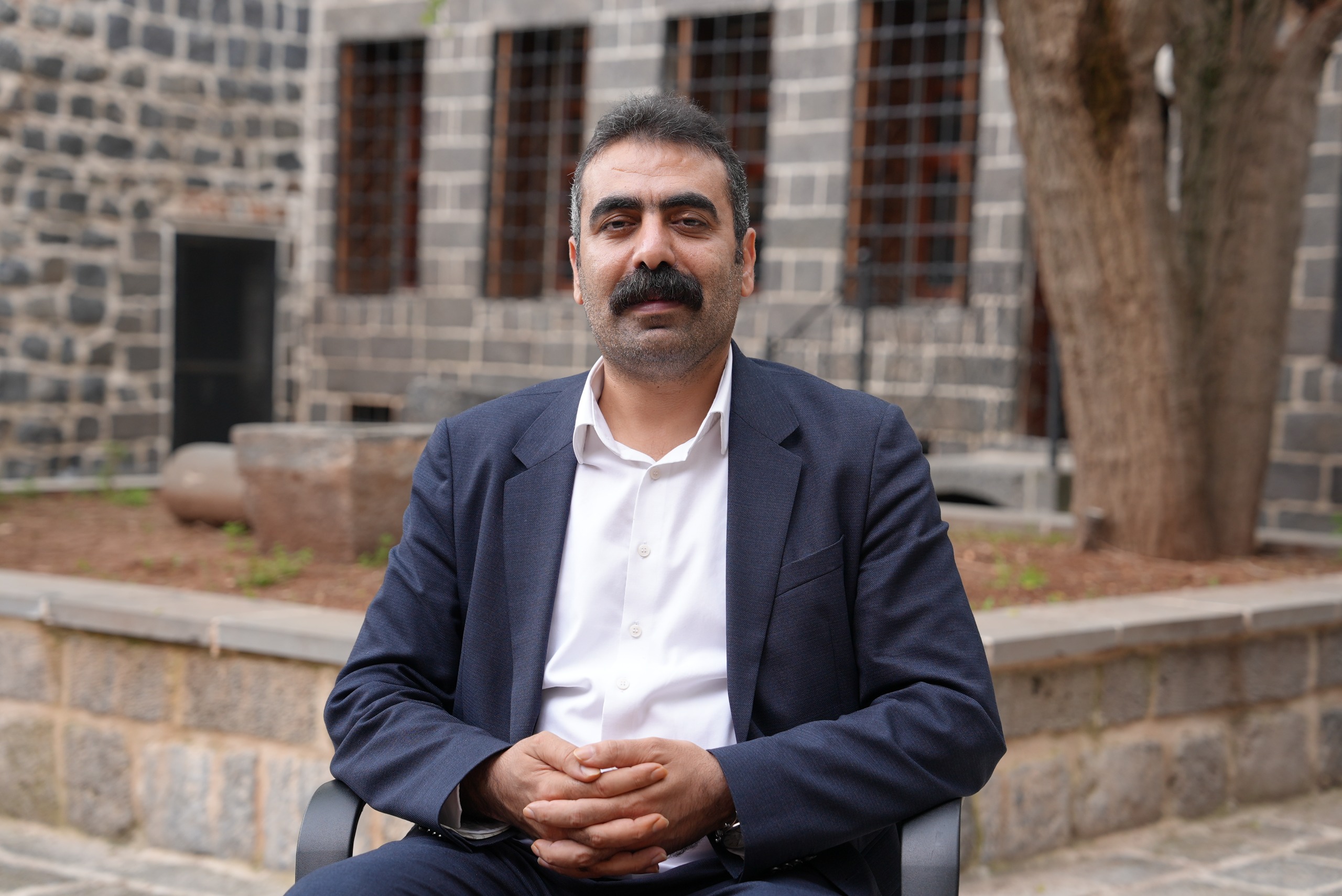
Diyarbakır Metropolitan Municipality Co-Mayor Doğan Hatun shared his assessments on the need from which the “Social Peace and Freedom Forum” emerged and the purpose of the forum.
‘Society, too, must voice its problems and seek solutions’
Recalling that a process has been under way for nearly a year and a half to pave the way for a solution, Co-Mayor Hatun said: “When we speak of peace, we usually mean reconciliation between parties at war with one another. But when a war lasts for so long, it also has a profound impact on society. Very deep conflicts emerge within society itself. For this reason, in peace processes, it is not only the warring parties but society itself that must voice its own problems and seek solutions.”
‘We asked ourselves what we could do’
Stating that Türkiye has been going through a conflict process for nearly 50 years, Co-Mayor Hatun said that thousands of people had lost their lives because of the war, while thousands of others had been forced to migrate from their lands. Emphasising that the war has had severe psychological effects as well as physical consequences, Co-Mayor Hatun continued:
“For this process to succeed, every institution must give all the support it can. In this framework, we, as the Metropolitan Municipality, asked in our own coordination meetings and discussions: ‘What can we do?’ As the Metropolitan Municipality, how can we contribute to the success of this process among the people? What are the people’s problems? How does each group view the peace process? What kind of solution do they want? Or how should the people understand this process that has begun? In this context, we took a decision. A year has passed since that decision. As the Metropolitan Municipality, we designed a forum in Amed together with all institutions in the city, drawing also on the experiences of international institutions that had previously gone through war, achieved reconciliation, or faced difficulties while seeking reconciliation.”
‘We want to bring together the experiences of peoples’
Sharing that participants from 12 countries will attend the forum, Co-Mayor Hatun said there would be strong participation from civil society organisations in Amed as well as from across Türkiye, and that many workshops would be held as part of the forum. Stating that workshops would be organised under many headings, from language and culture to children, women and social issues, Co-Mayor Hatun said:
“At present, the process is moving forward with 52 workshops, panels, and the participation of respected artists and political figures. We genuinely hope that this forum will bring together the experiences of peoples for our future generations. Not only between 12 and 16 May, but for as long as life continues, we will struggle to lay the foundations for an honourable peace, until all peoples of Türkiye and all peoples of our city feel free. We hope that our forum, its discussions and the outcomes it produces will also set an example for the state.”
‘Four sects lived together for thousands of years on one of our streets’
Stating that they had invited not only civil society organisations focused on peace, but also representatives of political parties, Co-Mayor Hatun said they therefore expected strong participation. Noting that Diyarbakır has been home to uninterrupted life for 12,500 years and that peoples have lived together in peace, Co-Mayor Hatun continued:
“Four sects lived together for thousands of years on one of our streets. This offers us an example; the city of Amed itself is a city of peace. When the example of Amed spreads to the world, it can be seen that everyone can live together. The experience that has emerged in Amed over 12,500 years has become ingrained in us like a gene; we can no longer live without peace. The people of Amed cannot live without peace. Whenever anyone has tried to take away their will, a response for peace has always risen from this city. That is why Amed is such an important place. With its 12,000-year ancient history, it has also been a centre of trade for peoples in the Middle East for thousands of years. Everyone who came here saw Amed as a refuge. With its safety, the peoples living there and its positive approach, it has set an example for the whole world. Wherever in the world people hear the name Amed, the first words they say are: ‘Amed is a democratic place. Every people can live there with its own colour, its own voice and its own sect.’ That is why, regardless of ethnic origin or religion, Amed, with its population of around two million, has absorbed this culture through its 12,000-year history.”
‘The most important example is Amed’s model of coexistence’
Emphasising that the city’s social consciousness and memory of peace have remained alive from past to present, Co-Mayor Hatun said:
“We know what we understand by peace, because the peoples here have shared life with a meaning of peace for thousands of years. Muslims and Christians lived side by side, and no one saw the other as a threat. The same applies to nations; Assyrians, Chaldeans, Armenians, Kurds and Turks lived in Amed, and ethnic identity was never a problem for them. In essence, this became a culture. When we bring this to our Peace Forum, the strongest example will be Amed’s model of coexistence.”
‘People from İzmir, Sinop and Trabzon must also understand the colour of this process’
Recalling that they had held meetings with many different groups before deciding to organise the forum, Co-Mayor Hatun underlined that they had held five major workshops and focused on the shortcomings identified through the outcomes. Saying, “Let us first begin with ourselves,” Co-Mayor Hatun continued:
“We must think about what colour and what voice the language of peace should have. At the same time, we must embrace all peoples. People from İzmir, Sinop, Rize and Trabzon must also understand, learn and organise around the voice and colour of this process. This would set a major example. We want Amed to take ownership of this process; if we do not want a process of war, we must take ownership of the peace process. If we take the lead and embrace it, the people will also embrace it.”
‘We must stand behind those working for reconciliation’
Calling on the people of Diyarbakır and society as a whole, Co-Mayor Hatun said:
“This peace process must not be allowed to fail. We must give greater support to those who have a role and mission in reconciliation. We must also support both the state and the other side, İmralı, in this process. Giving support means that the people clearly express their will for peace. If everyone, everywhere and in every sphere of life, wants peace, then peace will become the main agenda of this country. Everyone must take their steps accordingly, shape their policies accordingly and build their future on peace. Everyone who has a voice and wants to raise it, everyone who wants to contribute even in the smallest way to peace: come, let us build this burden, this work and this life together. We are waiting for you.”