Talks held on the fourth day of the International Amed Theatre Festival, hosted by Diyarbakır Metropolitan Municipality, focused on the transformative power of theatre and inclusive approaches to artistic production.
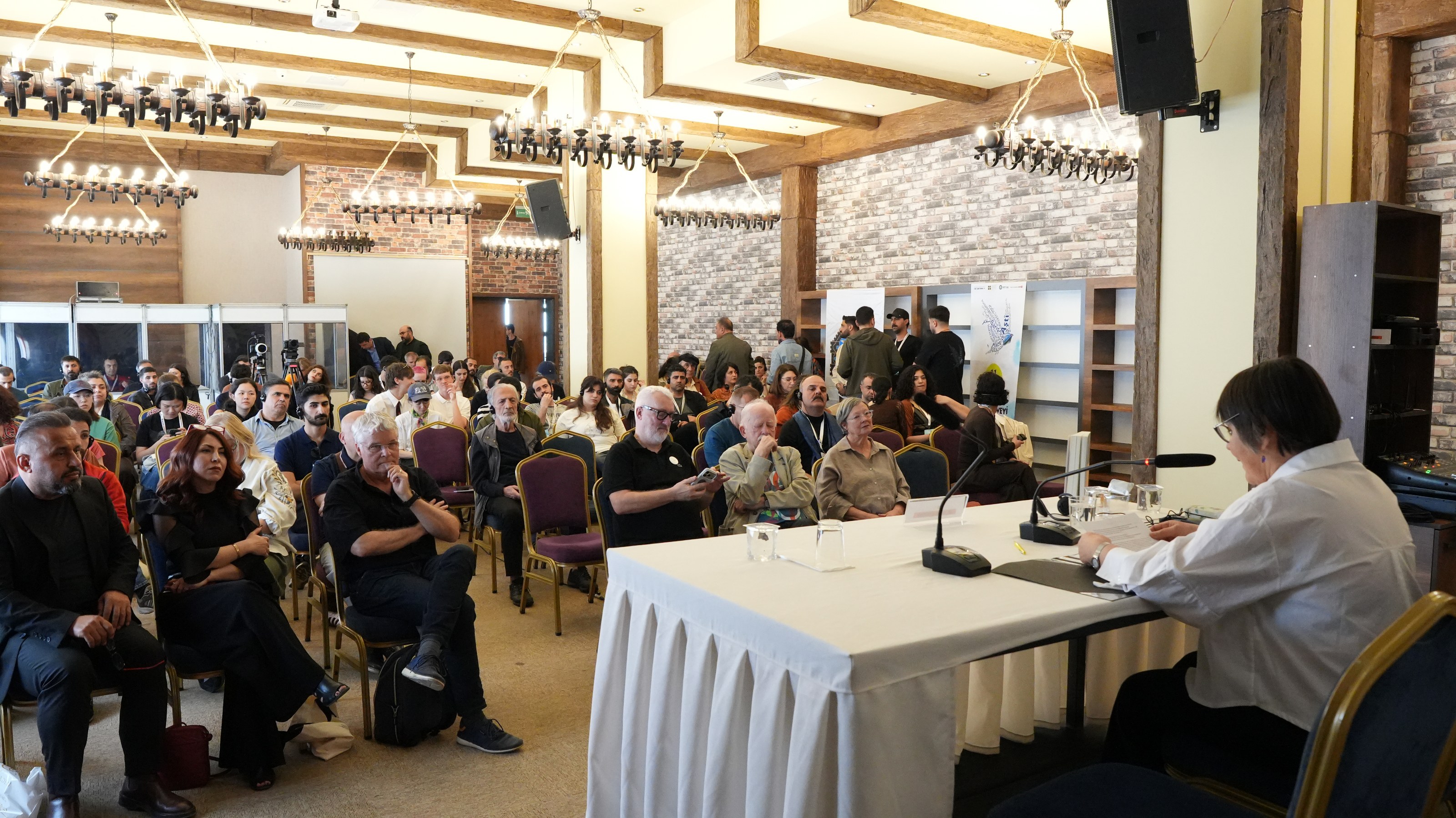
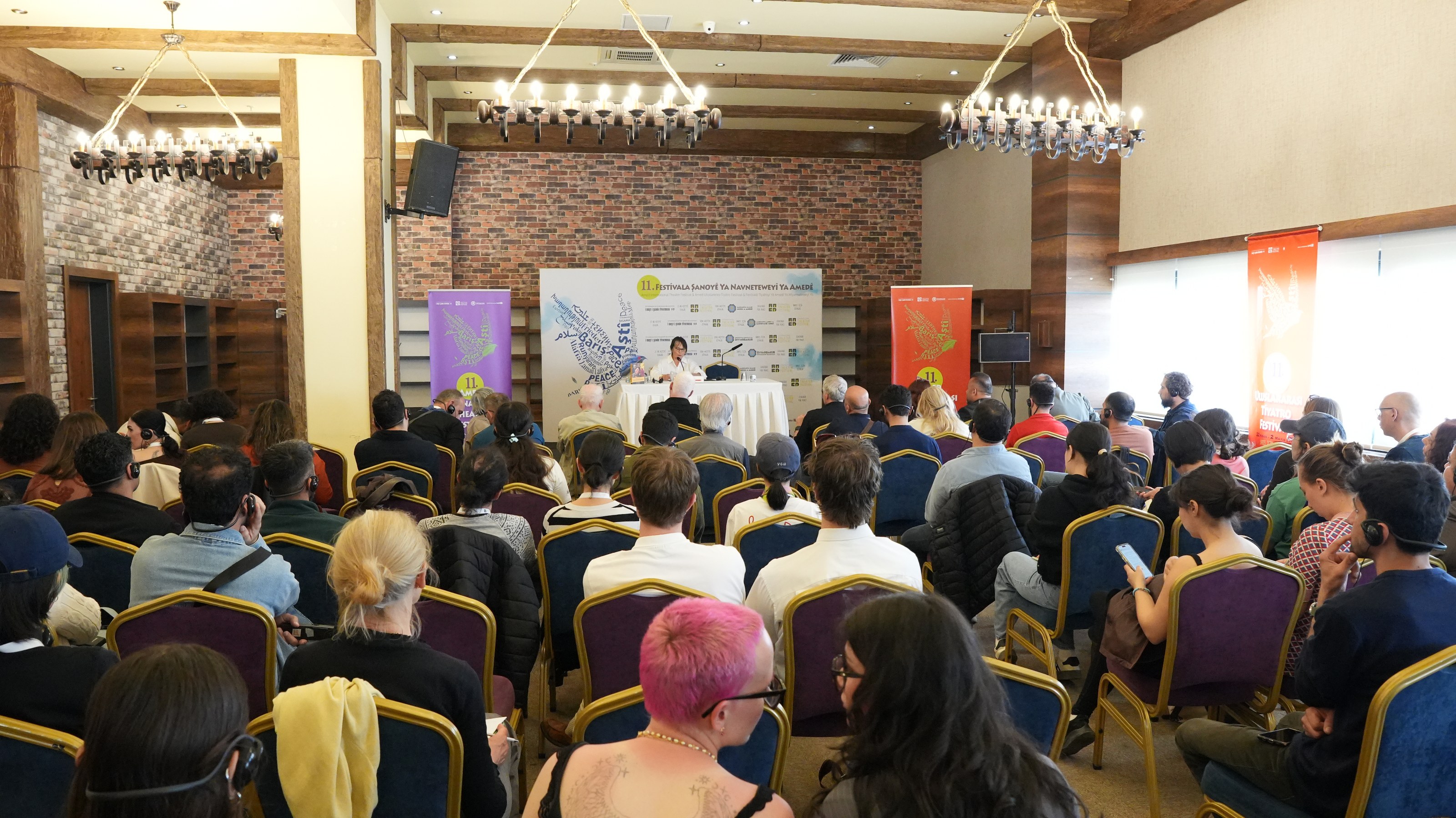
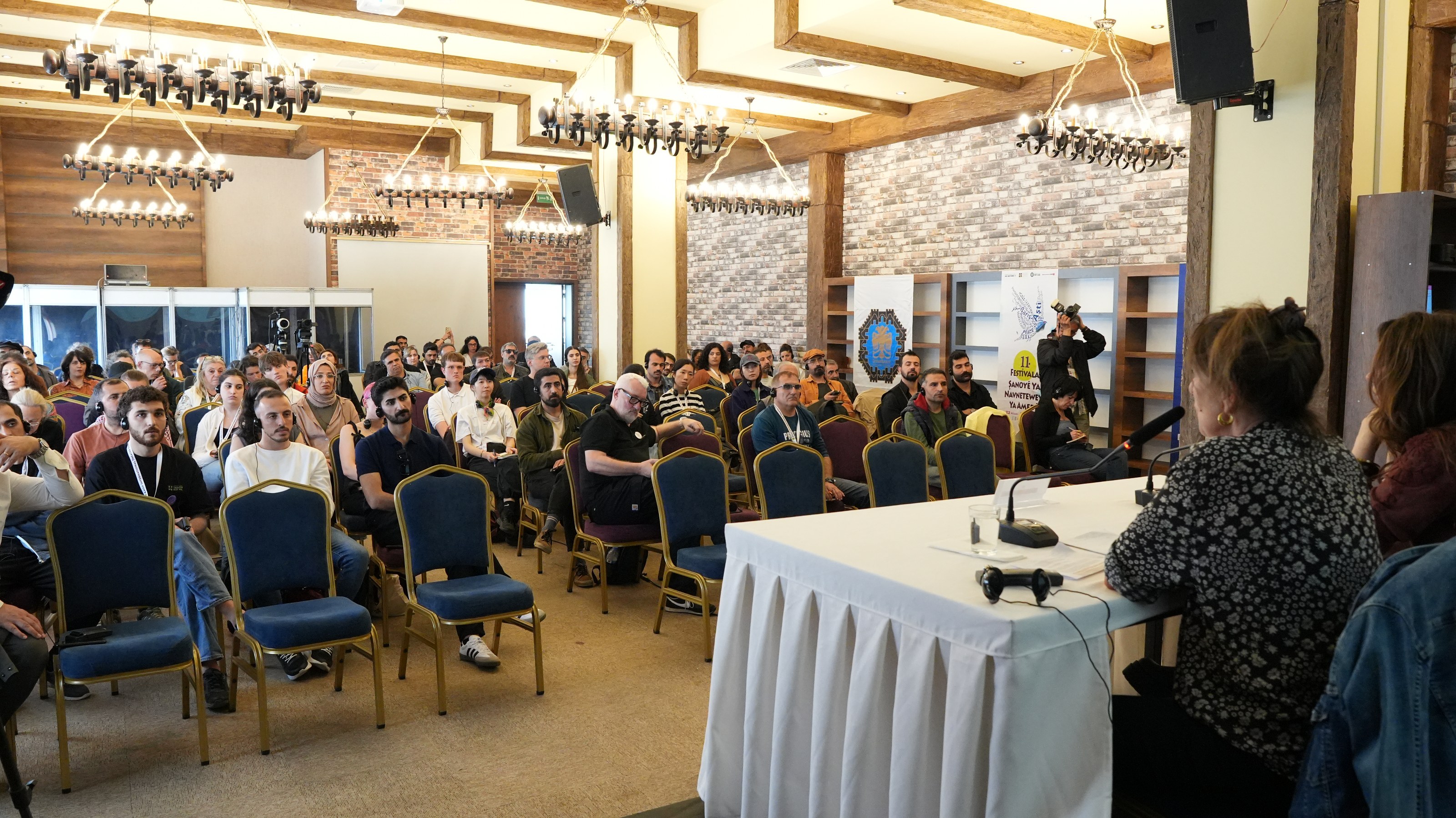
Organised by Diyarbakır Metropolitan Municipality City Theatre (DBŞT), the International Amed Theatre Festival welcomed prominent figures from the world of theatre on its fourth day. In talks featuring German director Gisela Höhne and Swiss director Anina Jendreyko, the role of art in social transformation, inclusivity and an understanding of free artistic production were shared with the audience.
A journey that transformed theatre
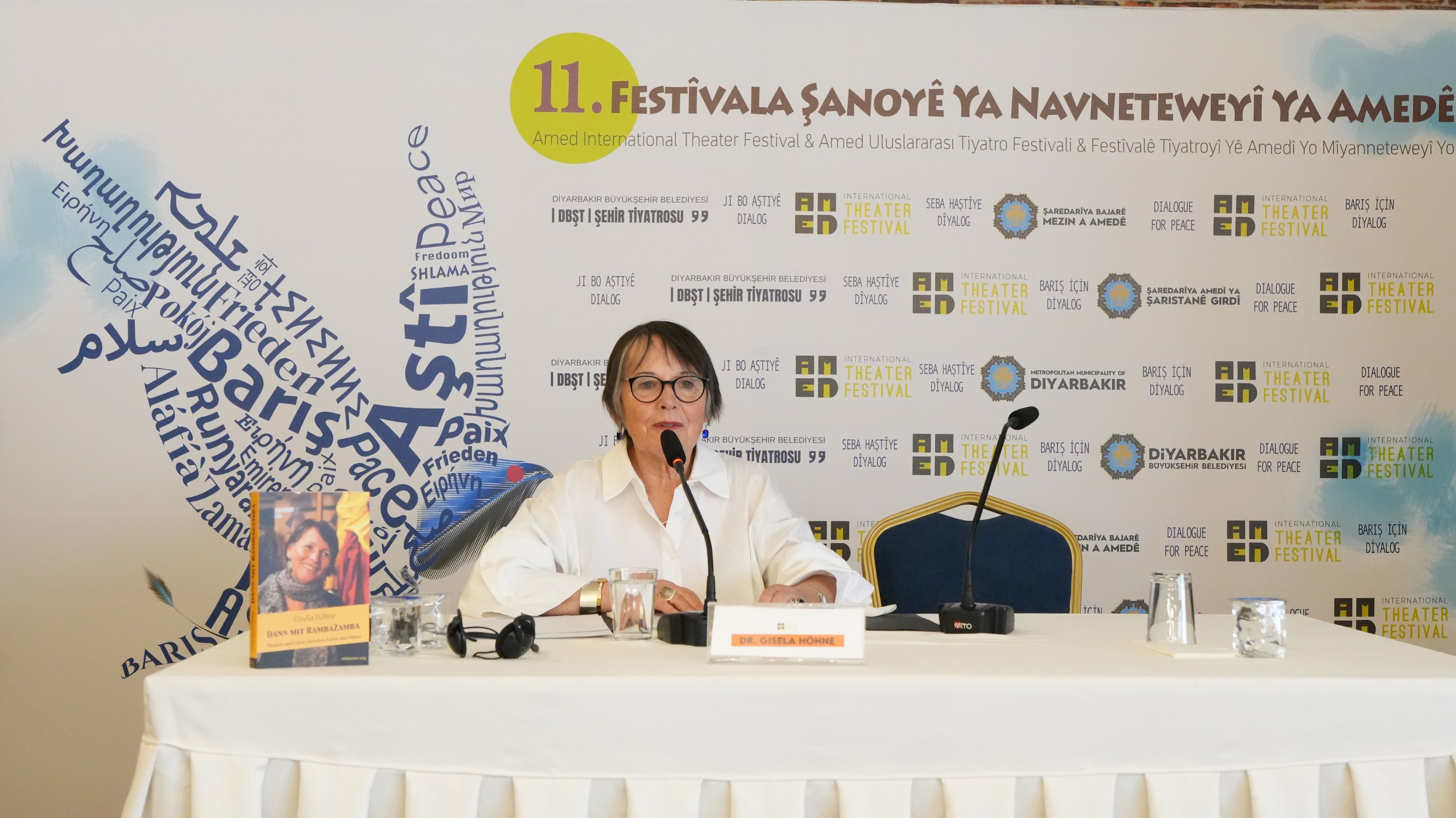
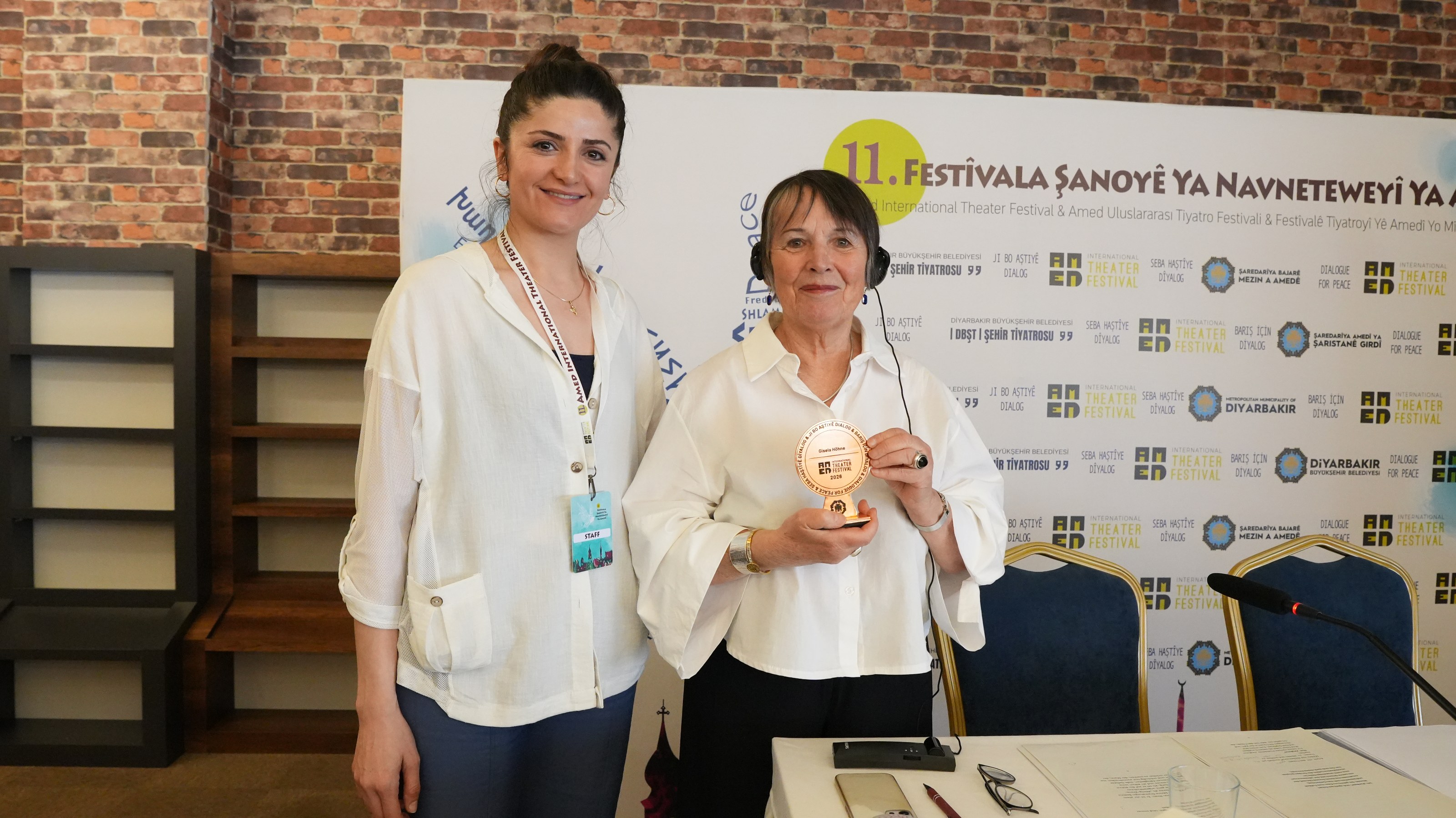
German theatre director Gisela Höhne offered an inspiring account of her experience in her talk titled “Making Theatre in a Different Way”. Höhne, who founded RambaZamba Theatre in Berlin in 1991 and established one of the world’s powerful examples of inclusive theatre, drew attention to the transformative power of art.
Höhne said her life changed with the birth of her son Moritz, who has Down’s syndrome, before the fall of the Berlin Wall. She explained that she stepped away from artistic production for a period, but returned to theatre after discovering the stage potential of children with disabilities.
Emphasising that differences are treated in the theatre she founded not as a “deficiency”, but as an artistic strength, Höhne said they work with a wide repertoire ranging from classical texts to contemporary productions. She noted that rather than relying on fixed scripts, they adopt a method centred on the personality of the performers and improvisation, using theatre as a powerful tool for social equality and visibility.
Theatre cannot change without women’s liberated gaze
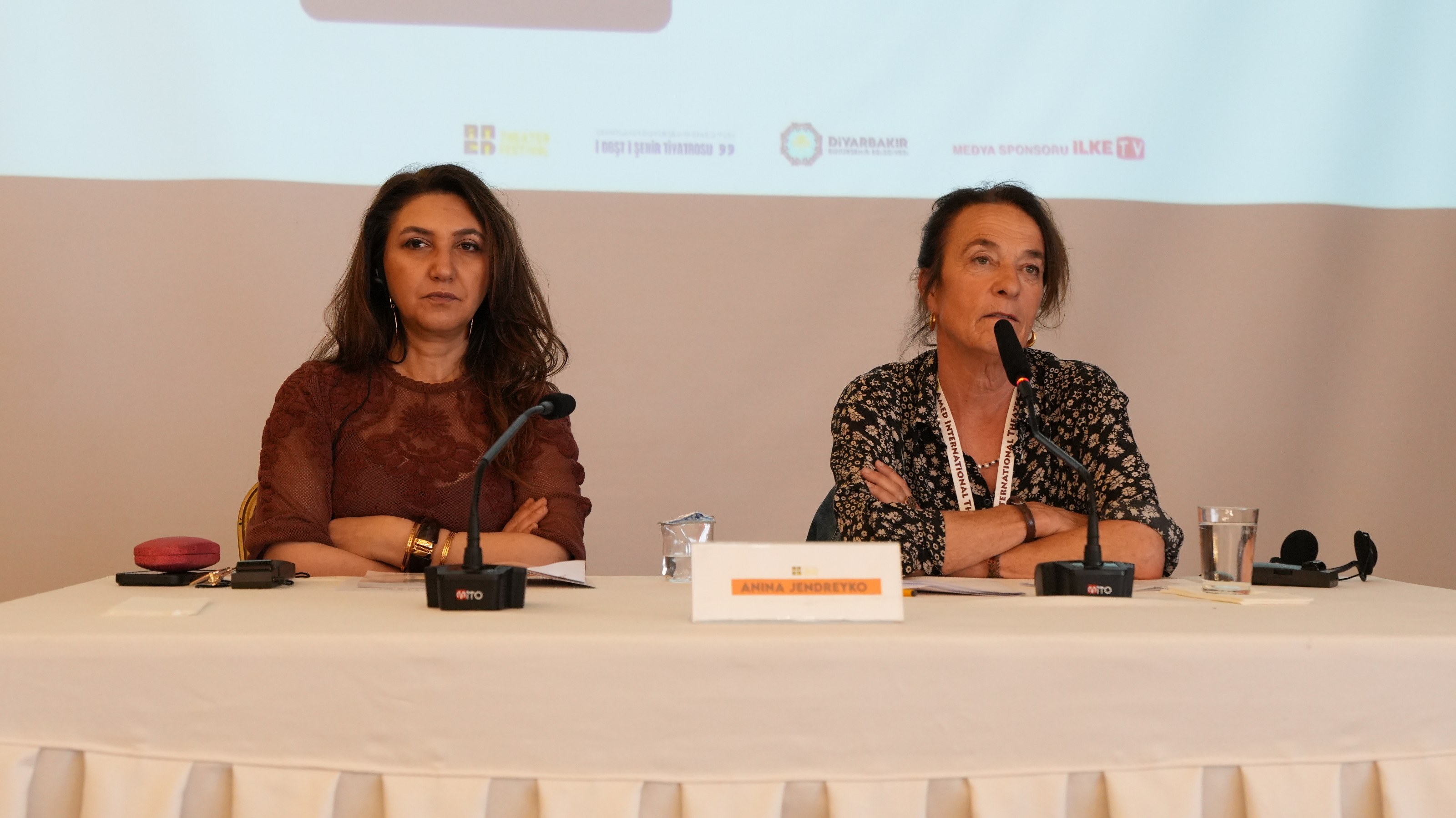
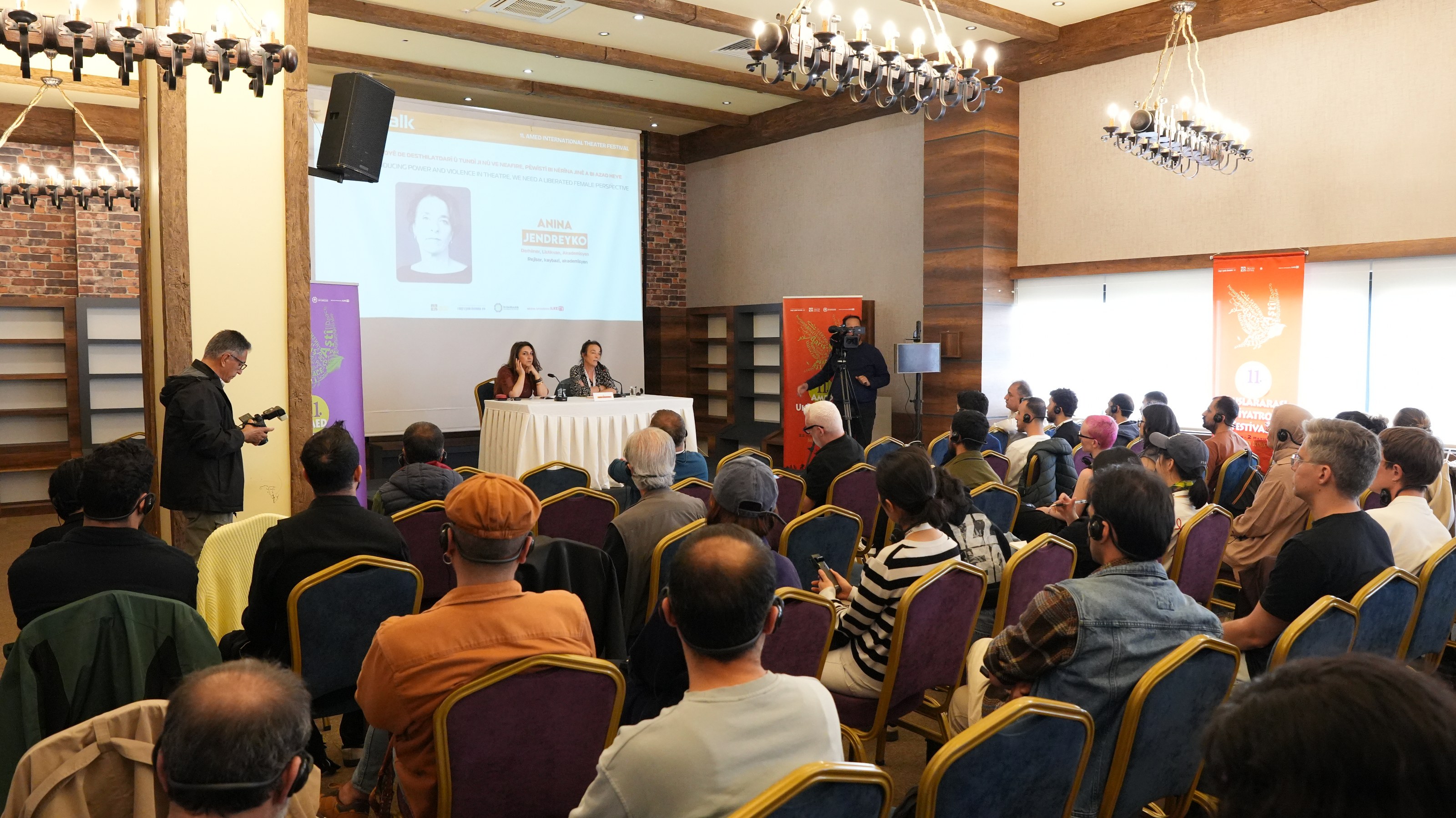
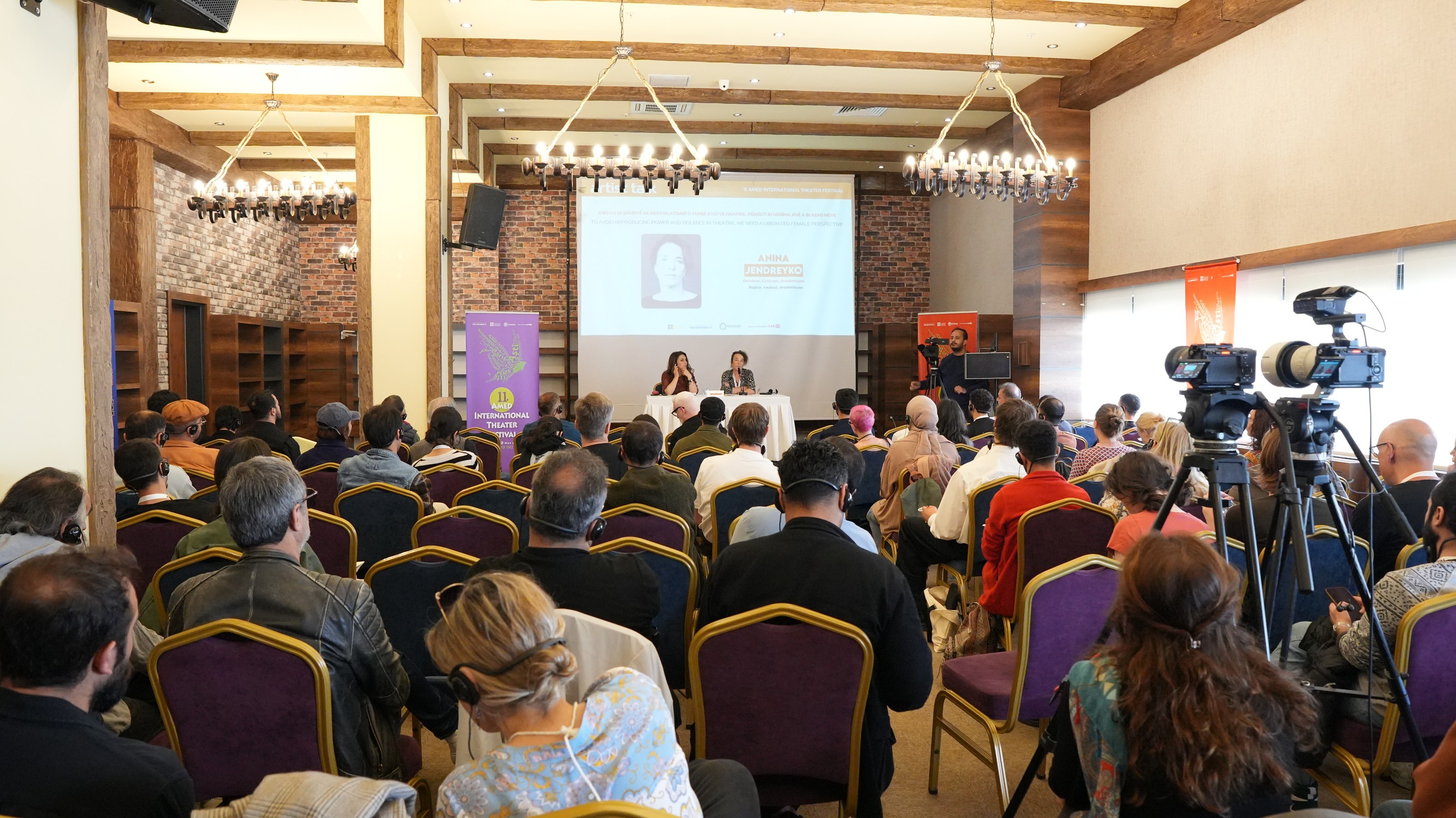
Another guest of the festival was Swiss director Anina Jendreyko. In a talk moderated by Rugeş Kırıcı, Jendreyko shared her experiences under the title “Theatre Needs Women’s Liberated Perspective in Order Not to Reproduce Power and Violence”.
Reflecting on her journey in theatre, Jendreyko said an experience she had in state theatres in the late 1980s became a turning point. She stated that she left theatre after being asked to appear naked on stage in order to increase audience numbers for a play, and later worked in different fields after a long break.
Jendreyko said she came to Diyarbakır in the early 1990s and took part in human rights work, adding that in 1993 she had the opportunity to become closely acquainted with Kurdish culture through the Mesopotamia Cultural Centre (MKM). After returning to Germany, she developed collective theatre productions with artists from different cultures and with different talents.
Brave Women takes to the stage
Jendreyko said she launched the Brave Women project in response to the growing sense of despair following the war in Ukraine, bringing to the stage women from different cultures and figures who left their mark on history.
Underlining that she does not see theatre merely as a performing art, Jendreyko stressed that it is also a space that makes diversity visible and questions social norms.
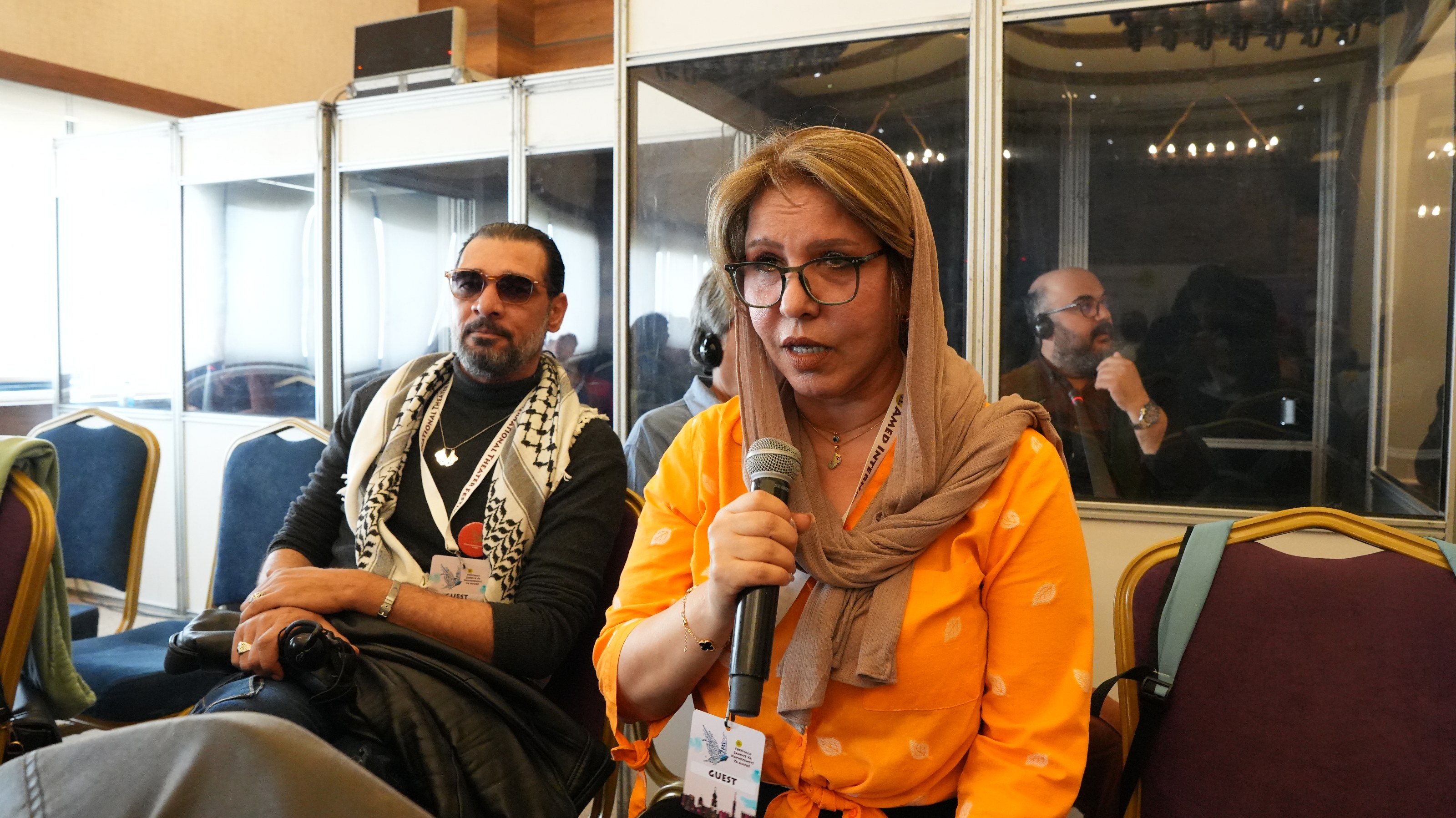
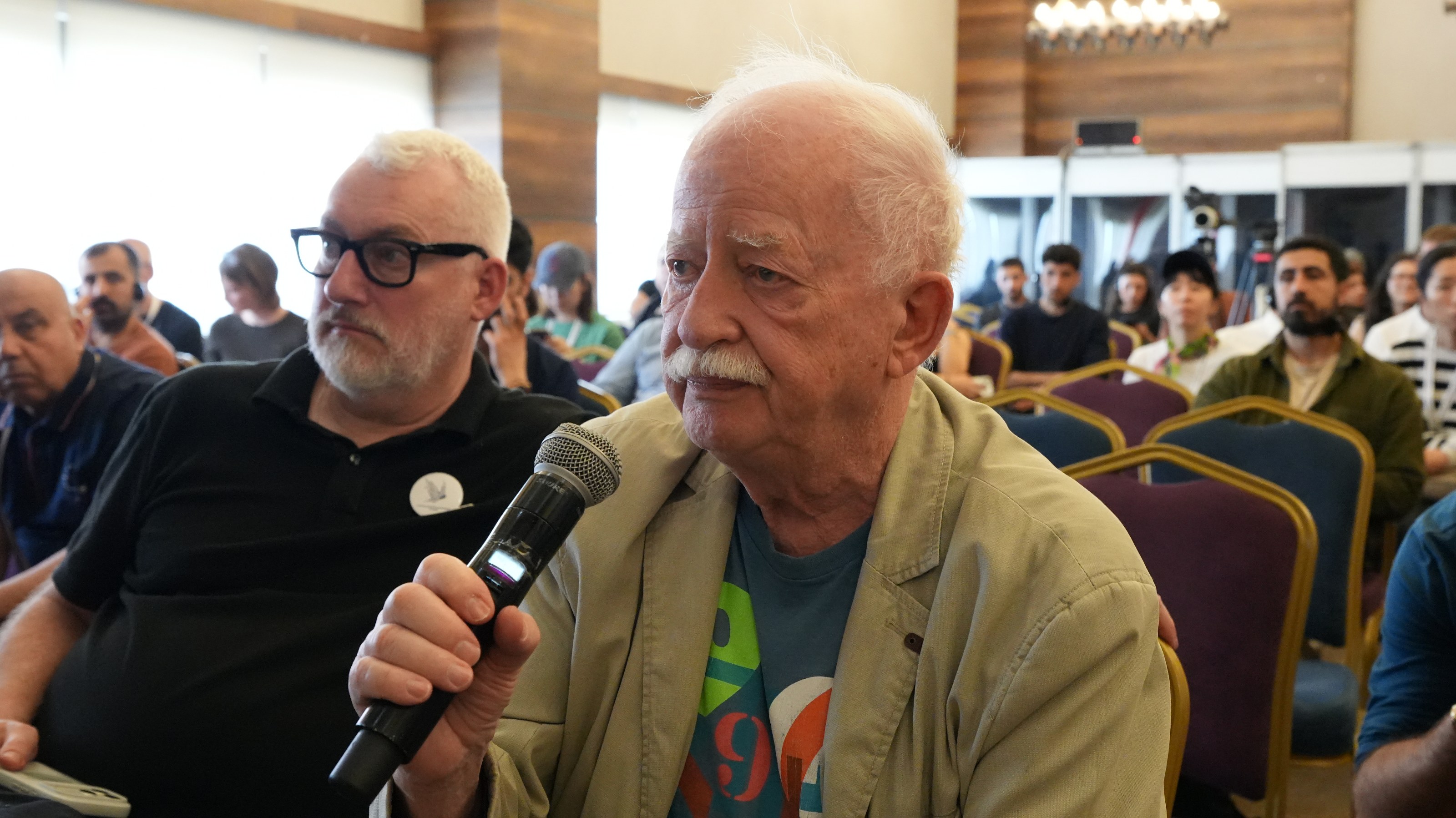
The talks concluded with question-and-answer sessions held with strong audience interest.