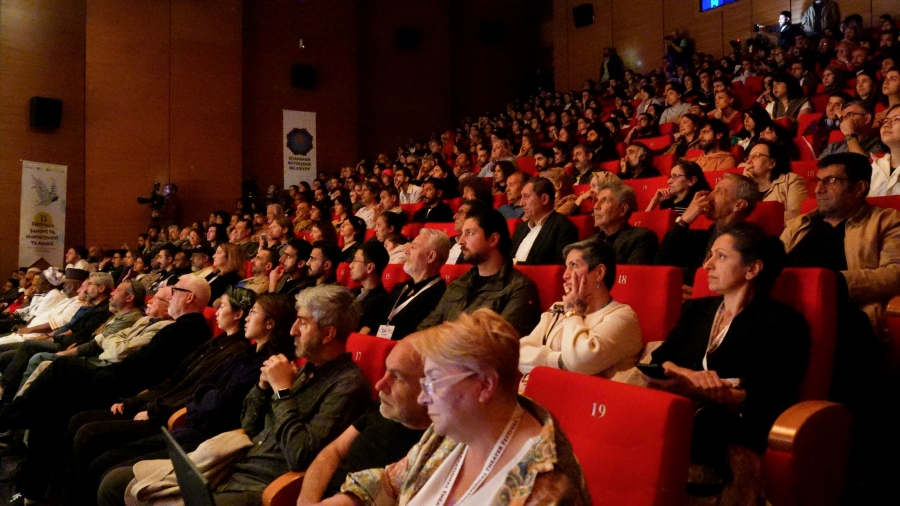
On the seventh day of the 11th Amed International Theatre Festival, organised by Diyarbakır Metropolitan Municipality, theatre, culture and identity debates came together on the same platform through a staged play, a seminar and a panel, while multilingual and multicultural artistic production made itself visible through the language of art.
The 11th Amed International Theatre Festival, organised by Diyarbakır Metropolitan Municipality City Theatre (DBŞT) under the theme “Dialogue for Peace”, continued on its seventh day to bring international theatre companies and artistic events together in Diyarbakır. Throughout the day, one theatre play was staged, while a seminar and a panel were also held.
‘The Artist’ staged
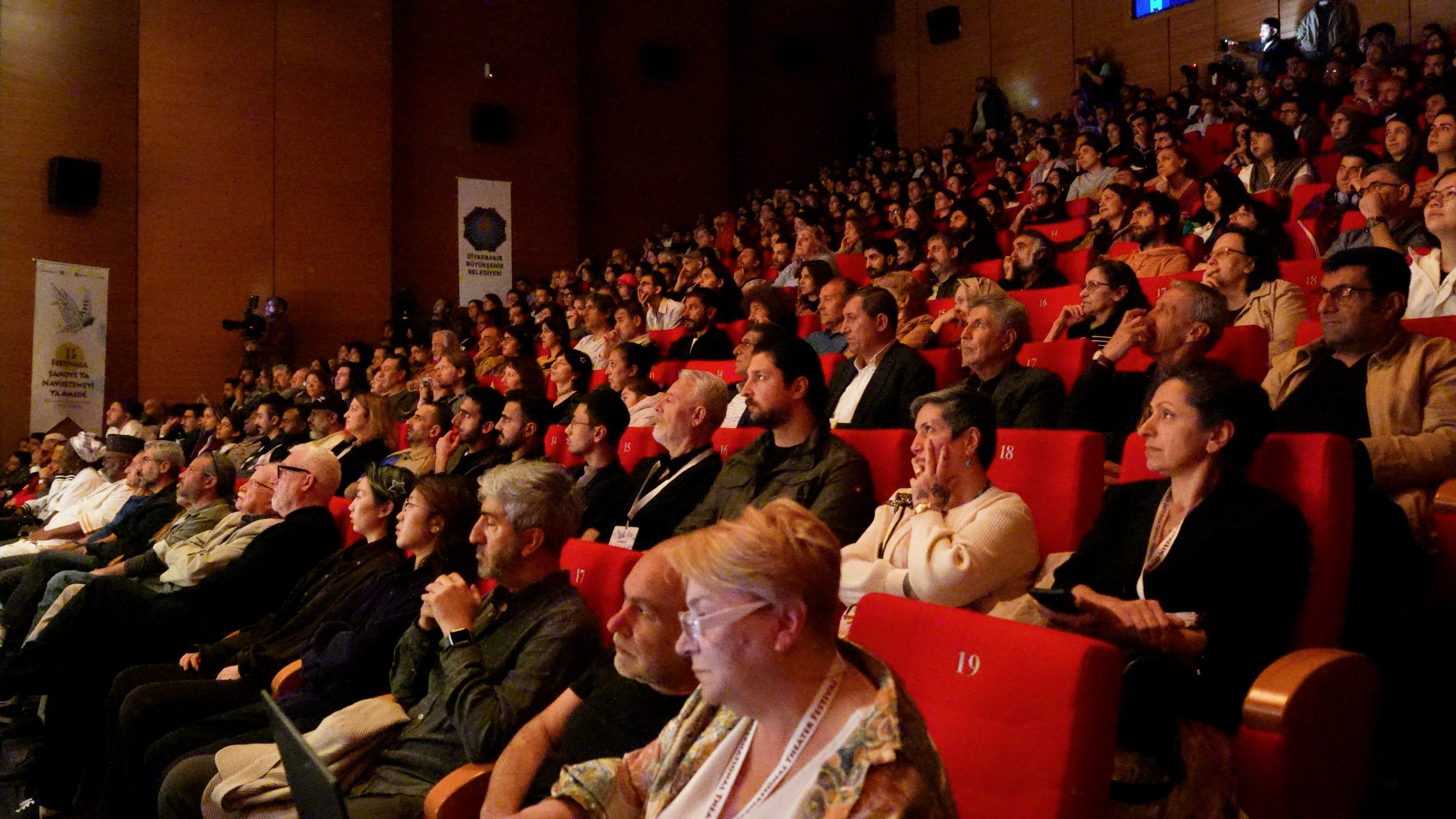
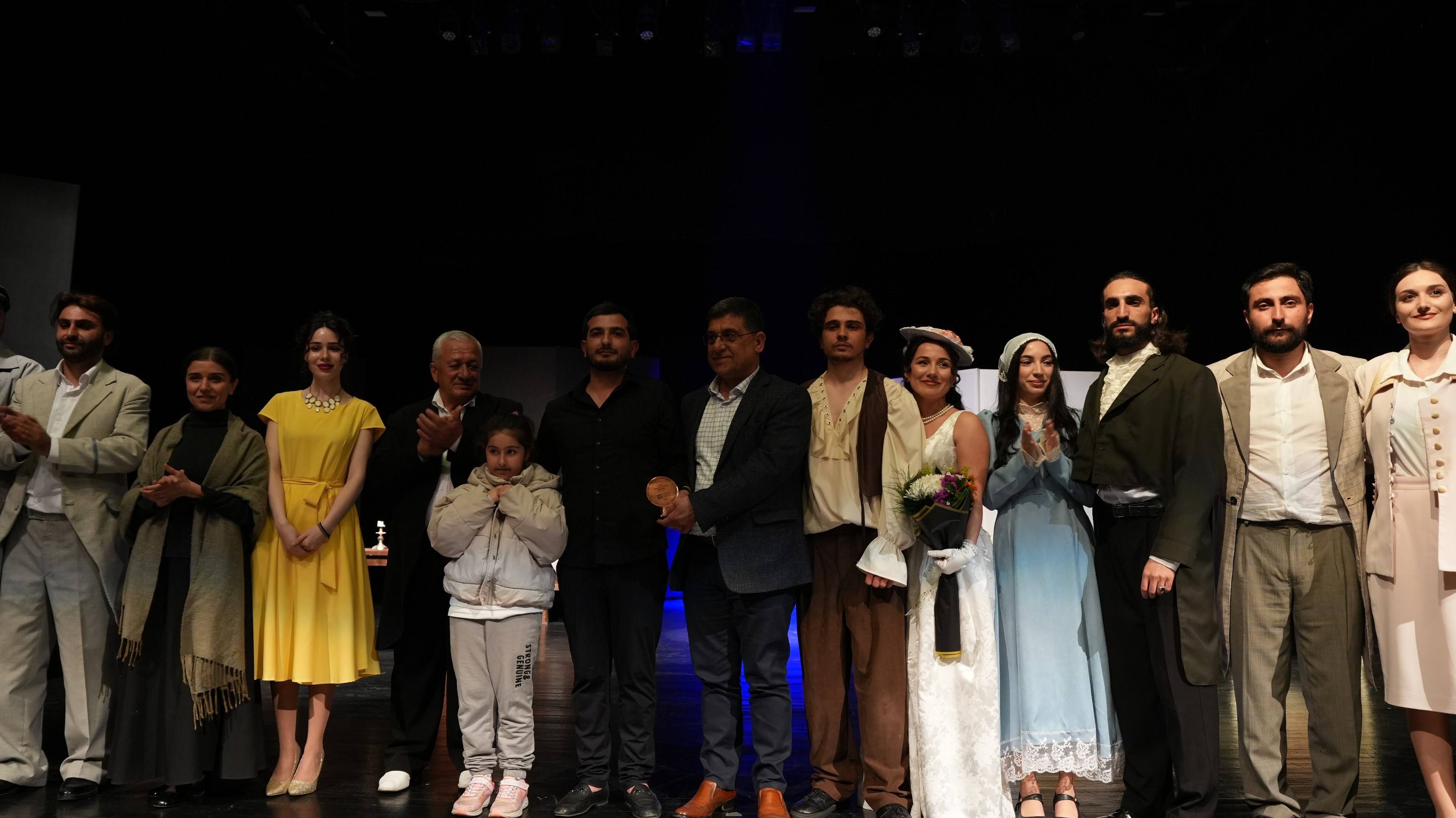
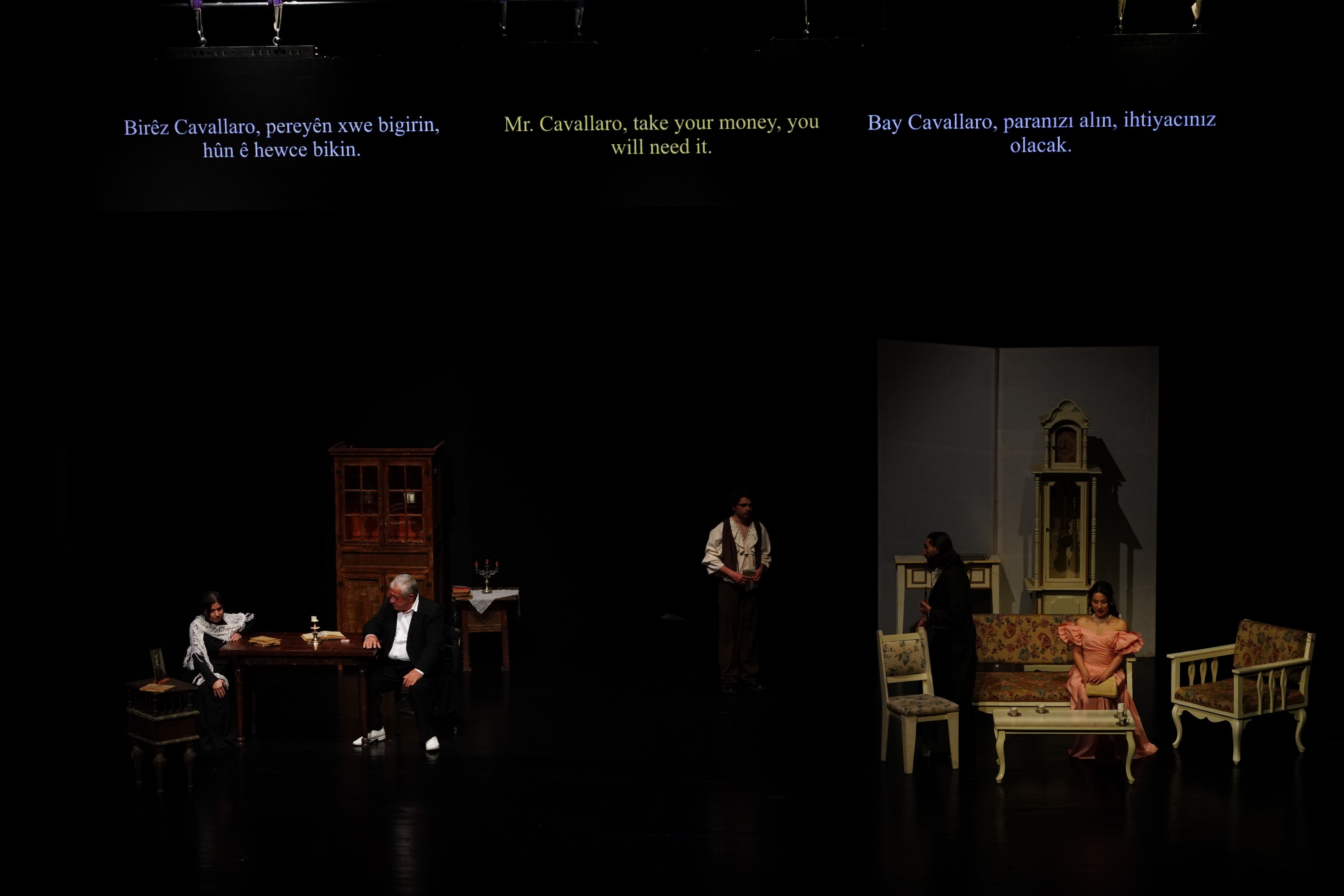
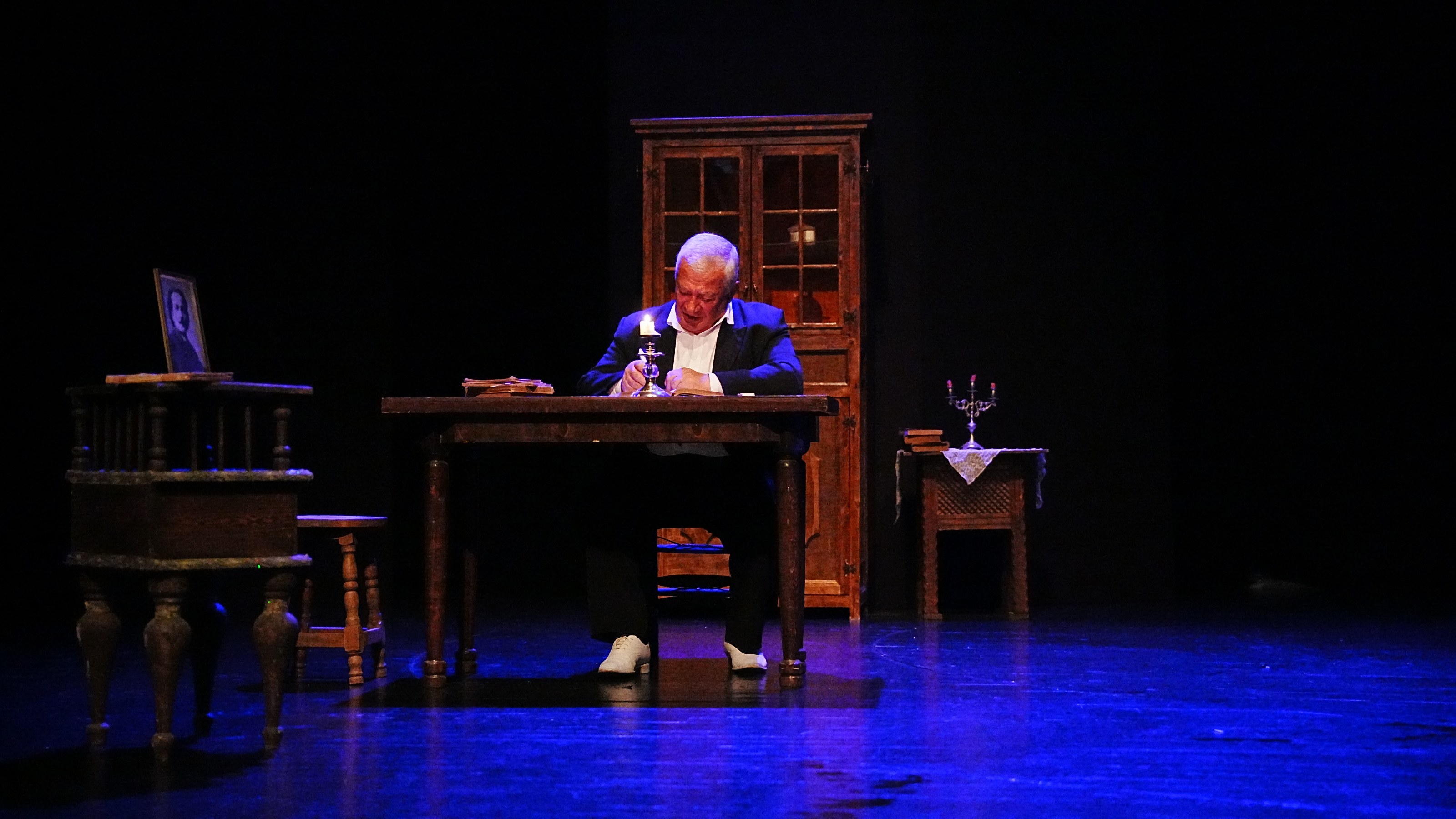
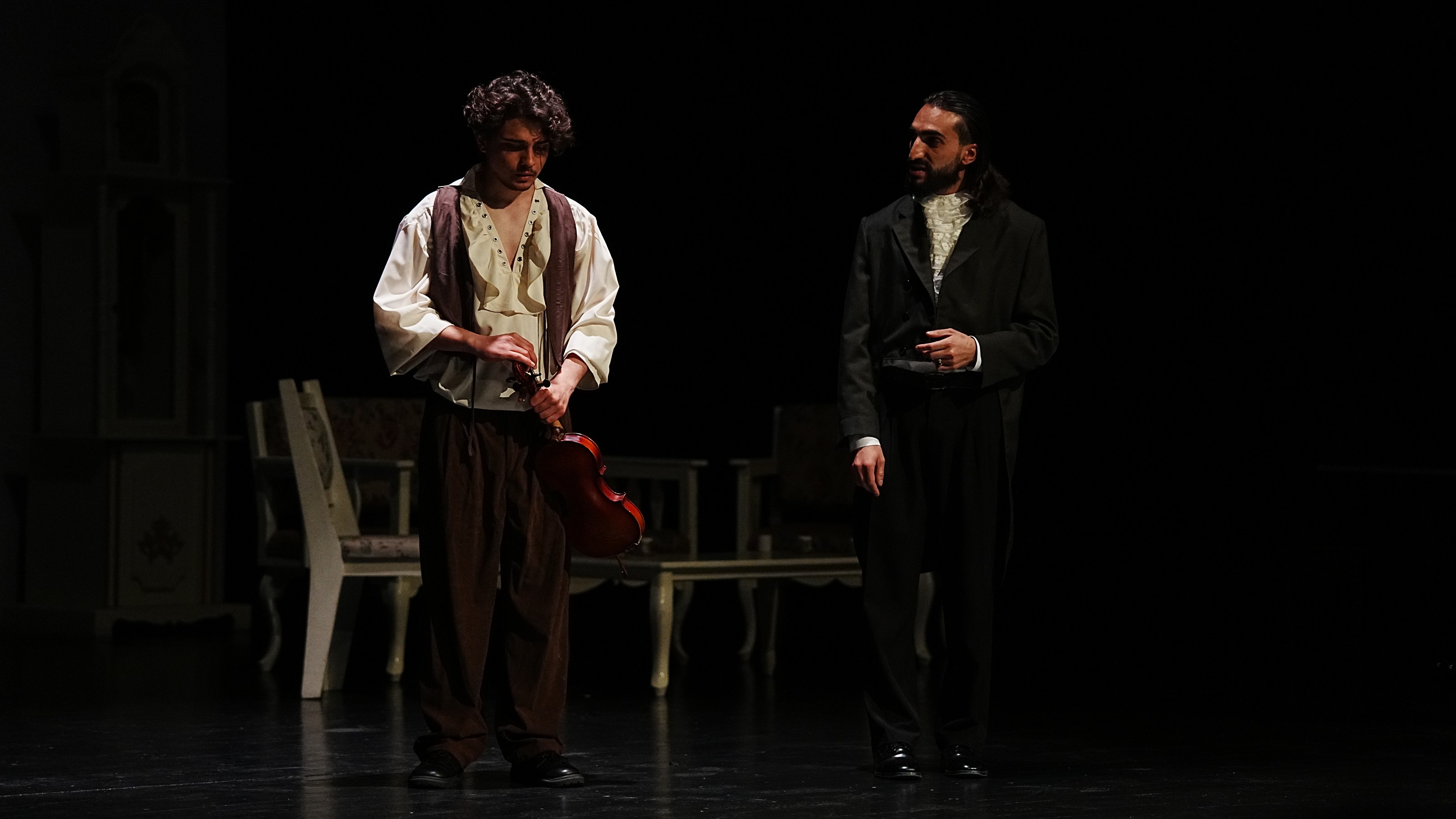
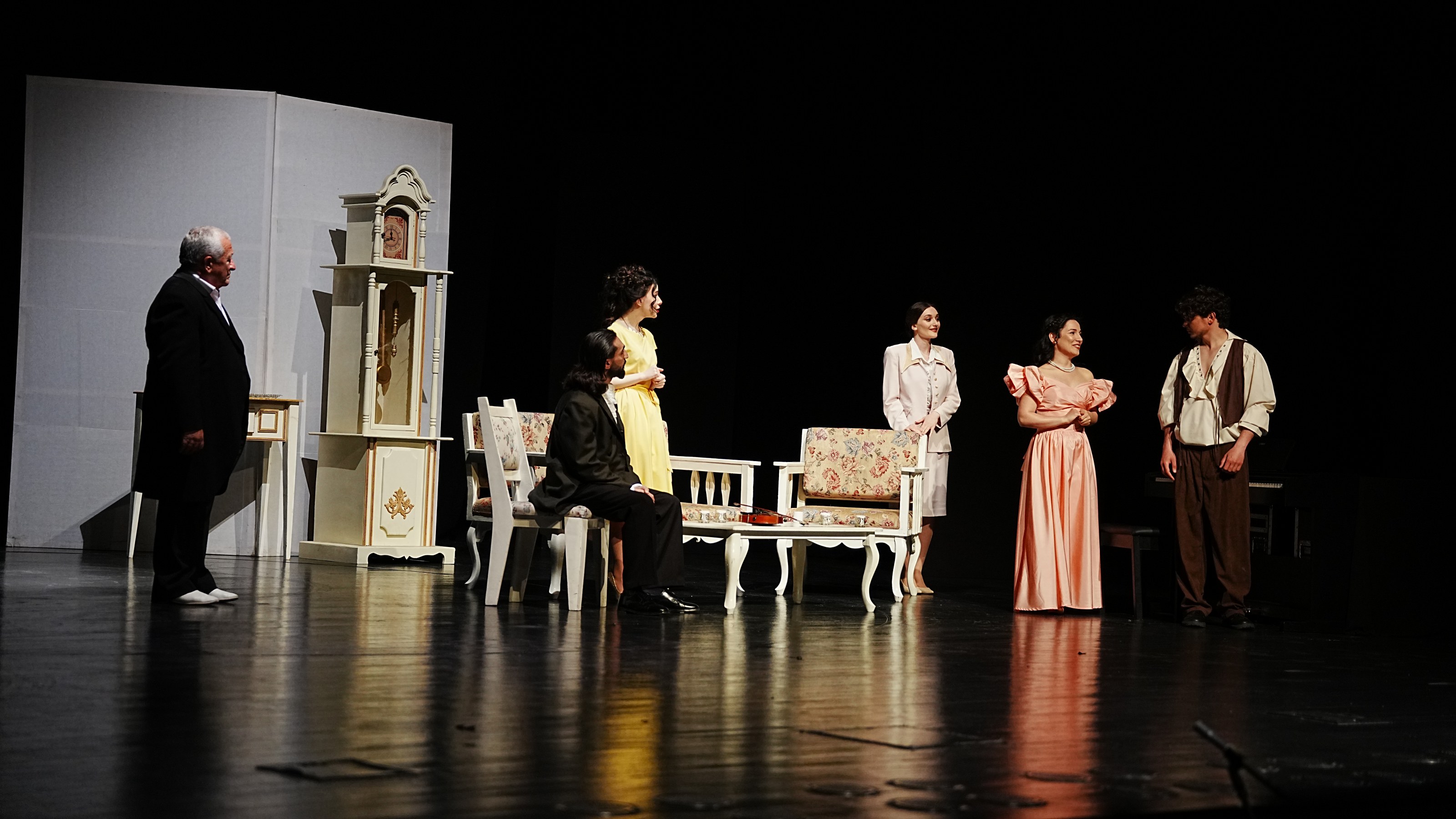
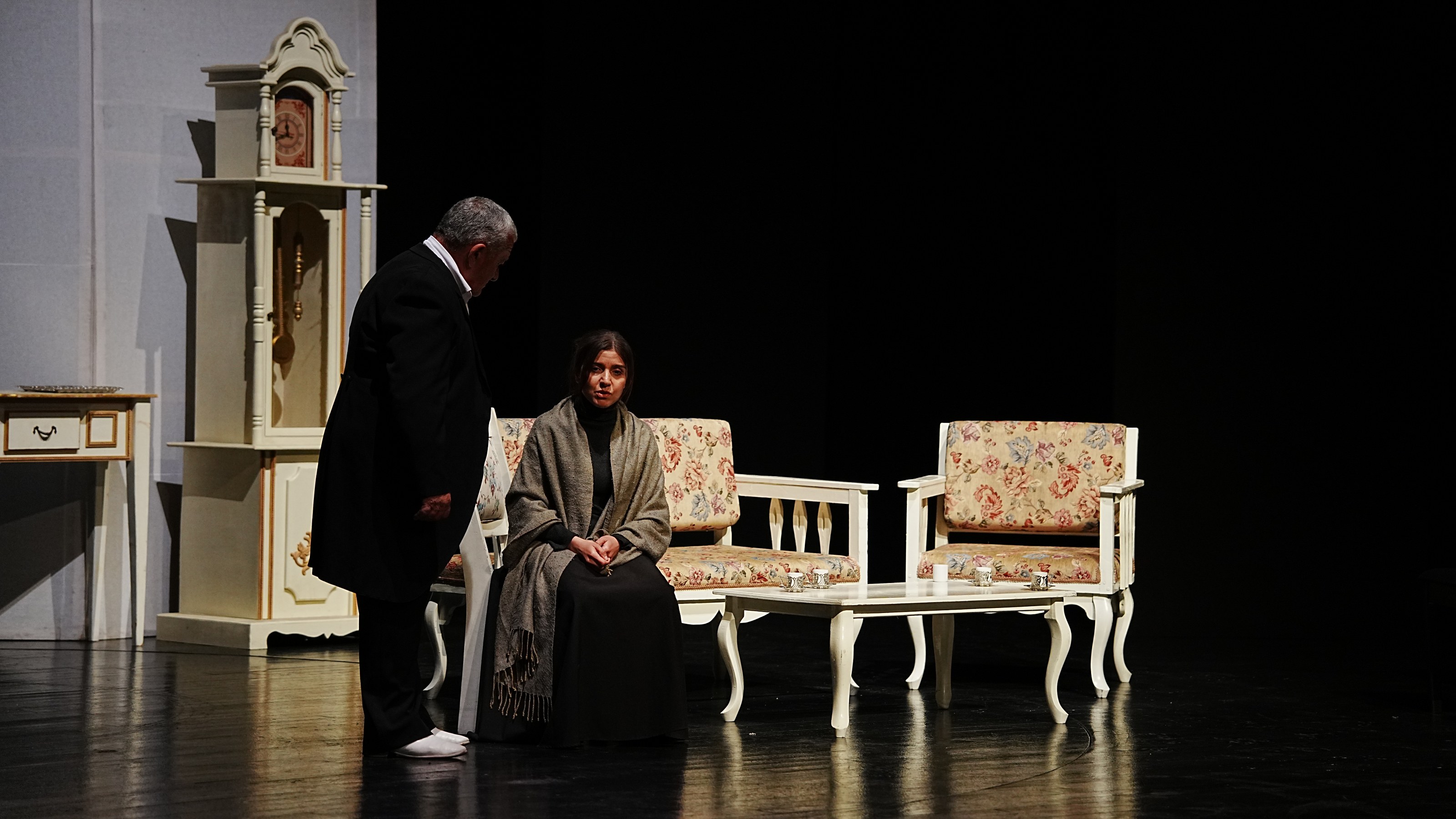
As part of the festival, a theatre company from Armenia staged “The Artist”, written by Alexander Shirvanzade and directed by Aram Nalbandyan, at the M. Emin Yalçınkaya Stage of Çand Amed Culture and Congress Centre. Theatre lovers filled the hall and applauded the performance.
The play tells the story of Levon, a young artist who settles in a house in Odessa after being forced to move four times. Levon falls in love with Luisa, the landlord’s daughter, but is drawn into a deep dilemma when she prepares to leave for Italy to study singing. Saving money to follow the woman he loves, Levon sees his dreams collapse after he loses his savings in an attack and Luisa marries the opera singer Cavallaro and leaves for Paris.
Centred on love, poverty, loneliness and unrealised dreams, the play offered audiences a powerful dramatic narrative through Levon’s tragic end.
After the performance, plaques and flowers were presented to the actors, while Director Aram Nalbandyan thanked Diyarbakır Metropolitan Municipality and everyone who contributed to the festival organisation.
Seminar on Mîr Mîran Festival and Newroz Ritual
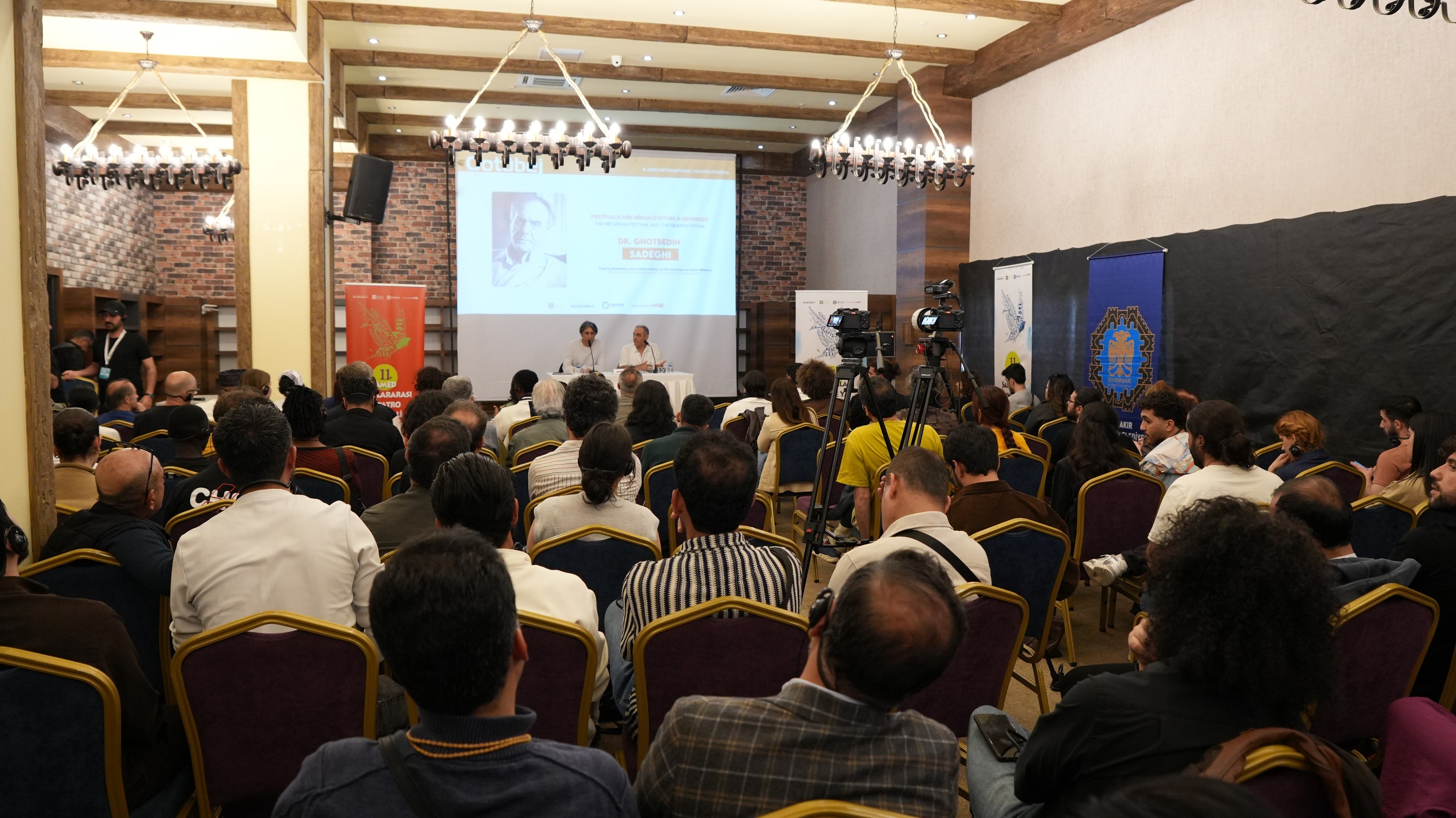
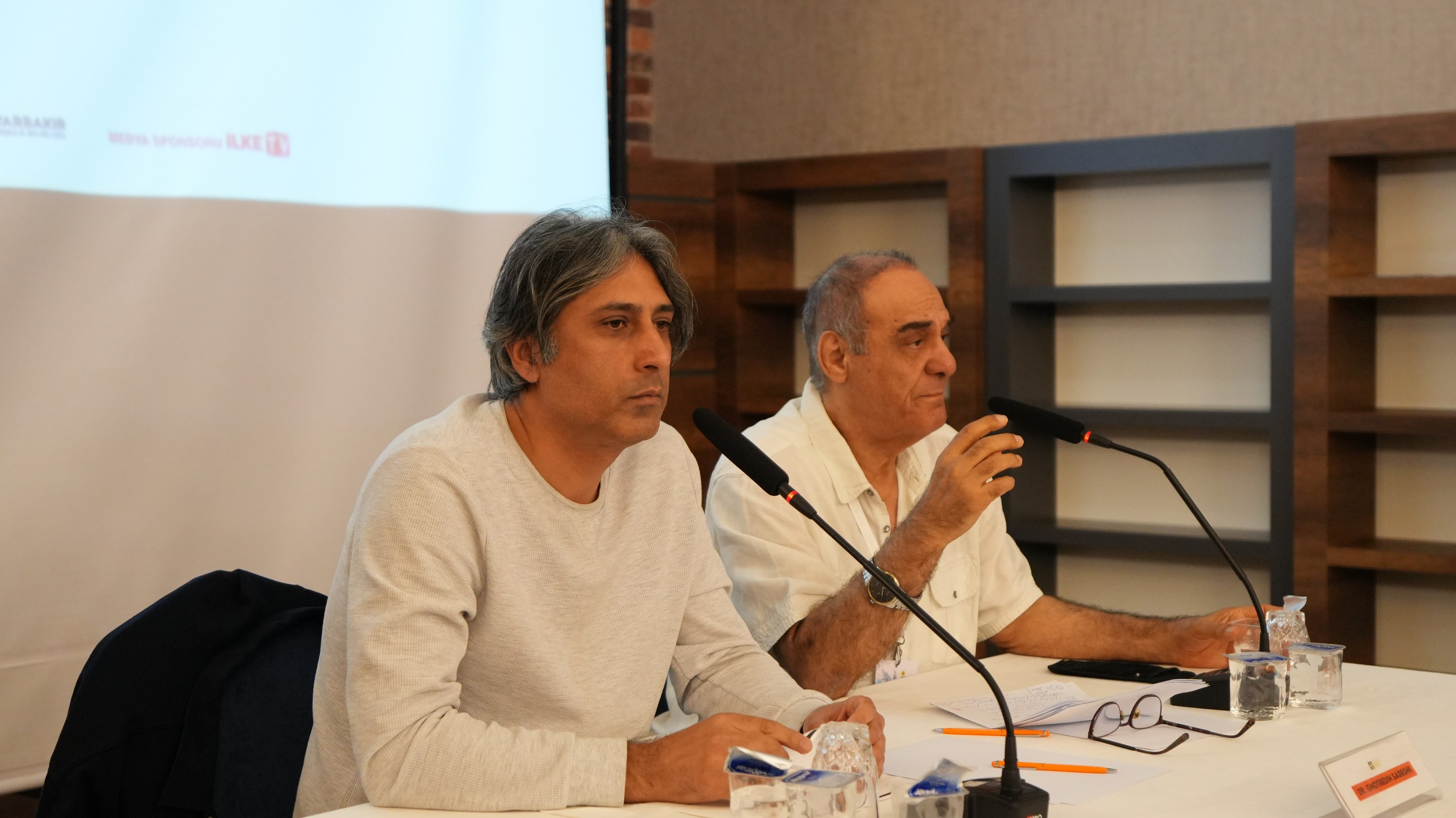
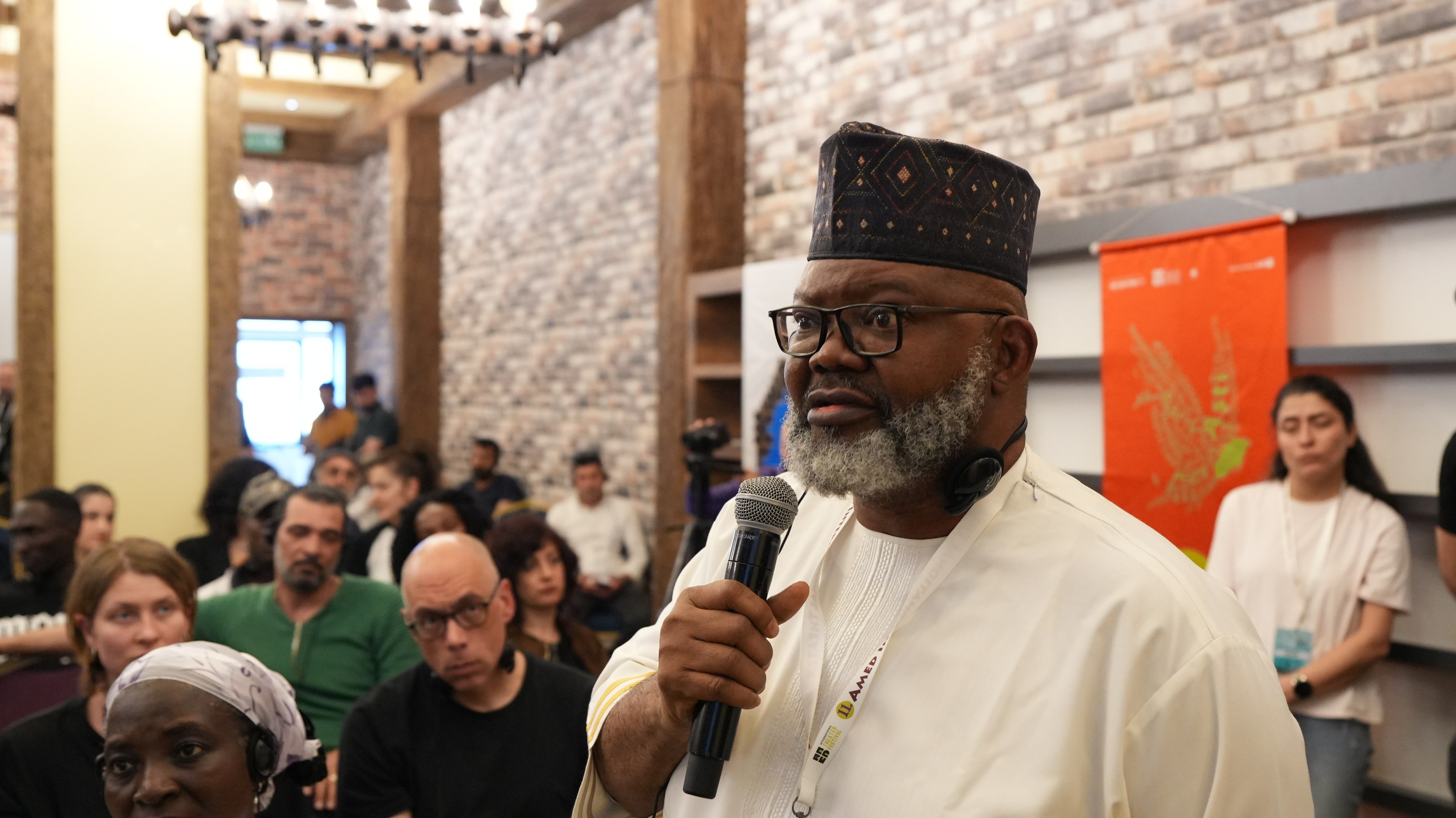
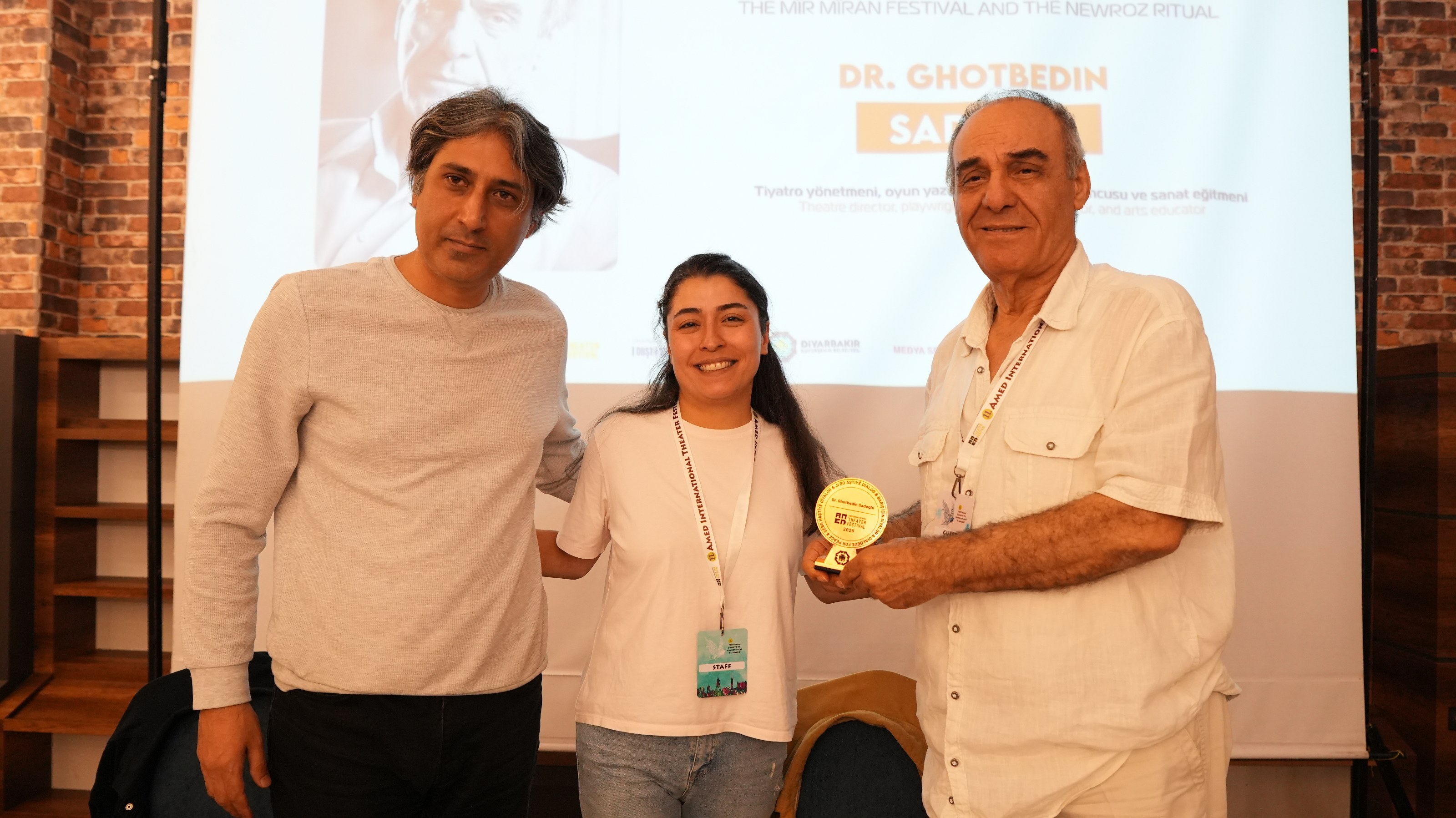
At a seminar held at Çand Amed Congress Centre as part of the festival, director Dr Ghotbedin Sadeghi gave information about the Mîr Newrozî ritual practised in Kurdish-populated regions of Iran. Sadeghi said the Mîr Newrozî ceremony was created through great effort and constituted an important cultural document. Stating that the ritual had been banned in Iran since 1946 because it includes the theme of killing the shah, Sadeghi drew attention to the richness of Kurdish culture and emphasised the need to develop a strong theatre repertoire in this field.
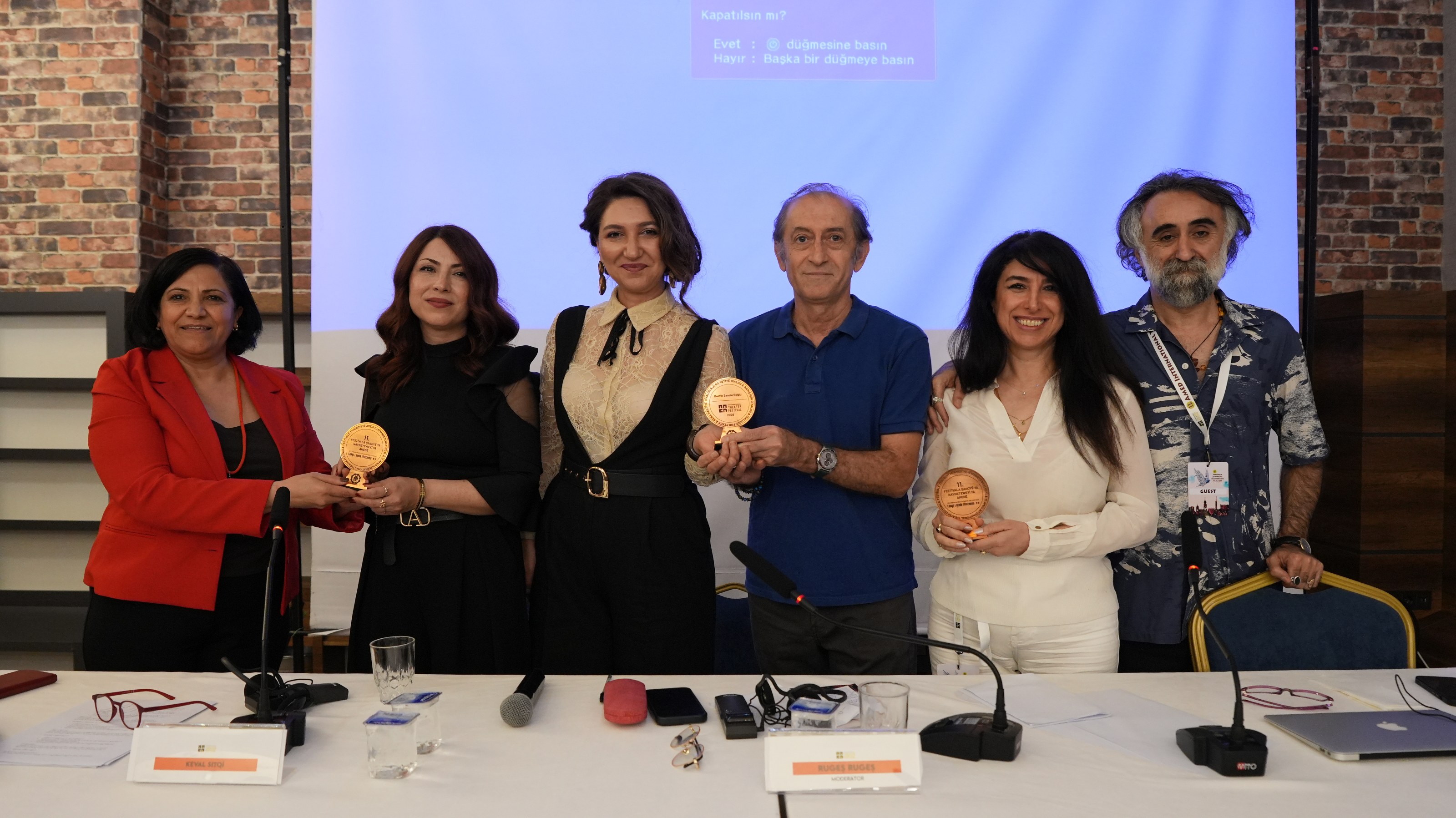
Following the seminar, plaques were presented to the participants.
Panel on the Cultural Construction of Existence in Kurdish Theatre
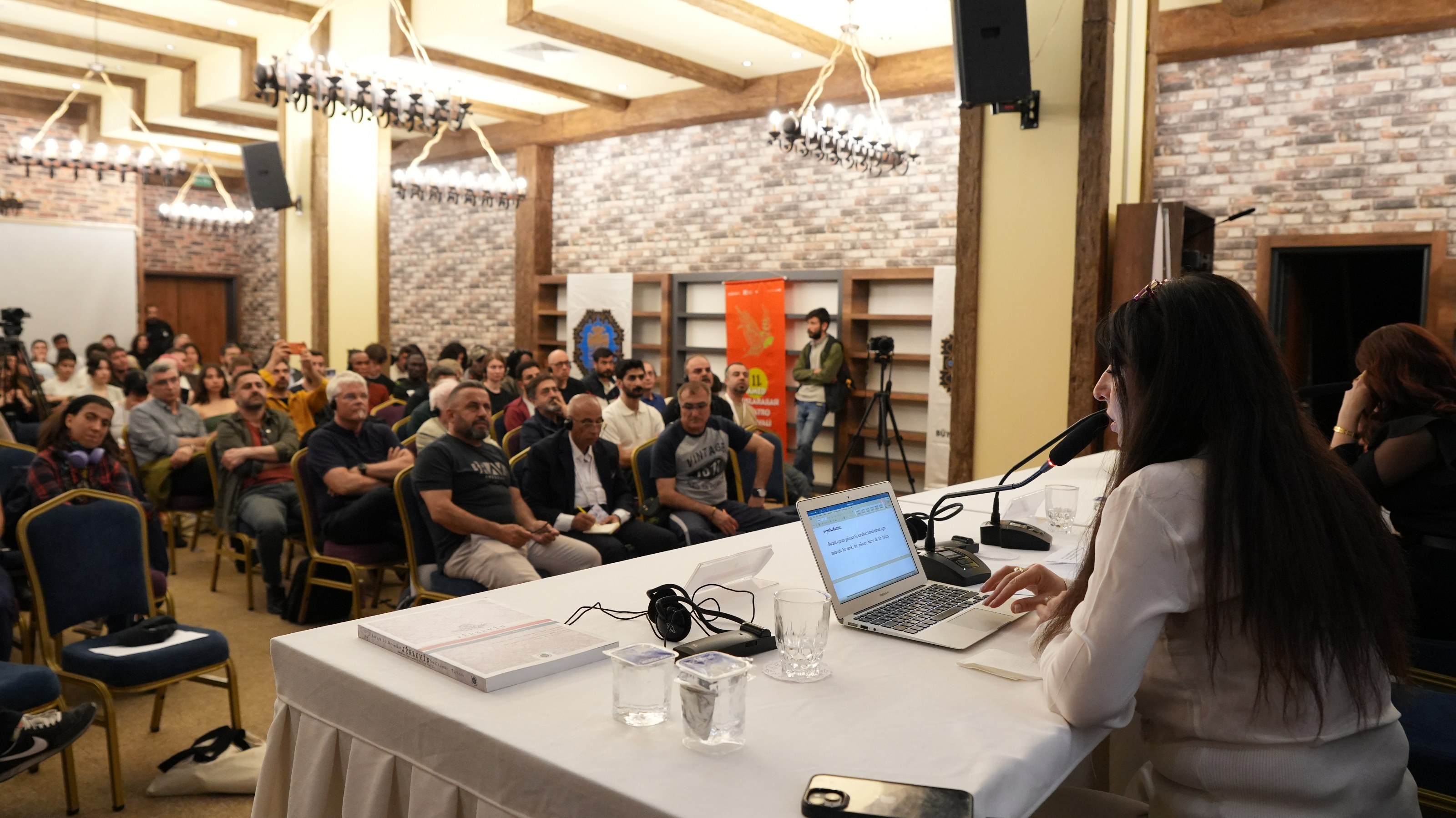
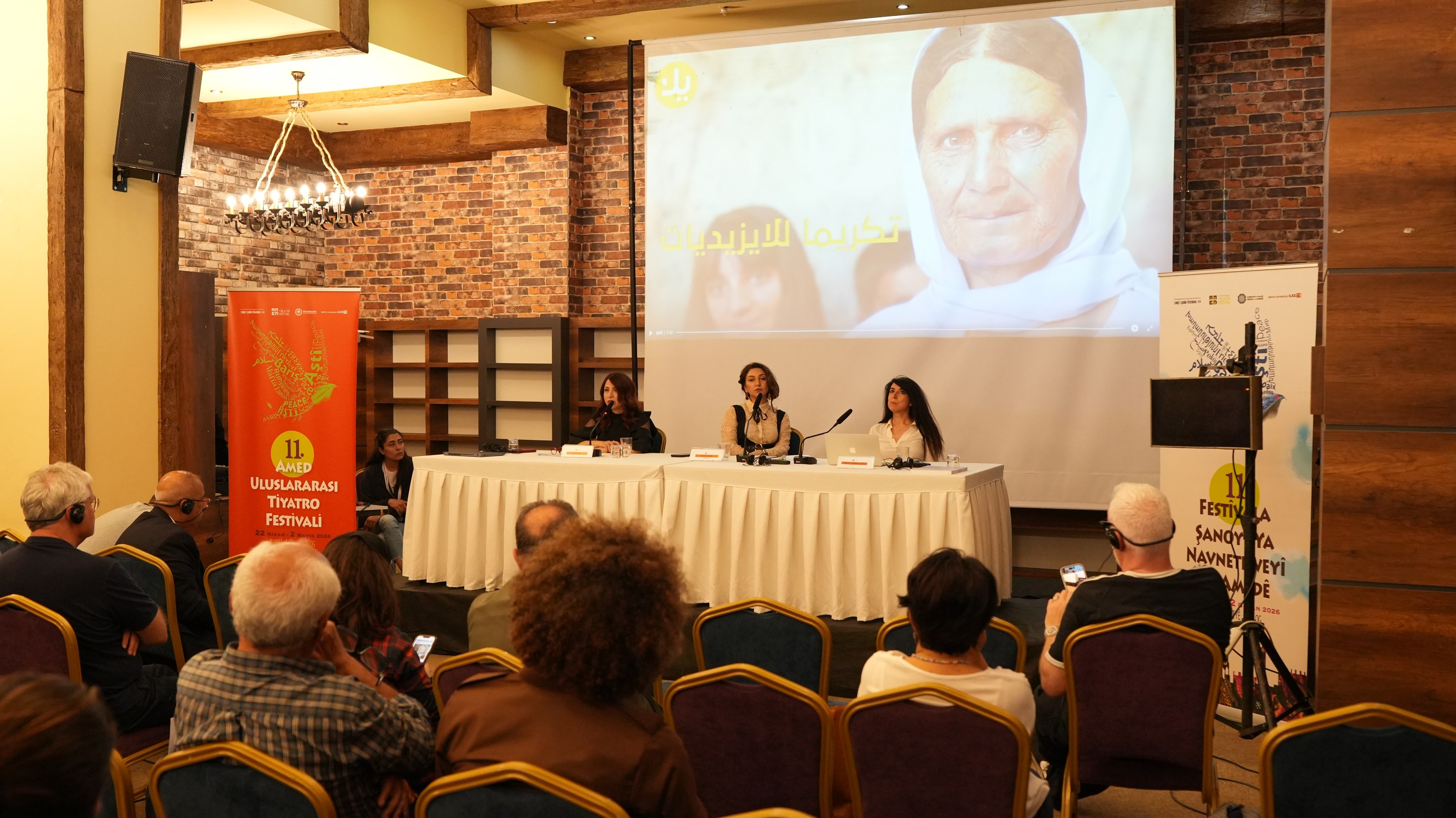
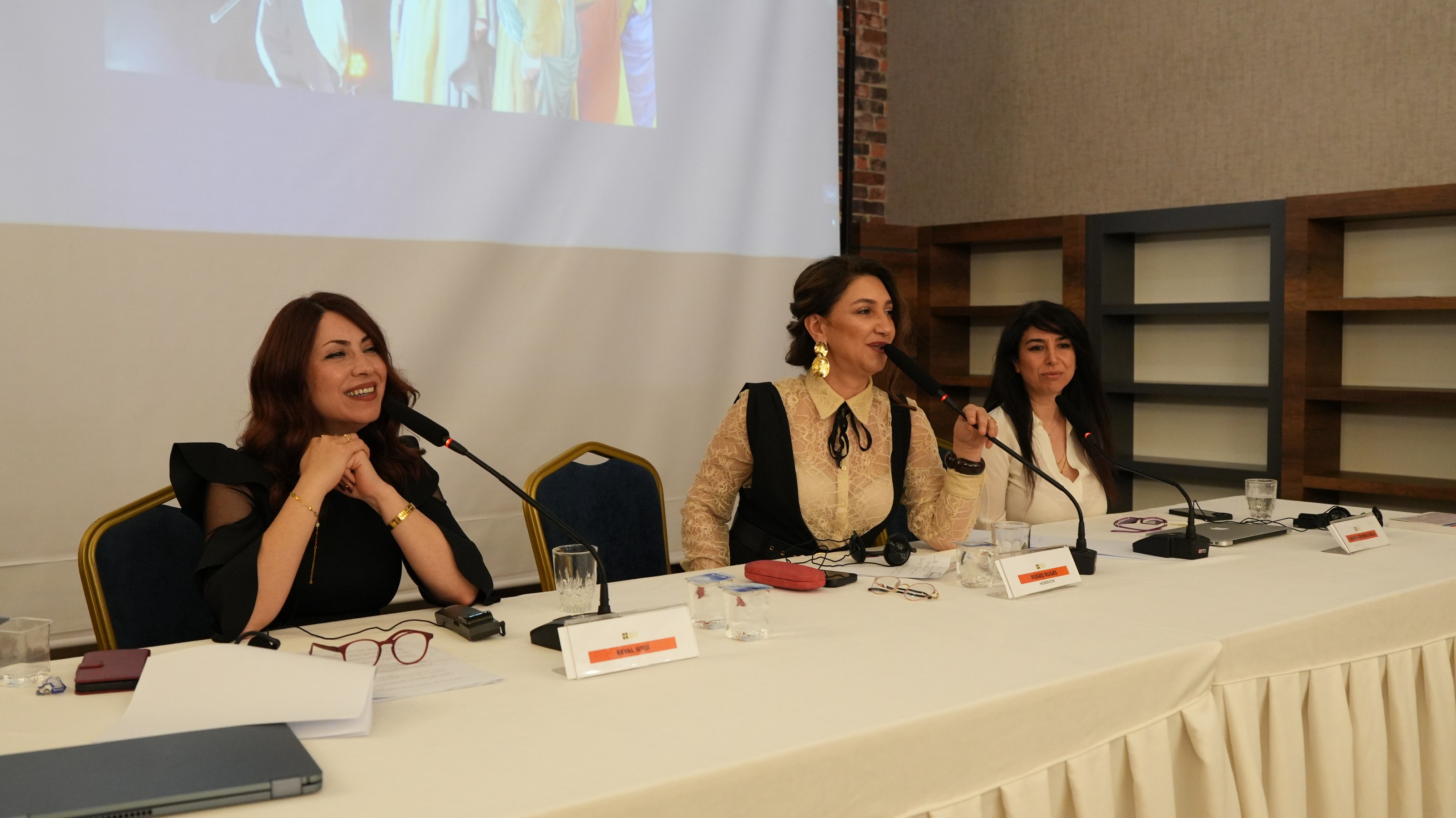
As part of the festival programme, a panel titled “The Cultural Construction of Existence in Kurdish Theatre” was held at the Çand Amed Seminar Hall. Moderated by theatre actor Rugeş Kırıcı, the panel featured director Berfin Zenderlioğlu and theatre actor Keval Sidqi as speakers.
Speaking at the panel, Rugeş Kırıcı said Kurdish theatre was not only a space of representation, but also an act of resistance against oppression and injustice.
Berfin Zenderlioğlu stated that anyone who steps onto the theatre stage represents language, identity, culture and memory, adding that the presence of Kurdish theatre on stage carries not only an artistic meaning, but also one rooted in identity. Zenderlioğlu also addressed the historical development of Kurdish theatre, the obstacles it has faced and the role of Amed City Theatre in this field. She recalled that Tiatra Jiyana Nû, one of the earliest examples of Kurdish-language theatre in Türkiye, had faced many obstacles.
Theatre actor Keval Sidqi also said Kurdish theatre sees the stage as a space of resistance, drawing attention to the impact of wars on society and art, and discussing the contribution of freedom to theatrical production.
Following the panel, Zeynep Yaş, Head of the Department of Culture, Arts and Social Affairs, thanked the speakers.
Festival continues with its multilingual and multicultural character
Amed International Theatre Festival continues to bring together theatre companies from different countries, opening up space for multilingual and multicultural artistic production.