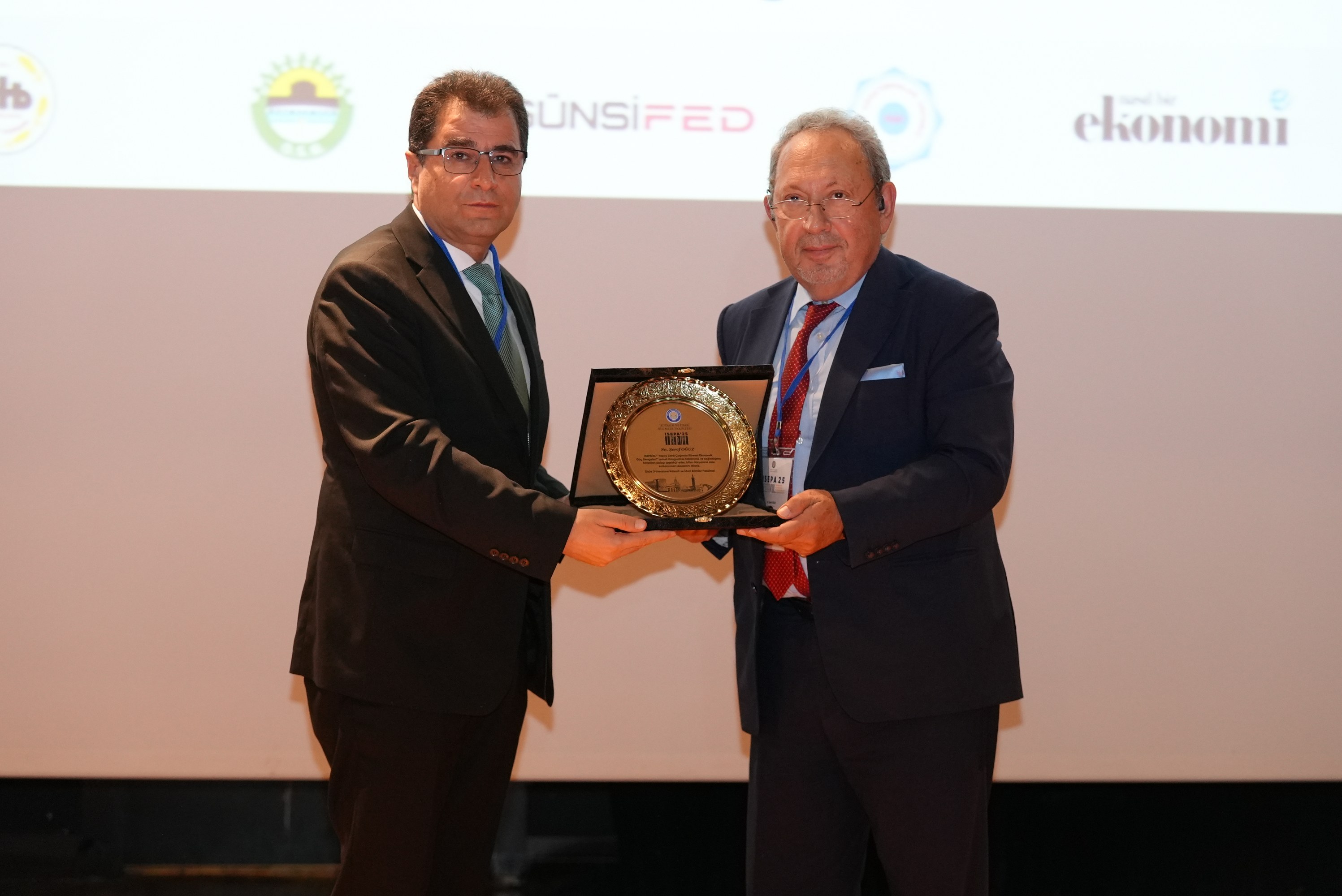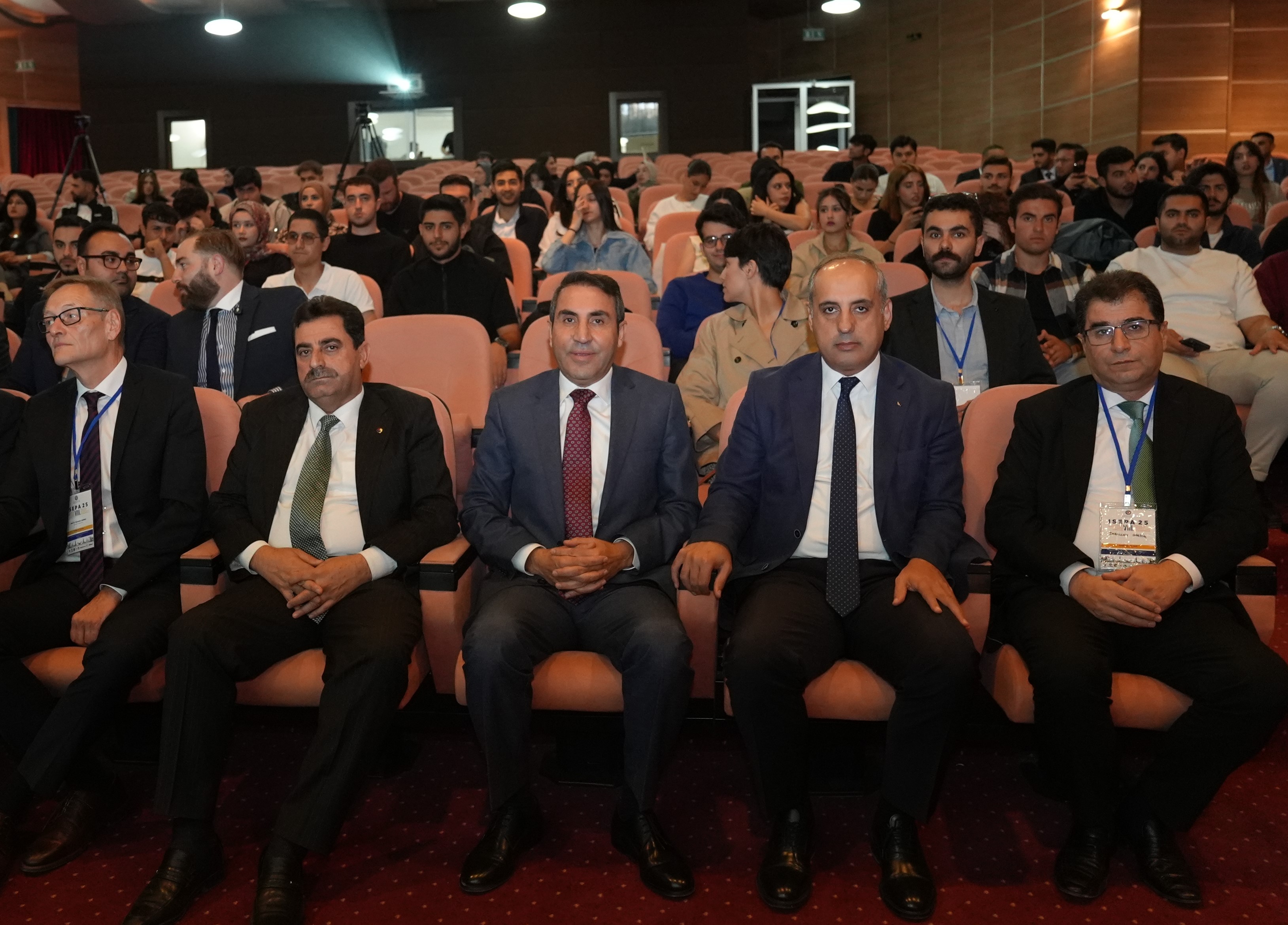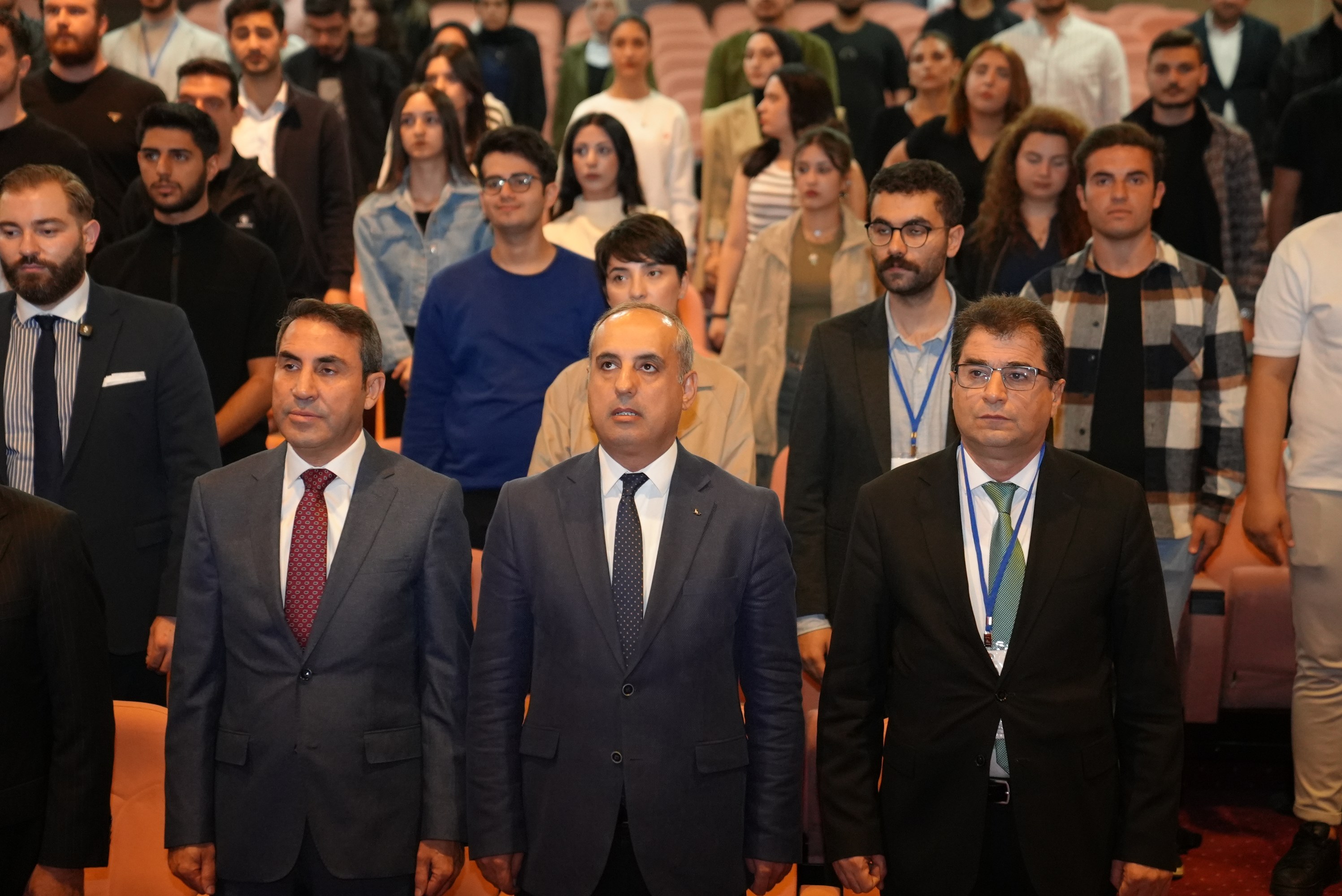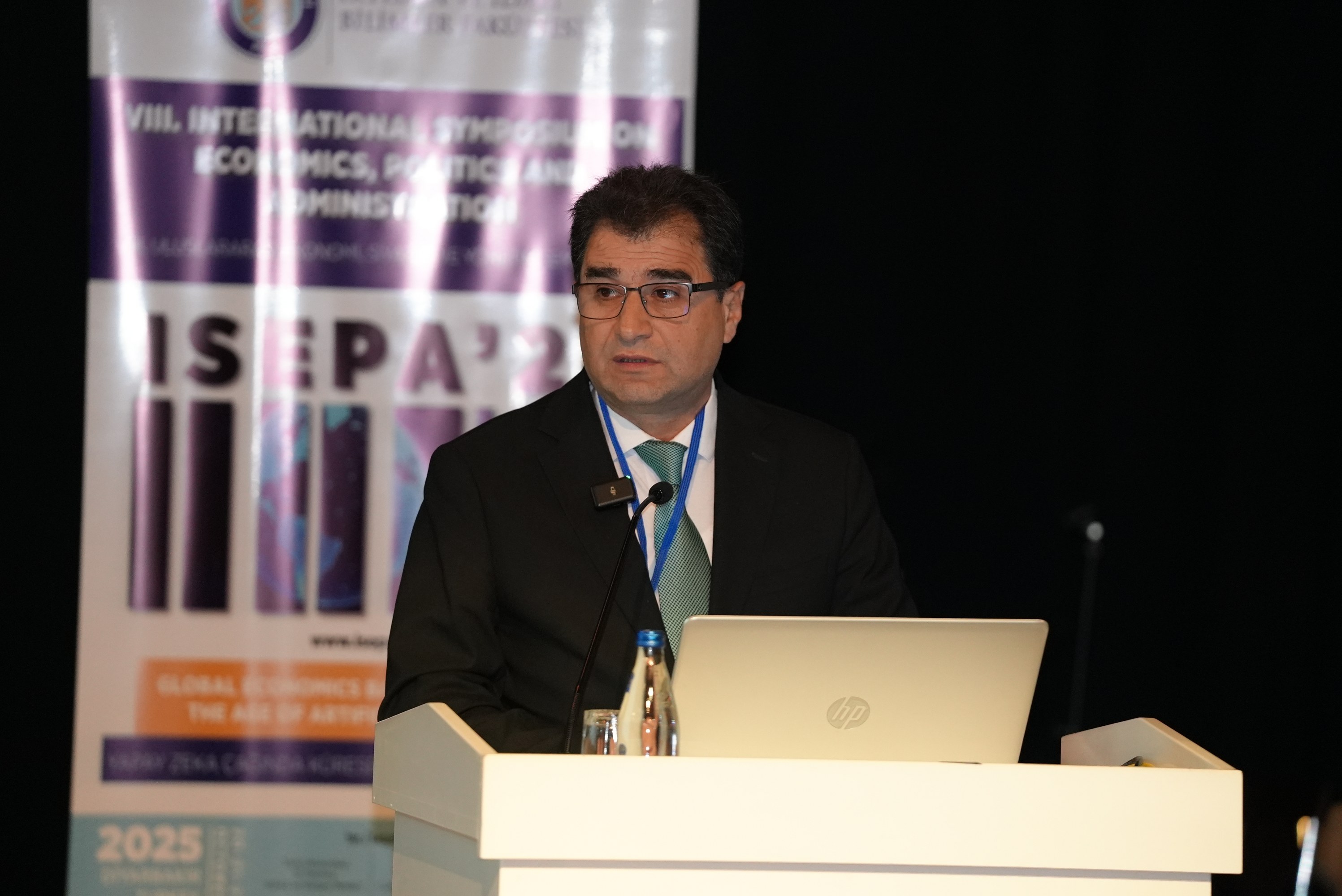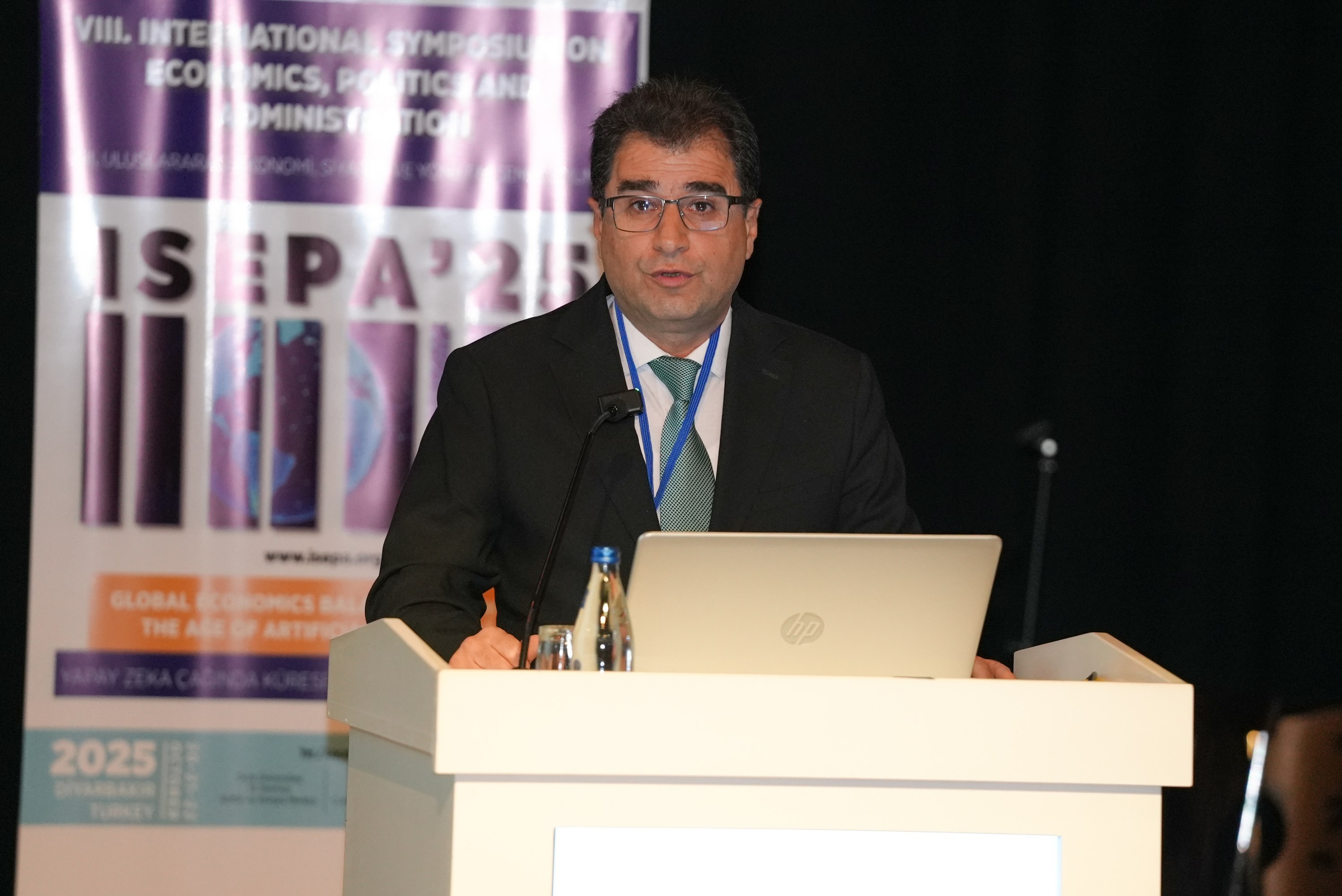
Chief Executive of Metropolitan Municipality Emrullah Gördük took part in the 8th International Symposium on Economics, Politics and Administration (ISEPA’25) organised by Dicle University, saying: “When we use artificial intelligence correctly in urban governance, economic planning and social policy, our cities will become not only smart, but also fair, resilient and sustainable.”
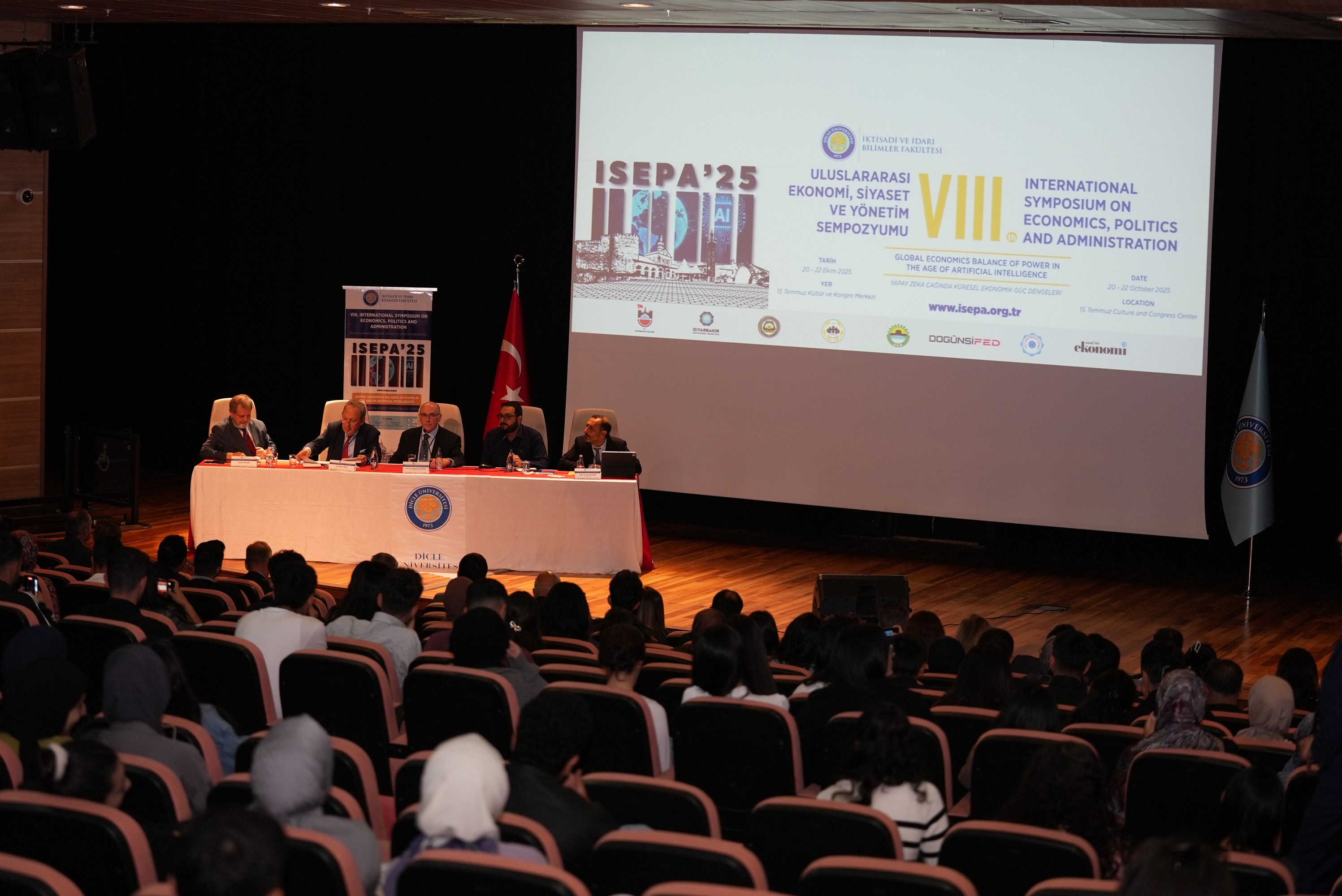
Organised by Dicle University’s Faculty of Economics and Administrative Sciences under the theme “Global Economic Power Balances in the Age of Artificial Intelligence”, the symposium opened at the 15 July Culture and Congress Centre. Academics, experts and public officials addressed AI’s impact on the economy, digital transformation and global power dynamics.
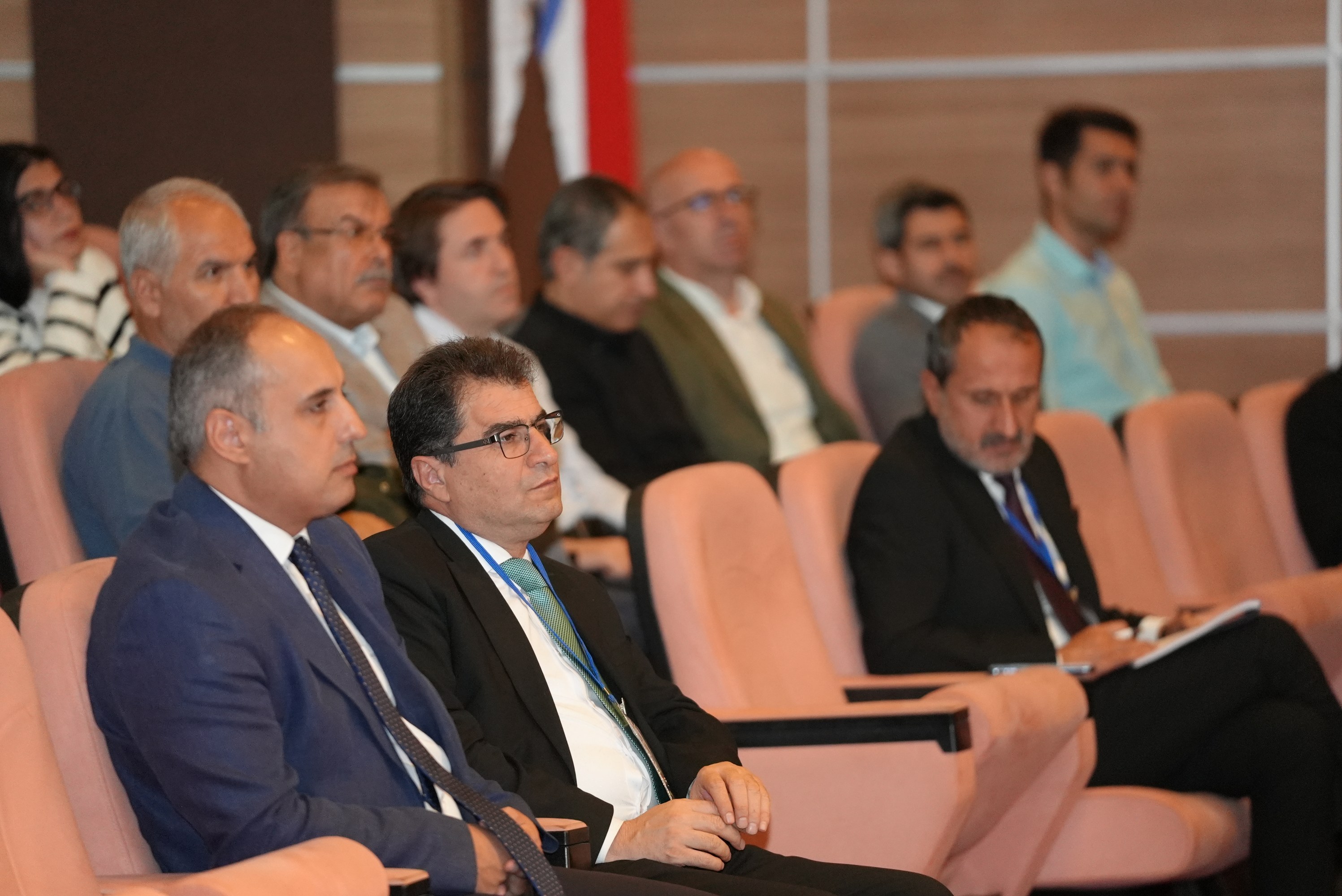
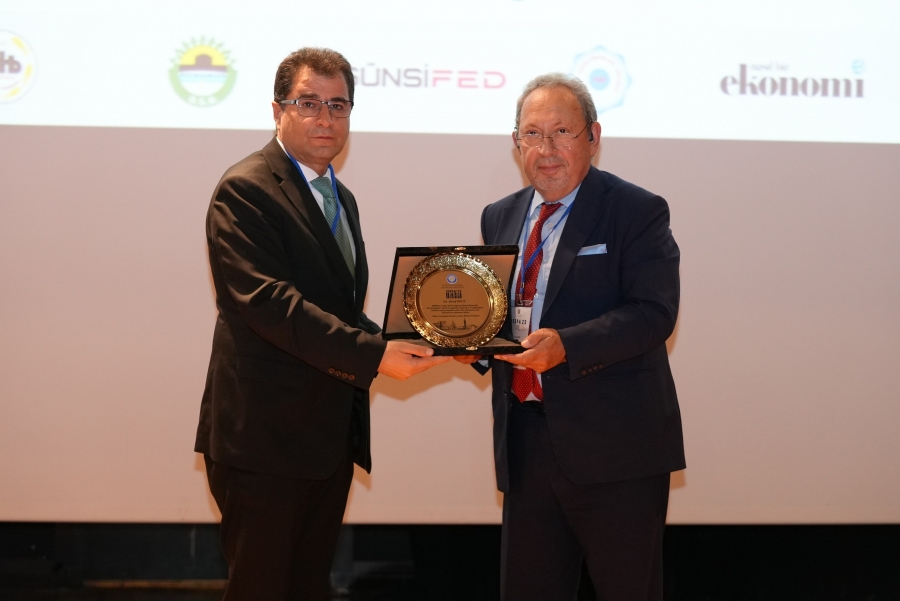
Attending the opening were Diyarbakır Metropolitan Municipality Chief Executive Emrullah Gördük, Dicle University Rector Professor Kamuran Eronat, Faculty Dean Professor Pelin Karatay Göğül, and many guests.
‘Societies that use data well can turn crises into opportunities’
Speaking at the symposium, Chief Executive Gördük said artificial intelligence is not merely a technological novelty, but a transformation redefining the economy, labour and approaches to governance. He continued: “We are here today to discuss a topic that is shaping our era: ‘Global Economic Power Balances in the Age of Artificial Intelligence’. From the industrial revolutions to the present, every technological shift has altered power relations. Today, artificial intelligence is at the heart of this transformation. Economic power now rests not on natural resources, but on knowledge, data and the capacity for innovation. Societies that use data well can turn crises into opportunities.”
‘Businesses can take strategic decisions’
Emphasising that global financial fluctuations have clearly demonstrated the importance of artificial intelligence in economic management, Gördük said: “In complex market conditions, it is no longer possible to foresee risks, protect portfolios and develop sound investment strategies using traditional methods. Artificial intelligence, through data analytics and forecasting models, provides significant advantages to businesses. Companies can monitor their financial statements in real time and take more accurate strategic decisions.”
‘The key to stability is data-driven management’
Highlighting that artificial intelligence also greatly facilitates liquidity planning, Gördük continued: “By analysing cash flows, collection–payment balances and market trends, it enables businesses to pursue effective cash management and risk planning. This reduces waste of resources and strengthens financial resilience. In an era of global crises, the key to sustainable stability is now data-driven management and digital agility.”
‘We value every initiative that connects scholarly knowledge with local development’
Gördük added that local authorities must also play an important role in this transformation: “As the Metropolitan Municipality, we attach the highest importance to any initiative that brings scholarly knowledge together with local development. We believe our city should play a leading role not only in cultural life, but also in economic and technological advancement. We consider that partnerships between our university, the business community and local government will be decisive for our future.”
‘When AI is used properly…’
Emphasising the importance of fair development in the digital age, Gördük said: “We value an economic structure in which power is not concentrated in a few centres and income is broadly shared. In this context, we see co-operatives, communal production models and local enterprises as instruments of fair development in the digital era. When we use artificial intelligence correctly in urban governance, economic planning and social policy, our cities will become not only smart, but also fair, resilient and sustainable.”
Gördük concluded: “Our duty is not merely to manage technology, but to steer it in a way that accords with human dignity and the public good. Let us remember: in the age of artificial intelligence, true power will not lie in algorithms themselves, but in societies that can guide those algorithms with conscience, reason and social responsibility.”
AI’s impact on the economy discussed
The event continued with a panel moderated by Hakan Güldağ, Chair of the Board at Ekonomi Gazetesi. Professor Robert W. McGee (Fayetteville State University), Professor Rıza Öztürk (Bielefeld University) and Dr Şeref Oğuz (Editor-in-Chief, Ekonomi Gazetesi) discussed the global economic impacts of AI, economic risks in Europe, and assessments of Türkiye’s economic outlook.