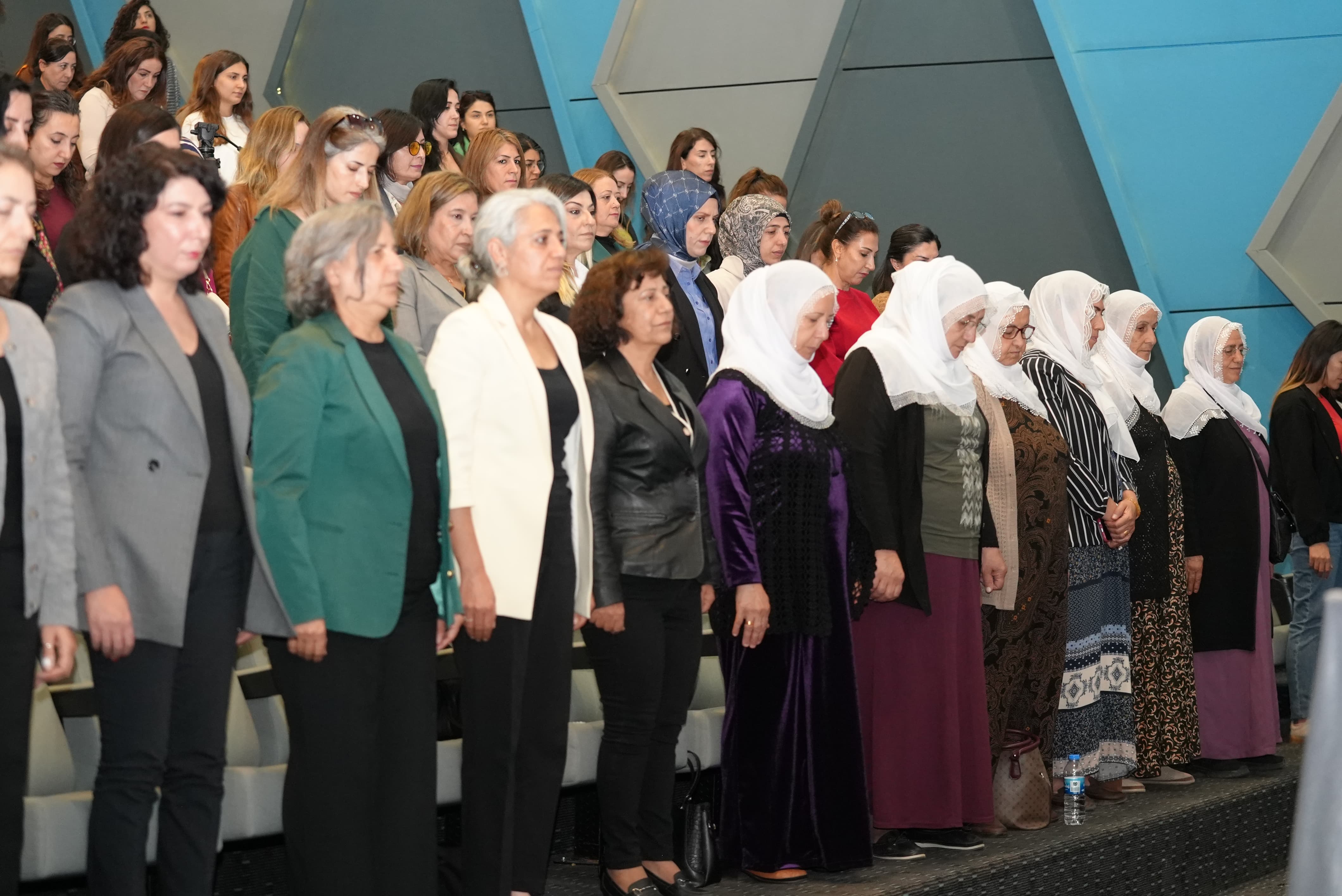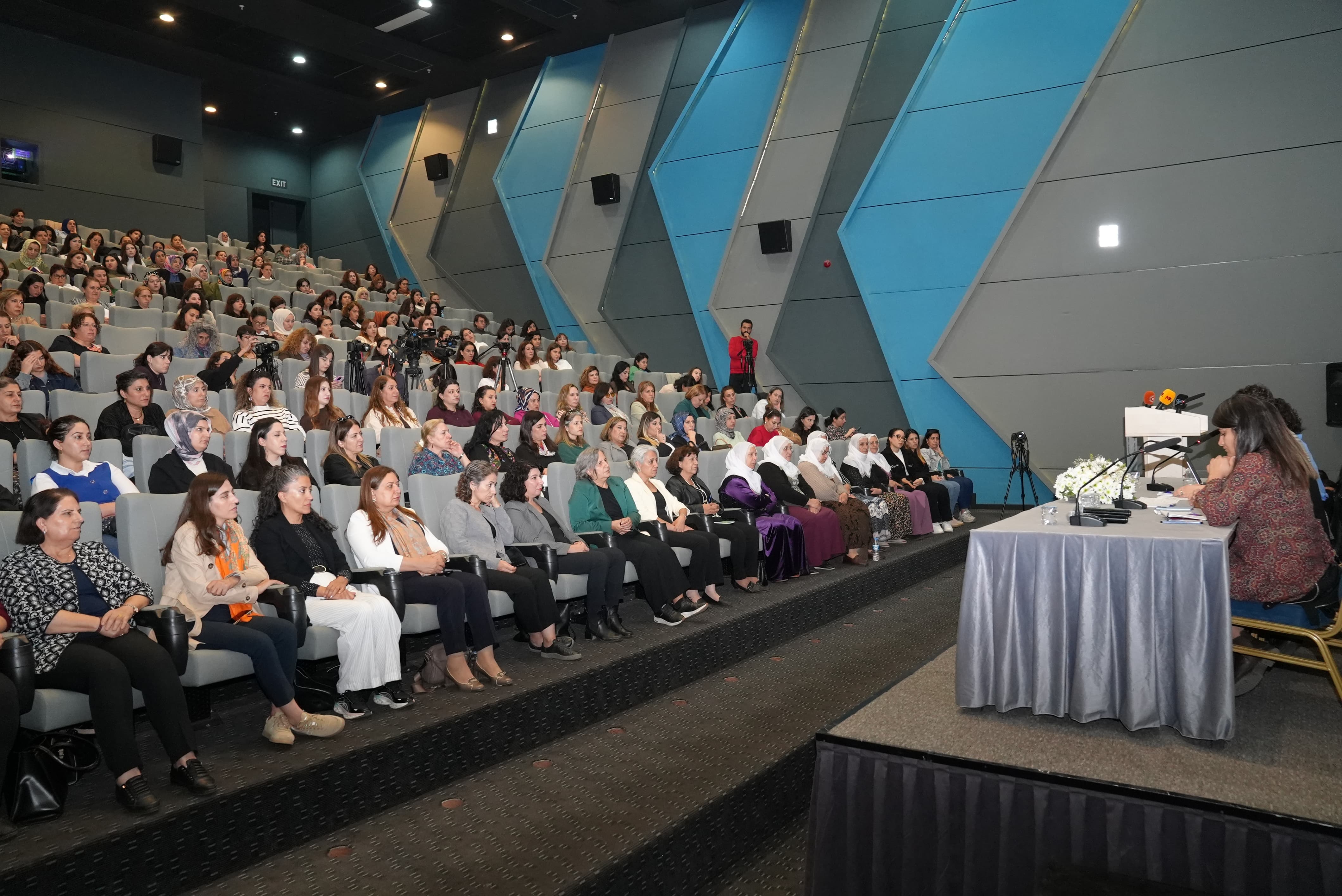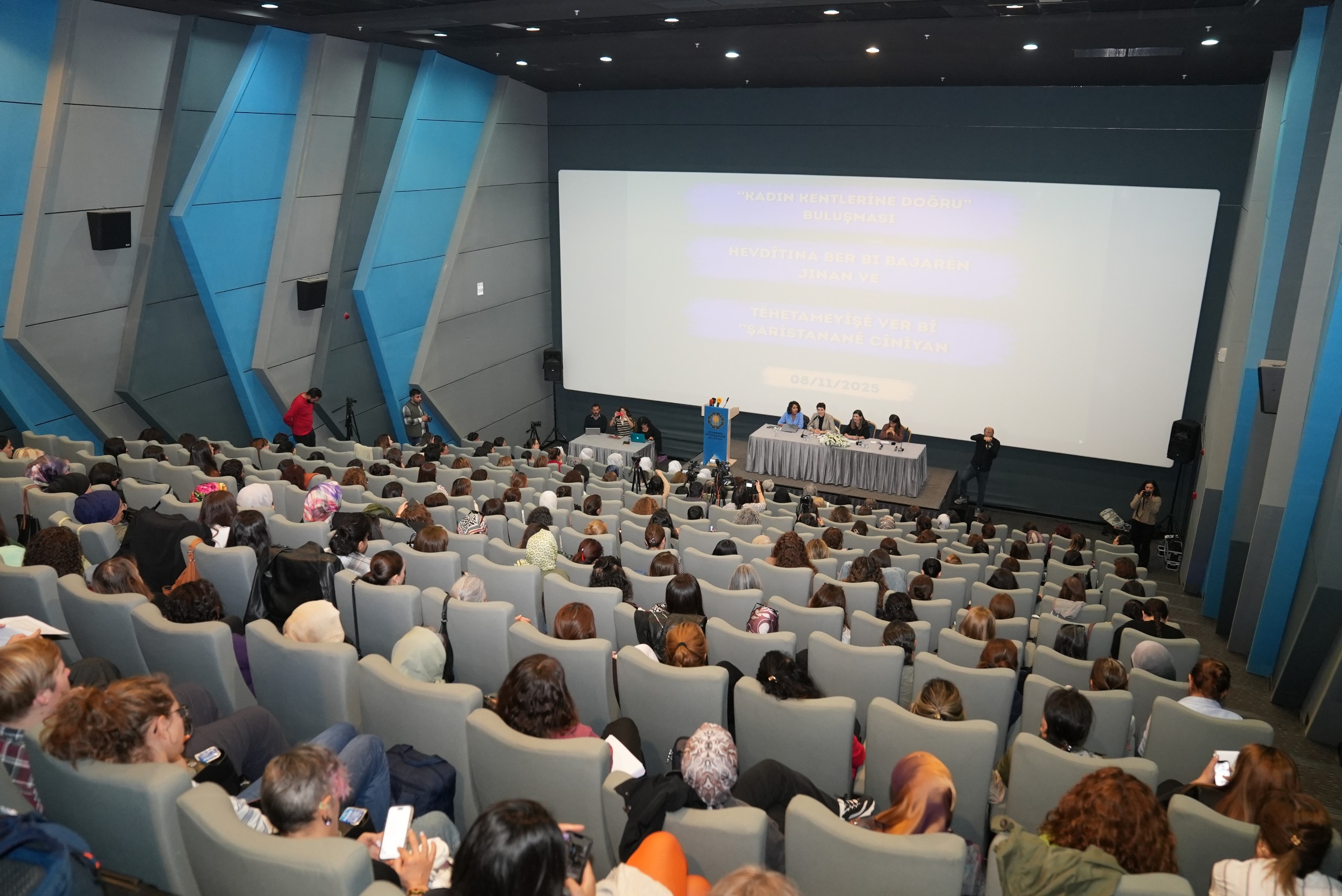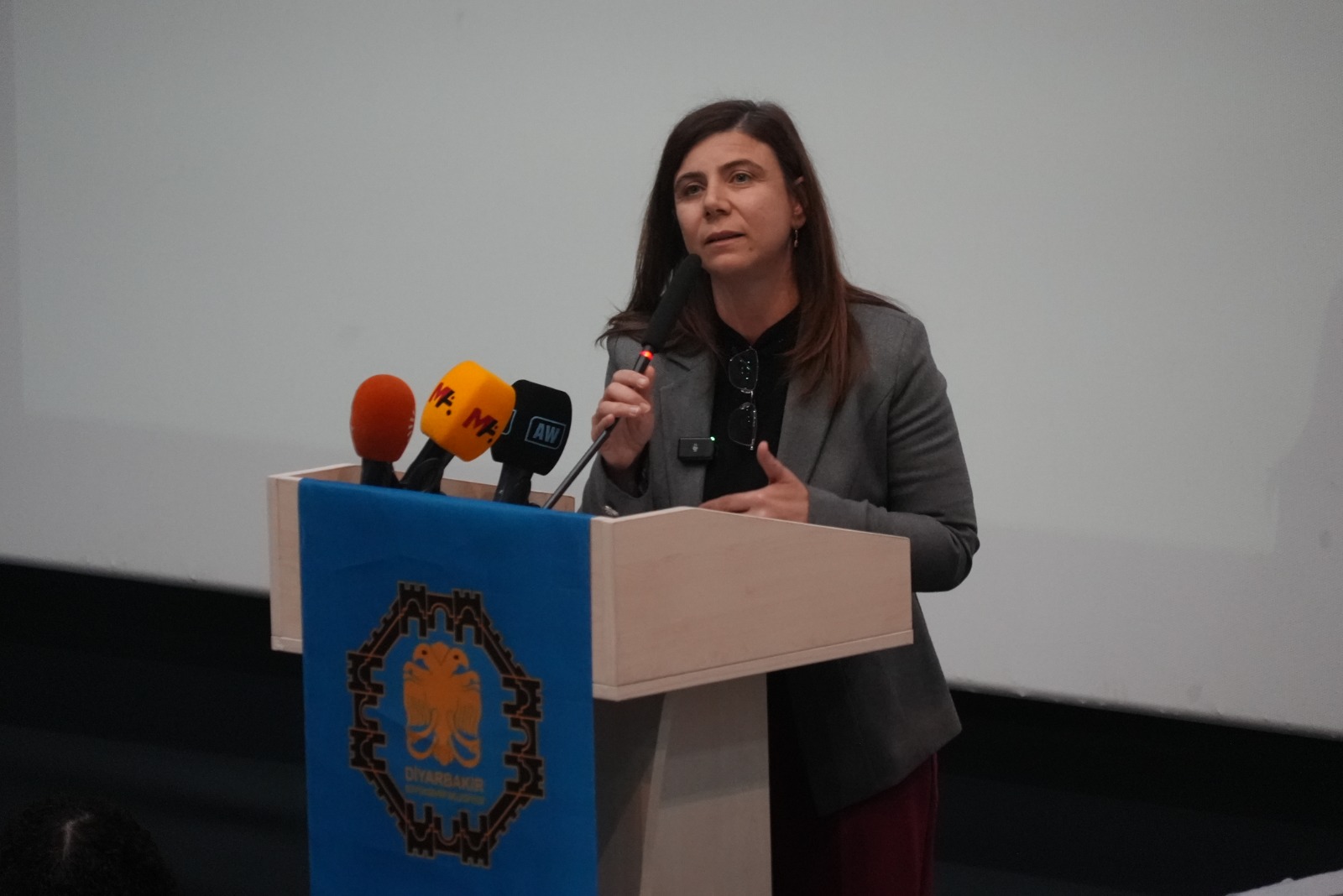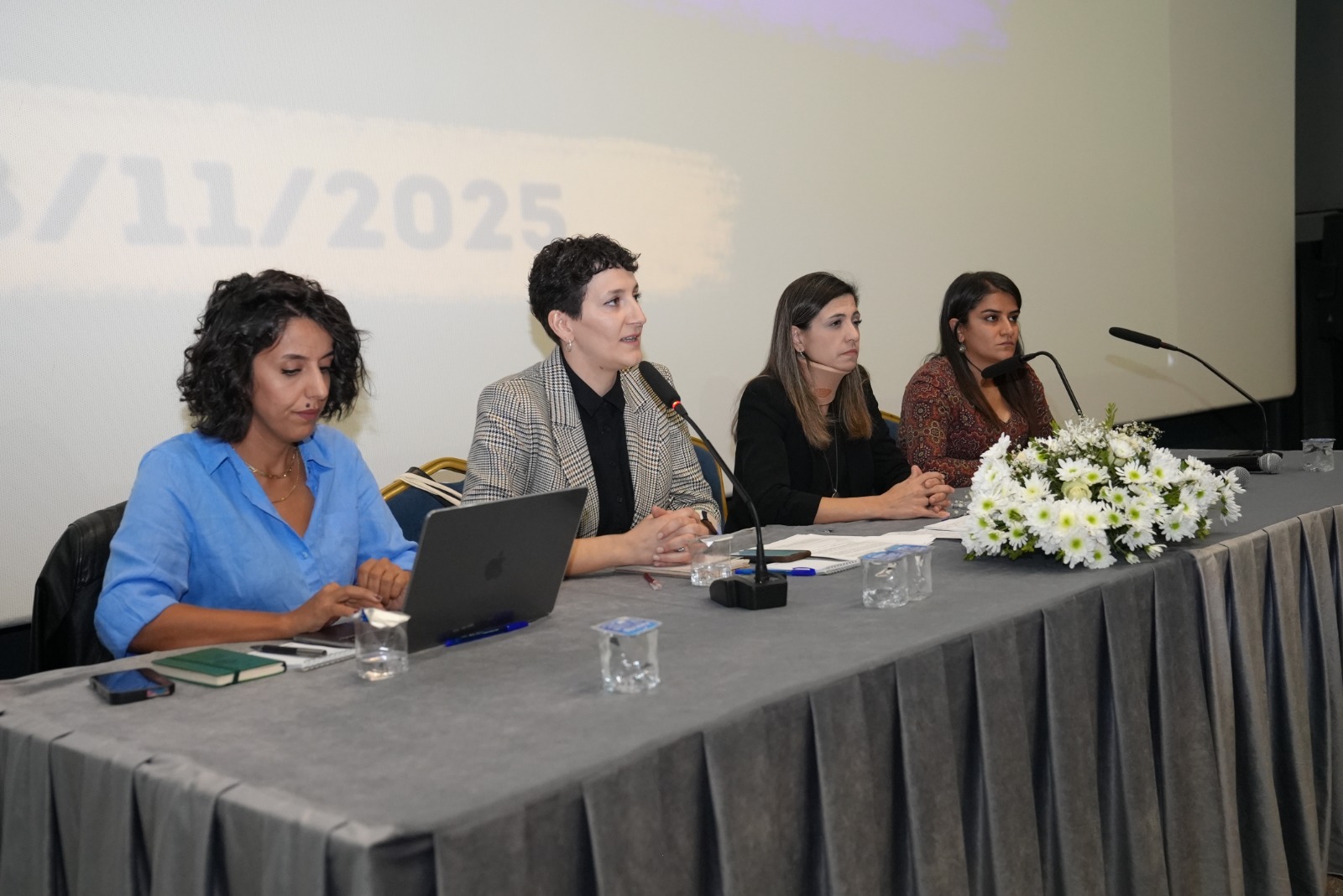
Speaking at the “Towards Women’s Cities” gathering hosted by Diyarbakır Metropolitan Municipality, Co-Mayor Serra Bucak said: “When we talk about women’s cities, we are not only referring to physical spaces and the design of these spaces for women. We are also talking about a form of democracy that is democratic, participatory, based on solidarity and women’s freedom, that brings women together in neighbourhoods, apartment blocks, villages and rural areas, and that seeks to eliminate the hierarchies among them.”
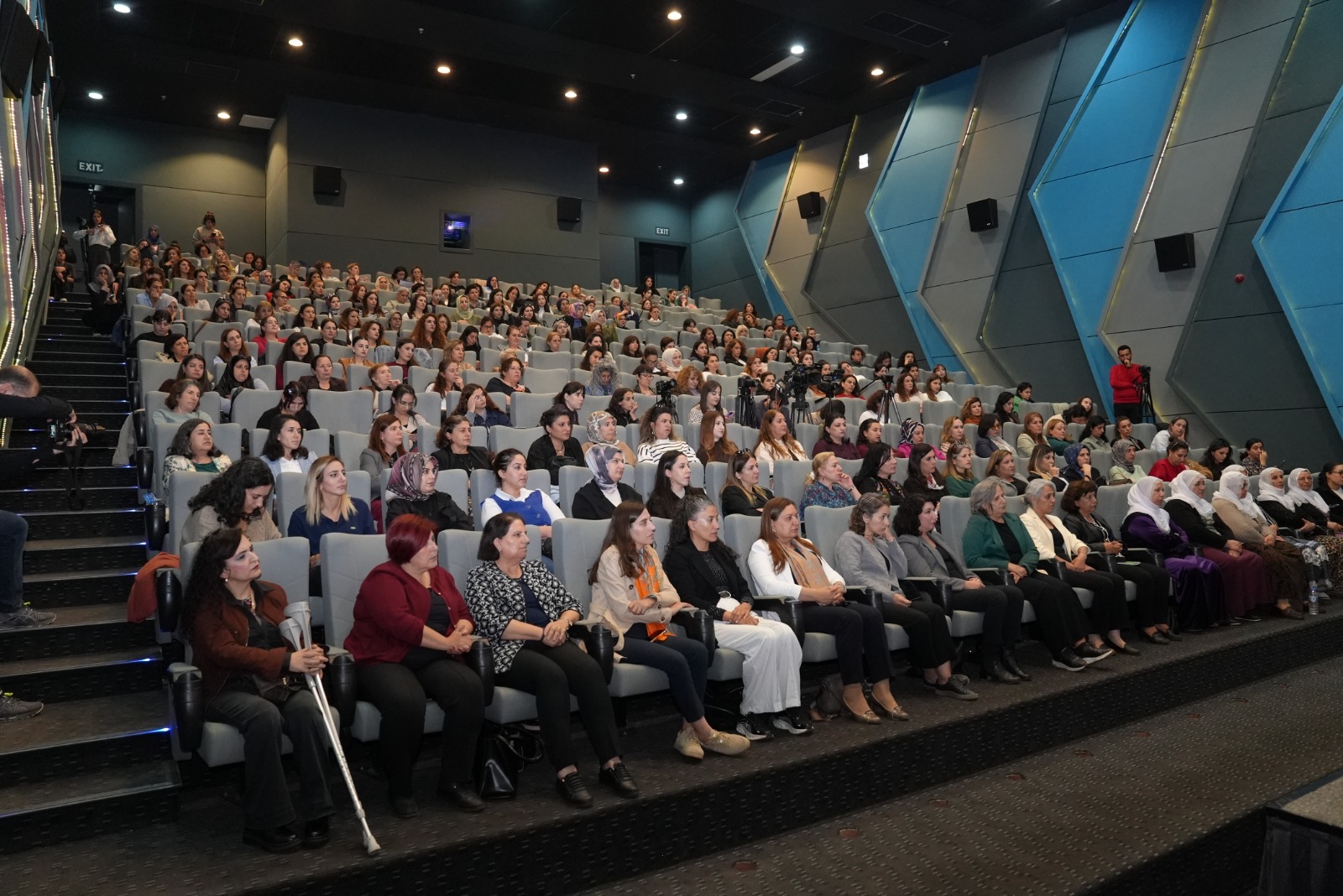
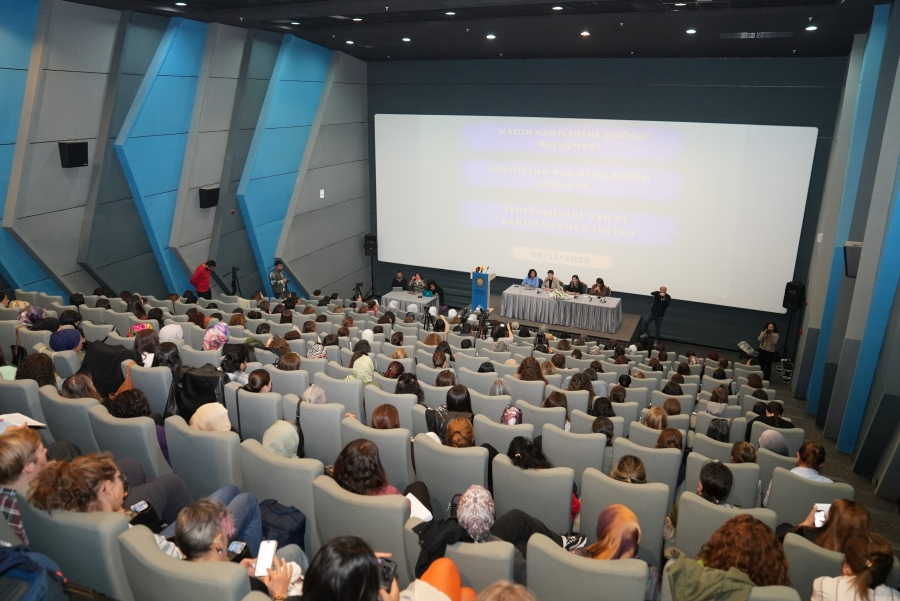
The “Towards Women’s Cities” meeting was organised at the Çand Amed Congress and Culture Centre by the Department of Women’s and Family Services and the Diyarbakır Women’s City Preparation Coordination.
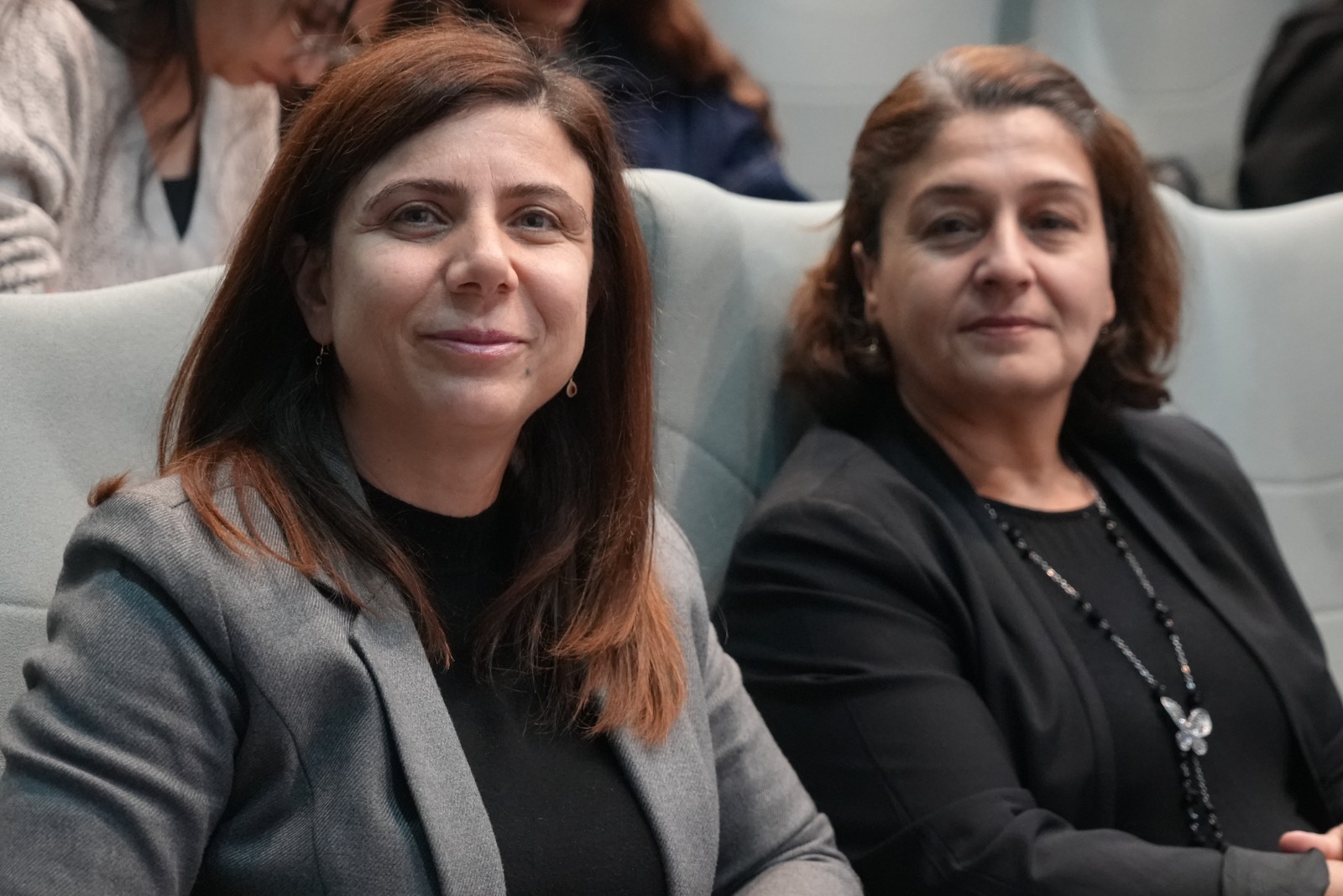
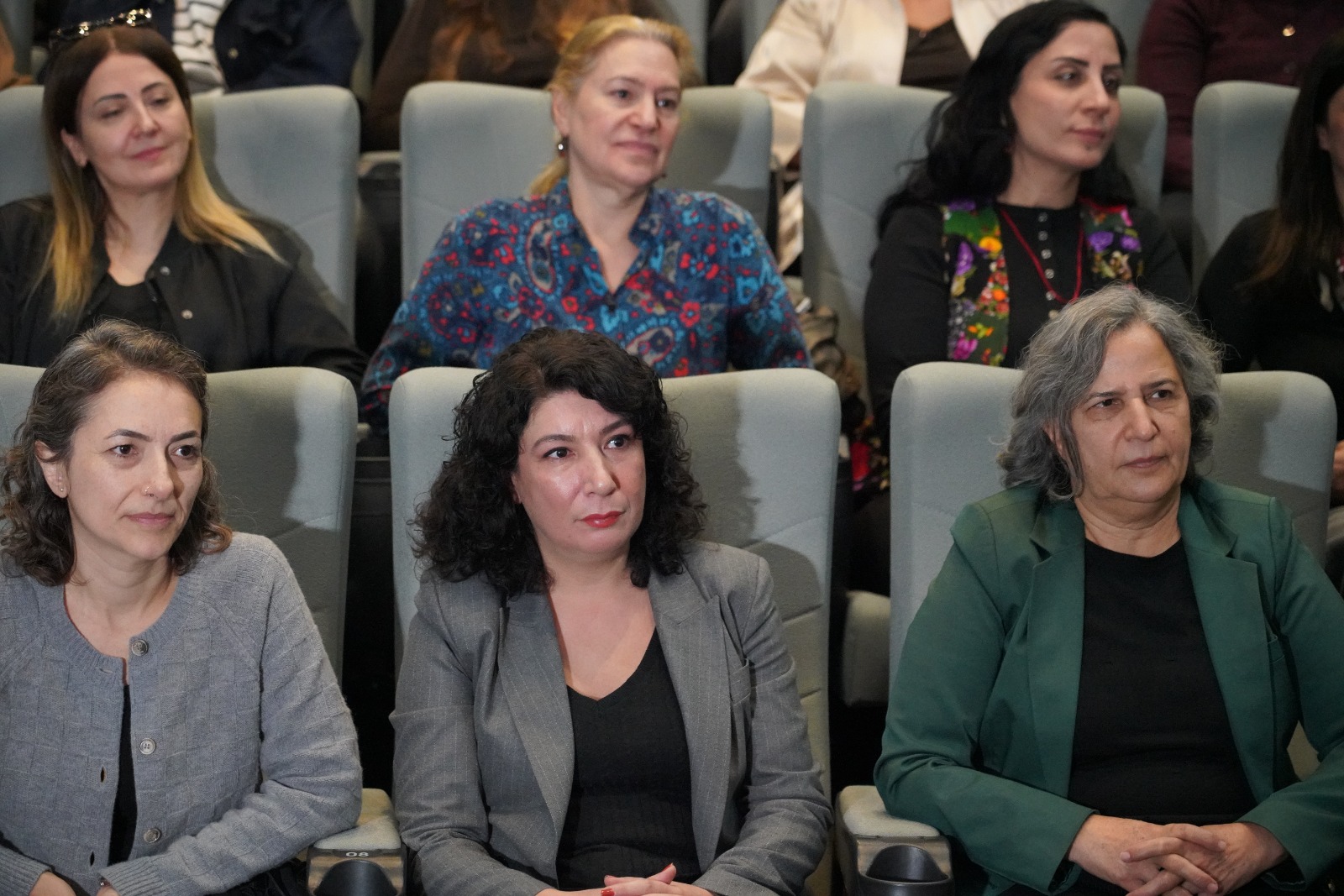
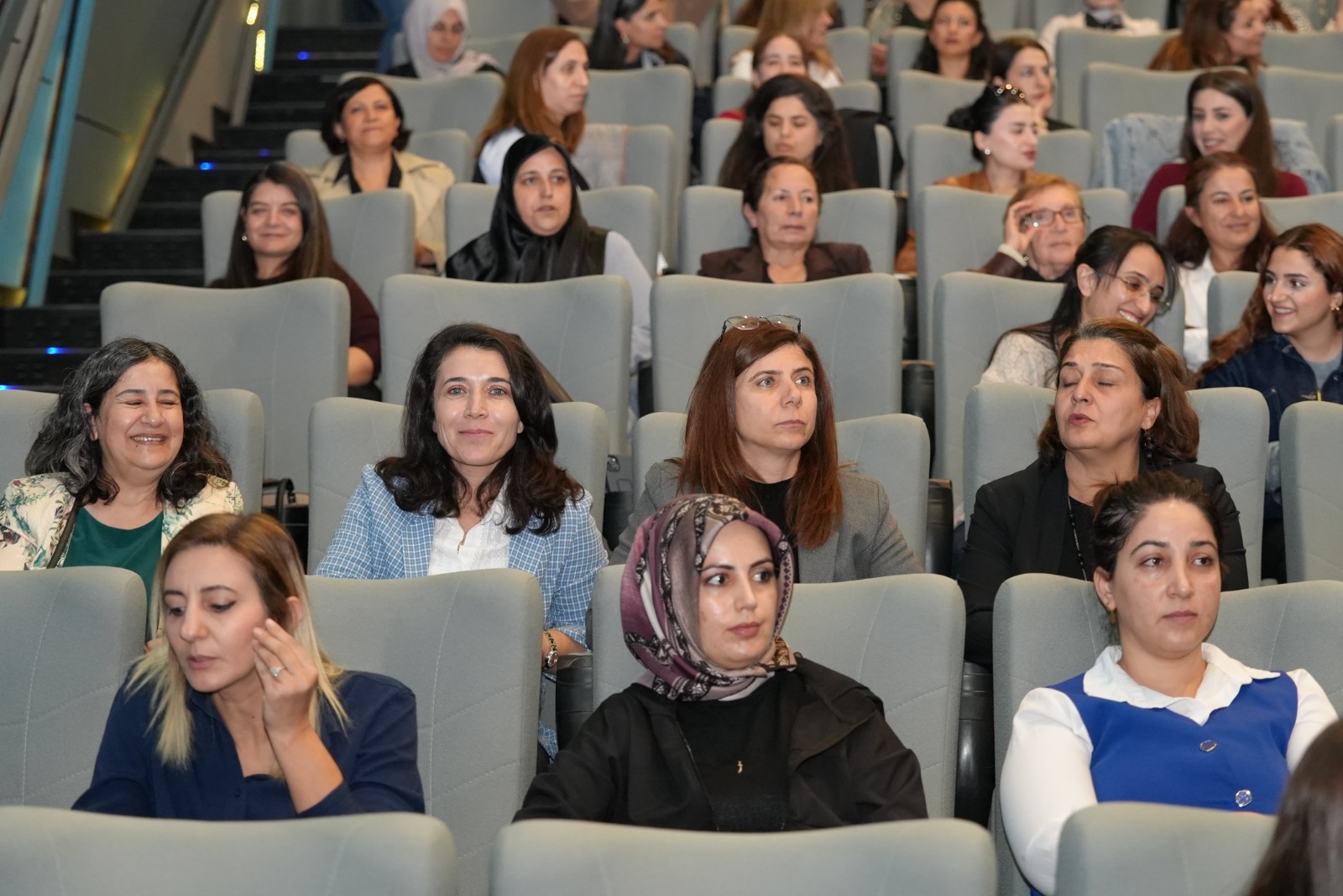
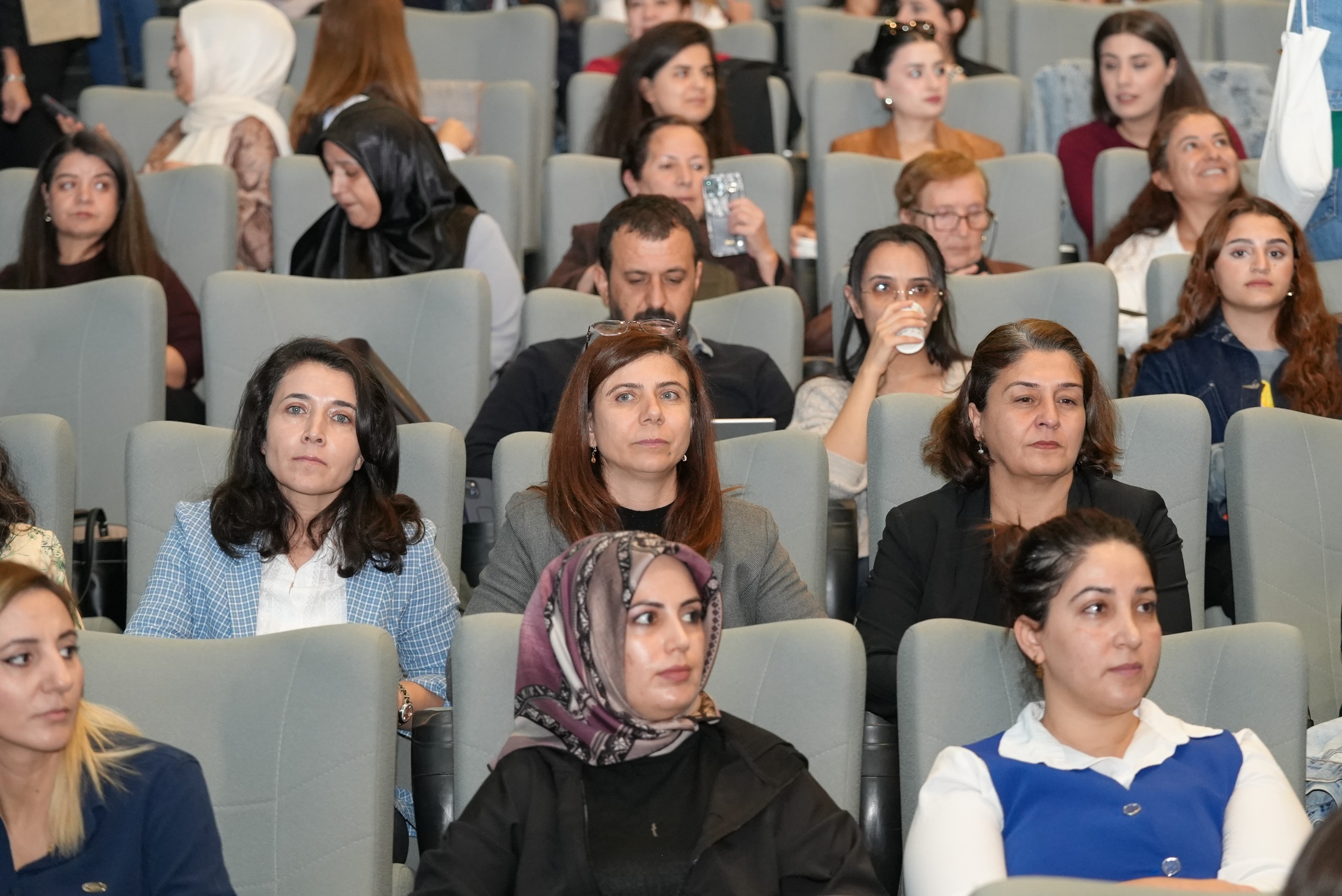
The event, hosted by the Metropolitan Municipality, was attended by Diyarbakır Metropolitan Municipality Co-Mayor Serra Bucak, Democratic Regions Party (DBP) Co-Chair Çiğdem Kılıçgün Uçar, DEM Party Provincial Co-Chair Gülşen Özer, Head of the Women’s and Family Services Department Özden Gürbüz Sümer, district municipality co-mayors, representatives of professional chambers and non-governmental organisations, and a large number of women.
‘There are women friends who are carrying this struggle forward’
In her opening speech, Co-Mayor Serra Bucak saluted, first and foremost, the Peace Mothers and all women who have brought the women’s movement to where it is today through an honourable struggle against exploitation and the male-dominated system. Co-Mayor Bucak said: “Of course, the struggle of the Kurdish women’s movement goes back many years, and many of the women who have been the subjects of this struggle and its organisers are not with us here today. Yet there is a continuity; there is a line that continues within the movement itself, and, despite everything, there are our newly organised women friends who are expanding and strengthening this struggle.”
‘The idea of women’s cities has been debated for many years’
Highlighting that women’s voices, experiences and contributions will strengthen solidarity and ideas, Co-Mayor Bucak noted that the idea of “women’s cities” has been debated by local governments for many years and continued as follows:
“The transformations in this regard have developed through the efforts of all our friends here in this hall, and of those who may not be with us today but who have been part of and organisers of this approach. When we, in local government, speak of women’s cities, we are not only talking about spaces and the arrangement of these spaces for women. We are also expressing a form of democracy that is democratic, participatory, based on solidarity and on women’s freedom, that brings women together in neighbourhoods, apartment blocks, villages and rural areas, and that seeks to eliminate the hierarchies among them. As we wage this struggle and set in motion today our approach towards women’s cities, we will of course also discuss women’s relationship with public space.”
‘We have an important history of how to build women’s cities’
Emphasising that exploitation and the male-dominated order are once again trying to isolate women and confine them to their homes, Co-Mayor Bucak said:
“This is something we have, of course, been talking about for many years. Women already have many spaces in our cities, and there is an important history from the perspective of our local governments. Starting with our three women councillors in Hilvan in 1979, continuing with our three women mayors in 1999, and then expanding with a 40 per cent women’s quota, and, since 2014, with the co-mayorship system, we stand in a place that constitutes, politically, socially and in terms of local governance, a paradigm for how we can build women’s cities. A heavy price has been paid for this. Our elected women representatives have been put on trial, they have been prosecuted because of the co-mayorship system; it has not been easy to reach this point. The sacrifices that have been made and the efforts that have been undertaken need to be revisited and consolidated more strongly.”
Following the Co-Mayor’s speech, the meeting continued in a closed session.
The project in question, established to create a common political ground against women’s exclusion from public life, impoverishment, the burden of care and violence, aims to reconceptualise the city on a women’s freedom-centred axis and to bring women’s voices, labour and knowledge into local government.
Participants at the meeting will develop concrete proposals under four headings: women’s right to freedom and safety in the city; women’s labour and the care economy; democratic participation and representation; and memory and peace policies.
At the end of the meeting, a final declaration will be issued.