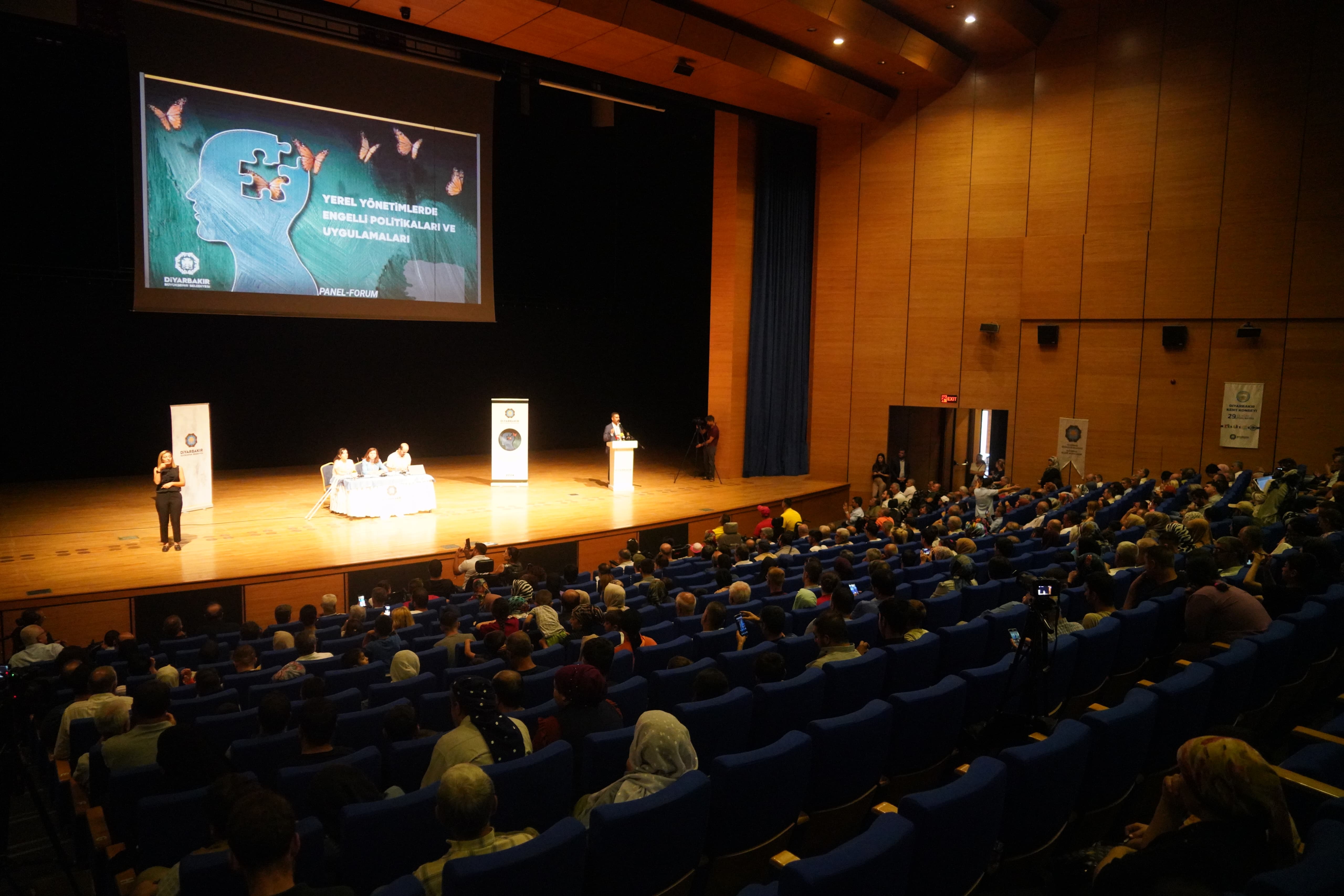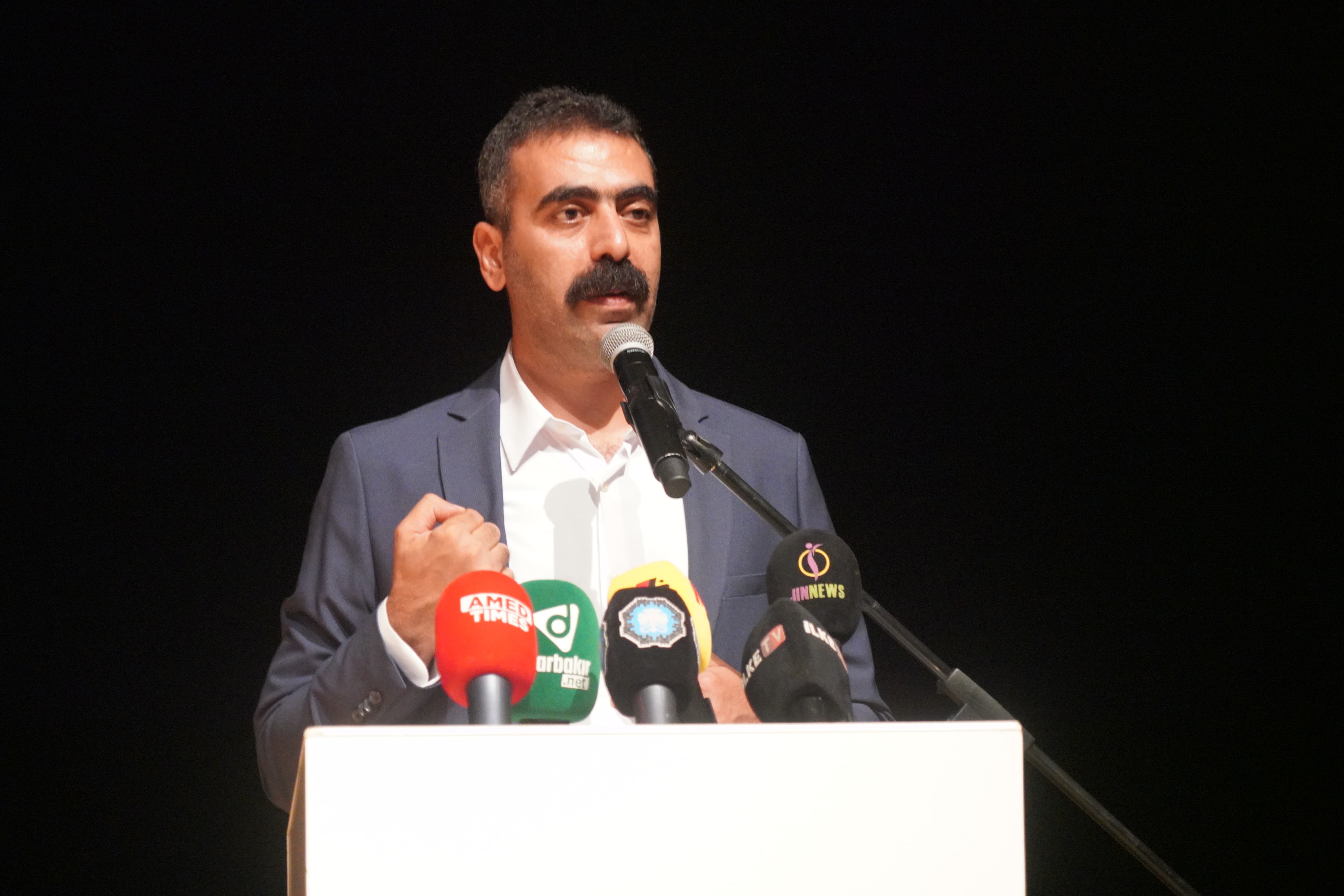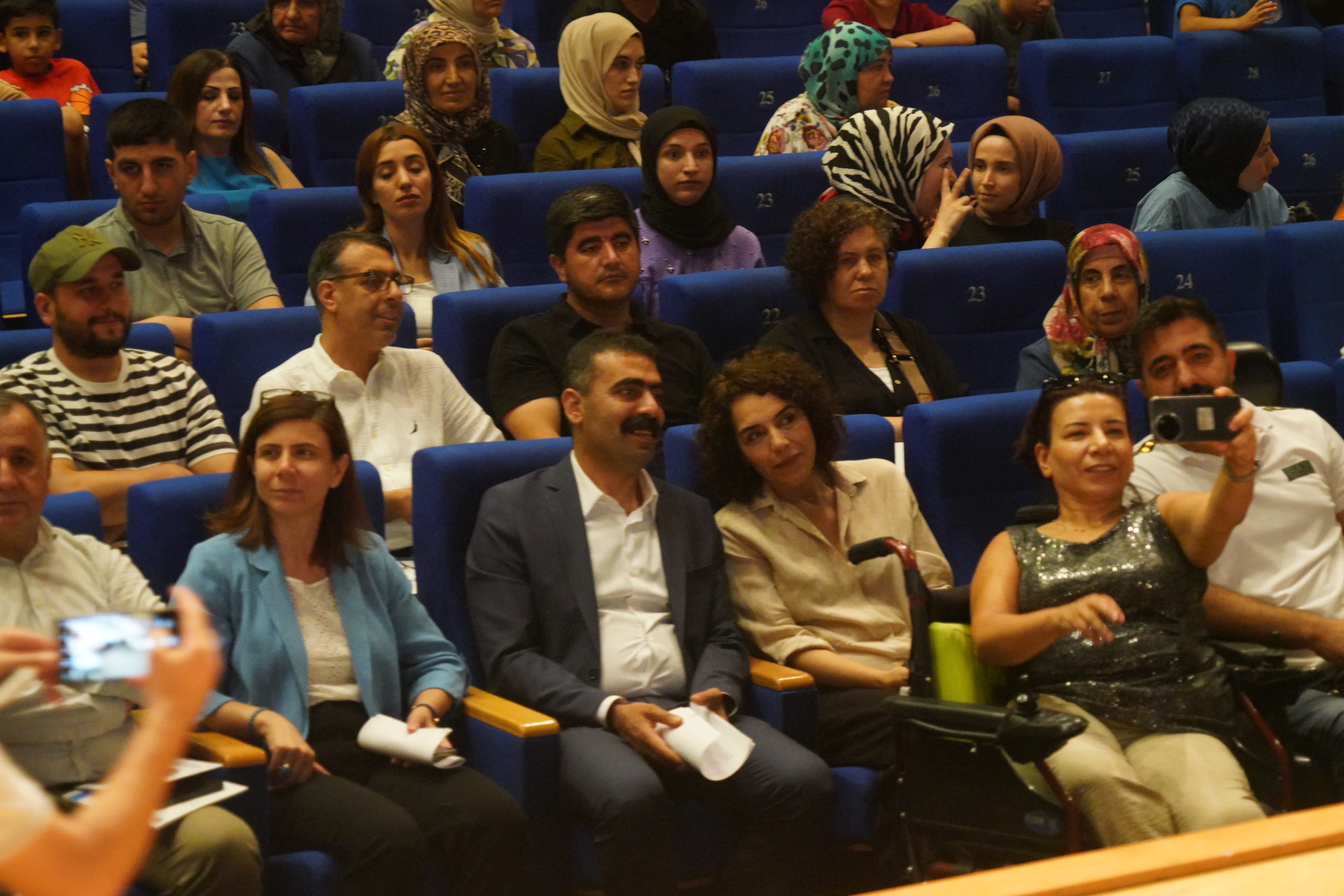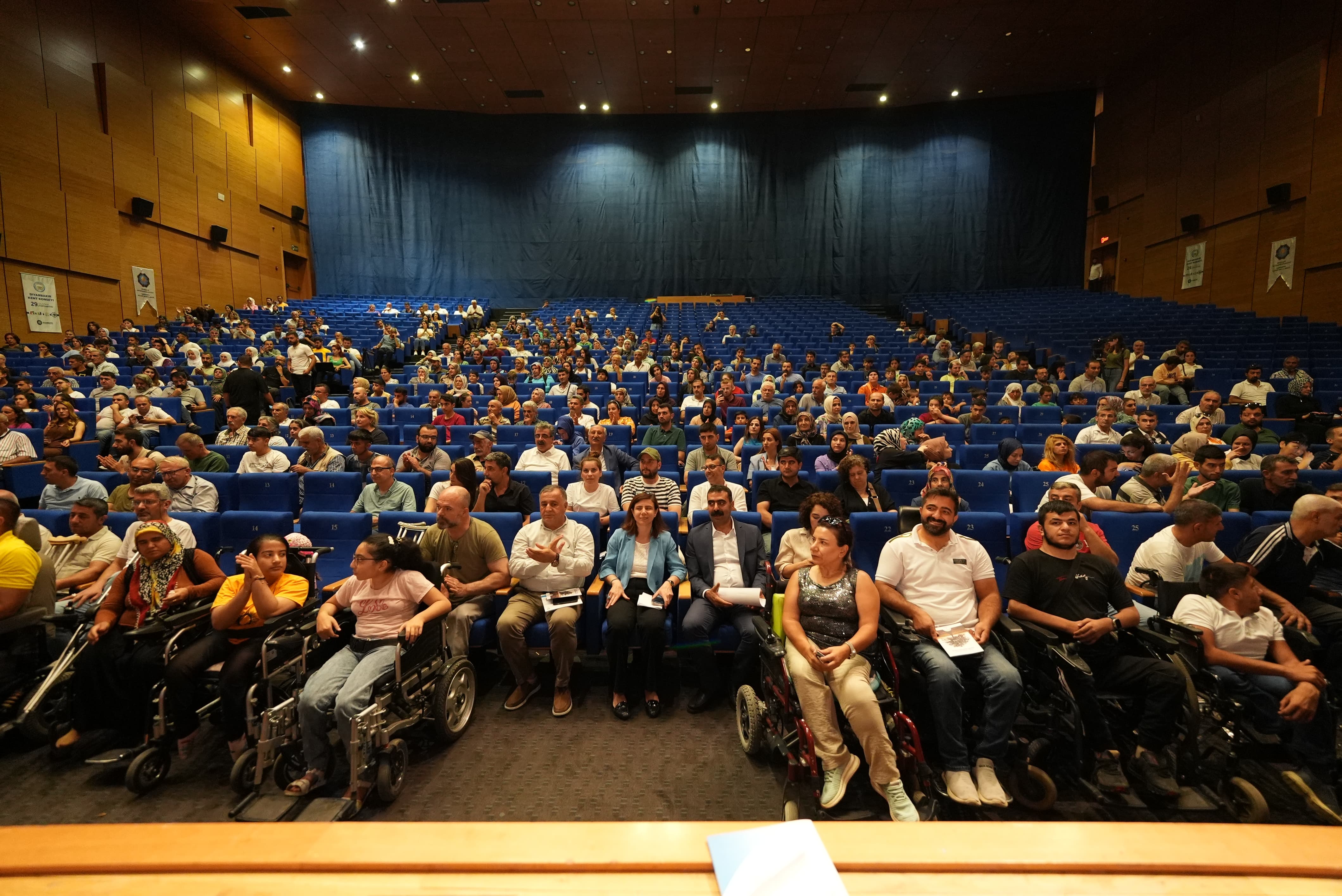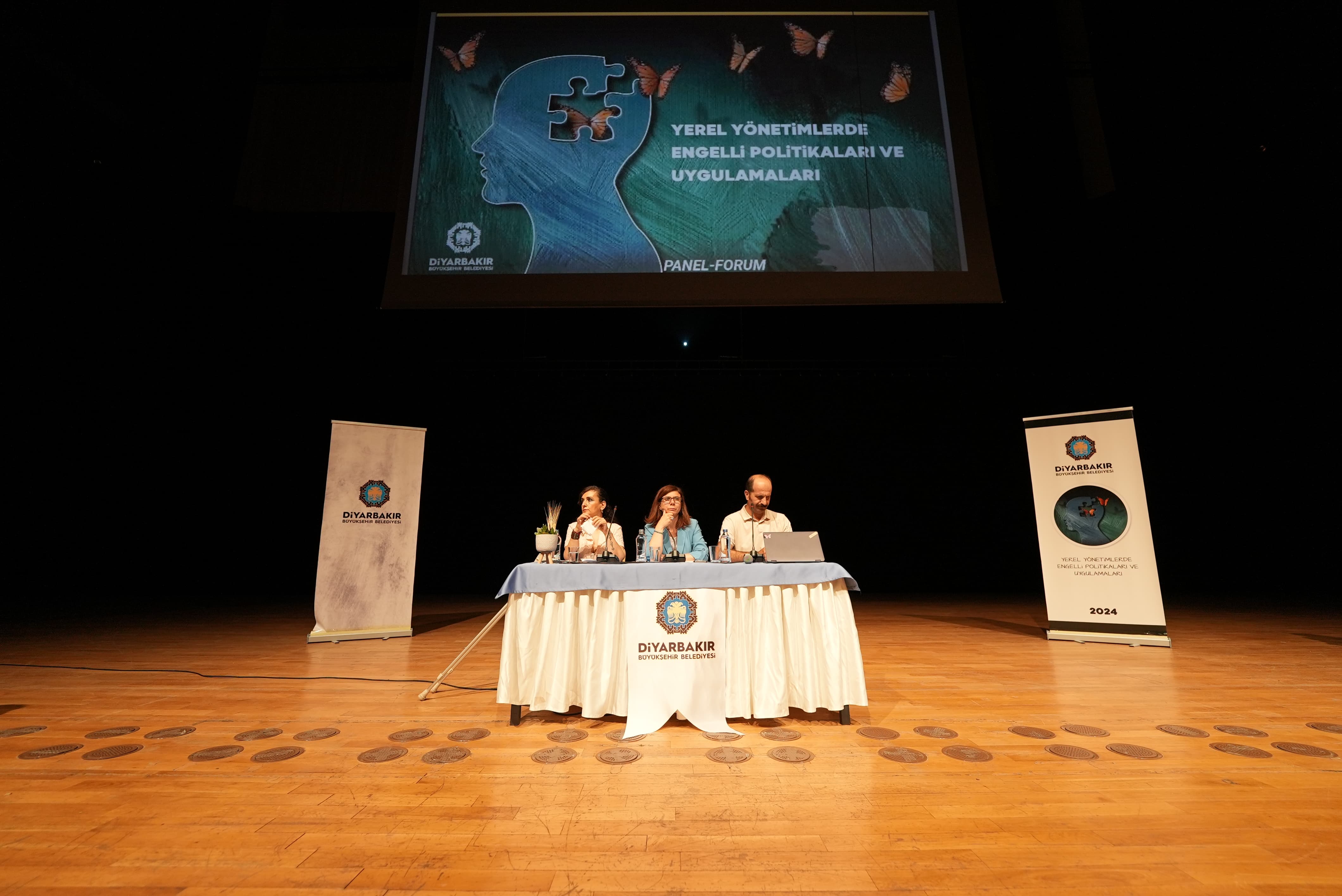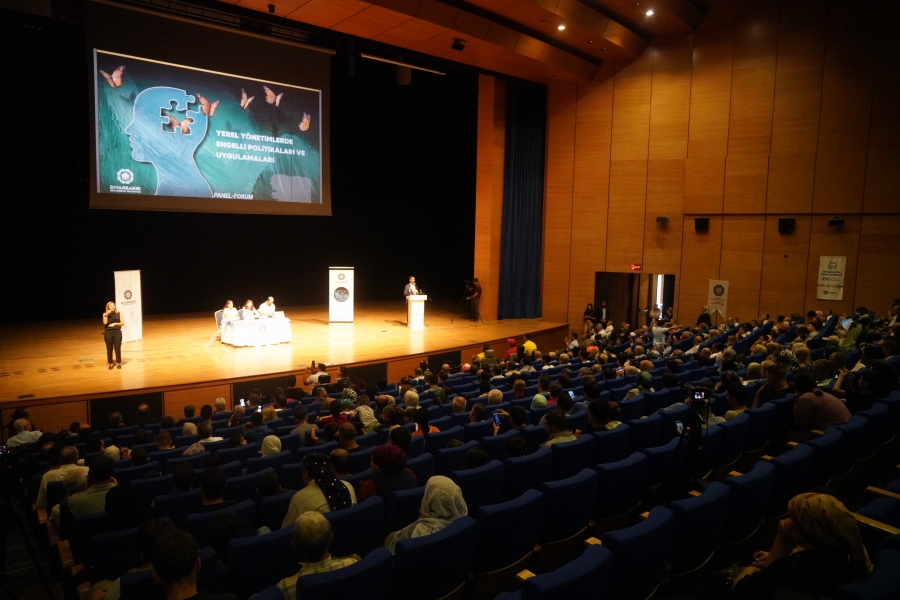
Co-Mayor of Diyarbakır Metropolitan Municipality, Serra Bucak, stated that they want to make Diyarbakır a pilot city in terms of the rights of persons with disabilities and the fulfilment of their aspirations, while Co-Mayor Hatun said: “The situation of persons with disabilities must be taken into account in every aspect of life, and urban planning should be carried out accordingly.”
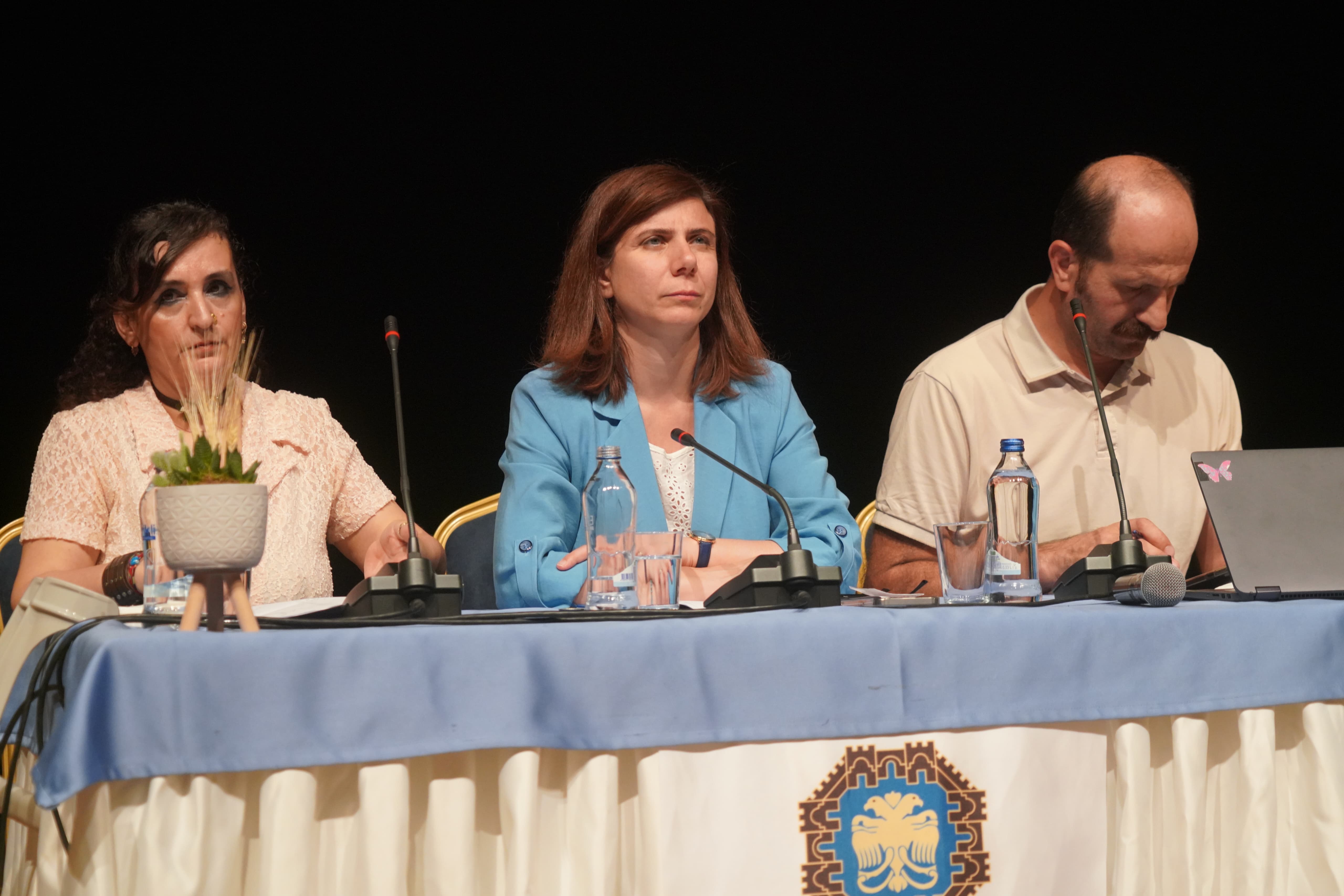
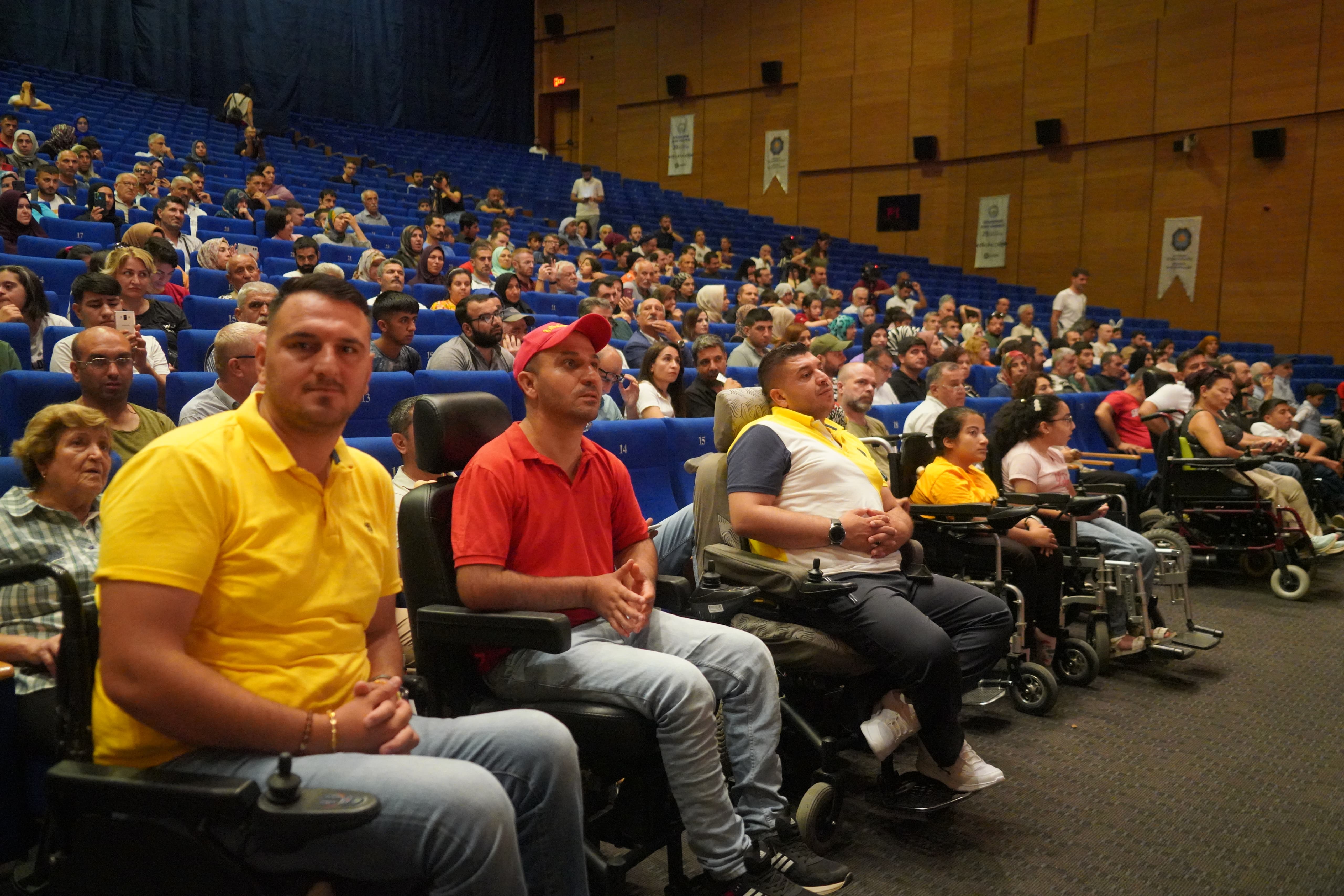
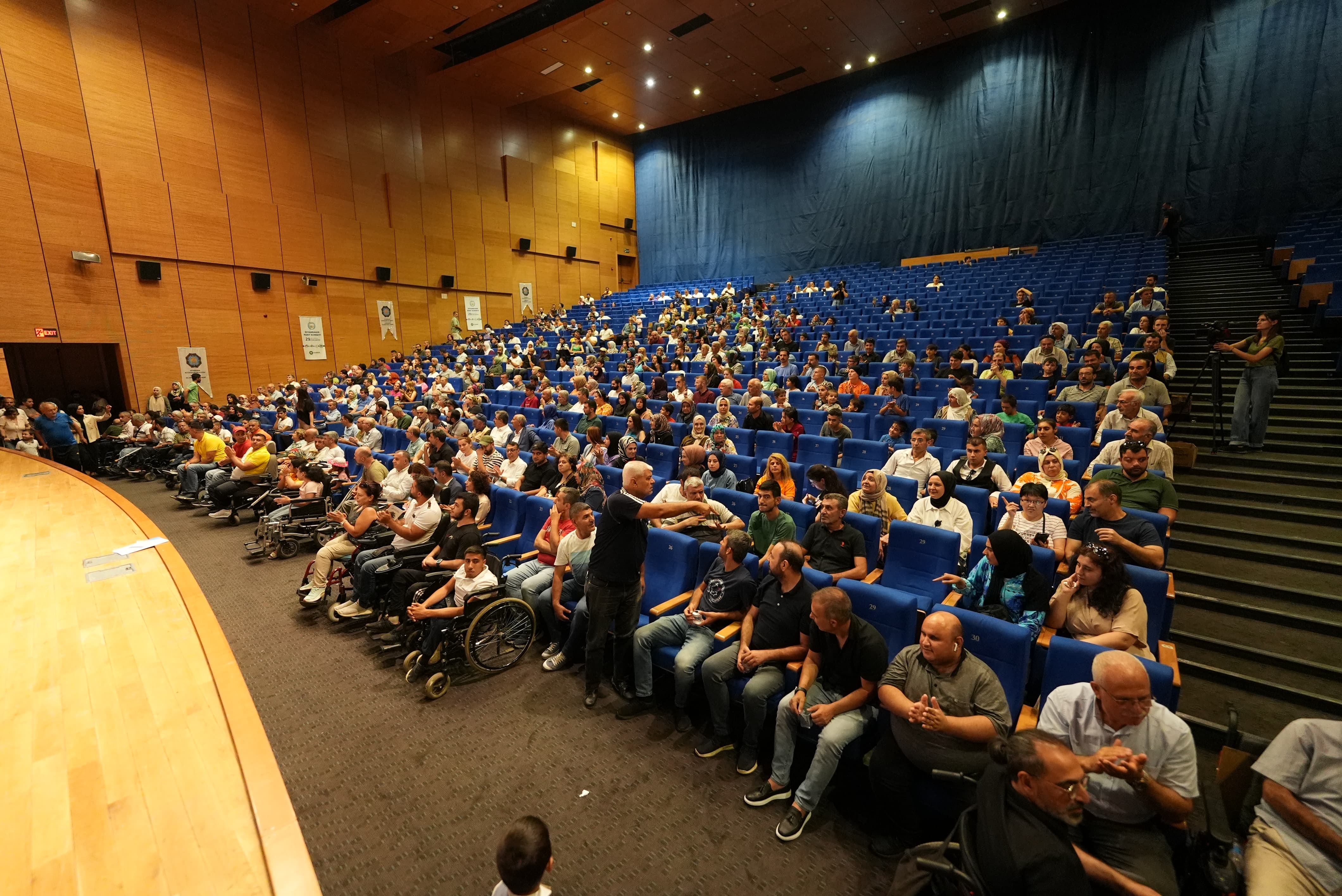
The panel titled ‘Disability Policies and Practices in Local Governments’ was organised by the Disability Services Unit of the Adult Social Care Department at the Culture and Congress Centre. The panel, which featured speakers including Co-Mayors Serra Bucak and Doğan Hatun of Diyarbakır Metropolitan Municipality, Hatice Betül Çelebi, Co-Spokesperson of the People's Equality and Democracy Party (DEM Party) Disability Commission, academic Fırat Keser, and employment expert Sinan Ok, was attended by district co-mayors, Emrullah Gördük, Deputy Chief Executive of the Metropolitan Municipality, Mardin Metropolitan Municipality Chief Executive Raci Bilici, Deputy Chief Executive Zerrin Türk and Özgür Yıldız, council members, department heads, disability associations, civil society organisations, and professional association managers, as well as people with disabilities.
Co-Mayor Hatun: City planning must take into account the situation of persons with disabilities
At the panel, Co-Mayor Hatun explained that they are preparing a Five-Year Strategic Plan and meeting with institutions and citizens to address the city’s problems. “We consult with them, identify the problems one by one and seek solutions together. We believe this search for solutions will pave the way for peace, freedom and democracy in our city. Every section of society must be equal in life. Yet, especially in city life, persons with disabilities face increasing obstacles. This must be resolved. For many years, our local administrations had a Commission for Persons with Disabilities which carried out significant work. This commission was very active even before the trustees were appointed, but unfortunately, with the appointment of the trustees, there were significant shortcomings in this area, as in all other areas.The lives of persons with disabilities were effectively confined to their homes. We do not accept such practices. The city is not only for those without disabilities. Cities, neighbourhoods, homes, streets, squares, avenues and pavements must be for everyone, and persons with disabilities must be able to live comfortably within them. Their situation must be considered in every aspect of life, and city planning should be shaped accordingly. Today, from parks to pavements, from architecture to engineering, decisions on urban planning must be made so that we first remove the barriers in our minds. Let us clear these barriers in our thinking, then plan every space accordingly, and together rebuild a life of freedom.”
Co-Mayor Bucak: We held a dedicated workshop on disability.
Speaking at the panel, Co-Mayor Bucak underlined the importance they attach to this work on disability. She stated that while focus meetings were being held for the Five-Year Strategic Plan, the workshop on disability had been kept somewhat distinct from this process. Bucak stressed that the work on disability is regarded not only as services to be seen in the Five-Year Strategic Plan, but as a transformation in mentality, perception and approach. She noted that the definition of disability has been confined to a narrow framework.
‘Local authorities have a responsibility’
Pointing out that cities, parks, streets and public spaces have been structured within this narrow framework, Bucak said:
“Public services are imposed while ignoring persons with disabilities. There is an understanding that confines persons with disabilities to the family, to family care, isolating them and disregarding the suffering families endure because of this responsibility. How can we, in local government, overcome this? These are the issues we must discuss. We live in a region where various forms of discrimination are imposed on us every day. We know that persons with disabilities also suffer from these discriminatory policies of central government. This systematic approach, recognising persons with disabilities as one of the most disadvantaged groups, appears as a way of depriving and excluding them from social policies and cultural structures. The crises we experience in this region make everyone vulnerable. In a place where lives are made more difficult, obstructed and deprived, it is correct to say that persons with disabilities are the group most affected. This is a structural neglect. Local authorities must confront this neglect. As Diyarbakır Metropolitan Municipality, we advocate an equalising policy. In this respect, while central government carries responsibilities, local authorities bear even greater duties and obligations.”
‘The staffing quota has been lifted’
Bucak stated that they want Diyarbakır to become a model city that will open the way for persons with disabilities to be active individuals, and continued:
“We want Amed to be a pilot region. We want this pioneering city to be an example for every city in Turkey. As you know, we have taken a step towards establishing the Department for Persons with Disabilities. We have started work to ensure that it is substantively developed in terms of social policies. Last week, a standard staffing position was opened by the Ministry, which is good and positive news. The staffing quota to establishing the Department for Persons with Disabilities has now been lifted. We attach importance to ensuring that our colleagues to be appointed to this department are persons with disabilities themselves. We will carry out awareness-raising work among our own staff. We will set out a plan that aims at change in society. We will also conduct a study to identify the disabled population in the city. In this way, we will obtain reliable data.”
‘We want to walk this path with you’
Drawing attention to the problems experienced by persons with disabilities in public transport, Bucak said that they would make no concessions on this matter and that inspections would continue. Bucak stated:
“From the moment a person is born or acquires a disability, we are responsible for ensuring that they can live independently and for safeguarding this right. We are aware that the greatest responsibility for making this a reality lies with us, and we are determined to achieve it. We want to grow with you, to walk this path with you, and to make Amed a pilot city in terms of the rights of persons with disabilities and the realisation of their aspirations.”
Çelebi: Persons with disabilities are part of society’s diversity
Hatice Betül Çelebi, Co-Spokesperson of the DEM Party Disability Commission, stated that persons with disabilities are part of society’s diversity, and said:
“We are here to break the clichés they try to make us believe about disability. Persons with disabilities are equal citizens of this society and, like everyone else, have the right to participate in it. The issue of disability is a matter of the right to life. You do not need to be a candidate for disability yourself in order to defend the rights of persons with disabilities.”
Academic Fırat Keser also gave a presentation on “Policies and Practices for Persons with Disabilities in Local Governments: Examples from EU countries and Turkey.”
The panel, which also included a speech by employment specialist Sinan Ok, concluded with a question-and-answer session.