On the fifth day of the Amed International Theatre Festival, artists from regions affected by war underlined that theatre is more than a form of expression: it is also a space of memory and resistance.
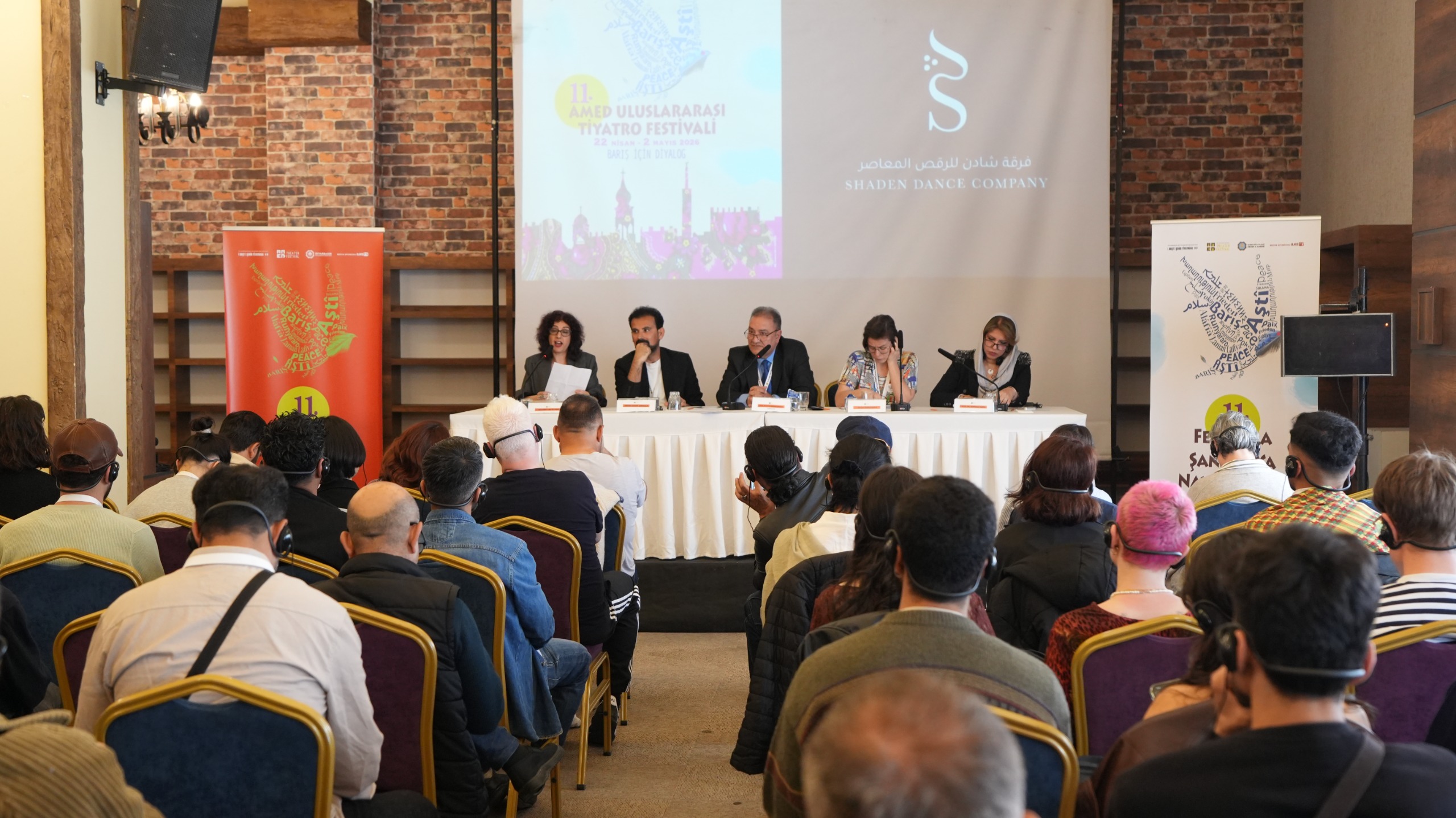
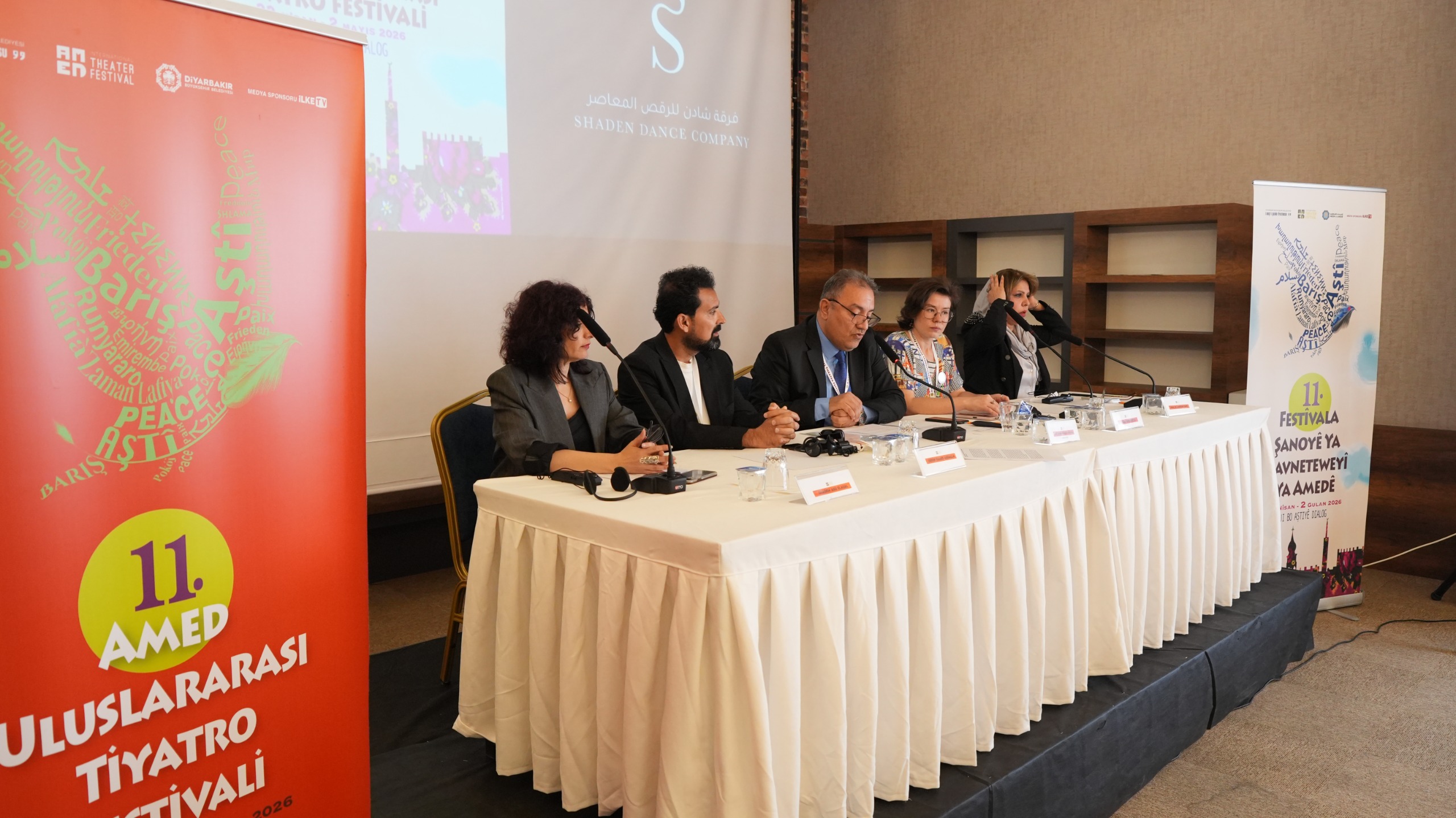
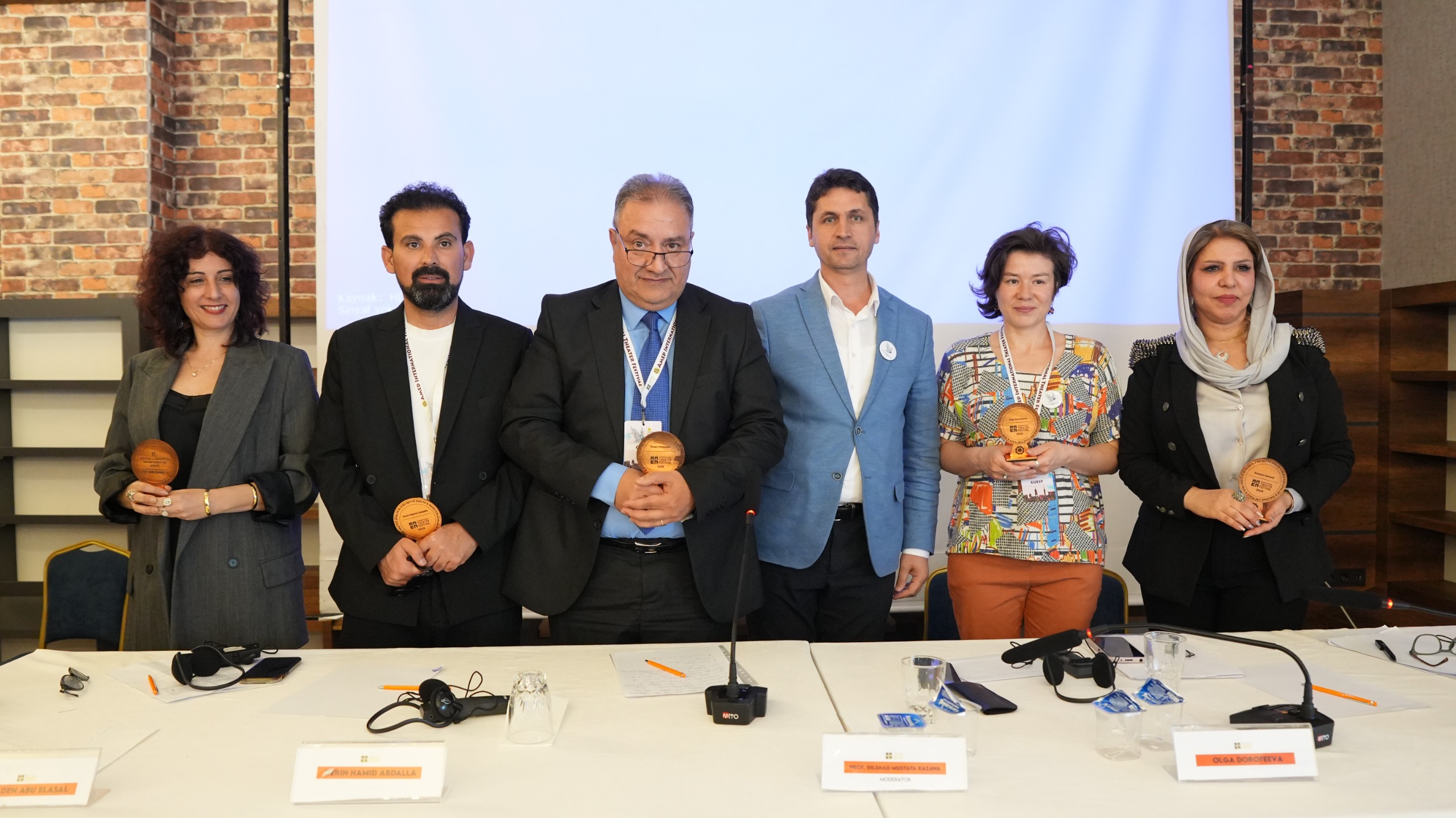
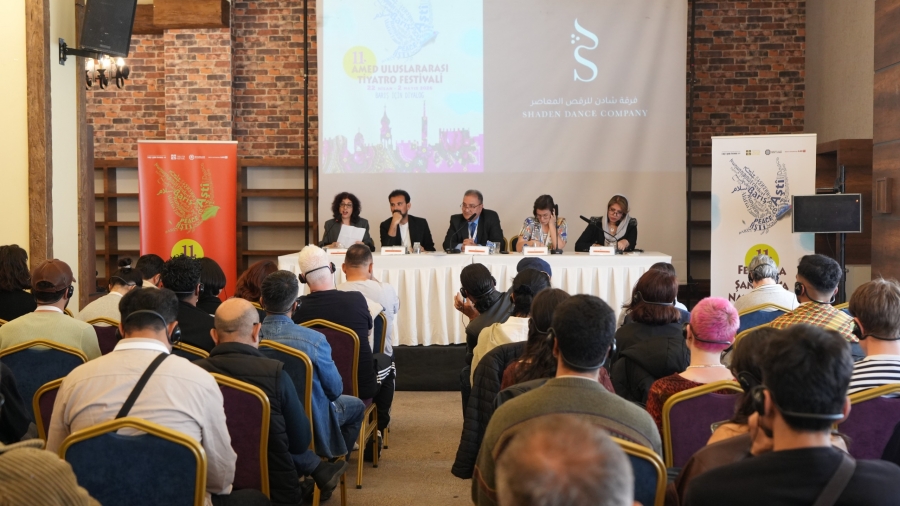
The Amed International Theatre Festival continued on its fifth day with panels and theatre performances. At the panel titled “Making Theatre in Times of War”, moderated by Prof. Dr Dilshad Mustafa Razawa from Sulaymaniyah, Olga Dorofeeva from Ukraine, Shadan Abu Elasal from Palestine, Derin Hamid Abdalla from Halabja and Prof. Dr Muntaha Tariq from Mustansiriyah University shared their experiences of creating art amid war.
Theatre in times of war
Palestinian artist Shadan Abu Elasal said the trauma that has continued since 1948 has been passed down through generations, stressing that this memory is not only historical but also a bodily reality. Elasal said: “The body is the living witness of this memory. For us, art is not only an aesthetic field, but also a form of defence. It reminds us that we are human.” Elasal added that they bring this approach to the stage through Shaden Dance Company.
Ukrainian theatre-maker Olga Dorofeeva said Kharkiv Puppet Theatre had continued producing work even under wartime conditions. Dorofeeva noted that they staged performances in metro stations in order to maintain their connection with audiences, adding that they sought to convey the impact of war on society through art.
A testimony from Sudan
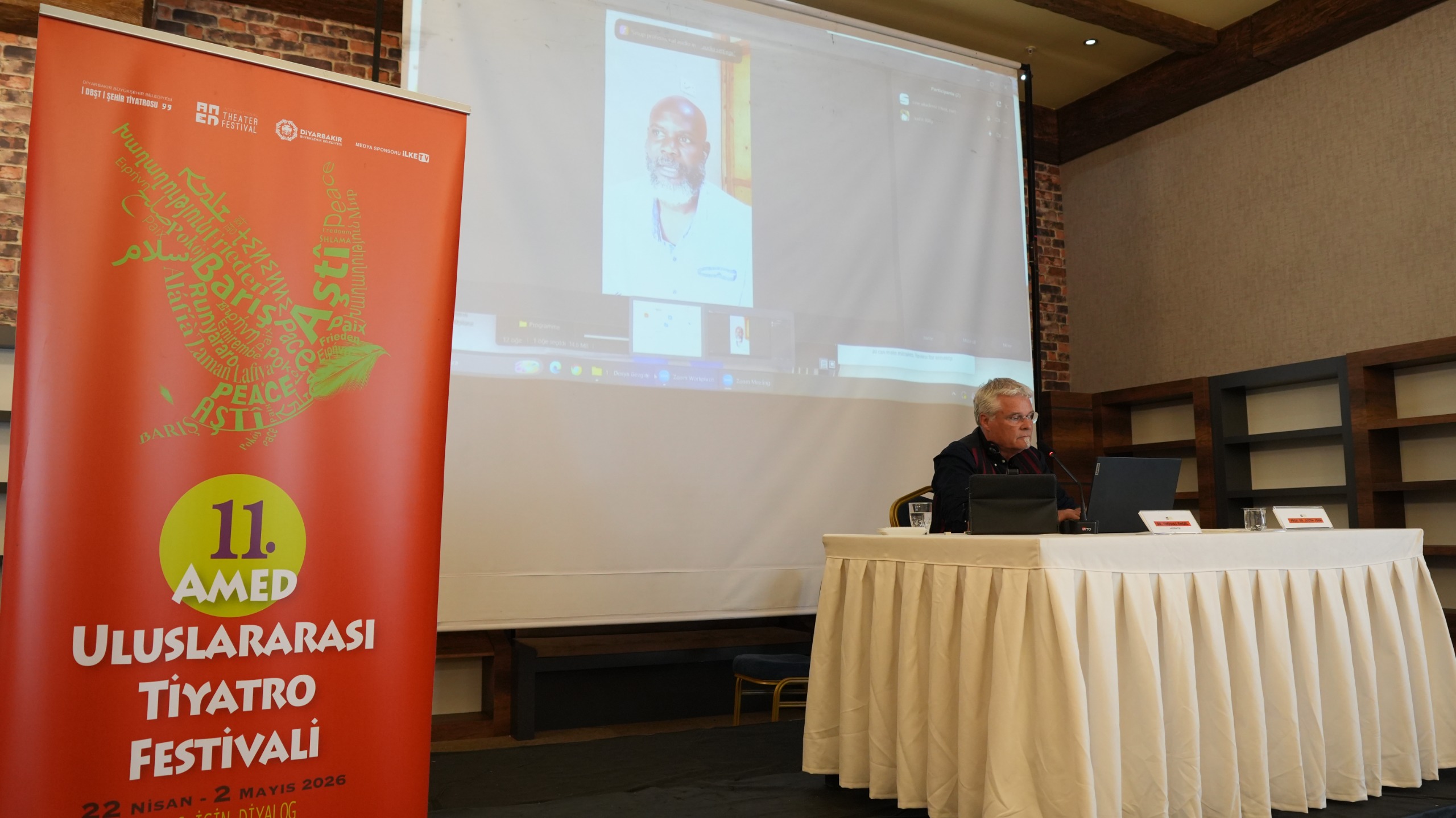
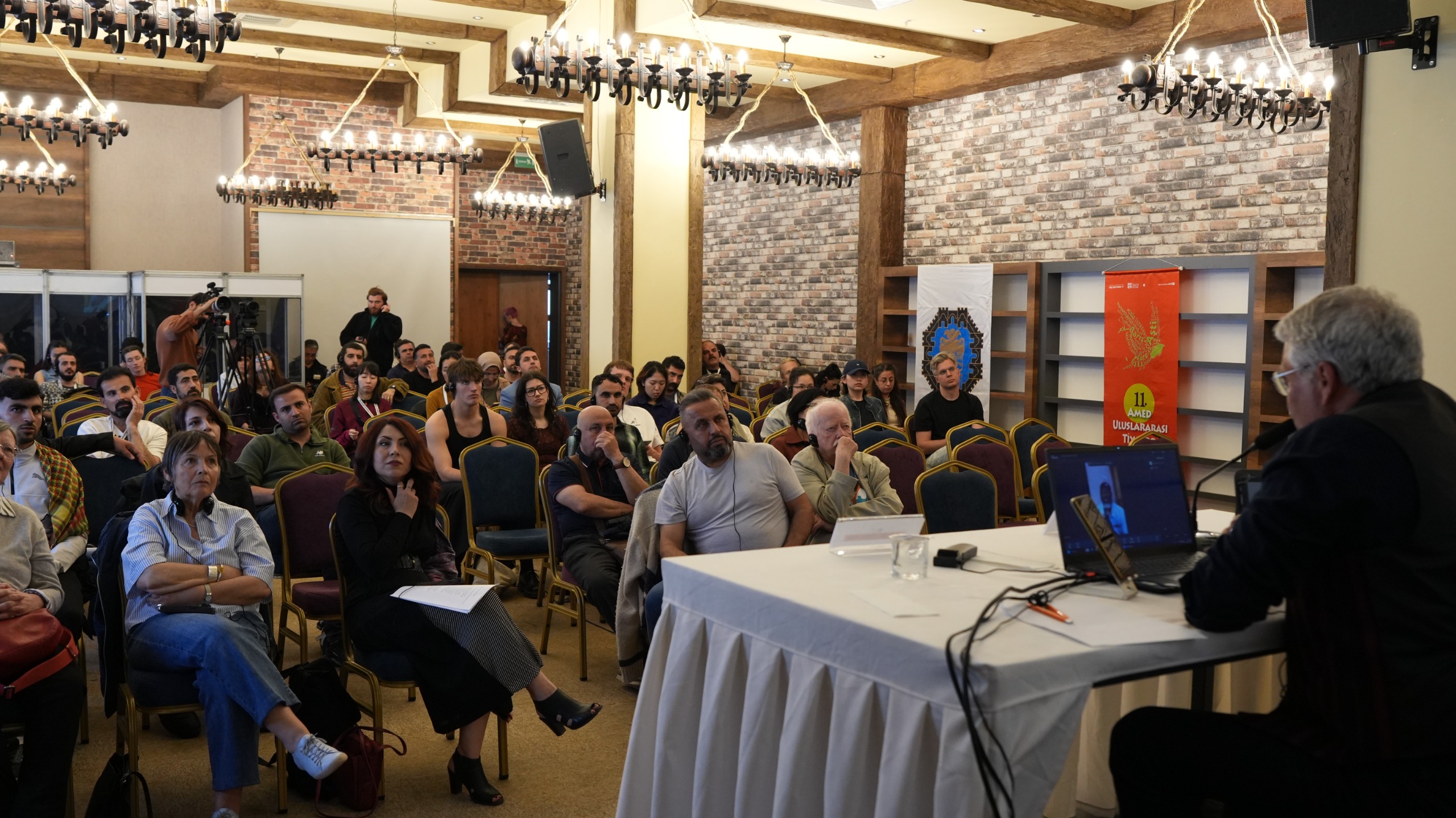
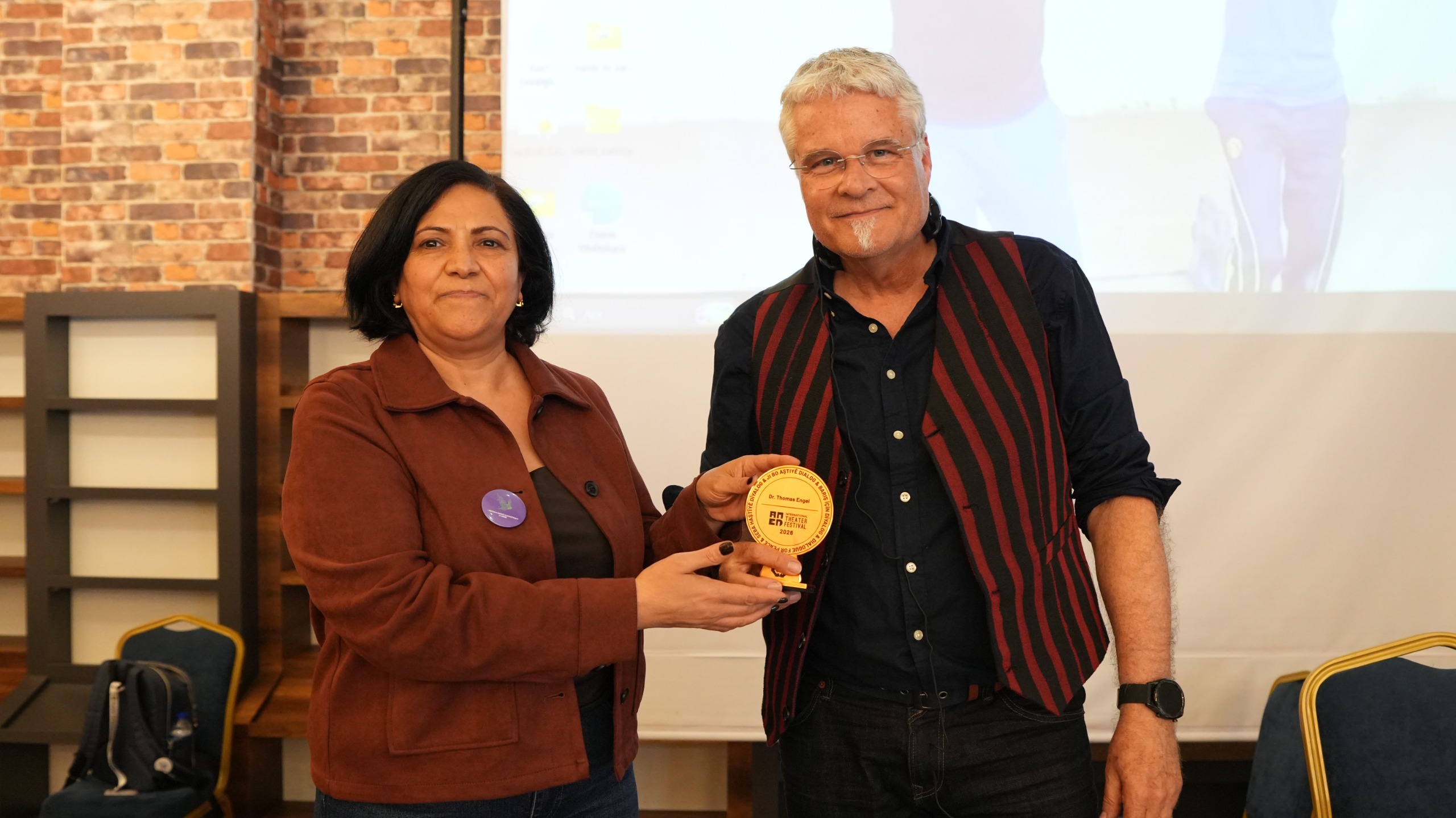
The second panel of the day focused on “Sudan: Theatre in a Burning Region”. Prof. Dr Justin John, who joined the panel online, said that with the outbreak of war in Sudan, people were displaced and life had virtually come to a standstill. The panel was moderated by dramaturg Dr Thomas Engel.
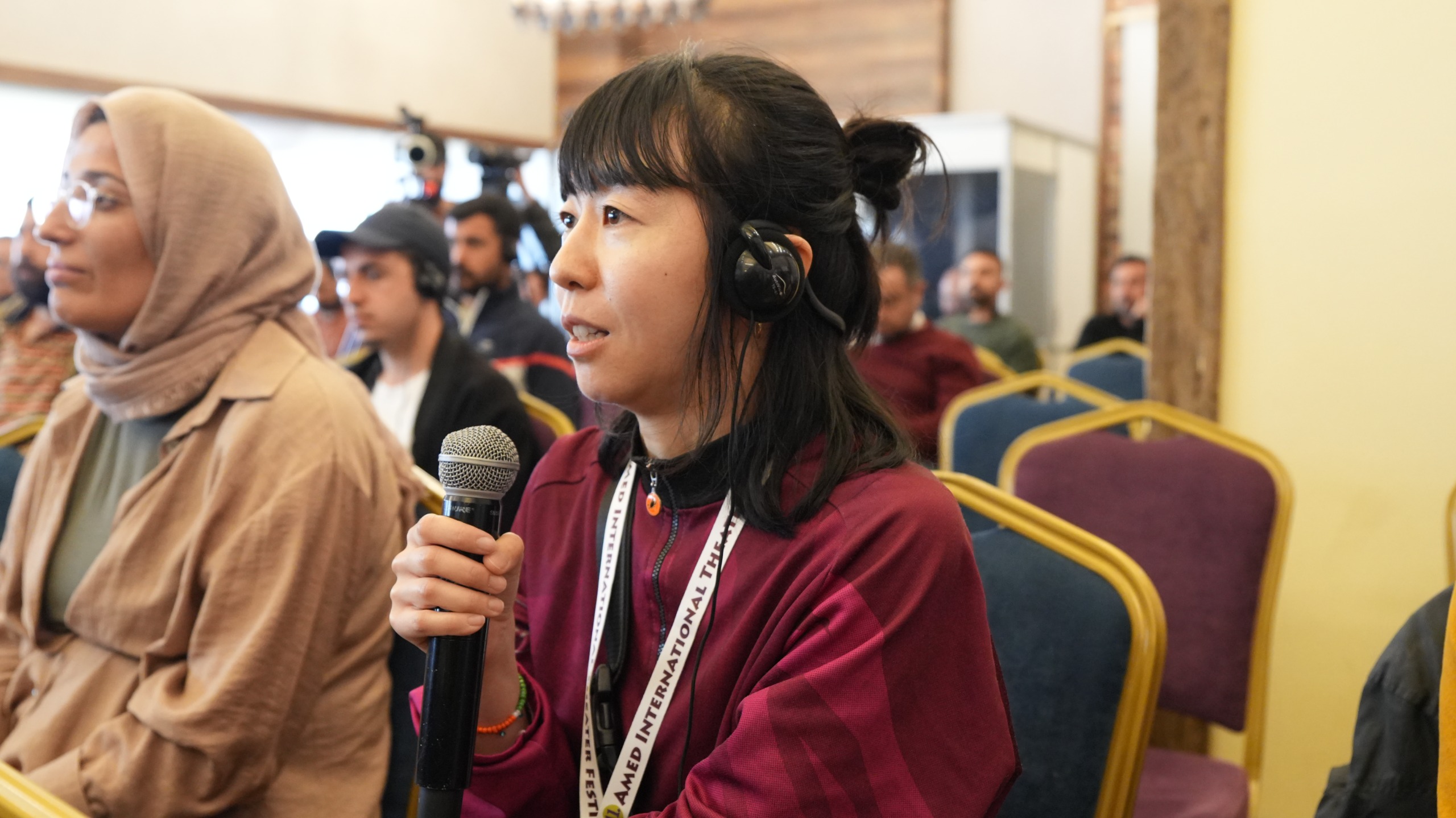
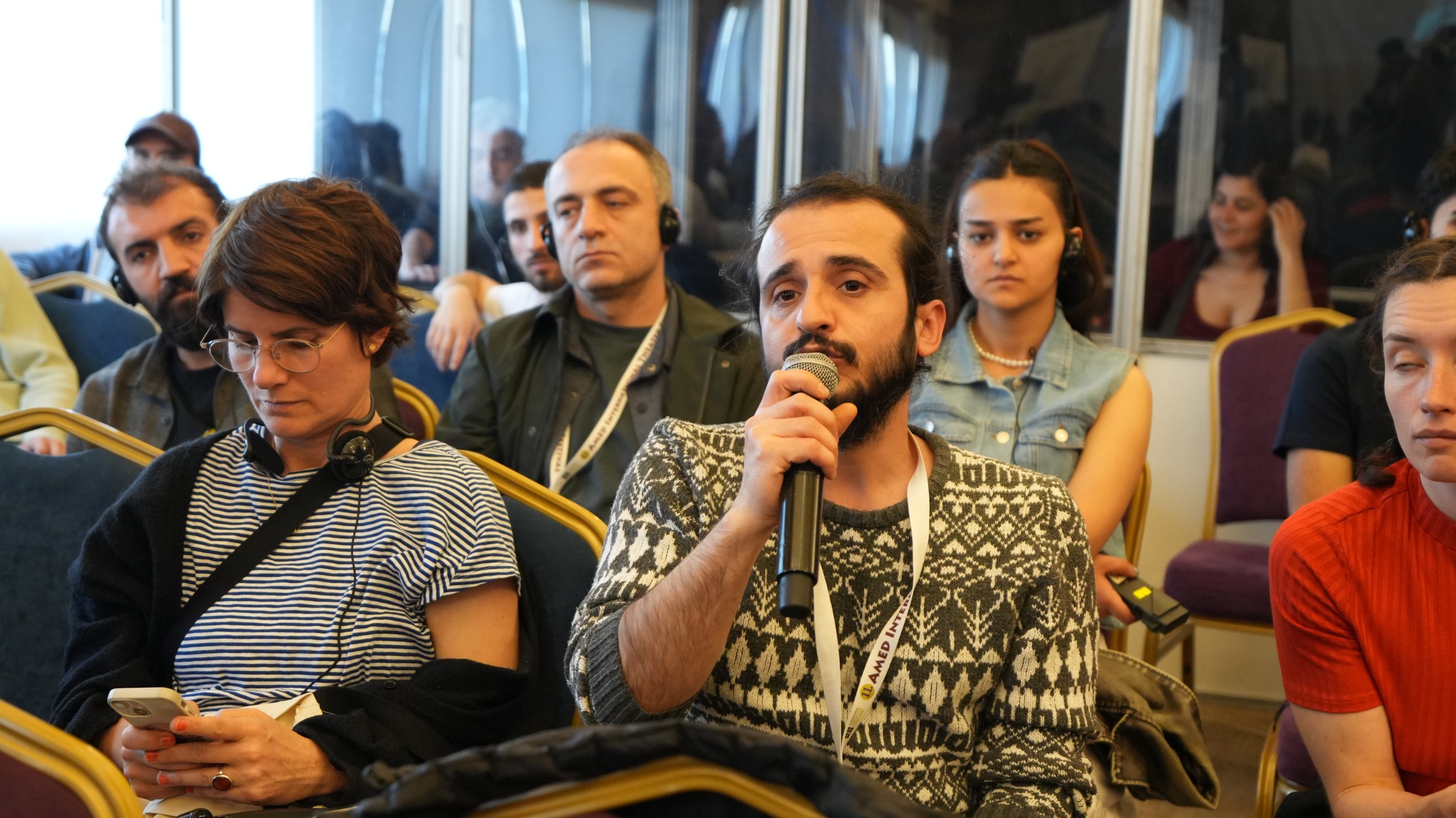
John stated that theatre in South Sudan had emerged under these conditions in the 1980s, saying: “Theatre is a dynamic space shaped by people’s memories and lived experiences. The audience sees its own past on stage. This process creates collective memory.” The panel concluded with a question-and-answer session.
The Man Outside staged at the festival
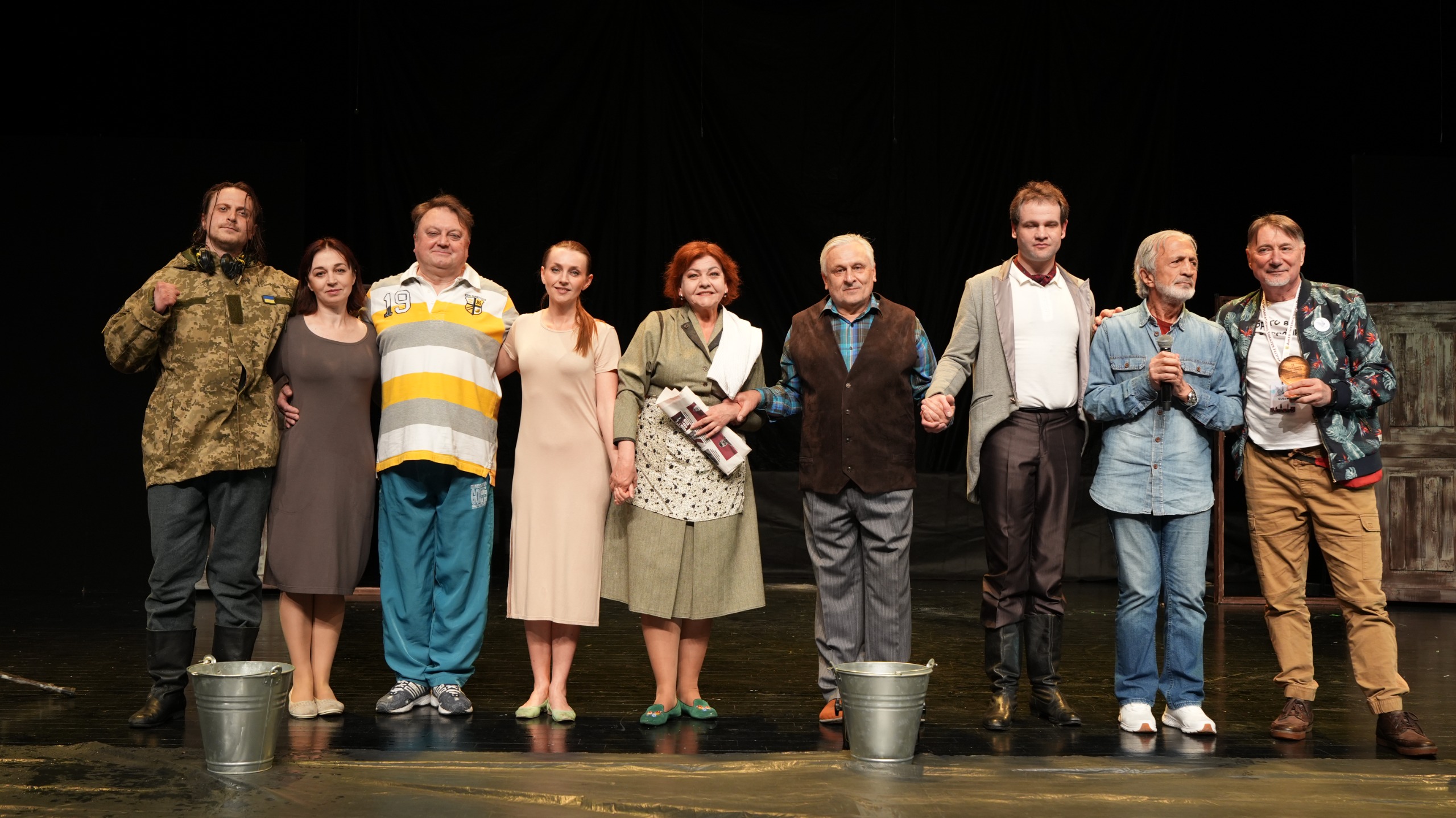
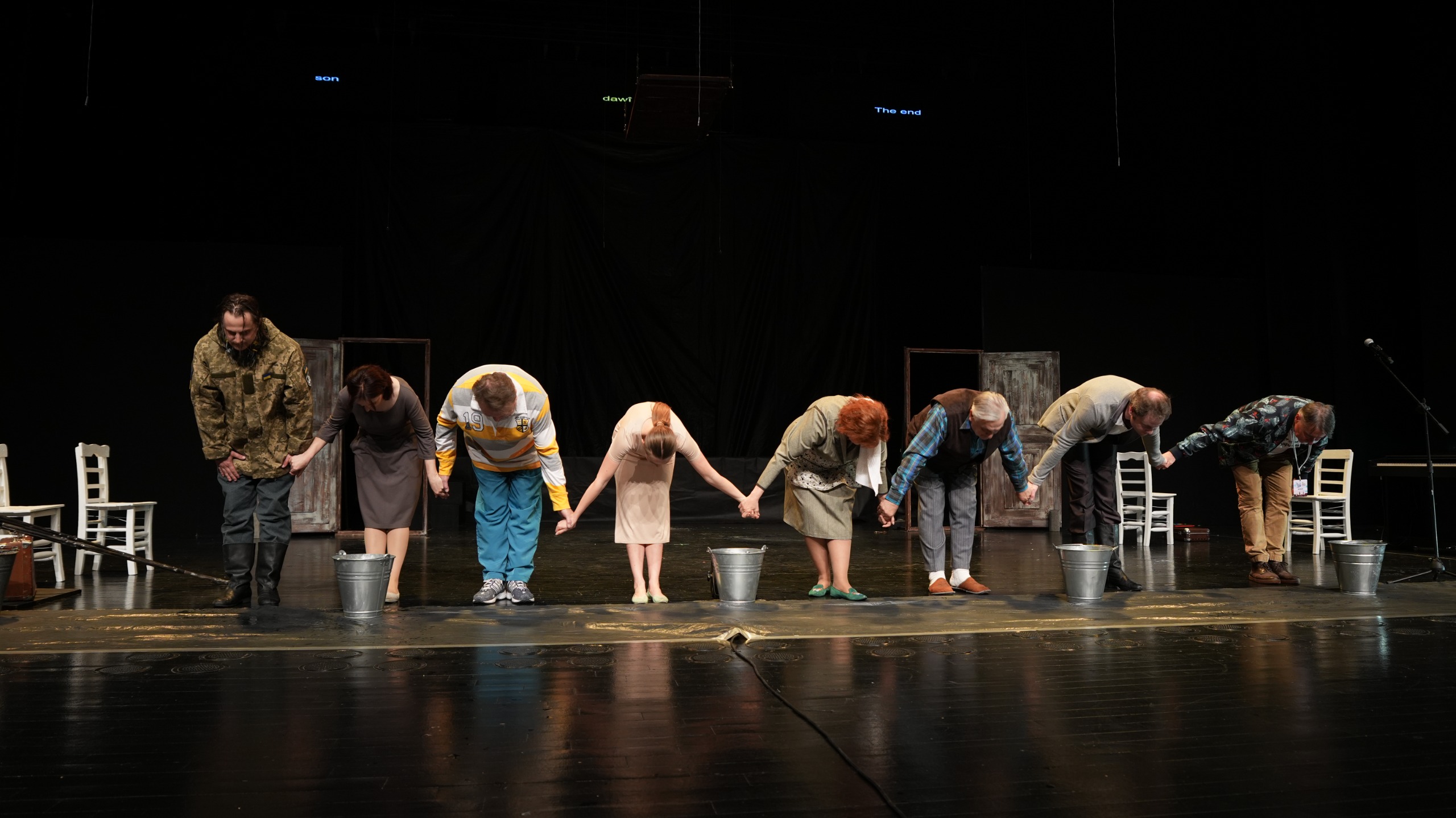
As part of the festival, Vinnytsia Regional Academic Music and Drama Theatre from Ukraine staged The Man Outside. Performed at Çand Amed Culture and Congress Centre, the play attracted strong interest.
Inspired by the life of German writer Wolfgang Borchert and addressing the devastating effects of the Second World War, the work was reinterpreted through director Oleksandr Kovshun’s modern and stripped-back stage language. The performance highlighted war as one of the greatest tragedies in human history, while also focusing on the individual’s post-war identity and the search for a new kind of “hero”.