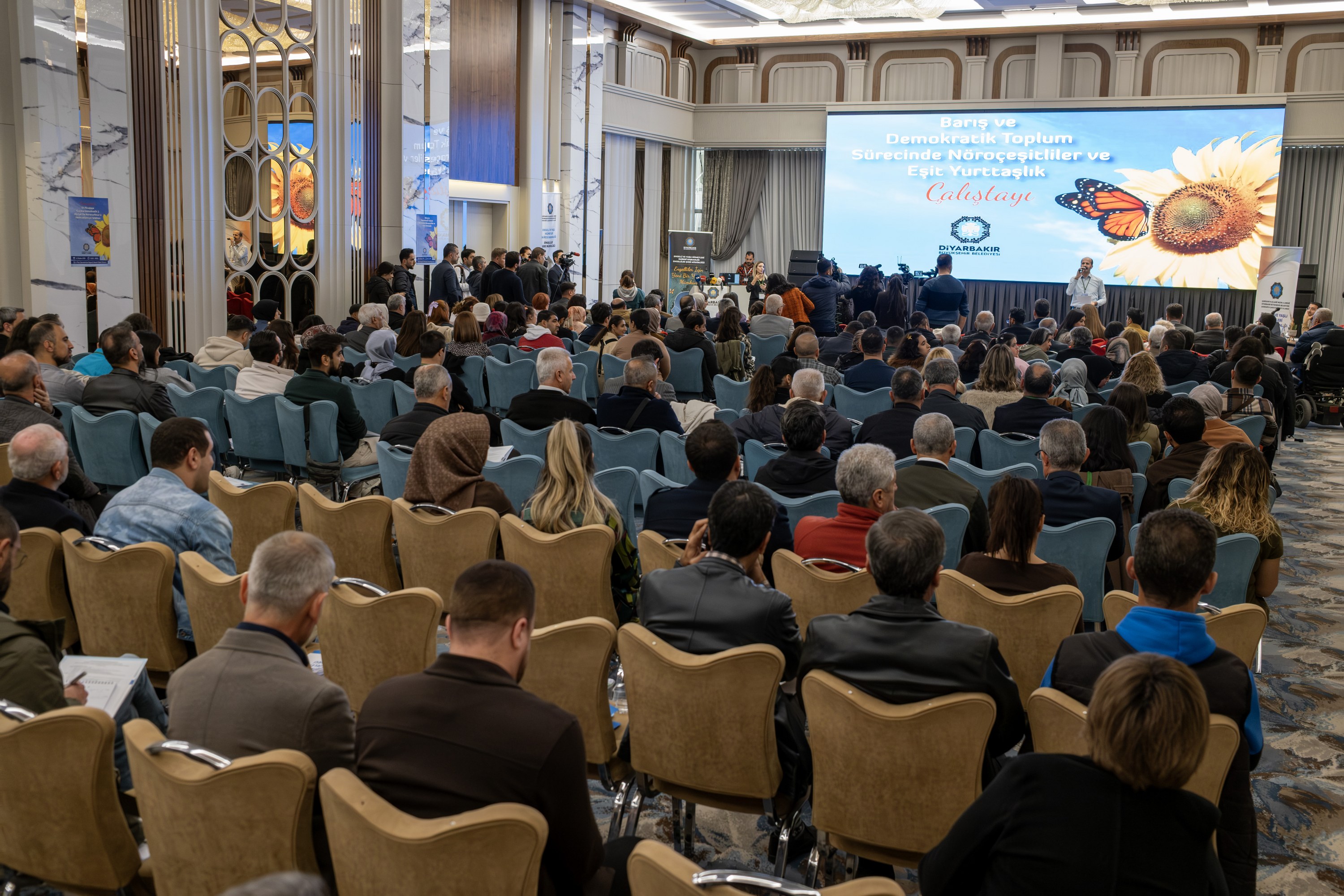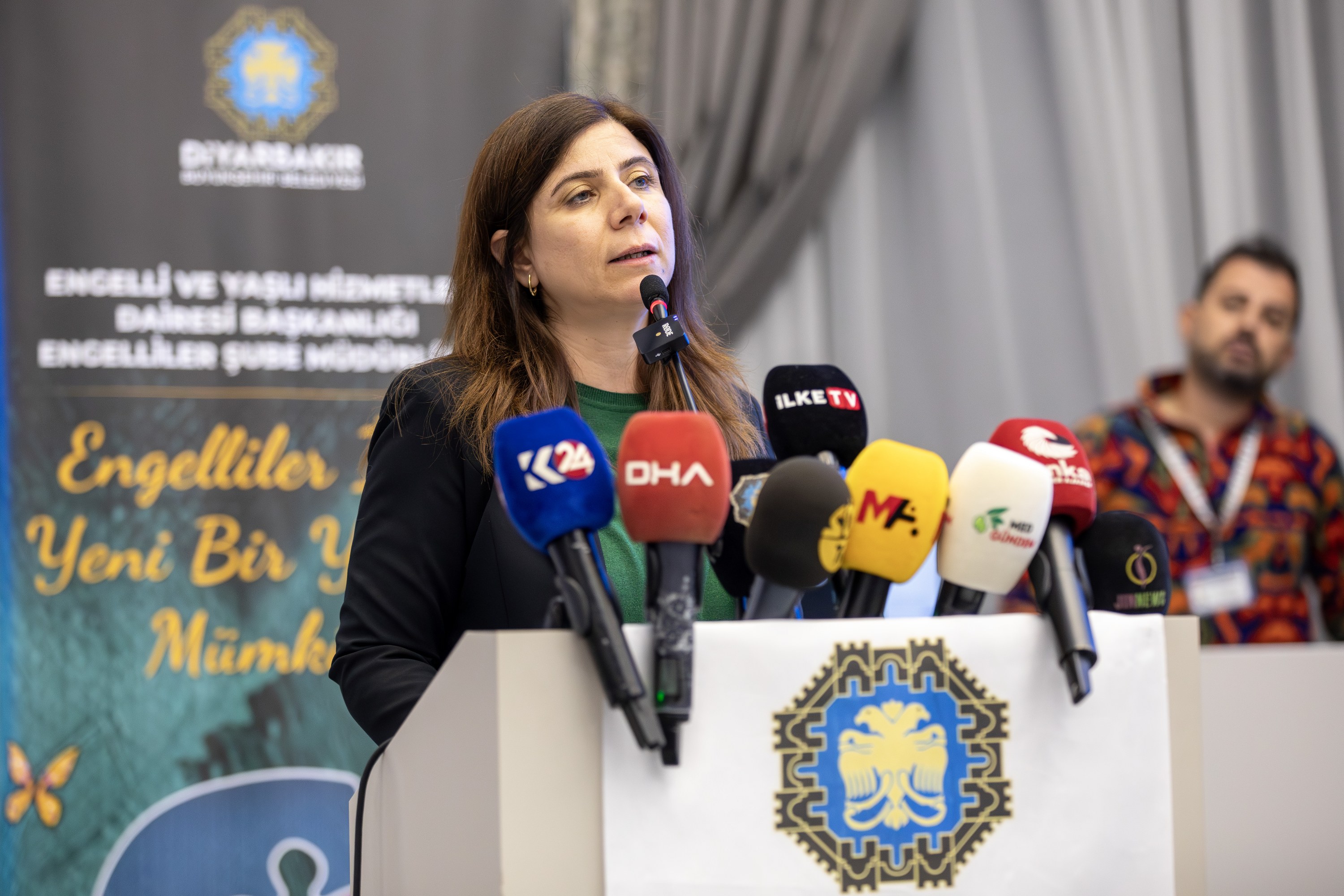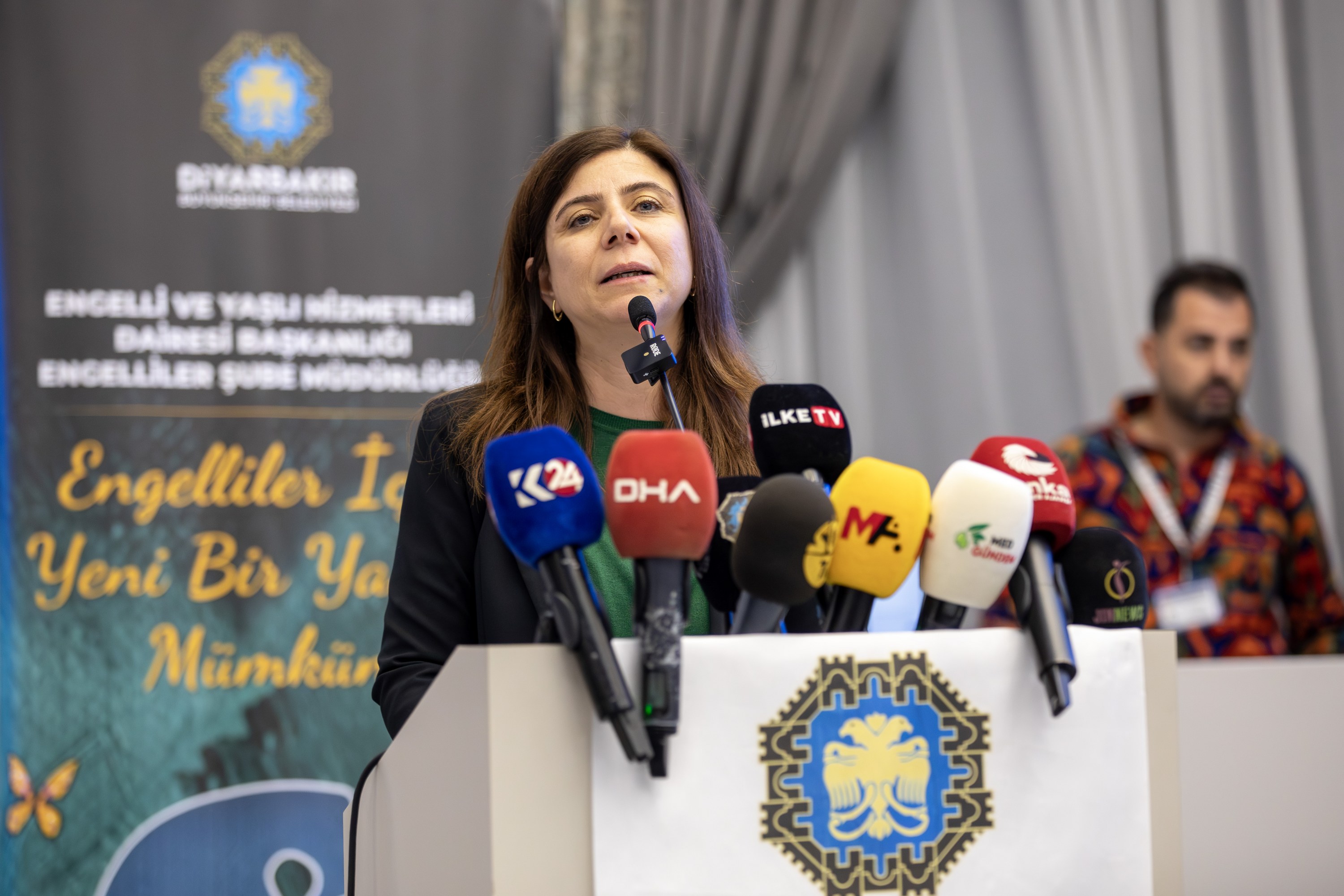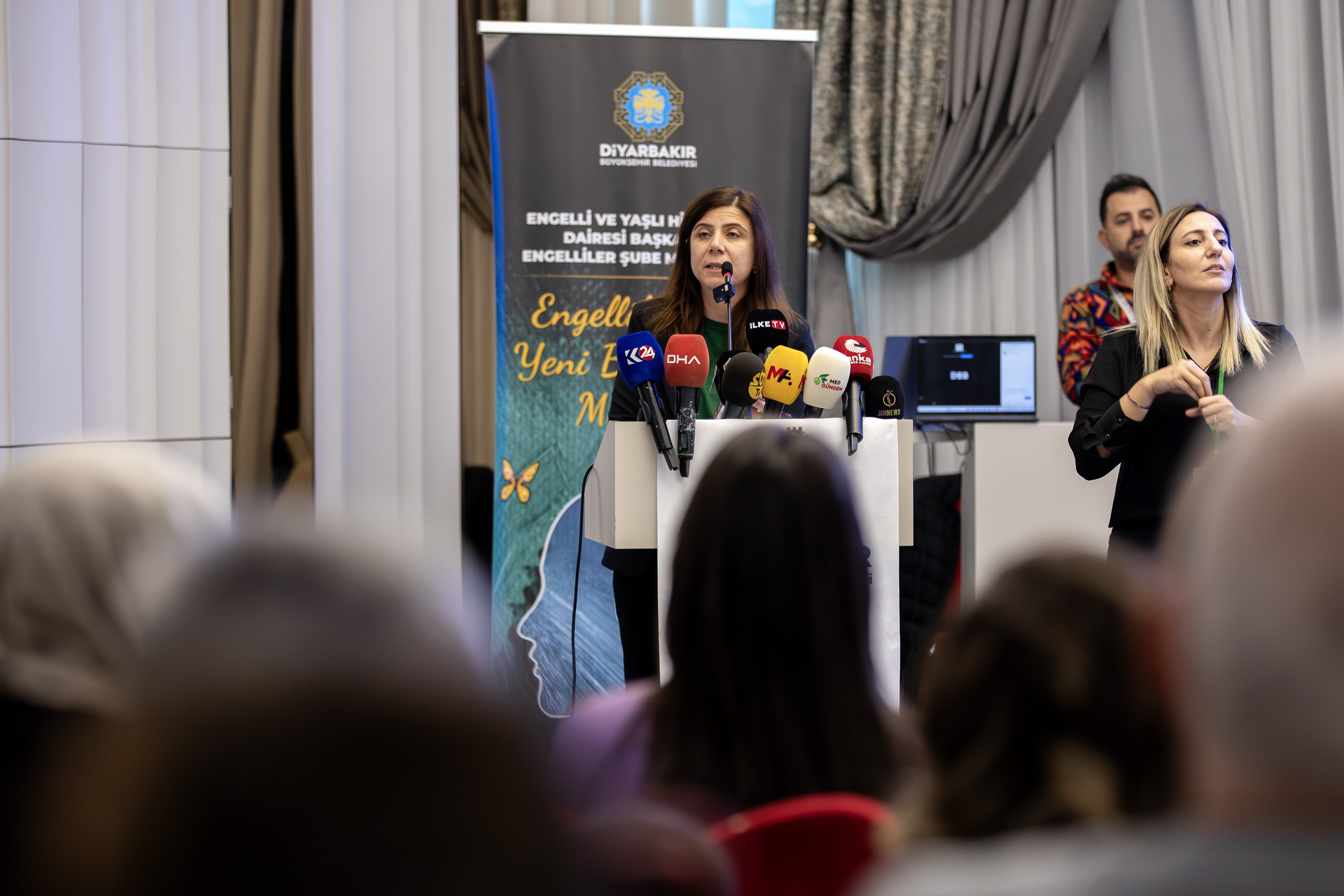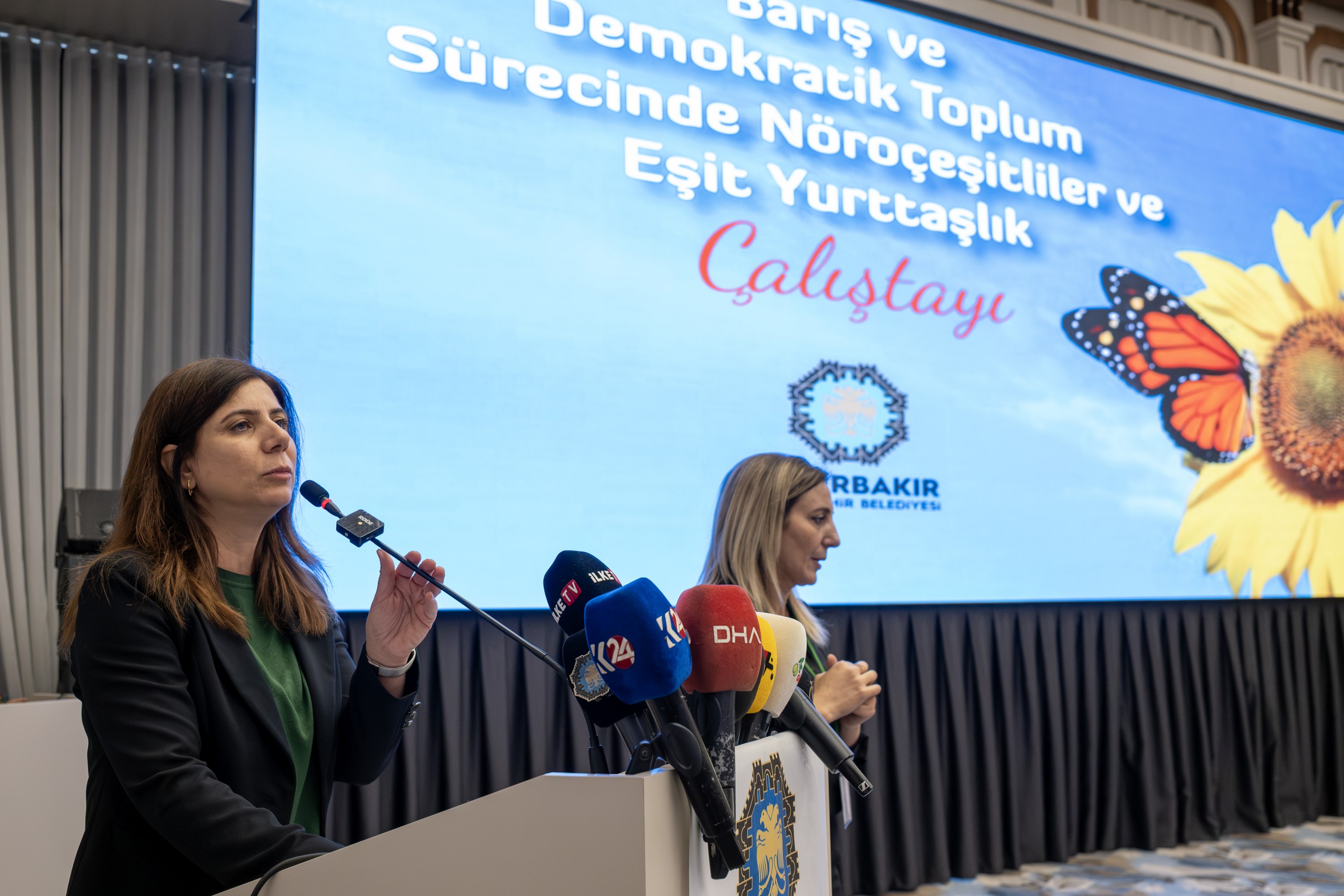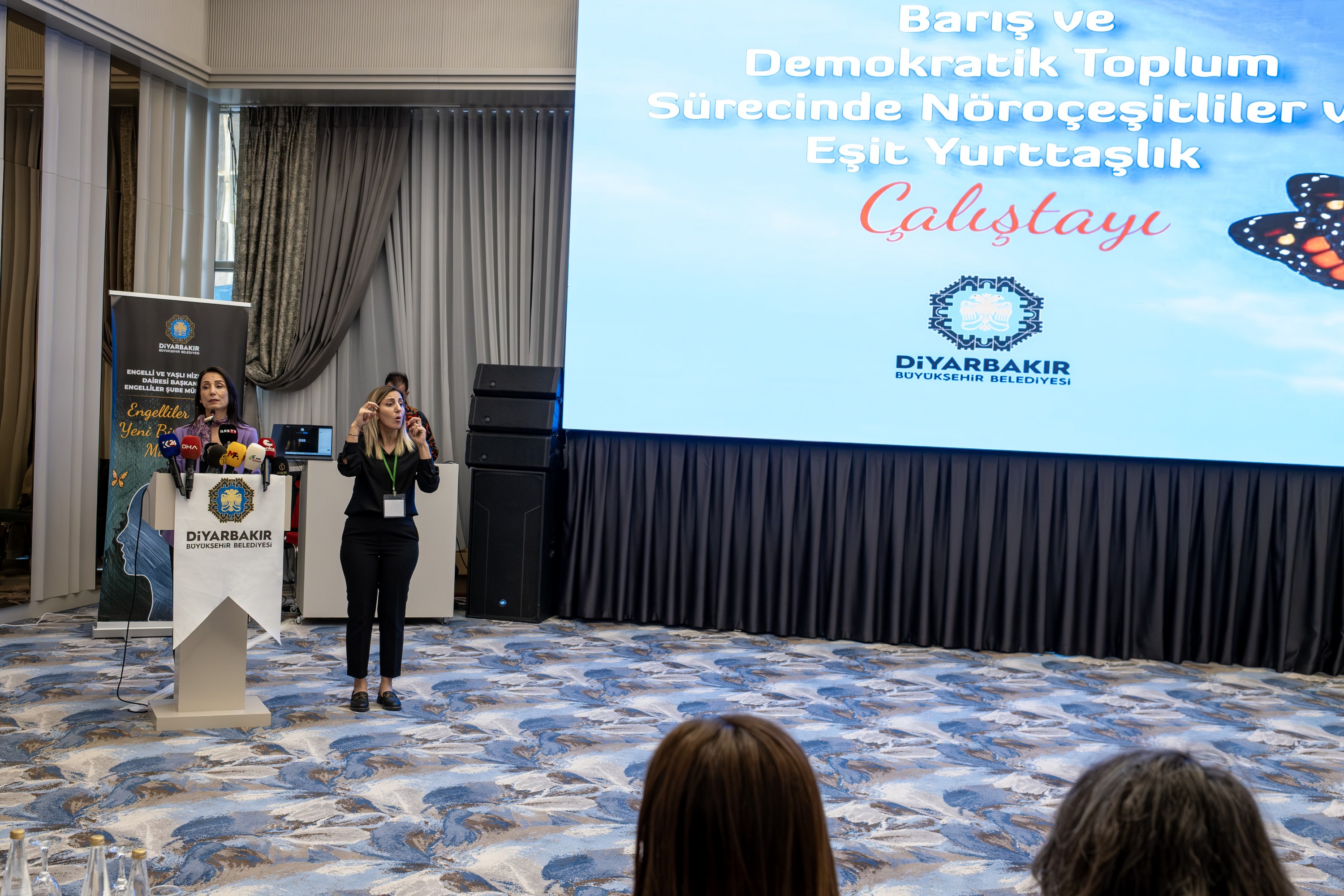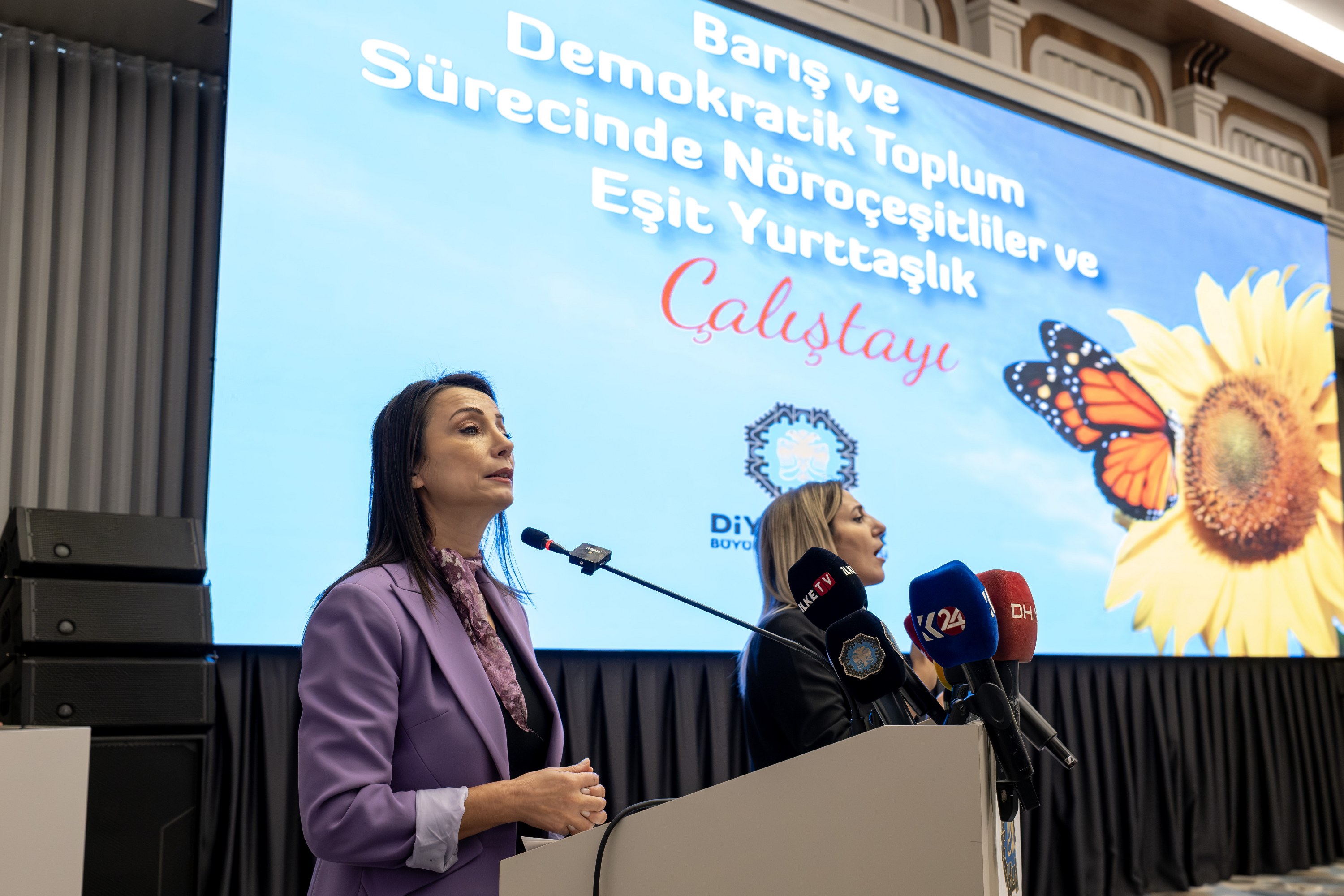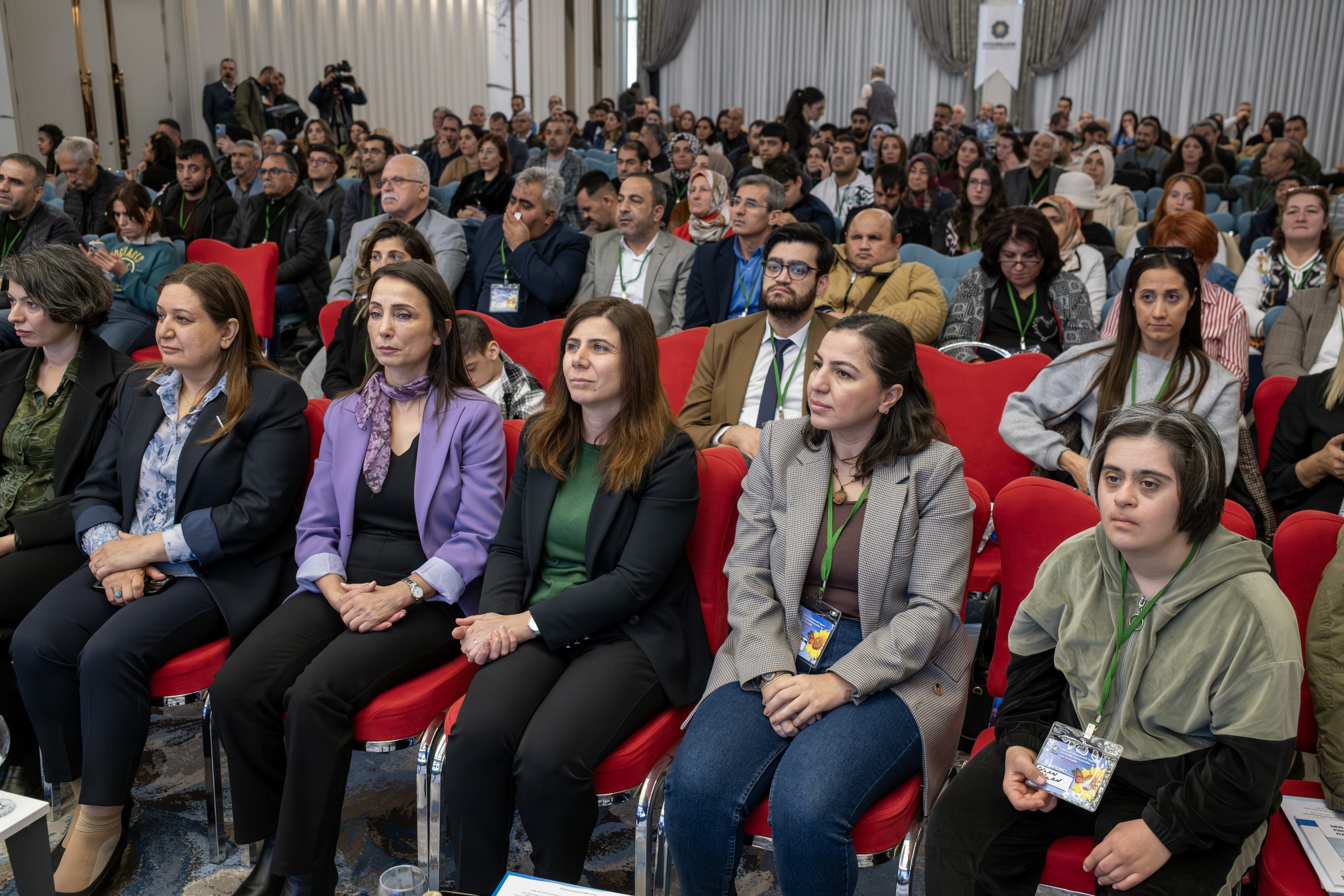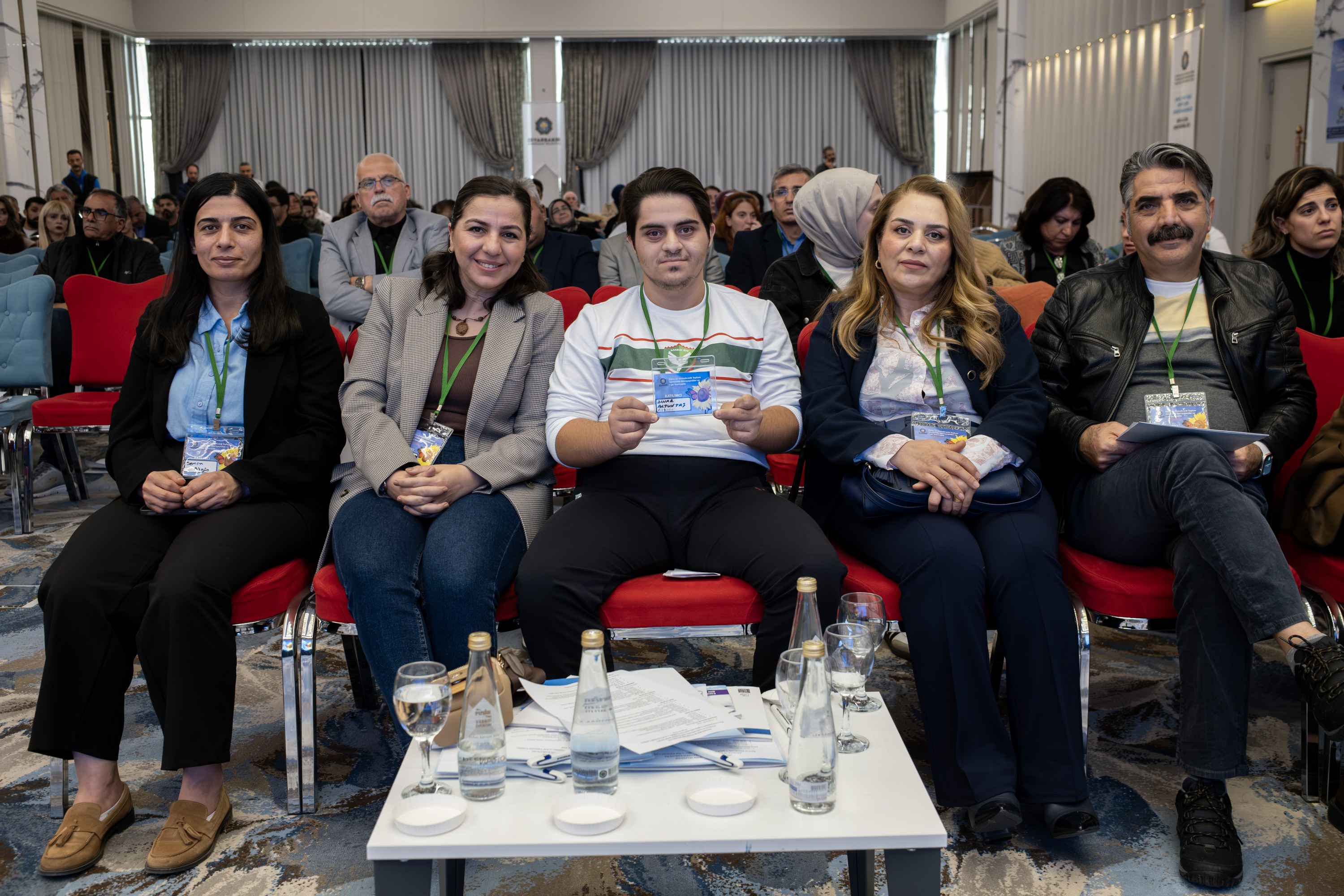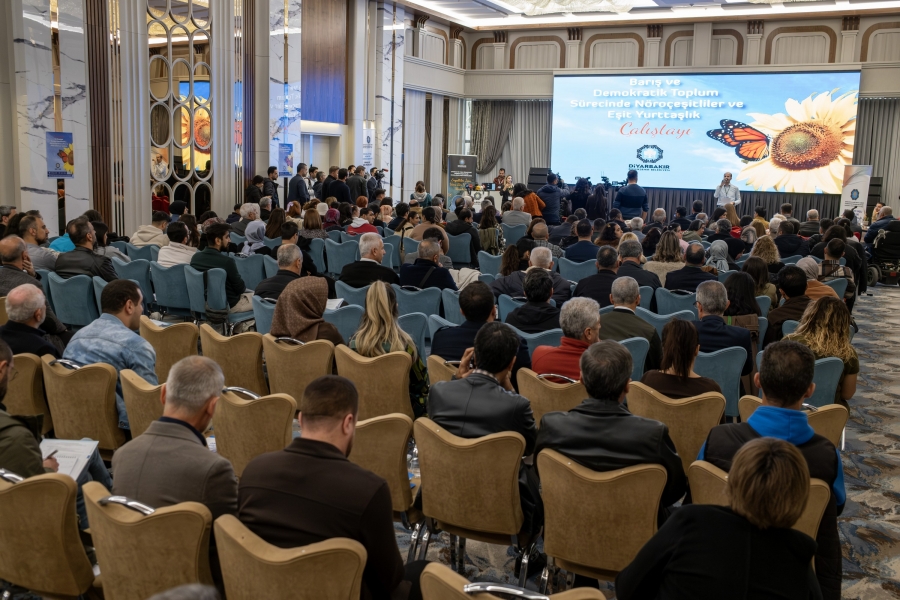
Speaking at the “Workshop on Neurodivergent People and Equal Citizenship in the Peace and Democratic Society Process”, held for the first time in Turkey under the auspices of the Metropolitan Municipality, Co-Mayor Serra Bucak underlined that they are developing policies to overcome prejudice, stereotypes and exclusionary language, stating: “We approach this as a clear public responsibility.”
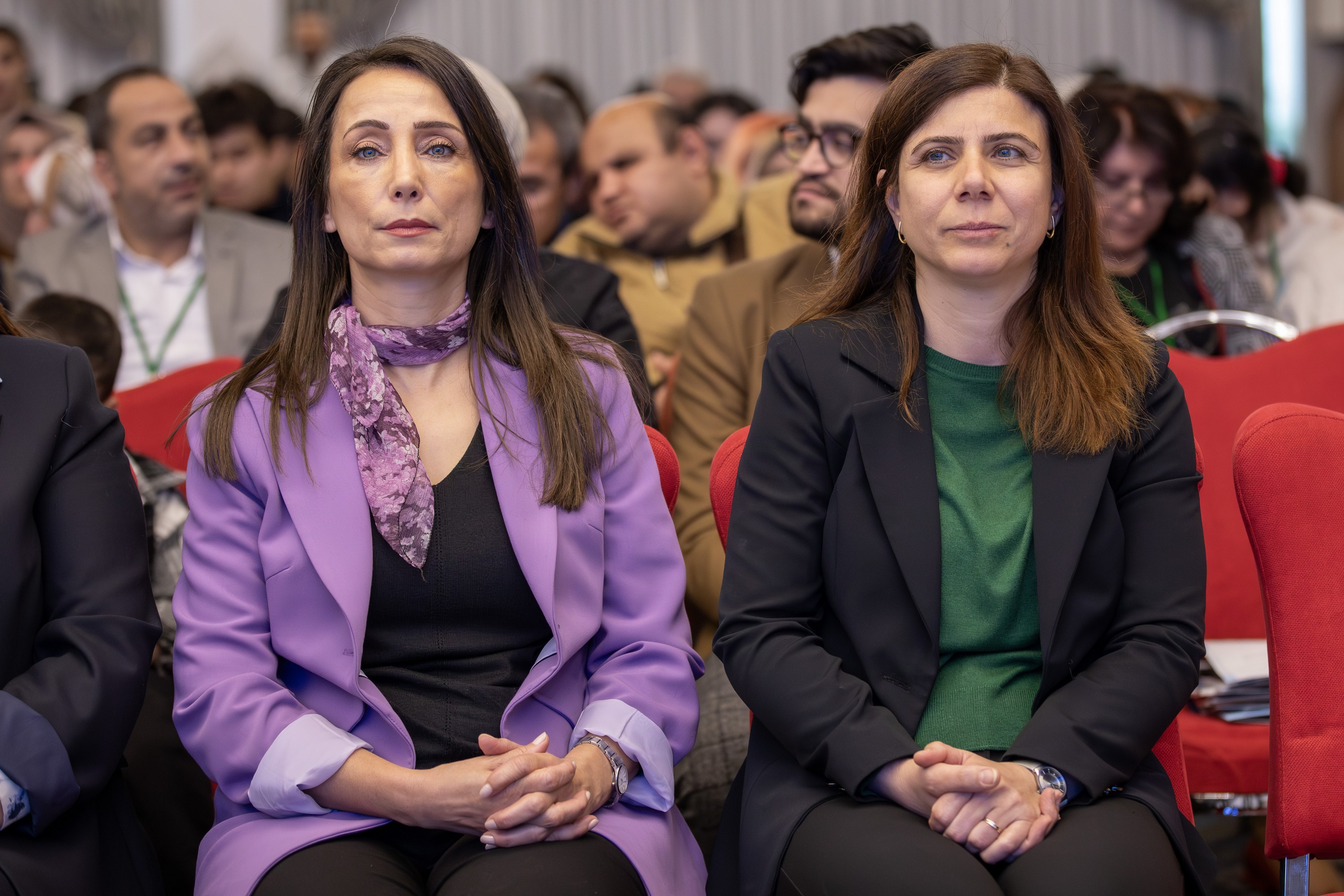
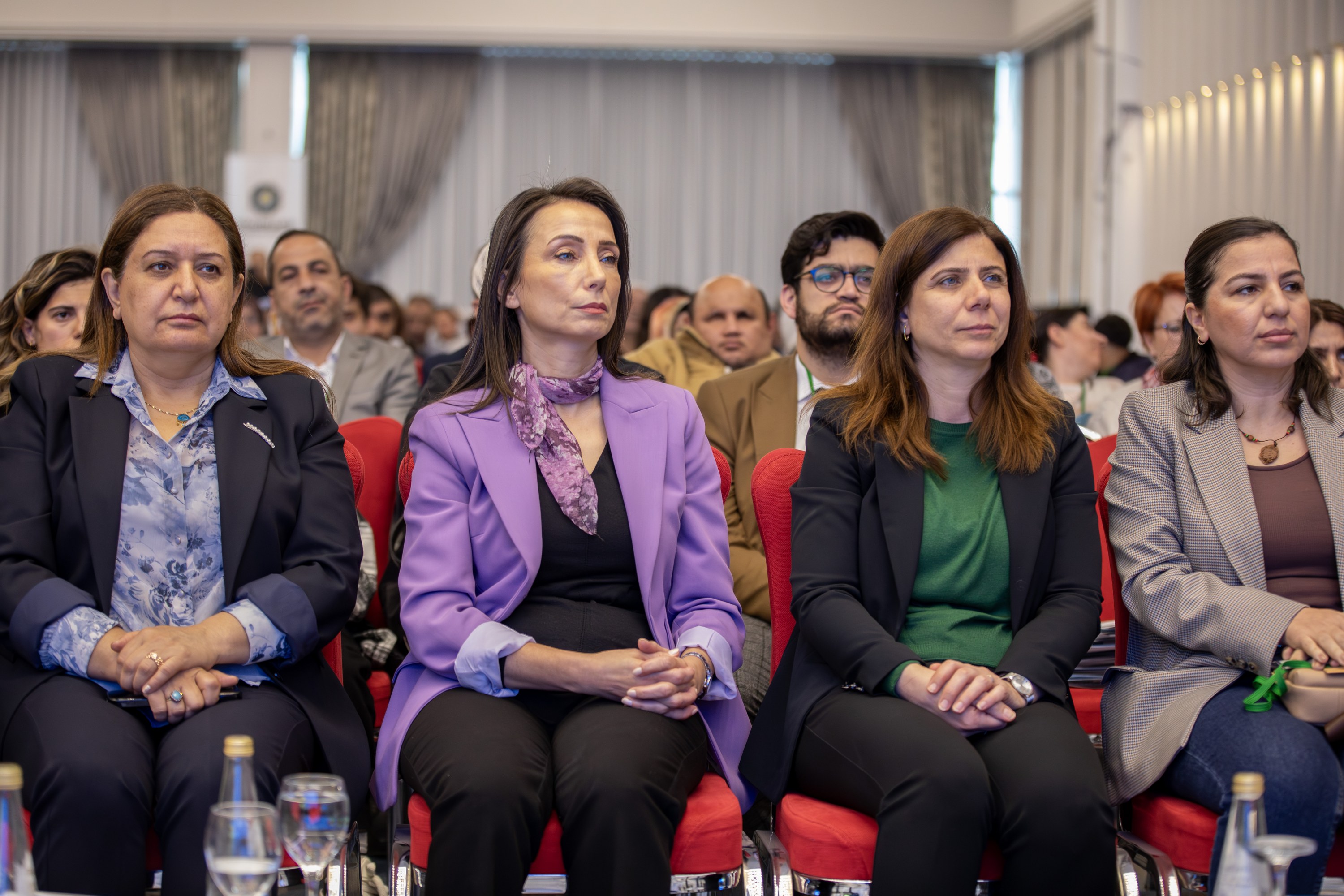
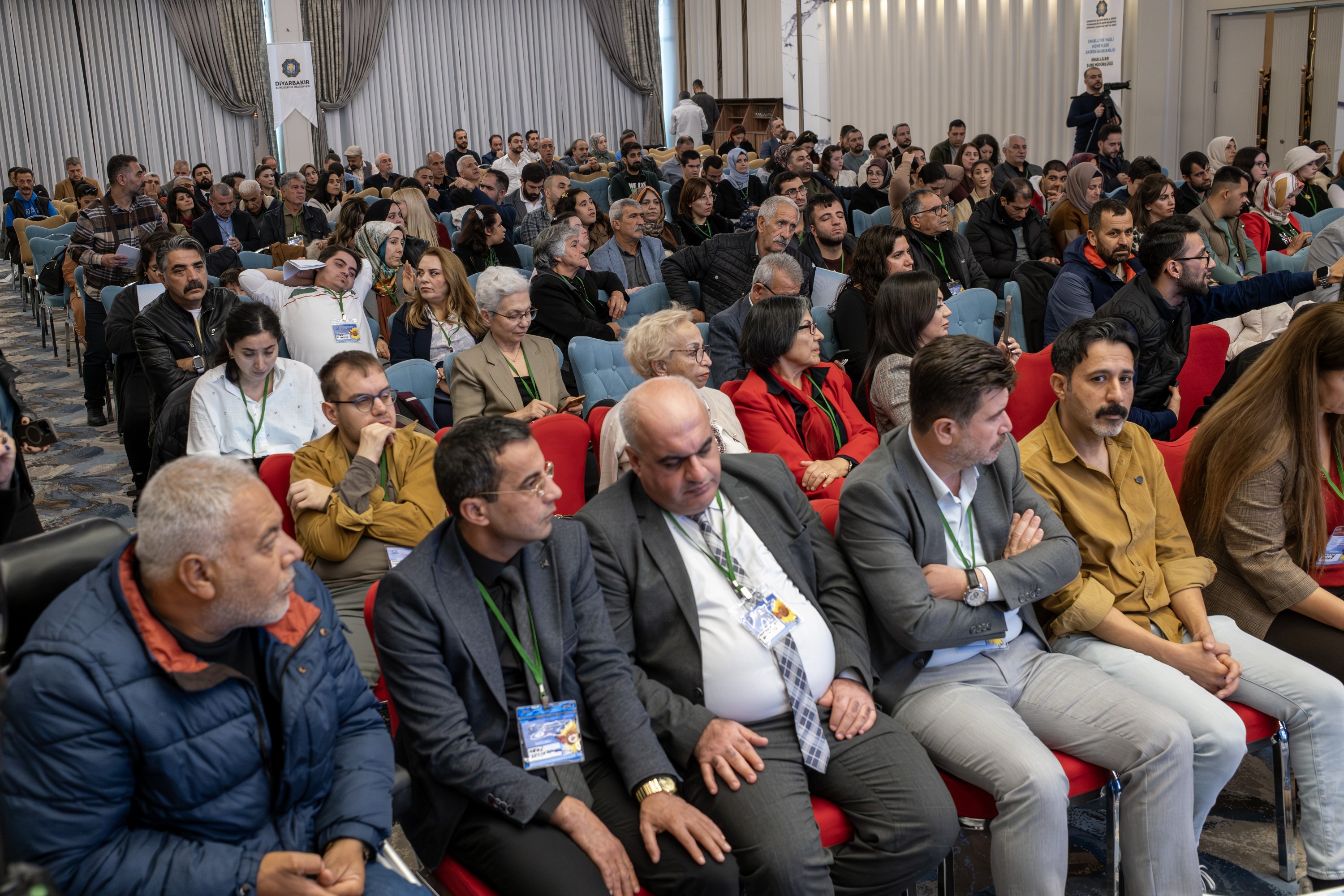
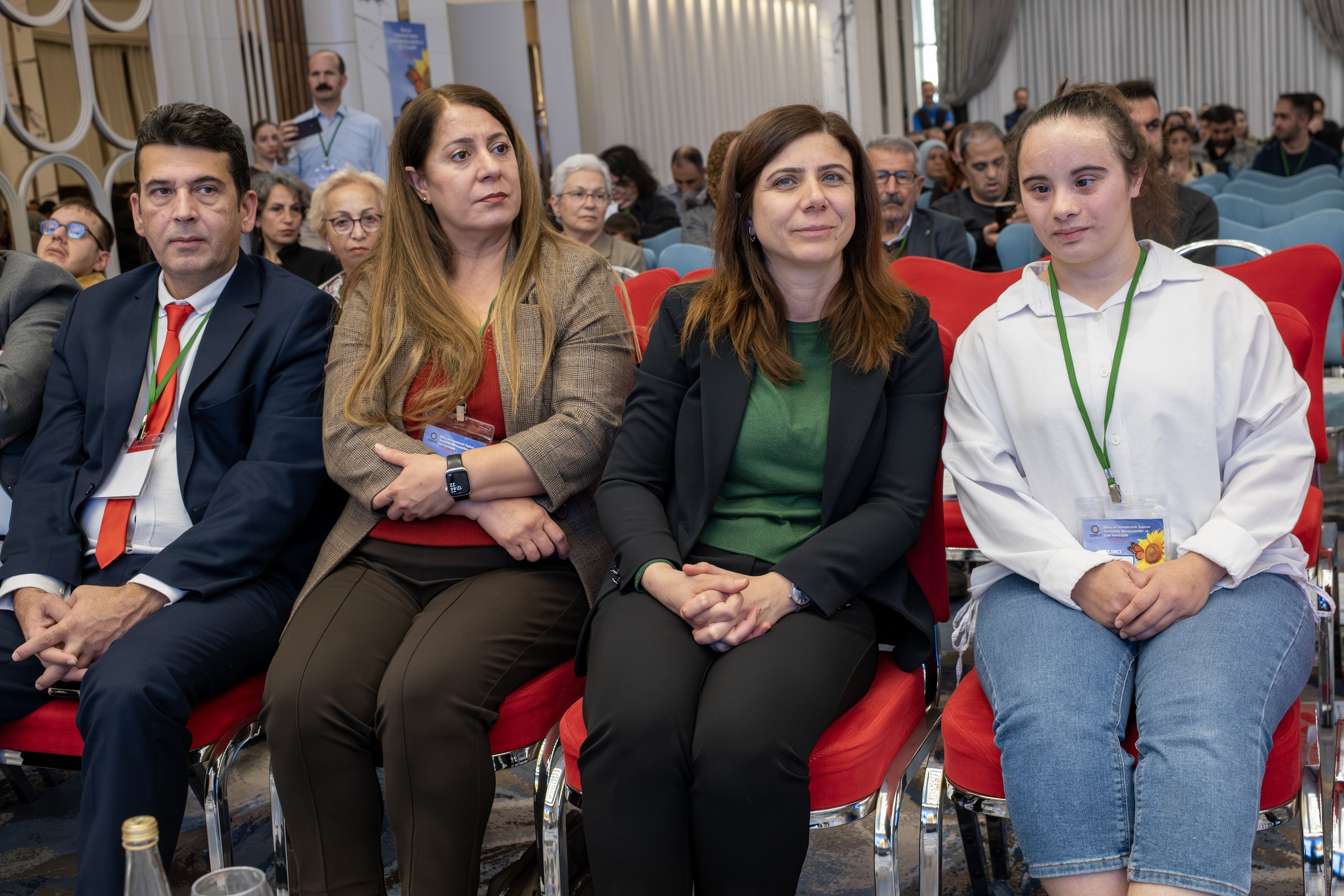
The Diyarbakır Metropolitan Municipality’s Department of Services for Disabled and Elderly People organised the “Workshop on Neurodivergent People and Equal Citizenship in the Peace and Democratic Society Process” to strengthen the neurodiversity perspective and highlight the right to equal citizenship. The workshop, held at a hotel in the Yenişehir district, brought together Peoples’ Equality and Democracy Party (DEM Party) Co-Chair Tülay Hatimoğulları, Metropolitan Municipality Co-Mayor Serra Bucak, DEM Party Provincial Co-Chair Gülşen Özer, district co-mayors, representatives of civil society organisations working in this field and a large number of disabled residents. Throughout the workshop, all contributions were interpreted into sign language, and visual descriptions of the venue and the event were provided.
‘We are committed to inclusive practice in city services’
Opening the event, Co-Mayor Serra Bucak stressed that the workshop had been brought together through the joint efforts of DBB, the DEM Party Disability Commission, disability associations and the Department of Services for Disabled and Elderly People. Bucak said: “Shortly after we were elected in 2024, we established the Department of Services for Disabled People. Our colleagues, who are always in cooperation with us and never hesitate to share their ideas, know this well. We are working to implement a robust disability policy and, importantly, not to confine this to policy documents alone, but to ensure that our political work and our city services are inclusive in practice.”
‘We are working to put equality-based approaches into practice’
Noting that the municipality runs Advisory Centres that support disabled people and their families, Co-Mayor Bucak said: “With the paradigm of the DEM Party and the determination of the Metropolitan Municipality, we are striving to understand and embrace equality-based, freedom-oriented approaches and to implement adaptive policies in this field.”
‘We approach this with a clear sense of public responsibility’
Emphasising that they are putting policies into practice to overcome prejudice, stereotypes and exclusionary language, Co-Mayor Bucak continued:
“We are here to strengthen public policies and educational activities concerning disabled people. We are working to ensure spatial accessibility and we approach this with a clear sense that it is a public responsibility. I wish every success to all the esteemed academics and participants. I thank our valued guests for joining us. May today be a productive day for all of us; I wish you every success.”
DEM Party Disability Commission Co-Spokesperson Hatice Betül Çelebi, for her part, underlined the importance of the workshop, noting that they would focus in particular on the notion of “equal citizenship”.
‘The prevailing culture around disability needs to change’
Co-Chair of the Peoples’ Equality and Democracy Party (DEM Party) Tülay Hatimoğulları underlined that this is the first workshop of its kind to be held in Turkey and the wider region, saying: “I would like to thank you, dear friends, for carrying out this work and for pushing us to become aware of an issue on which awareness is so urgently needed. I wholeheartedly congratulate Amed Metropolitan Municipality for hosting this event. Here we will be discussing not only neurodiversity, but also a struggle for rights that Turkey has long avoided talking about and has marginalised. For disabled citizens to live a dignified life, the prevailing culture around disability also needs to change.”
Emphasising that this issue is approached in an inadequate way in almost every area of life, Hatimoğulları continued: “There are no meaningful awareness-raising or consciousness-raising efforts on this matter, but this workshop represents an important step towards building awareness across society and confronting ableist ideology. Peace is also, at the same time, a matter of disability policy, and we will do everything in our power to bring this into practice.”
Presentations delivered at the workshop
Following the opening remarks, the first session featured a presentation by Zinar Altuntaş entitled “Experiences as a University Student with Down Syndrome”. This was followed by independent researcher Dr Düriye Merve Tuna with “The KOZA Programme as an Example of a Model of Knowledge and Experience Partnership”, Dr Fırat Keser with “Post-Education Challenges Faced by Disabled People and Proposed Solutions by Local Authorities”, university student İlhan Yalçın with “Imagining Equality: The Importance of Imagination in Securing Equality for Neurodivergent People”, and Deniz Gürel, a parent of an autistic child, with a presentation on “Peace and Neurodiversity”.
In the second session, autistic activist Devrim Nesin will speak on “Autistic Acceptance”, Hülya Saygı on “Growing Stronger Together and the Role of Local Authorities in the Rights-Based Transformation of Mothers”, Serap Dikmen from Kedi Otizm on “Autistic People and Access to Justice”, and Gülegül Ergin from Yeni Hayat Engelsiz Yaşam Association on “The Challenges Faced by Autistic Adults and Employment”.
The third session will include a presentation by President of the Turkish Deaf Confederation, Orkun Utsukarcı, on “Democratic Access and the Right to Equal Citizenship for Deaf and Neurodivergent People”, followed by a panel on “What Do Autistic People Experience? What Are Their Expectations from Society and Local Authorities?” with contributions from Aziz Akın Gülhan, Halit Sönmez and Sevtap Sönmez, and a talk by psychologist Berna Yıldız from the Eskişehir Disability Solidarity Network on “Autism, Relationships and Urban Life: A New Perspective for Local Authorities”.
In the fourth and final session, journalist and illustrator, and editor-in-chief of muzir.org, Aslı Alpar will present on “Examples of Journalism that Embraces Neurodiversity from Around the World”, Solfasol Newspaper editor-in-chief Mehmet Onur Yılmaz on “Neurodiverse Cities and Human Rights”, and Elif Kaya from the Association “Women’s Movement Against Ableism” on “Special Education Practices and Autism”.
The event will conclude with “Guest Reflections and Closing Remarks” at 18.00.
What is neurodiversity?
Neurodiversity is a concept that describes the natural differences in how people’s brains function, and how they think, learn and perceive the world. It emphasises that these differences should not be seen as an illness or a deficit, but as a natural part of human biological diversity.
Neurodiversity covers a wide range of conditions and ways of being, including being on the autism spectrum, attention deficit hyperactivity disorder (ADHD), dyslexia, dysgraphia, dyscalculia, Tourette’s syndrome and various learning differences.
Experts underline that the neurodiversity approach points to the need for people to enjoy equal rights in all areas of life, from education to employment, and for accessibility and supportive arrangements to be put in place. Increasing social acceptance is highlighted as crucial for enabling neurodivergent individuals to realise their potential.