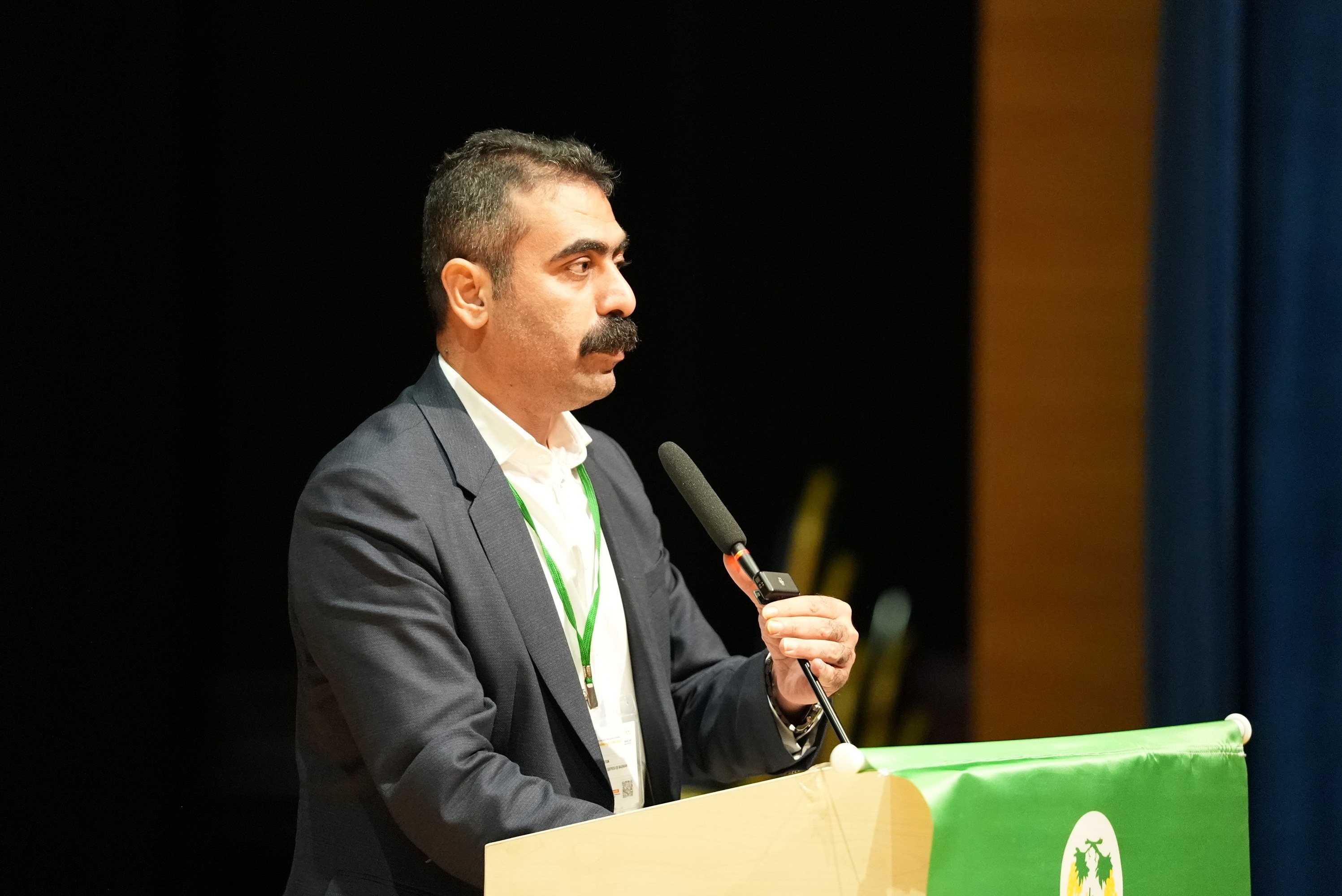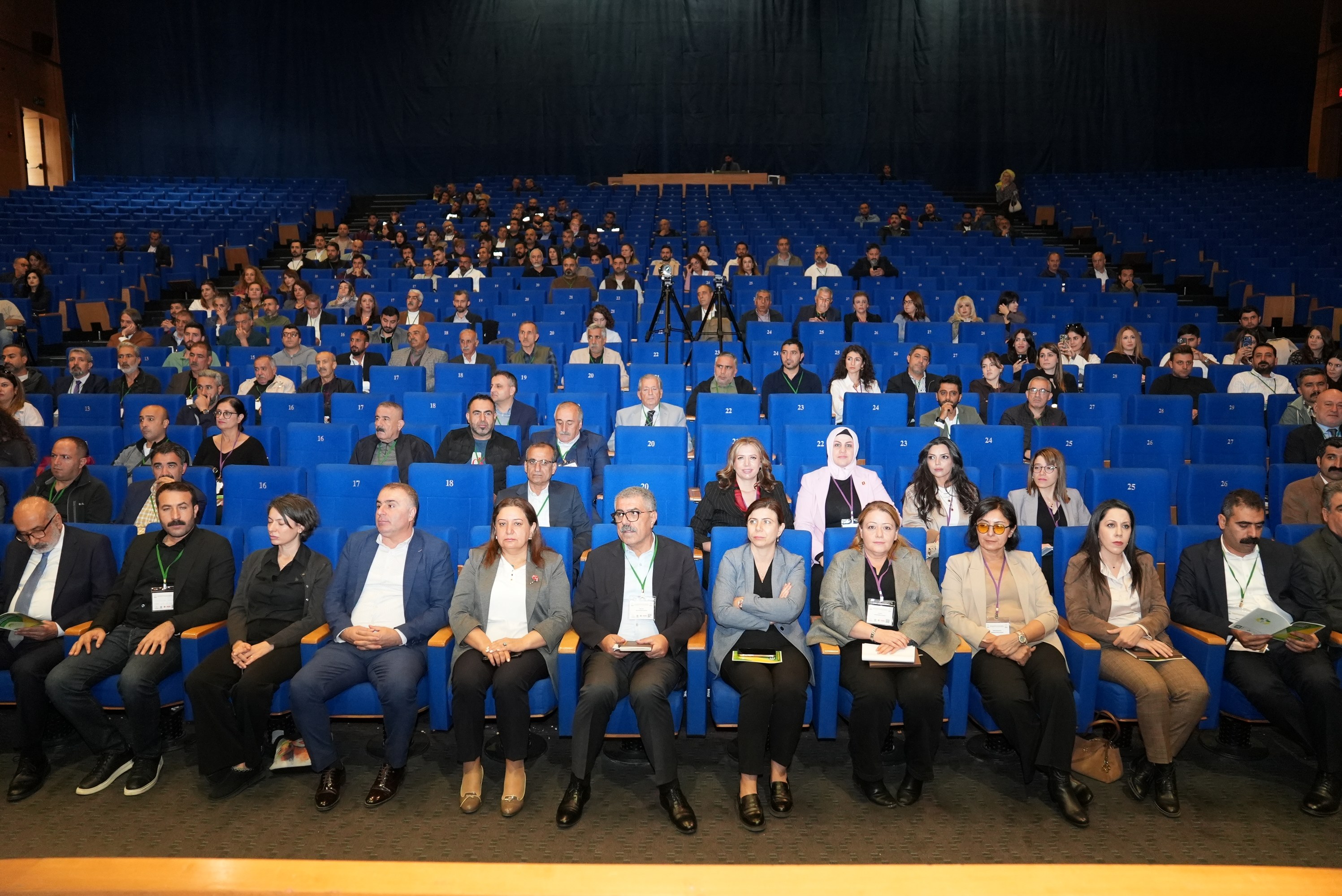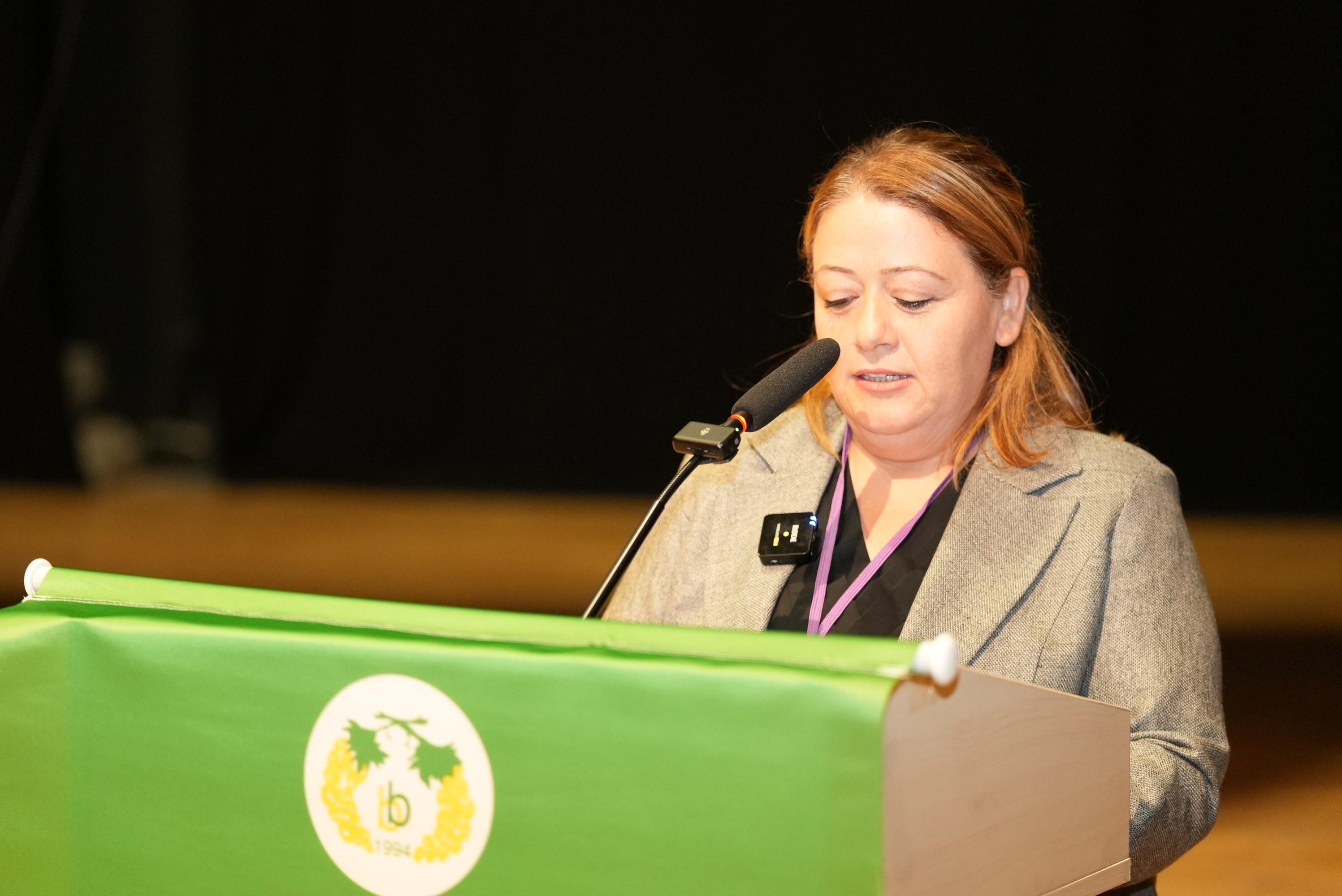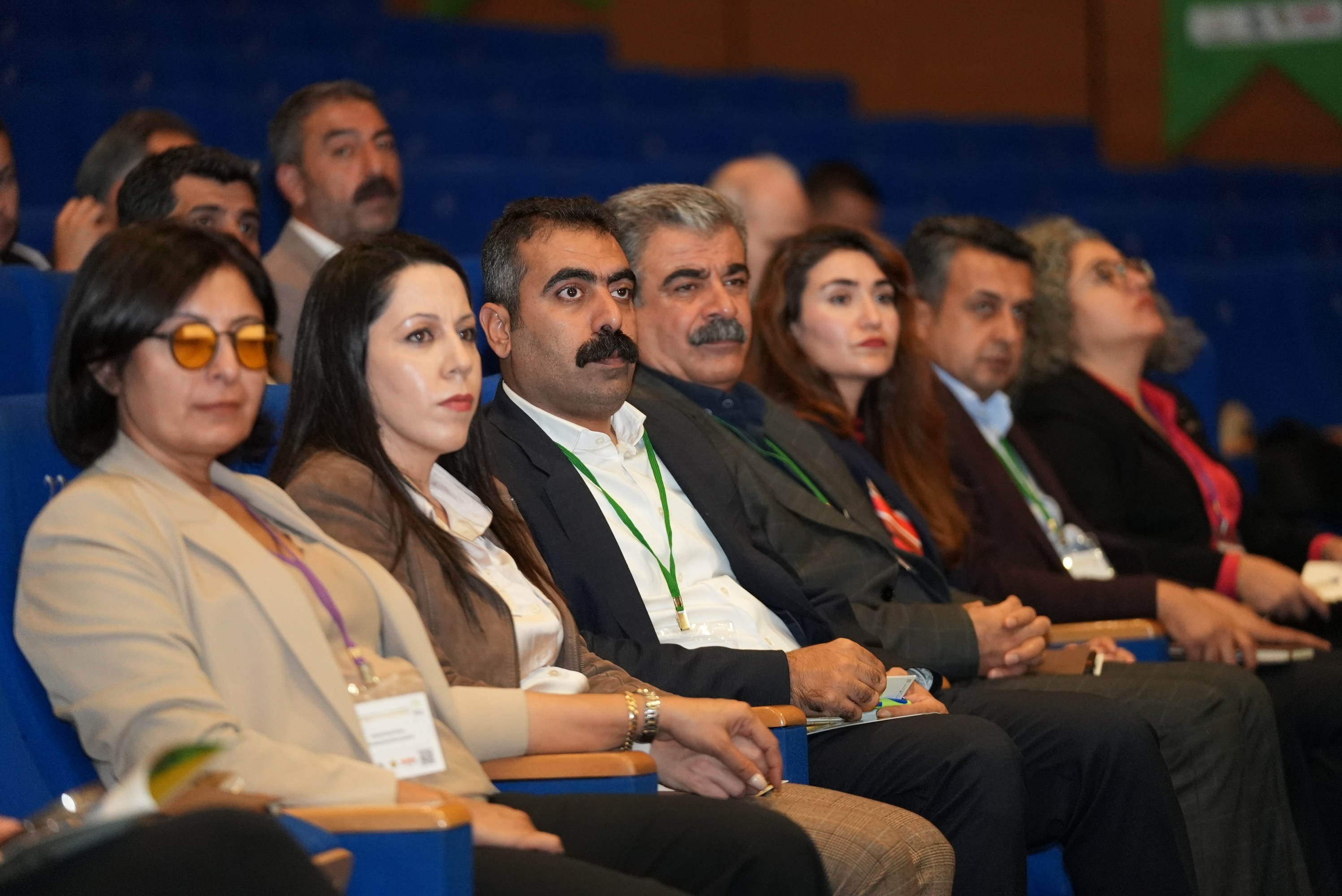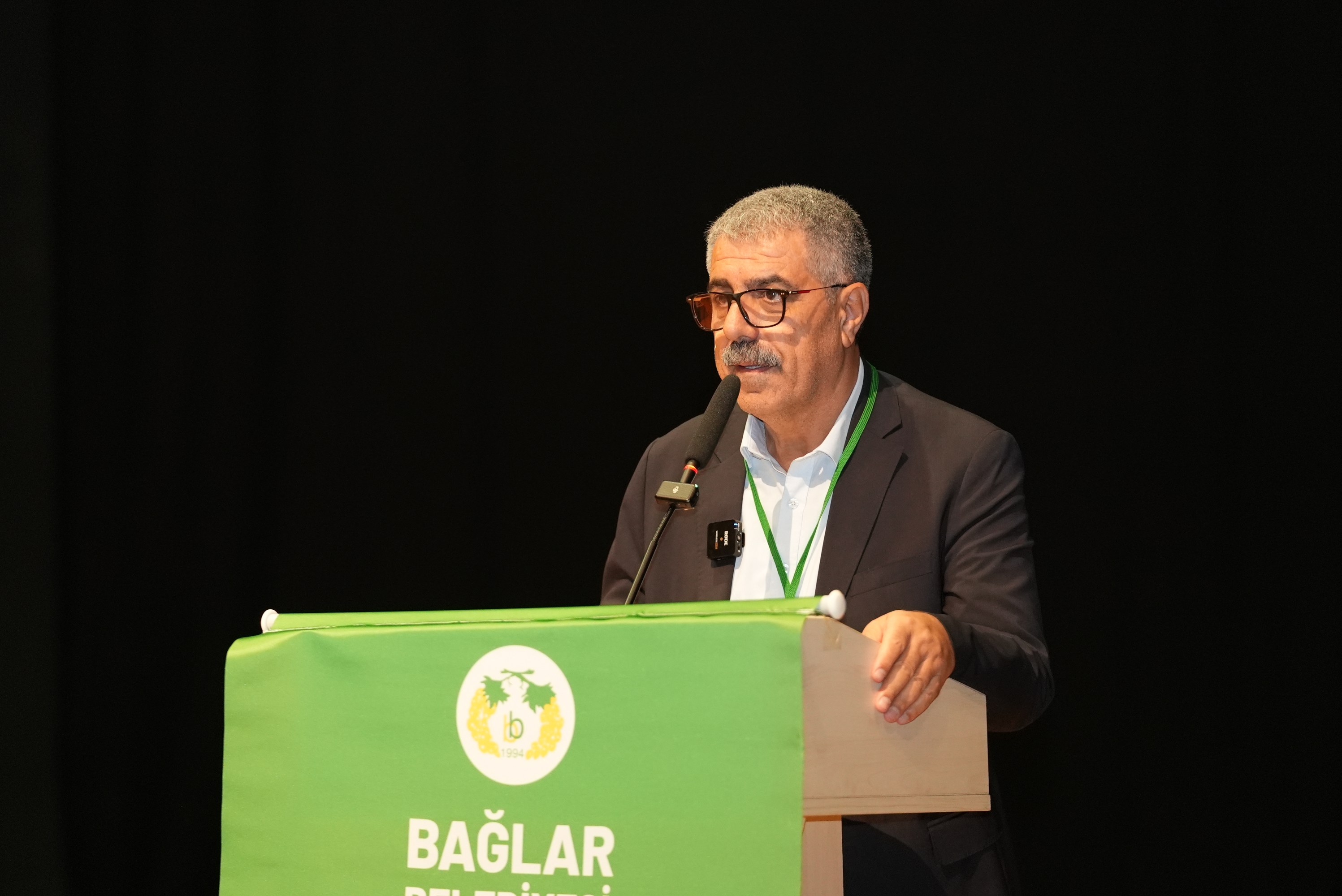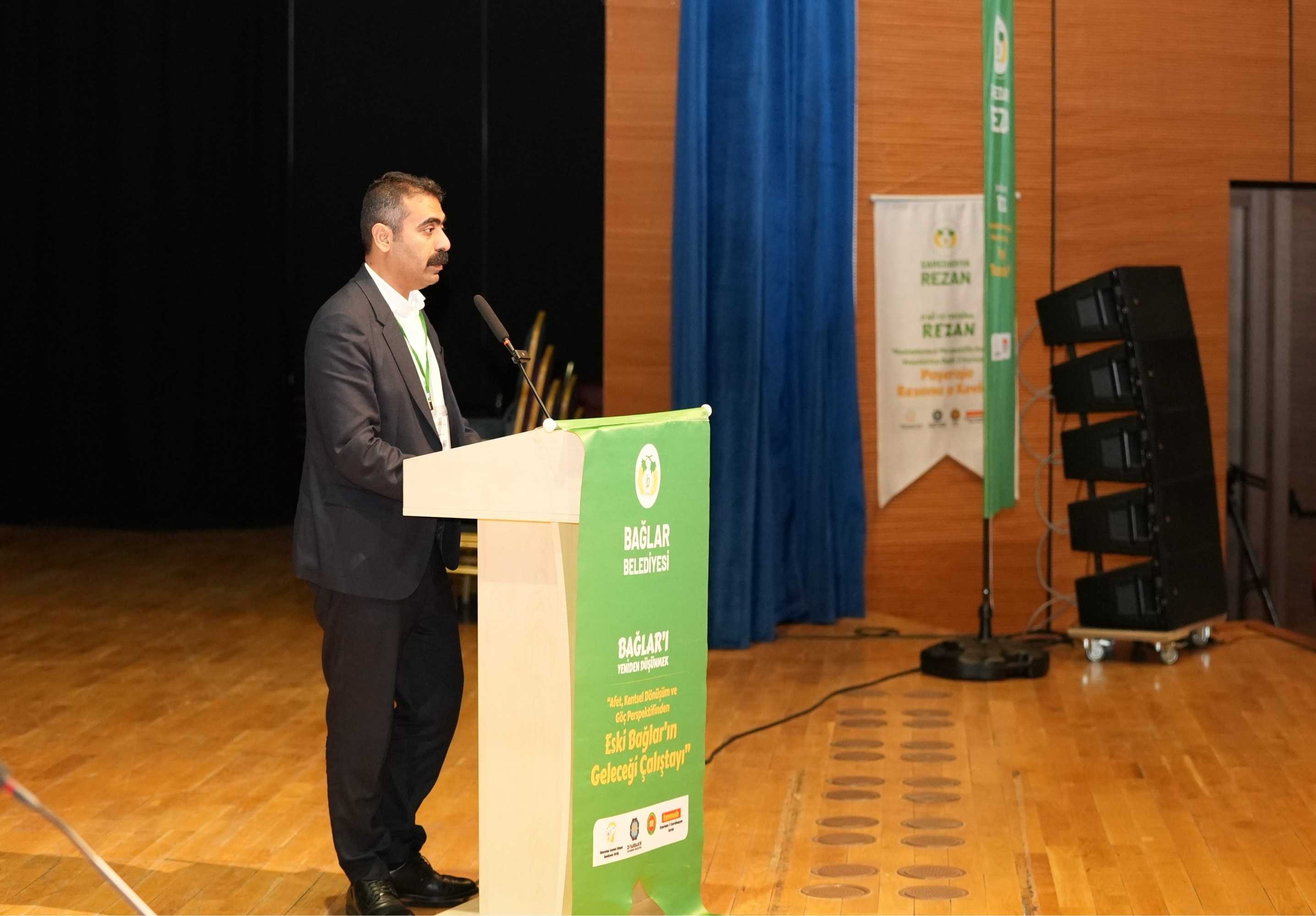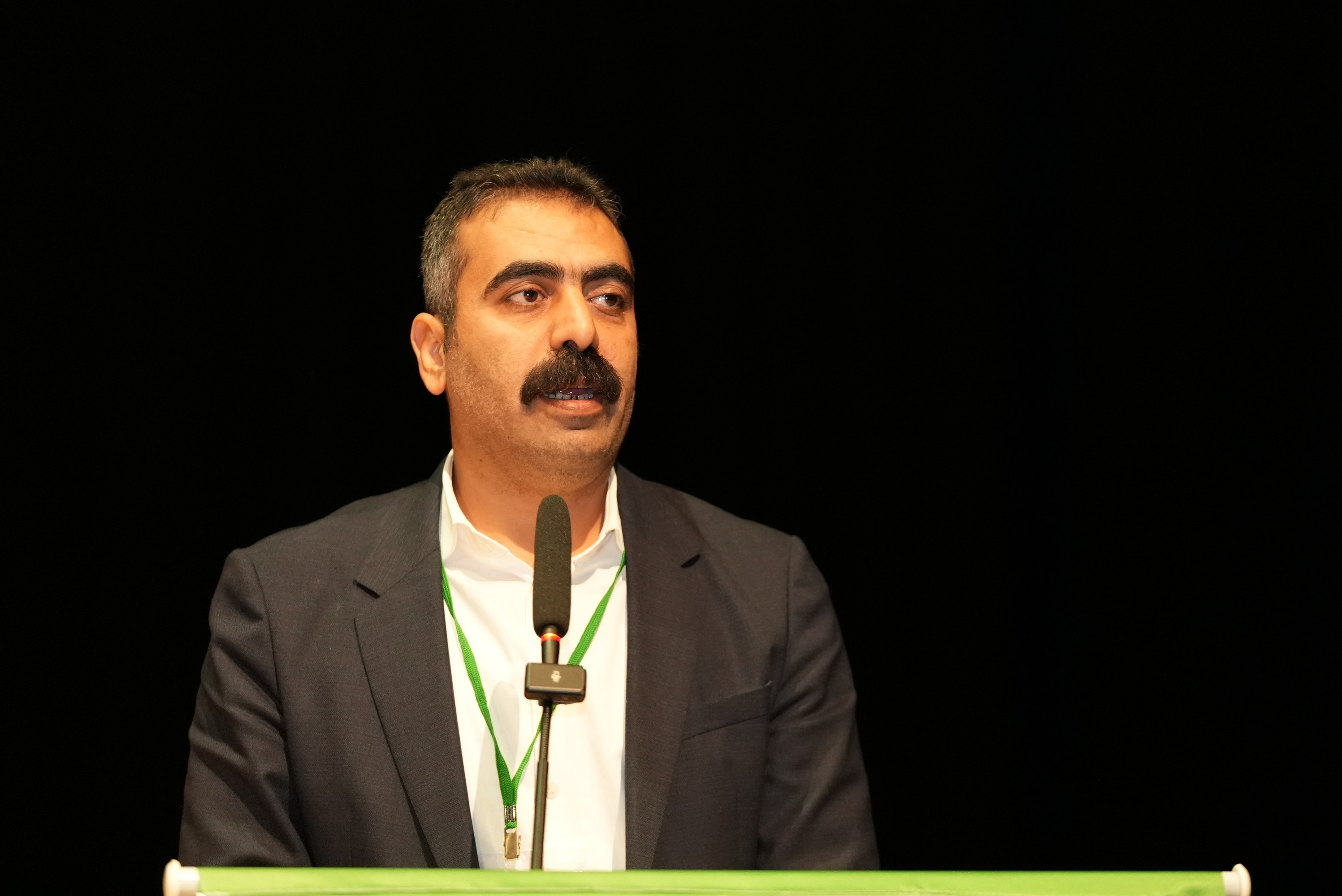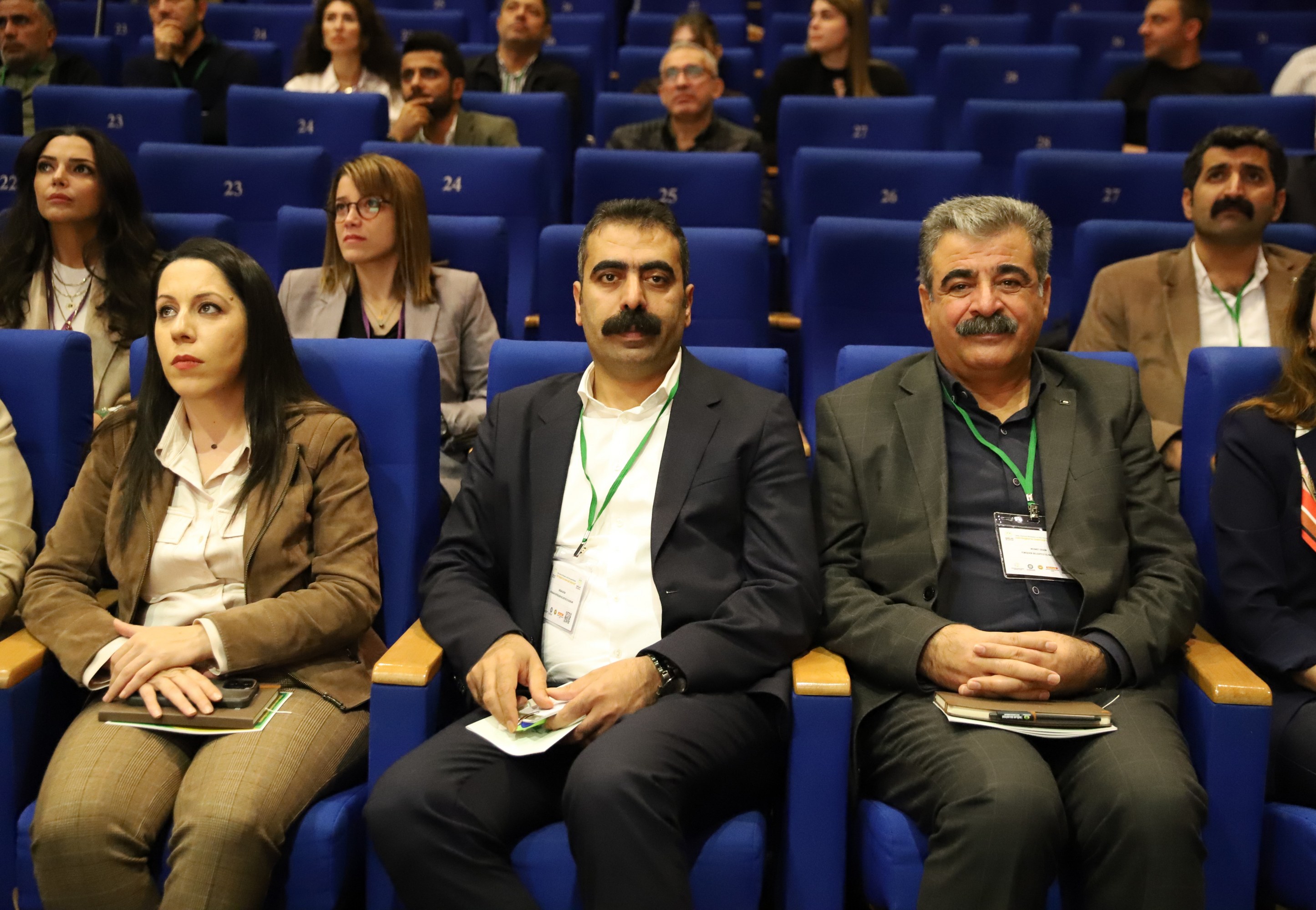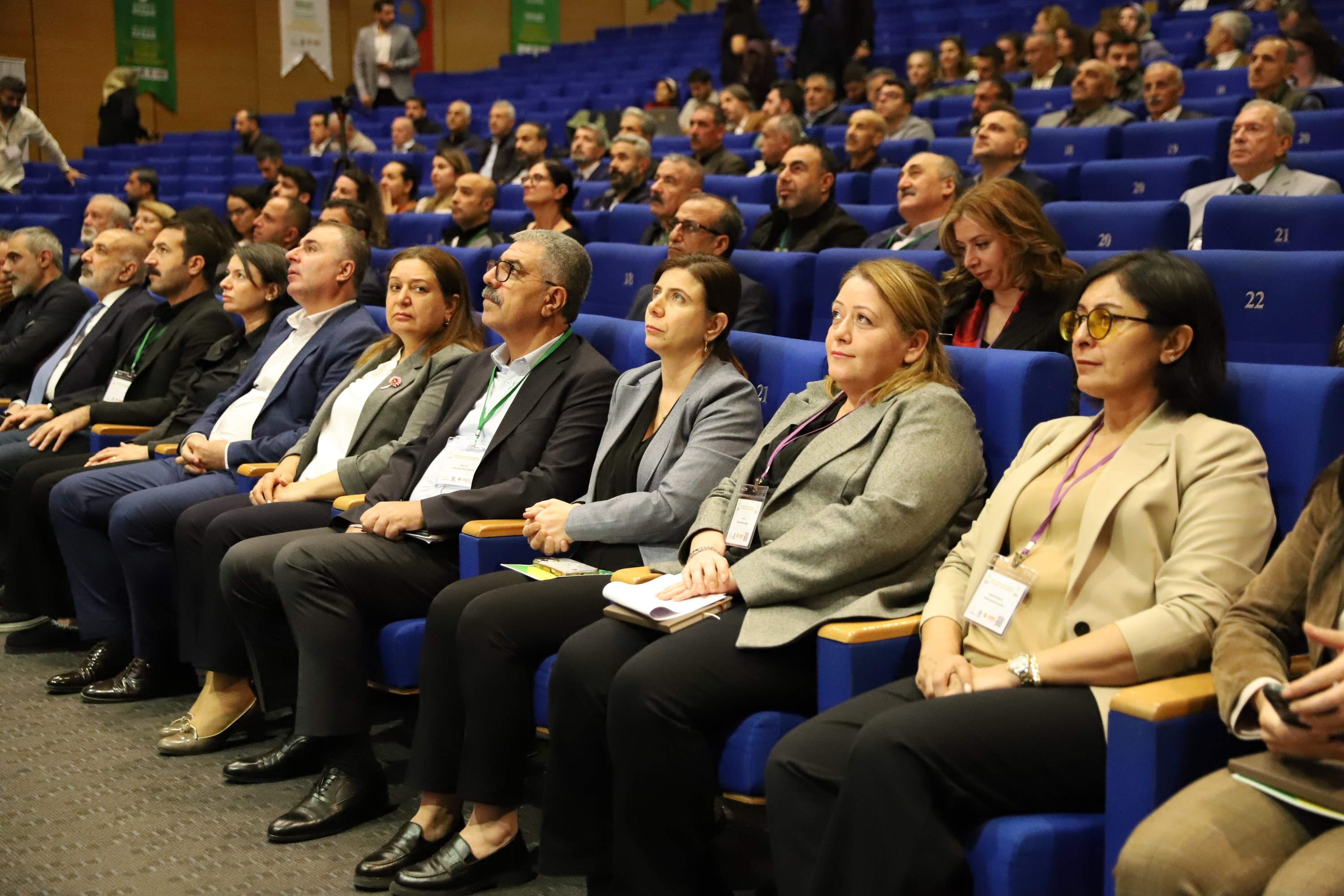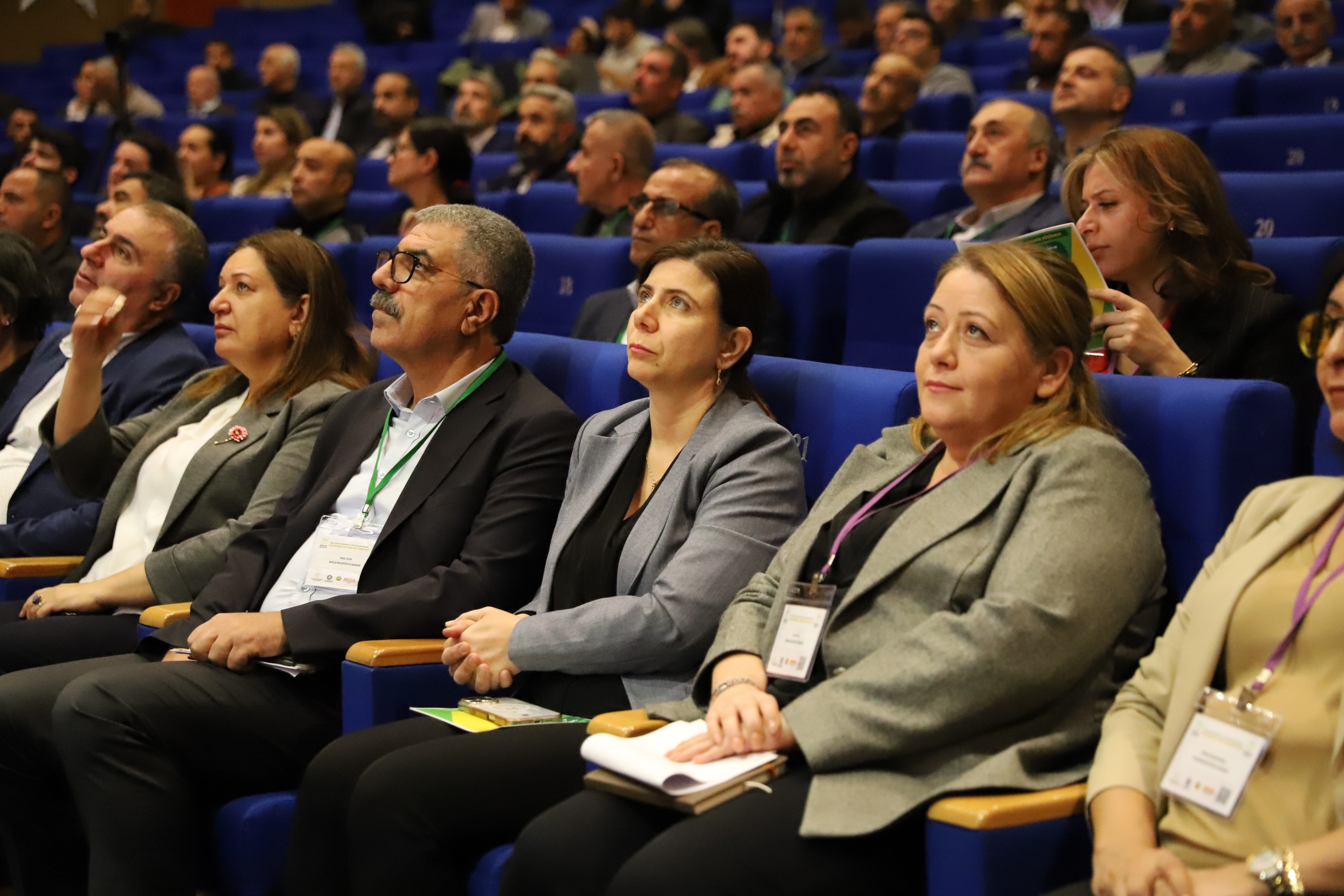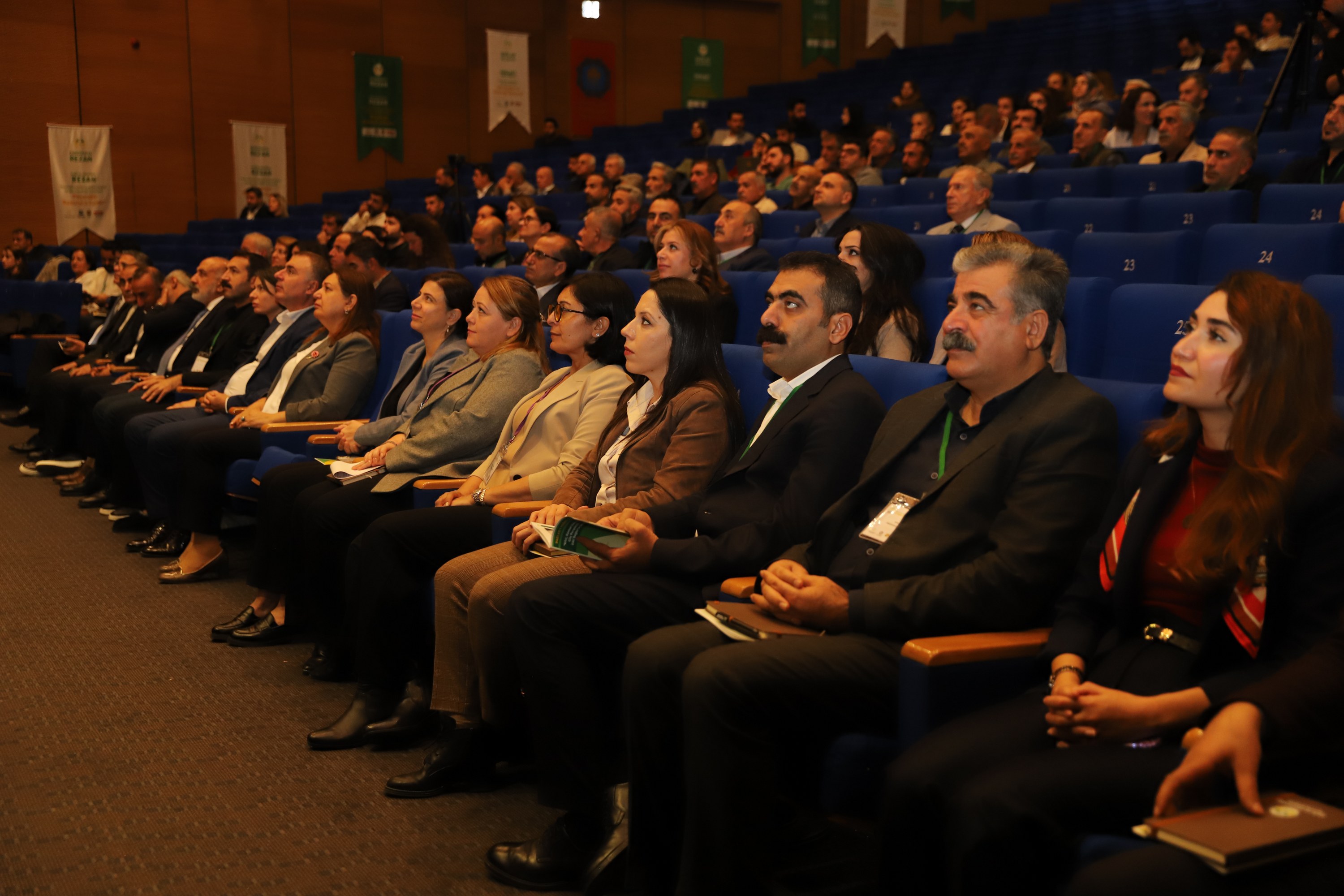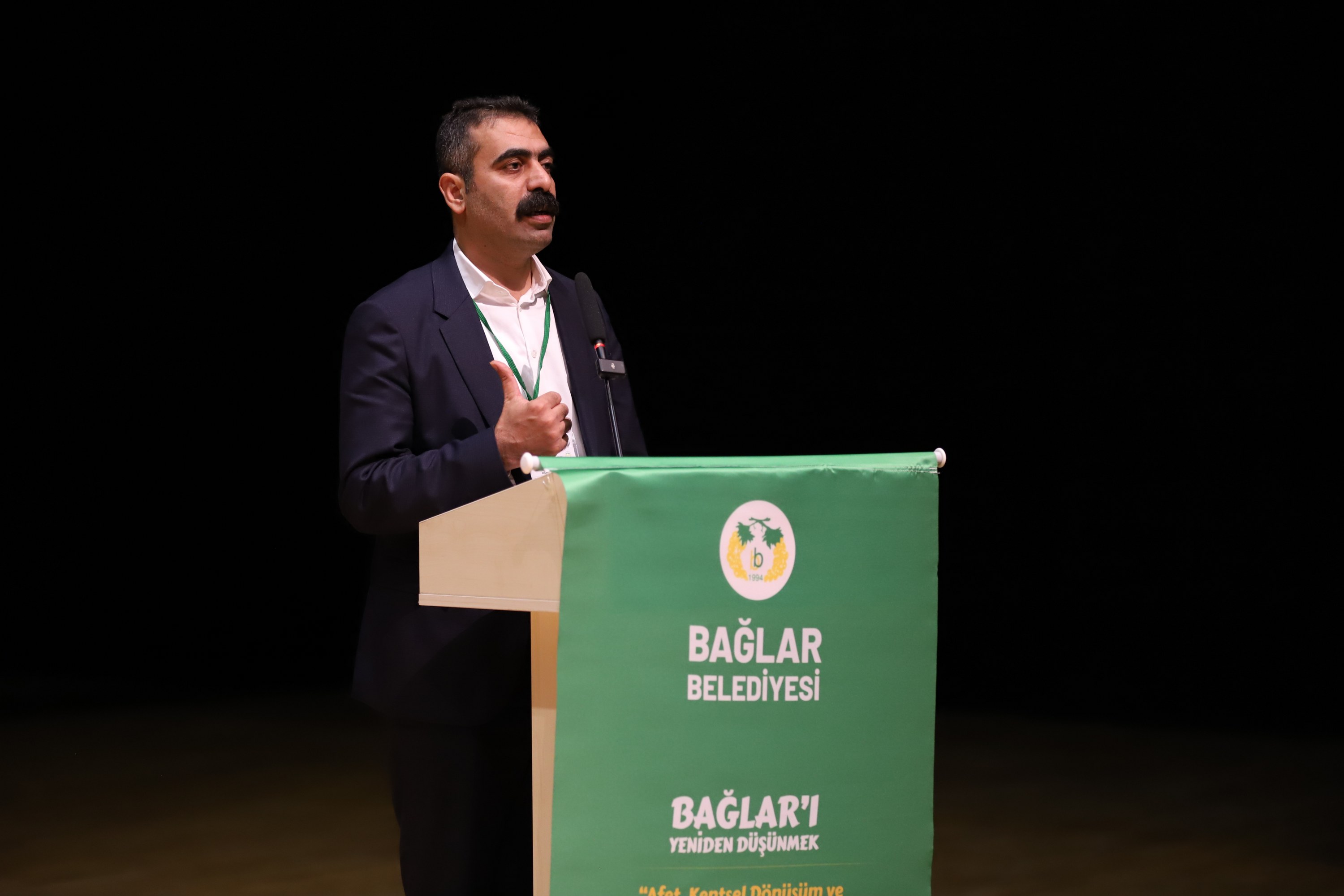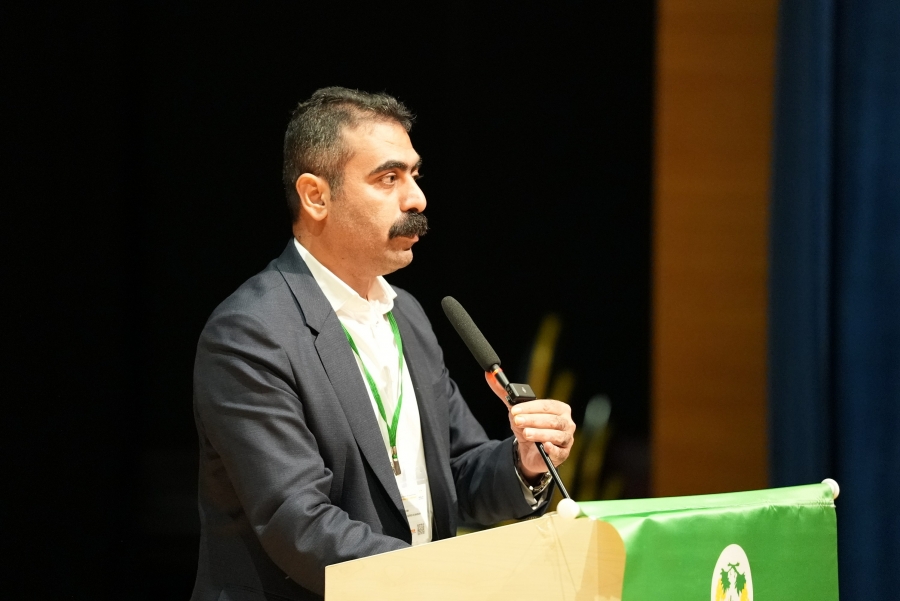
Diyarbakır Metropolitan Municipality Co-Mayors Serra Bucak and Doğan Hatun attended the workshop titled “The Future of Old Bağlar from the Perspective of Disaster, Urban Transformation and Migration”. In his opening remarks, Co-Mayor Doğan Hatun stressed that any approach to the building stock in Bağlar must ensure residents are not put at a disadvantage.
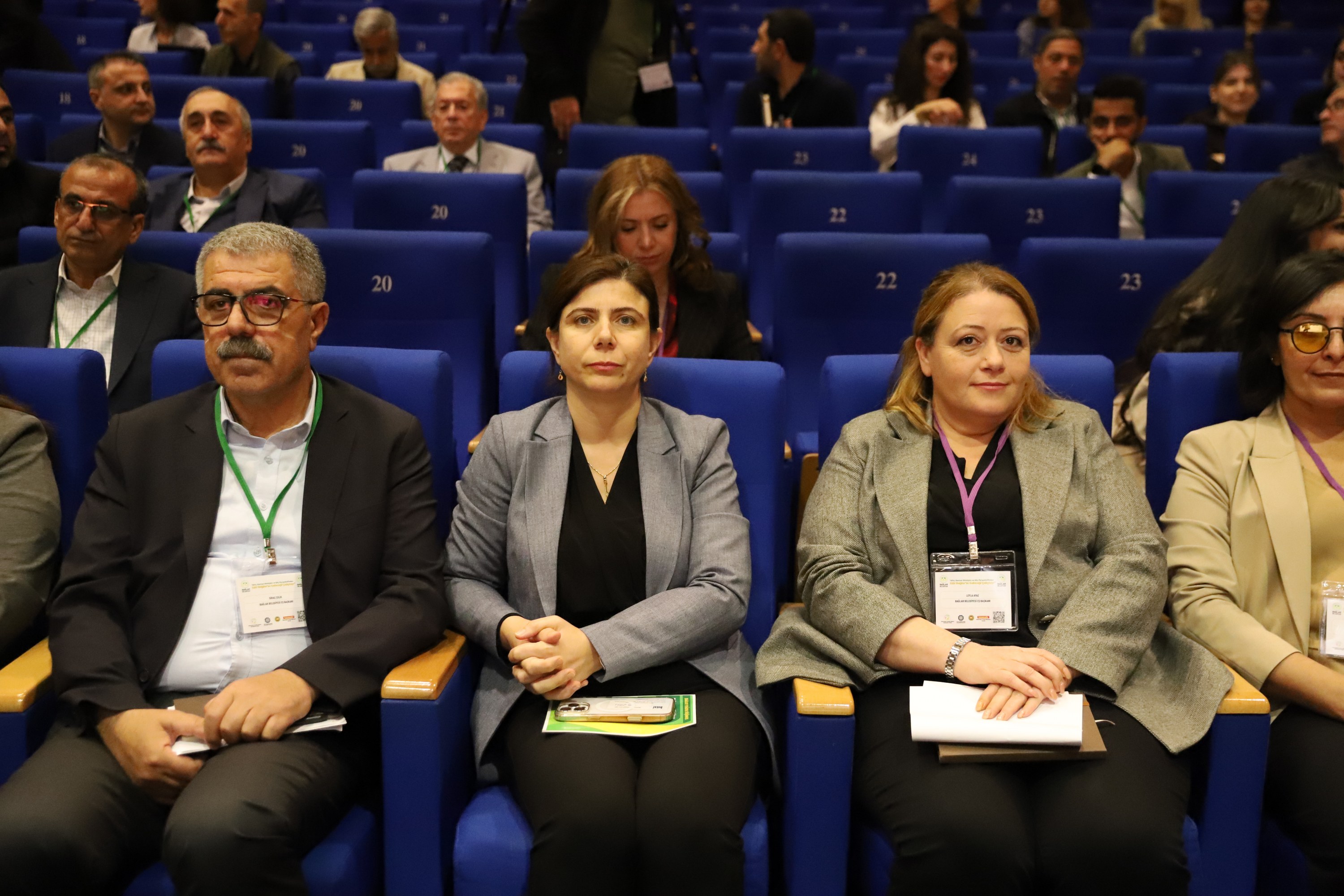
Coordinated by Bağlar Municipality, the workshop was held at the Çand Amed Culture and Congress Centre in cooperation with Diyarbakır Metropolitan Municipality, the Union of Municipalities of the Southeastern Anatolia Region (GABB), and the Diyarbakır Provincial Coordination Board of the Union of Chambers of Turkish Engineers and Architects (TMMOB). Participants included Diyarbakır Metropolitan Municipality Co-Mayors Serra Bucak and Doğan Hatun, Bağlar Municipality Co-Mayors Leyla Ayaz and Siraç Çelik, co-mayors from district municipalities, DEM Party Diyarbakır Provincial Co-Chair Gülşen Özer, along with representatives of civil society organisations and neighbourhood headpersons (muhtars).
Co-Mayor Hatun: Bağlar cannot be understood without reviewing the city as a whole
Speaking at the opening of the workshop, Diyarbakır Metropolitan Municipality Co-Mayor Doğan Hatun drew attention to the city’s long-running planning problems from past to present, stating: “Talking about Bağlar’s streets weighs heavily on me. I lived in Bağlar for 30 years. Our home was destroyed in the earthquake. Thirty years of my life were spent on the very streets we are about to discuss. We have witnessed each and every street in Bağlar. If we do not review Diyarbakır as a whole, Bağlar cannot be understood. We need to look a little to history and then speak about its reconstruction. This city lived within Sur for roughly 5,000 years and, for the last 102 years, has expanded beyond the Walls. When we look inside Sur, we see the city’s identity. We should take as examples how the streets and avenues were built against cold and heat, what their sociology was. Look at the area from the City Walls to the railway line: it was planned with the construction of the early Republic and remains the city’s best-planned area — Yenişehir and the Ofis quarter. Why was such good planning carried that far but not continued over the following 70 years? When the Republic was founded there was planning, and there was a spirit of planning. Why was this planning not applied after Yenişehir? The municipality existed, the state existed. As is known, there were five or six military coups. There was also a massive, unplanned wave of migration. Was there no city administration when that migration happened? There was. This is a city with seven thousand years of history. The early Republican period existed too. Why did no one implement that planning? What were the roles and missions of the city authorities? From official institutions to civil organisations — if we do not debate these, what we discuss today will remain mere talk.”
“We must not disadvantage residents”
Emphasising the need to rebuild Bağlar in line with its identity, Co-Mayor Doğan Hatun concluded his remarks as follows: “There were 30 households in the building I lived in. The total plot was 60 square metres. That’s two square metres of land per household. How will you transform this? There is a major property-title problem across all of Bağlar. The solution lies with the Ministry of Environment, Urbanisation and Climate Change. Our call is this: some life-expired buildings need to be demolished and renewed. But comprehensive solutions must be found for all the problems of buildings constructed after 1950 without planning and outside engineering standards. If each home has two square metres, how is this going to work? To prevent grievance, let us work together — with residents, with our institutions and our municipalities — to find a solution that does not disadvantage anyone. We are ready for this. We also have ideas and plans. We know the identity of these streets very well. This problem cannot be solved from Ankara, from behind a map. The solution must be developed locally through planning. We must not disadvantage the public. We must not turn Bağlar into a rent-seeking zone. Our primary aim is to ensure that residents are not disadvantaged, that sound buildings are constructed, and that the city is clean and orderly.”
At the opening of the workshop, Bağlar Municipality Co-Mayors Leyla Ayaz and Siraç Çelik, and Mahsum Çıya Korkmaz on behalf of the TMMOB Provincial Coordination Board, also delivered remarks.
Over the two-day workshop, presentations will be held under headings such as: “Urban Transformation; In-Situ Urban Improvement; Structural Assessment of the Existing Building Stock in Bağlar District; Preparations Prior to Transformation in Bağlar District; What Planning Approach for a Disaster-Resilient Bağlar?; Migration in Diyarbakır; Entitlement, Property Issues and Legal Approaches in Bağlar; The Role of Local Authorities in Urban Transformation Processes; and A Layered Reading of Old Bağlar’s Urban Fabric.”