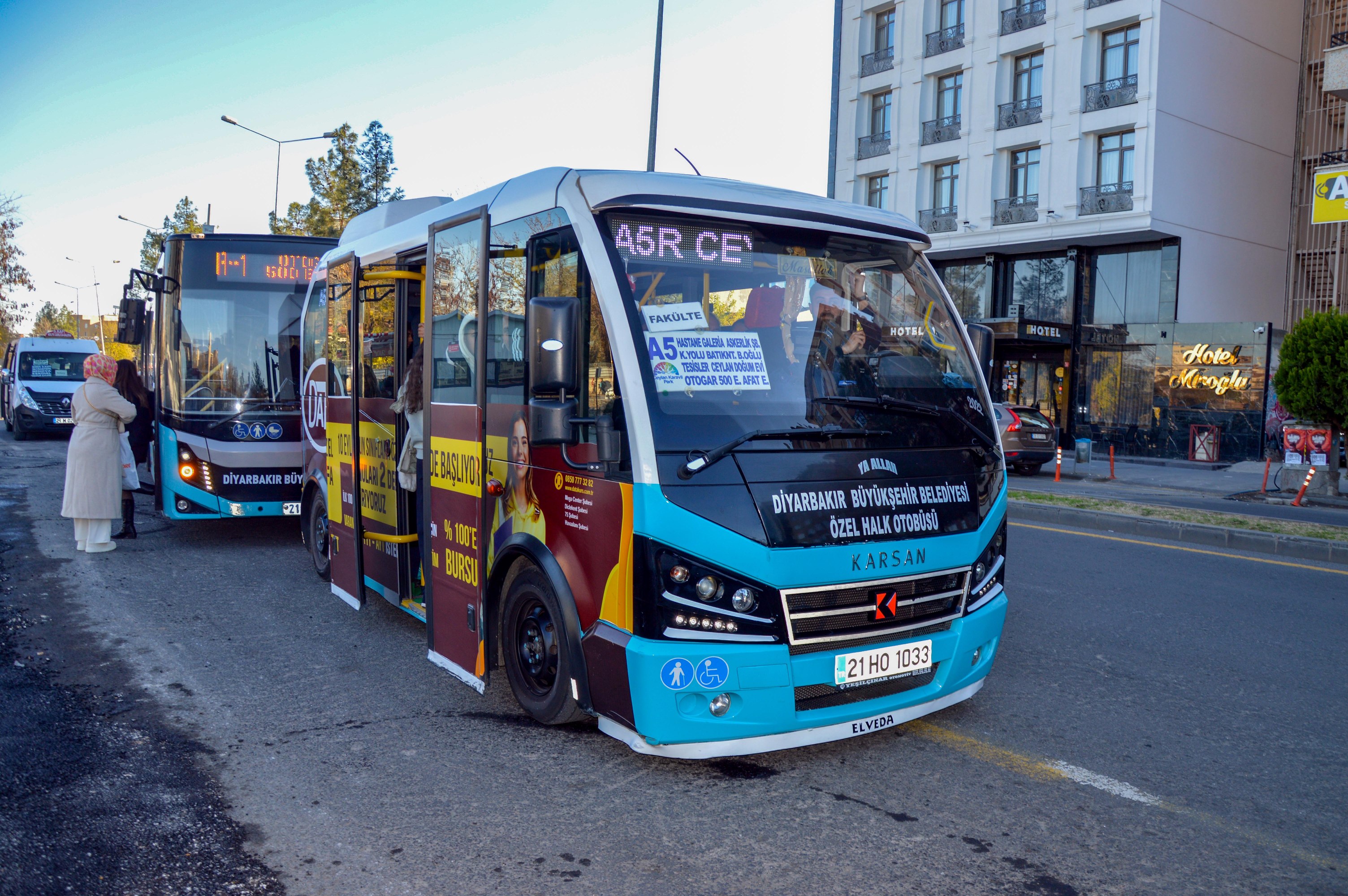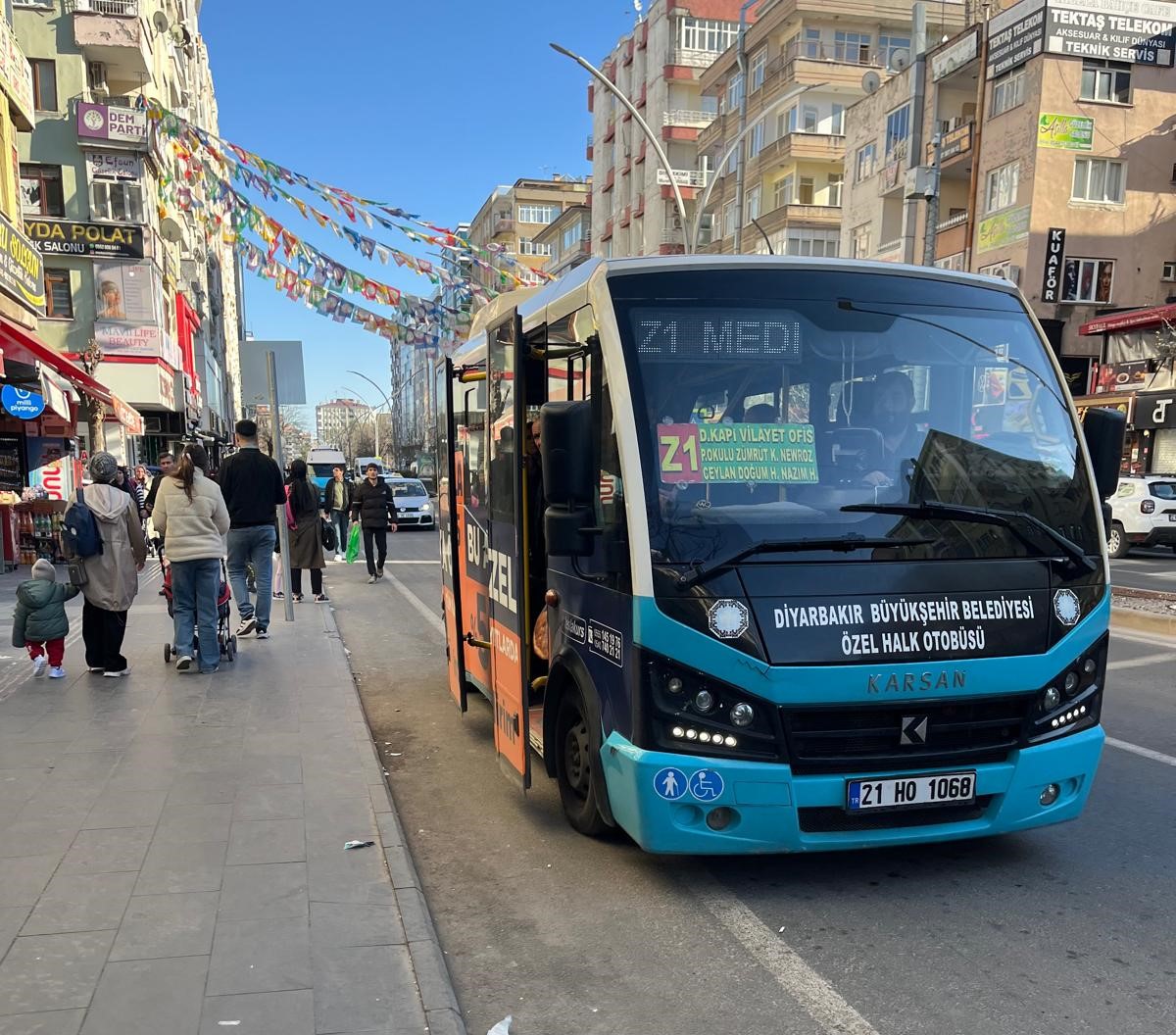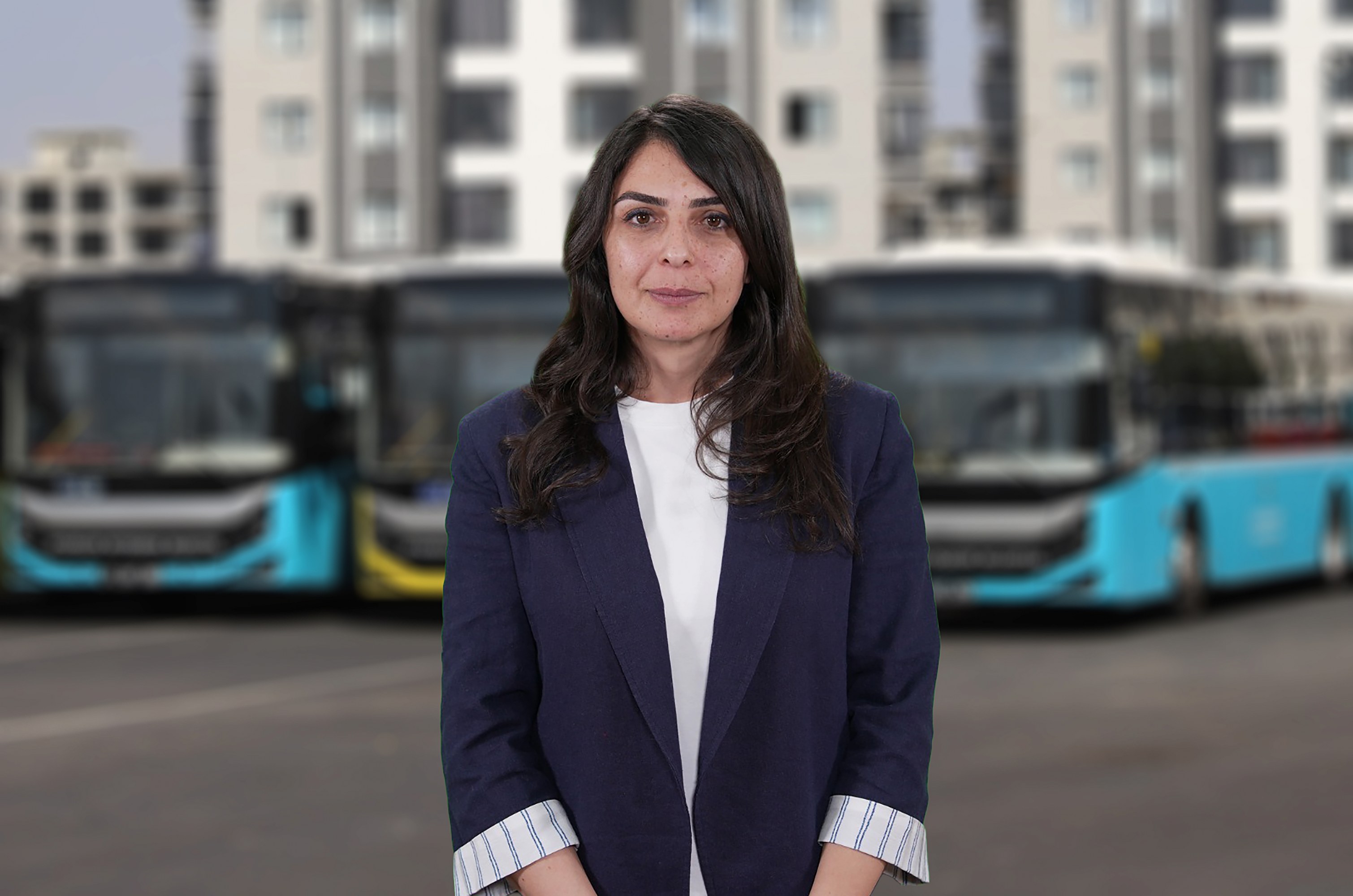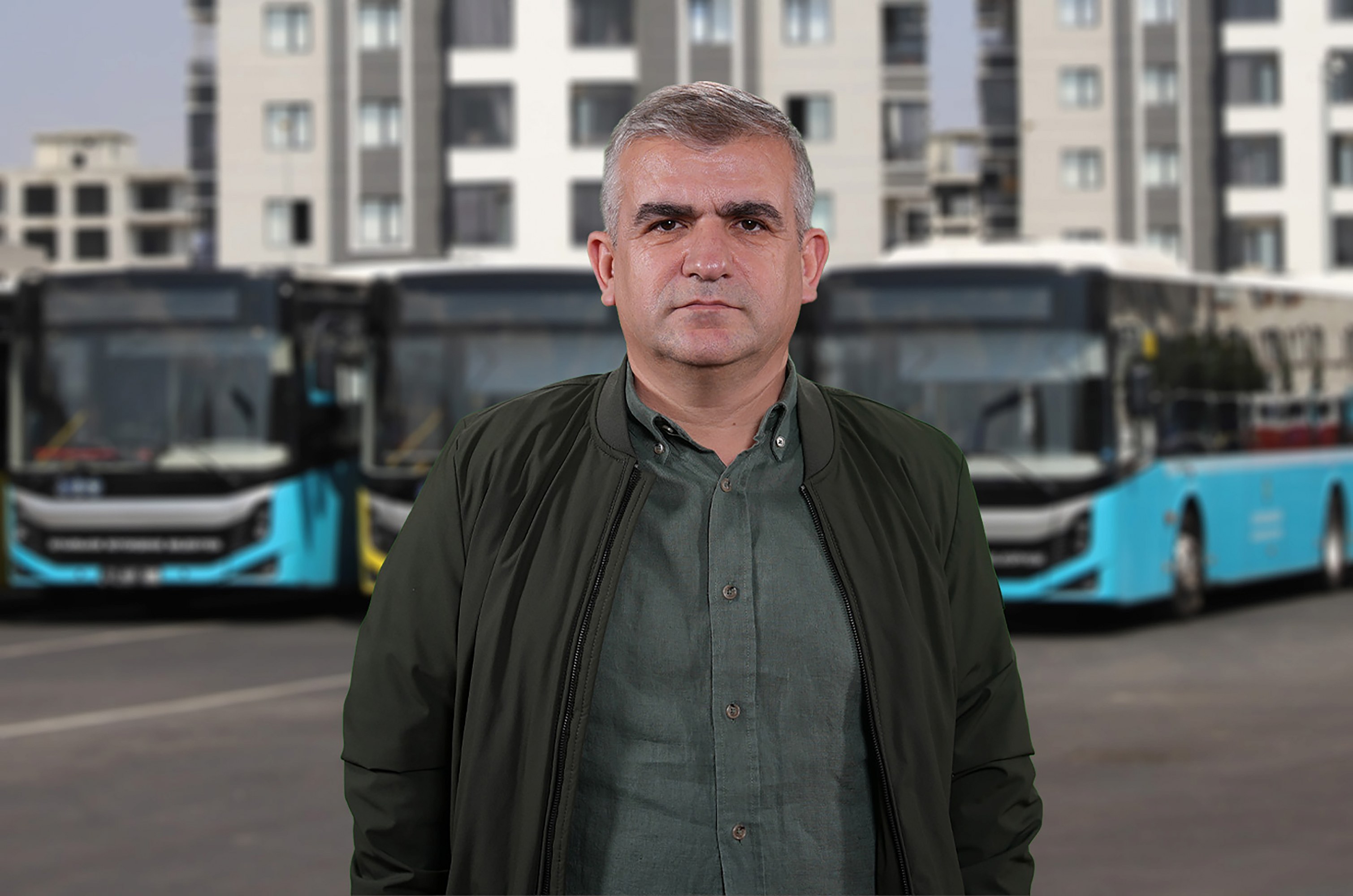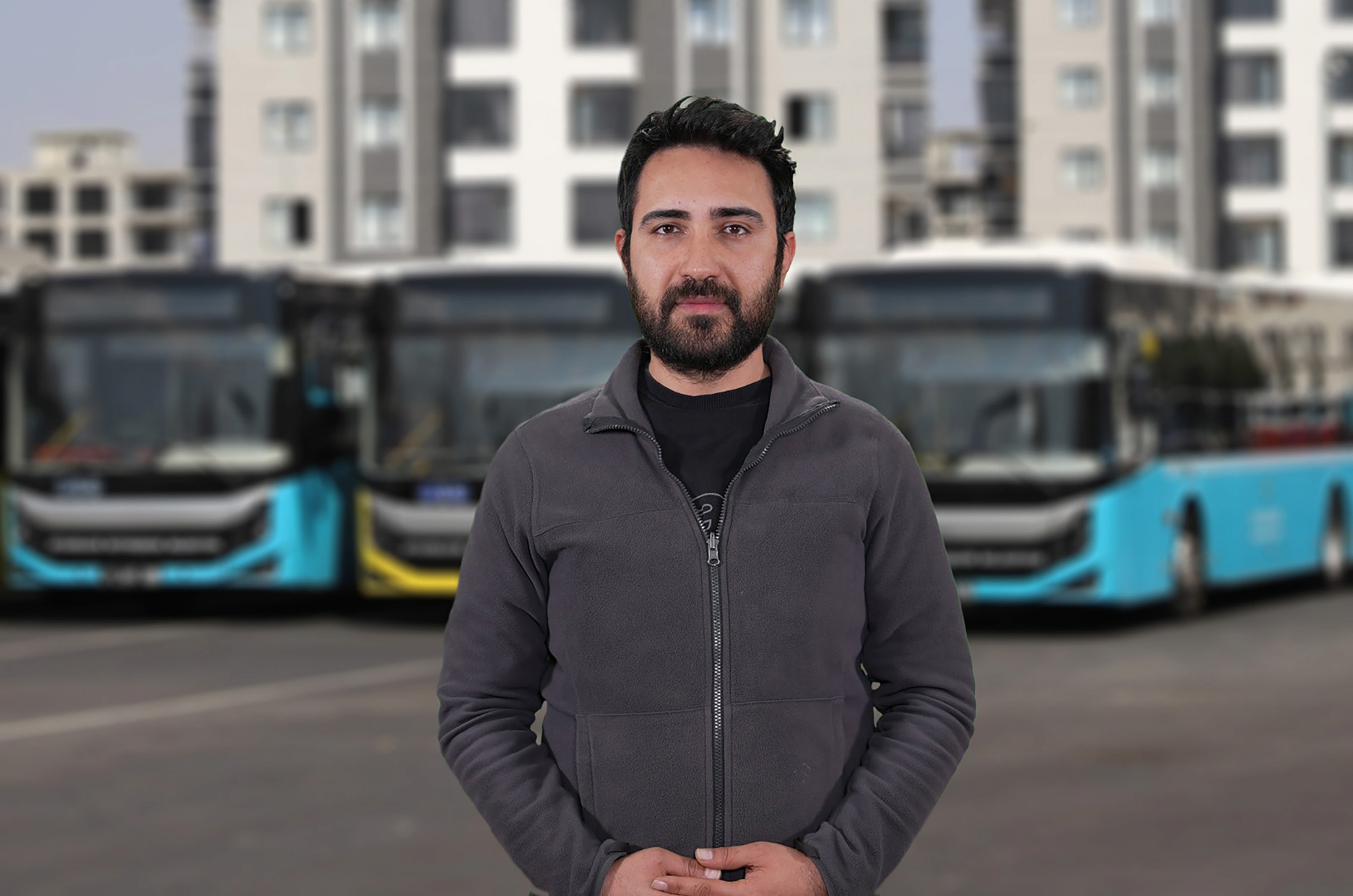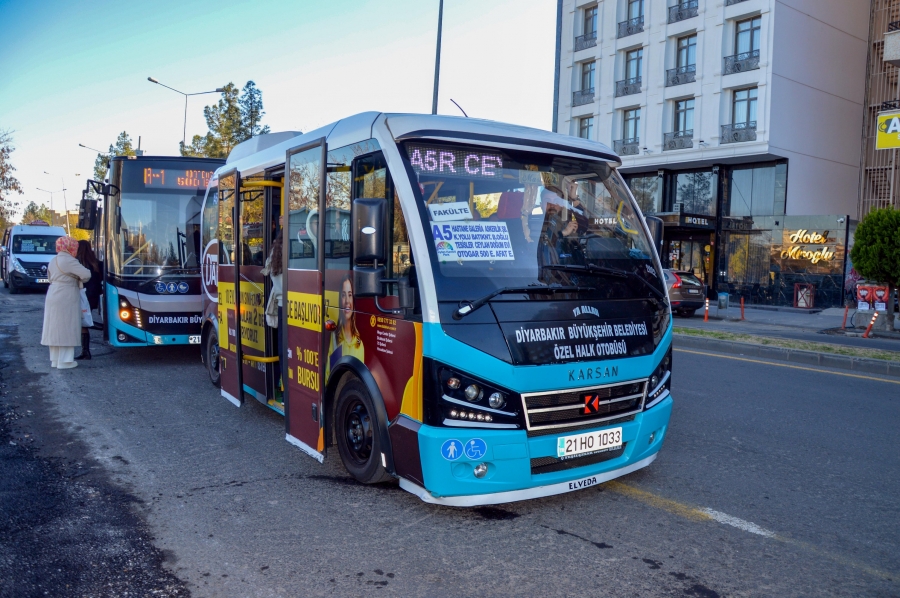
The protocol signed between Diyarbakır Metropolitan Municipality and the private public bus cooperatives will help bring people-centred municipalism to life in the field of transport as well. Head of the Department of Transportation Temel Cengiz, together with DBB Council Transportation Commission members Gülay Kılıç and Velat Esen, stated that the signed protocol would bring significant relief to urban public transport by expanding the scope of free and discounted travel cards, extending the card payment system, increasing inspections and supporting the employment of women drivers.
The protocol signed between Diyarbakır Metropolitan Municipality and the SS Öz Diyarbakır Private Public Buses Cooperative and the SS No. 53 Private Public Buses Cooperative, with the aim of ensuring that urban public transport services are delivered more effectively and in a more orderly manner, has come into force. Through the protocol, which aims to integrate into the system the vehicles belonging to members of the Private Public Buses Cooperative providing transport services in the city centre, to record public transport operations and to maintain the balance between supply and demand, the municipality seeks to improve efficiency and service quality in public transport, raise the satisfaction of residents and passengers travelling within the city centre, enhance service standards and establish a modern and effective public transport system. Under the protocol, the Electronic Fare Collection System will be expanded to cover vehicles operating under private public bus status, revenues will be formally recorded, the number of women drivers will be increased, the card payment system will be extended, and sanctions will be imposed in cases of rule violations.
Head of the Department of Transportation Temel Cengiz and DBB Council Transportation Commission members Gülay Kılıç and Velat Esen evaluated both the protocol itself and the measures to be implemented under it.
Public transport becomes more inclusive through the protocol
Temel Cengiz, Head of the Department of Transportation, noted that under last year’s protocol only residents entitled to free travel could benefit. He stated that the protocol signed this year with the two private public bus cooperatives had been prepared in a way that would also cover disabled residents, residents aged 65 and over, students, holders of discounted cards and subscription card holders. Explaining that the municipality had assumed all financial obligations, Cengiz said: “The protocol includes provisions on training, measures aimed at supporting women’s employment, as well as clauses on dress code requirements and on the monitoring by the system of route operations and service times.”
“We took action to find a solution”
Gülay Kılıç, a member of the Transportation Commission of the Transportation Council, said that since last year they had been raising the difficulties faced by older residents and disabled residents on private public buses and had taken action to resolve them. Kılıç stated that, through the protocol signed last year, they had managed to minimise the problems, but that the fact the issues had not been entirely eliminated made a new protocol necessary. She added that the protocol was not limited to this alone and that JINKART users would now also be able to benefit from Private Public Buses.
“We produced statistics based on complaints submitted to ALO 153”
Kılıç said that they had compared the data from before and after last year’s protocol and had drawn up statistics on the basis of complaints submitted to ALO 153, the Metropolitan Municipality’s call centre. She continued: “Following the protocol we signed with one cooperative, based on an agreement at around the 50 per cent level, there was a serious decline in complaints. However, we have now signed a protocol through which we undertake to resolve 100 per cent of these problems. Accordingly, we will continue our efforts until all of these problems have been fully eliminated. The Department of Transportation and the Transportation Commission, in cooperation with the boards of both cooperatives, aim to bring all problems to an end by maintaining strict field inspections.”
“We say 20 per cent, but the target is higher”
Kılıç also spoke about the step taken under the protocol to increase the employment of women drivers: “Twenty per cent is not a quota; we say a minimum of 20 per cent, but the target is much higher. As Diyarbakır Metropolitan Municipality, we launched a project last year through which we provided training for women drivers on our own municipal buses, and we employed many women who successfully completed that project. The public response we have received so far is a clear indication of strong satisfaction. Naturally, we did not want this to remain limited to municipal buses alone; we wanted the same service to be provided on Private Public Buses as well. That is why we included this in the agreement last year, and this year we have once again added it as a clause in the protocol.”
“The transition to a card-based system will take place after 1 June”
Kılıç stressed that, by fully eliminating cash payments under the protocol, many of the existing problems would in fact be resolved through this change, and said that their aim was to remove cash payments altogether by 1 June. Calling on residents to obtain their cards before 1 June, Kılıç noted that the new system would also pave the way for a more convenient and more comfortable public transport service.
“They can be sure that we will respond swiftly to problems”
Kılıç underlined that the primary goal of the Co-Mayors and the municipal administration was to eliminate the existing problems in transport and ensure that all sections of society could access transport on an equal basis. She said: “We acted in the knowledge that, until now, disabled residents — particularly those using wheelchairs — were not being allowed onto these vehicles, and that older residents were likewise in some cases not being admitted. Even when they were able to board, they were unfortunately subjected to poor treatment. We signed this protocol in order to put an end to all of these problems. We will continue our efforts to ensure that such negative situations do not occur again. In this context, our mobile municipal enforcement teams will remain active in the field. Our request to residents is this: please report to the ALO 153 Call Centre any instance of poor treatment that you witness or personally experience. They should be assured that we will intervene quickly in such cases.”
“We will use the people’s budget for the people”
Velat Esen, a member of the DBB Council Transportation Commission, also stated that the protocol would ease transport across the city and said that problems and overcrowding on the routes would be eliminated. Explaining that the Metropolitan Municipality would cover the full cost of all free travel cards and would also pay the difference for discounted cards so that they correspond to the full fare, Esen said: “Why has the Metropolitan Municipality assumed this cost? Because the Metropolitan Municipality is a people-centred municipality and uses the people’s budget on behalf of the people. As a result, residents who until now were unable to benefit from the transport system through free or discounted travel will now be able to do so, because we have undertaken this cost, and this budget will thus go directly to the public.”